The Ultimate Guide
Decorative iron fencing has become one of the most reliable and visually appealing ways to define property boundaries while providing security. Homeowners and business owners often ask, how are decorative iron fence panels installed, especially when planning a new fencing project. Understanding the installation process helps you see why professional fence installation is important for long-lasting results and structural stability. This ultimate guide explains how iron fence systems are planned, measured, and installed correctly so your outdoor space gains durability, security, and aesthetic appeal.
A properly installed iron fence offers more than visual style; it protects property lines, enhances curb appeal, and creates a secure barrier around your yard or commercial space. Whether you are planning a DIY project or preparing for your next project with a professional contractor, learning the steps of wrought iron fence installation will help you understand what happens during the process.
What Are Decorative Iron Fence Panels?
Decorative iron fence panels are prefabricated sections of metal fencing that are installed between fence posts to create a continuous iron fence. These panels are designed for both strength and appearance, offering the durability of metal while delivering the classic style associated with wrought iron. Many property owners choose this fencing material because it combines structural integrity with an elegant look that enhances the overall outdoor space.
Decorative Iron vs. Wrought Iron vs. Ornamental Steel
The terms wrought iron fence and decorative iron fence are often used interchangeably. Historically, wrought iron fences were handcrafted from heated metal shaped by blacksmiths. Modern wrought iron fences are typically made from durable steel that is welded into decorative shapes and coated to prevent corrosion. This allows manufacturers to produce consistent wrought iron panels that maintain the classic wrought iron style while offering improved durability and easier installation.
Common Design Features
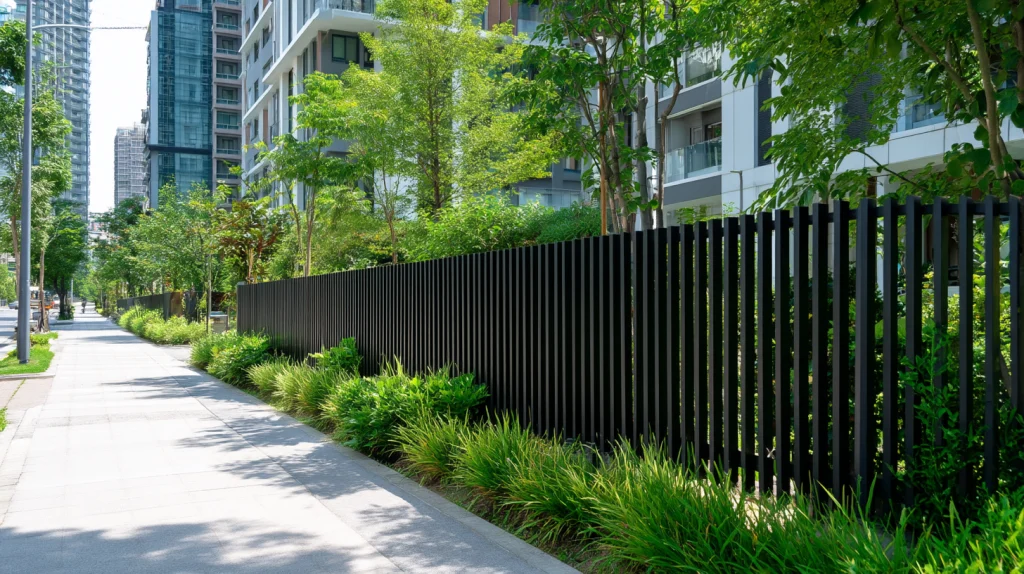
Decorative iron panels typically include vertical pickets supported by horizontal rails. Many panels feature ornamental spear tops or decorative finials that increase the fence’s aesthetic appeal. The symmetrical design helps create a uniform appearance across the entire fence line. These decorative features are one reason wrought iron fencing remains popular for residential and commercial properties.
Where Decorative Iron Fences Are Typically Installed
A wrought iron fence can be used in many environments. Homeowners often install iron fence systems around yards, gardens, or pool enclosures. Businesses install wrought iron fencing around commercial properties to protect parking areas and entrances while maintaining a polished appearance. The open design allows visibility while still providing security, especially when designed and installed by a dedicated commercial and residential fence company.
Tools and Materials Needed for Installing Iron Fence Panels
Before beginning any fence installation project, it is important to gather the proper tools and materials. Having the right equipment ensures the installation process is efficient and that the fence is installed correctly. Professional contractors rely on specialized tools, durable materials, and a clear understanding of overall fencing costs and budgeting to create a long-lasting wrought iron fence.
Materials Used in Professional Installation
Several materials are required to build a secure iron fence system. The most important components include wrought iron panels, fence posts, brackets, screws, and concrete. Fence posts support the entire fence structure and must be anchored securely into the ground using concrete. Brackets connect the panels to each post and allow the fence panels to remain firmly attached. Gate hardware is also needed for installing gates and a wrought iron gate. These components ensure the gates open and close smoothly while remaining secure, similar to the way concrete-stabilized vinyl fence posts improve stability in other fence systems.
Tools Typically Used by Fence Contractors
Professional installers use a post hole digger or auger to dig post holes. A measuring tape and tape measure are used to measure panel spacing and confirm precise measurements during post placement. A string line is stretched along the fence line to maintain a straight line and ensure each post stays aligned. A post hole digger is especially useful when digging holes in compact soil. Safety glasses and protective gear are often worn to improve safety during the installation process. Using the proper tools ensures the iron fence is installed safely and efficiently.
Step-by-Step: How Decorative Iron Fence Panels Are Installed
Installing a wrought iron fence involves multiple steps that must be completed carefully to maintain structural integrity. Each stage of the installation process contributes to a fence that looks straight, secure, and professionally installed.
Step 1: Planning the Fence Layout
The first step of iron fence installation is planning the layout of the fence line. Installers begin by reviewing property lines and identifying where the fence will start and end. They measure the total distance and identify ending points where corner posts or gates will be located. Before beginning work, installers often check with the local building department to confirm local regulations, zoning laws, and height restrictions that may apply to the fence, as well as how far a fence should be from the property line.
Once regulations are confirmed, installers measure the installation area using a measuring tape to ensure precise measurements. A string line is stretched across the outside edge of the installation area to mark the straight line where the fence will be placed. Spray paint is often used to mark post placement locations on the ground along the line. These markings guide the installers as they dig post holes for each post.
Step 2: Marking the Fence Line
With the layout complete, the fence line is marked using stakes and a string line. The string line ensures the iron fence remains straight across the entire installation area. Accurate measurements are critical during this step because each panel must fit precisely between adjacent posts. Installers measure the distance between panels and mark the locations for the post holes. Each mark represents where a post hole will be dug. Establishing a straight line helps ensure the fence panels create a clean and uniform appearance once installation is complete.
Step 3: Digging Post Holes
Digging post holes is one of the most important steps in wrought iron fence installation. Installers use a post hole digger to dig post holes along the marked line. The number of holes depends on the number of panels being installed. The holes must be deep enough to support the weight of the iron fence and maintain structural integrity.
Most iron fence installations require holes that reach the proper depth, usually around two feet below ground level. Installers dig post holes carefully while watching for obstacles such as tree roots or compact soil. Each post hole should be wide enough to allow space for concrete to surround the post and anchor it securely. When digging holes, contractors check that each hole aligns with the string line so the fence remains straight across the property.
Step 4: Setting the Fence Posts in Concrete
Once the post holes are dug, the fence posts are positioned inside the holes. Each post must stand perfectly straight to maintain the appearance and structural stability of the iron fence. Installers use a level to confirm each post is aligned with the string line.
Concrete is then poured into the holes around each post. The concrete fills the space between the post and the sides of the hole, creating a secure foundation. Concrete is essential because it stabilizes the post and prevents movement over time. The posts must remain supported while the concrete cures. Proper curing allows the concrete to harden and hold the posts firmly in place. Setting posts in concrete ensures the fence posts remain stable even during strong winds or shifting soil.
Step 5: Attaching Decorative Iron Panels
After the concrete has cured, installers begin attaching the iron panels between adjacent posts. Each panel is lifted into position between the posts and supported at the correct height above ground level. Brackets are attached to the post and aligned with the rails of the panels. The top bracket is installed first to support the weight of the panels.
Once the top bracket is secure, additional brackets are attached along the post. Screws are used to secure the panels to the brackets. Installers check that each panel remains level before tightening the screws completely. Ensuring the panels remain straight creates a polished appearance across the fence line. This process continues until all fence panels have been attached securely between the posts.
Step 6: Installing the Gate
Gates are installed after the fence panels are secured. A wrought iron gate is typically heavier than standard panels, so the gate posts must be strong and stable. Installers attach heavy-duty hinges to the gate post and mount the gate frame so it swings freely.
Gate hardware is installed to allow the gate to latch securely. Proper gate installation ensures the gates operate smoothly and remain aligned with the rest of the fence. Installers check for loose screws or loose panels around the gate area to prevent damage and maintain security. After installation, many property owners also focus on painting and protecting a metal fence to guard against rust and weathering.
Step 7: Final Adjustments and Finishing Touches
After the panels and gates are installed, installers inspect the entire iron fence. They tighten brackets and screws, check each post for alignment, and confirm that all panels are attached properly. If loose screws or loose panels are found, they are corrected immediately. These final adjustments help maintain the uniform appearance of the fence and ensure it remains secure.
How Long Does It Take to Install Decorative Iron Fence Panels?
The time required to install an iron fence depends on the size of the project and the conditions of the installation area. A small residential fence installation may take one or two days. Larger projects with many panels and gates may require several days to complete. Factors such as uneven ground, tree roots, and weather conditions can affect how quickly the holes are dug and the posts are installed. Experienced installers work efficiently to complete the project while ensuring the fence is installed correctly.
Benefits of Installing Decorative Iron Fencing
A wrought iron fence offers many benefits for homeowners and businesses. One of the most significant advantages is durability. Wrought iron fencing is extremely strong and can last for decades when installed properly. The metal construction provides excellent security while maintaining an attractive appearance.
Another benefit is the aesthetic appeal of decorative iron fencing. The elegant style enhances the appearance of any outdoor space. Unlike solid fencing materials, iron fencing allows visibility while still defining boundaries. This balance of security and visibility makes wrought iron fencing a popular choice.
Decorative iron fencing also requires minimal maintenance. Occasional cleaning with mild soap or mild detergent helps keep the fence looking its best. Regular maintenance and inspections allow property owners to catch minor repairs early and prevent corrosion.
Why Professional Installation Matters
Although some property owners consider installing fencing themselves, iron fence installation can be challenging as a DIY project. Professional installers understand how to dig post holes, measure panel spacing, and align fence posts correctly. Accurate post placement ensures the fence panels remain straight and secure, which is why many homeowners choose a trusted local fencing company with experienced crews.
Improper installation can lead to loose panels, misaligned posts, or gates that do not operate correctly. Professionals use the proper tools and techniques to ensure the fence is installed correctly the first time. Hiring experienced contractors also ensures compliance with local regulations and zoning laws and allows you to benefit from a fence company that continues a legacy of quality craftsmanship.
Decorative Iron Fence Installation for Homes vs. Businesses
A wrought iron fence can serve different purposes depending on the type of property. Residential properties often install iron fencing for privacy, security, and aesthetic appeal. Homeowners may use wrought iron panels around gardens, yards, or pool enclosures to create a safe environment while maintaining visibility, much like they would when planning a full wood fence replacement project.
Commercial properties often use wrought iron fencing for providing security around parking areas or building entrances. Businesses benefit from the durability and professional appearance that iron fencing provides and often partner with a specialized commercial fence contractor in Burien, WA or similar experts in their area.
FAQs About Decorative Iron Fence Panel Installation
How deep should iron fence posts be installed?
Most iron fence posts are installed at a proper depth of approximately two feet below ground level. This depth allows the concrete to anchor the post securely and maintain structural integrity.
Can decorative iron fences be installed on uneven ground?
Yes, iron fences can be installed on uneven ground. Installers adjust post placement and panel positioning to follow the contour of the terrain.
Do wrought iron fences rust?
Modern wrought iron fences are coated to prevent corrosion. Regular maintenance and cleaning help prevent damage and extend the life of the fence.
How long does wrought iron fencing last?
A properly installed wrought iron fence can last several decades. Durable materials and strong construction make iron fencing one of the longest-lasting fencing options available, particularly when it is installed and maintained by a contractor carrying forward a long-standing fencing tradition.
What maintenance does an iron fence require?
Regular maintenance involves cleaning the fence regularly with mild soap and water. Inspecting for loose screws or minor repairs helps maintain the fence and prevent damage.
Get Professional Decorative Iron Fence Installation
Decorative iron fencing is an excellent investment for any property. A professionally installed iron fence enhances security, improves curb appeal, and creates a durable boundary that lasts for decades. Understanding how wrought iron fence panels are installed helps property owners see why careful planning, accurate measurements, and proper installation techniques are essential.
If you are planning your next project and want a fence that combines strength, style, and reliability, working with experienced professionals makes all the difference. A properly installed wrought iron fence will protect your property while adding lasting beauty to your outdoor space.