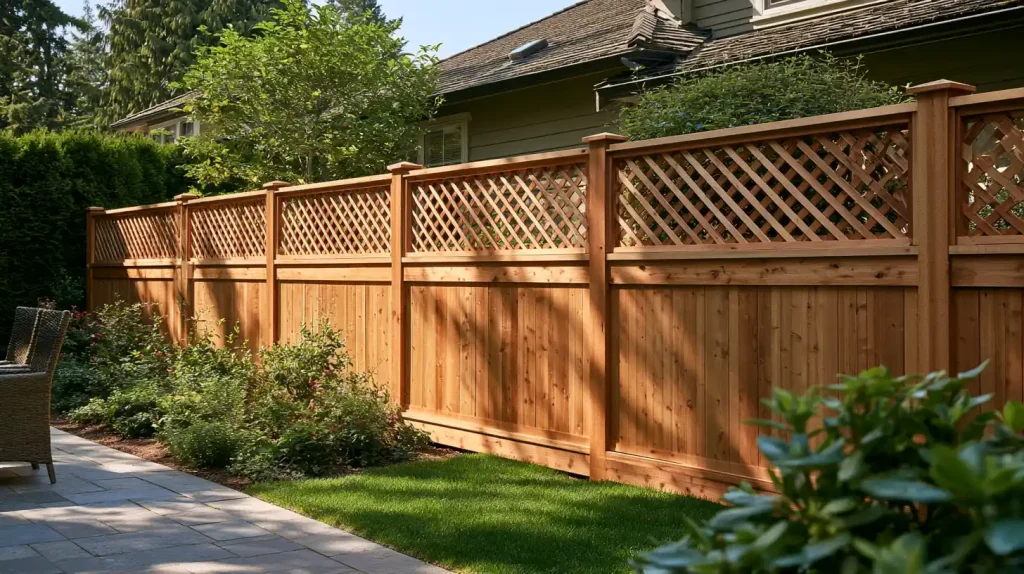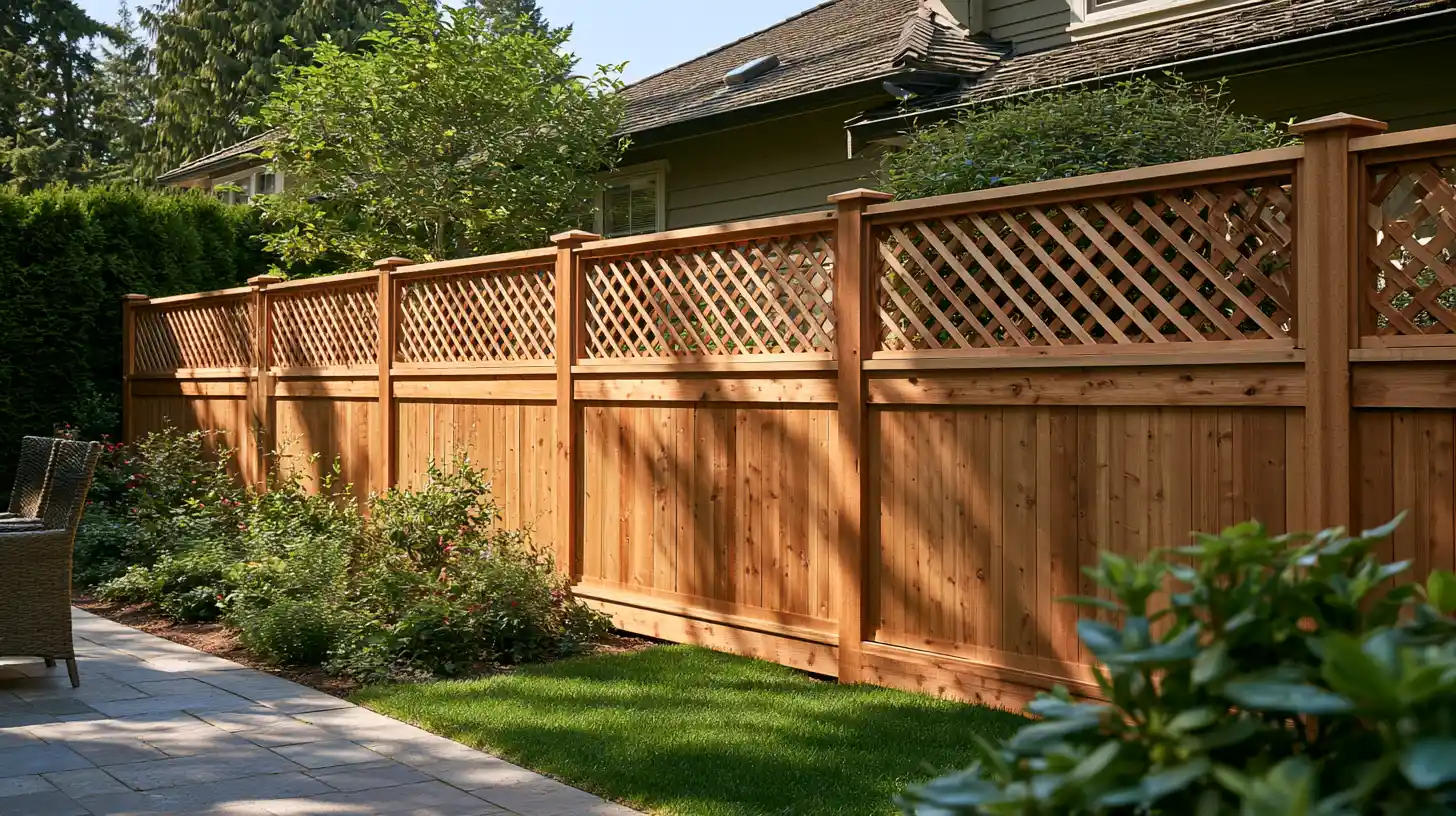
Lattice Fences and Lattice Toppers: Privacy Without Losing Light
Lattice fences and lattice toppers deliver privacy without losing light. Learn which styles work, material options, planning tips, and when to choose
Read More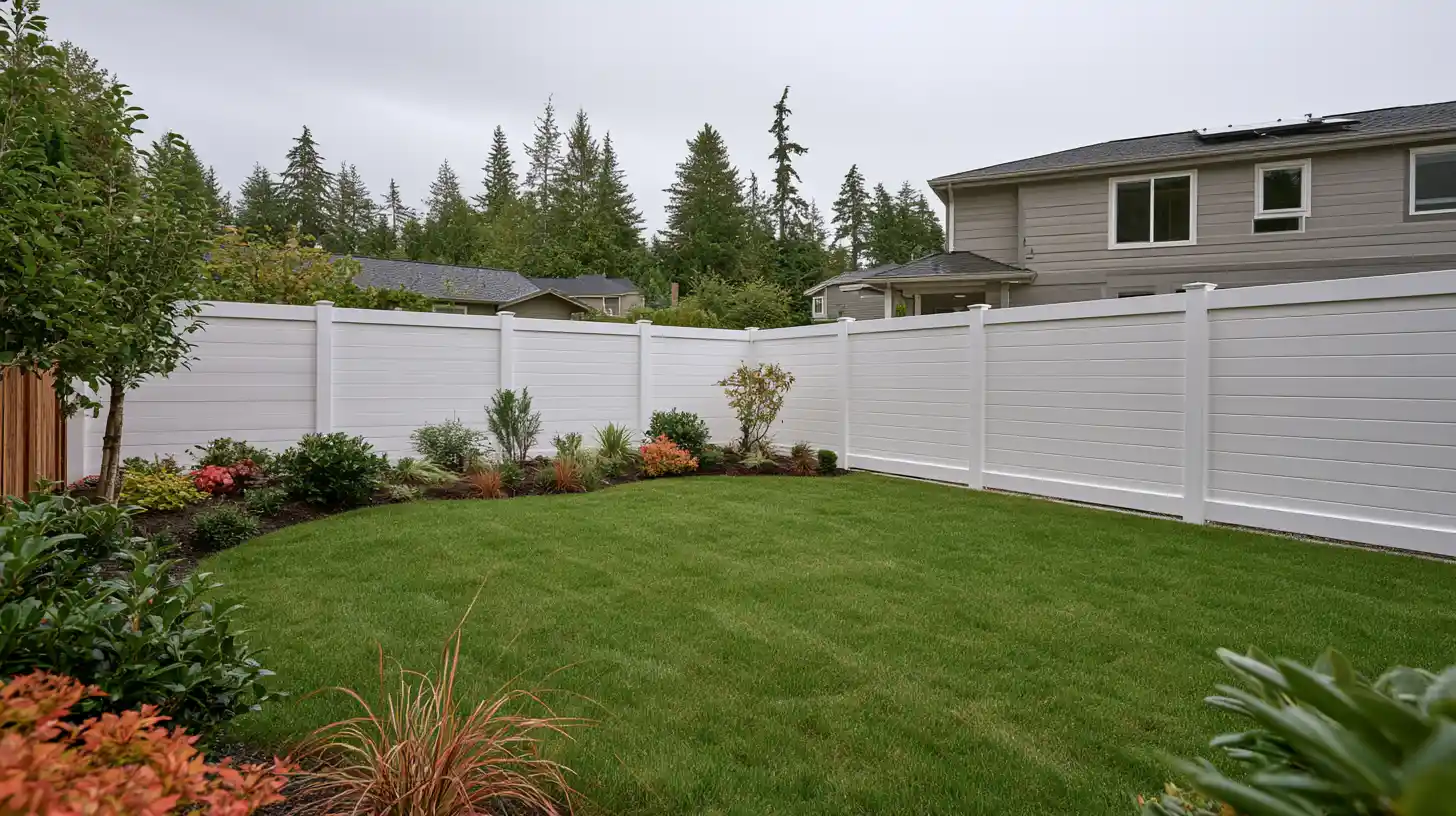
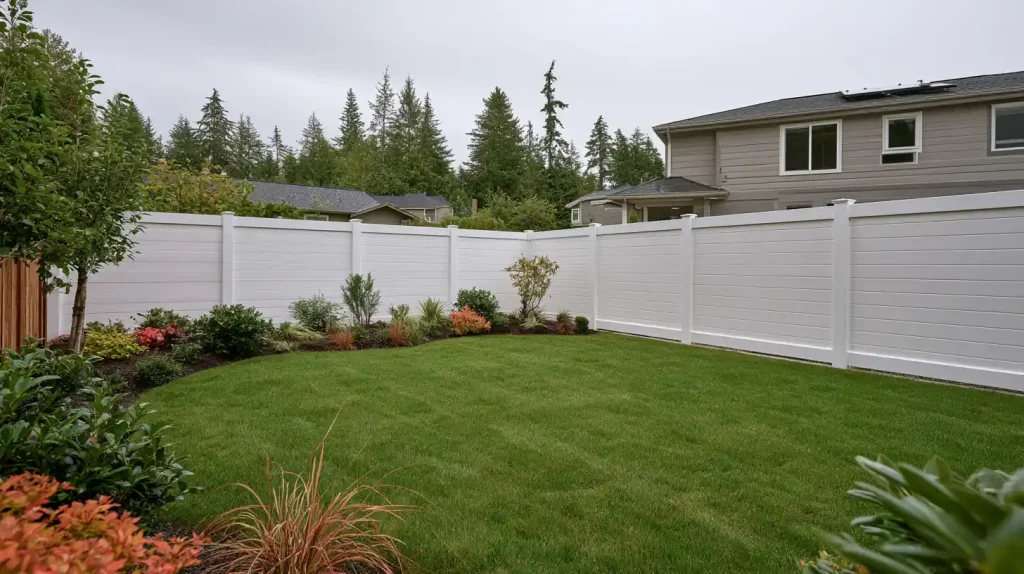
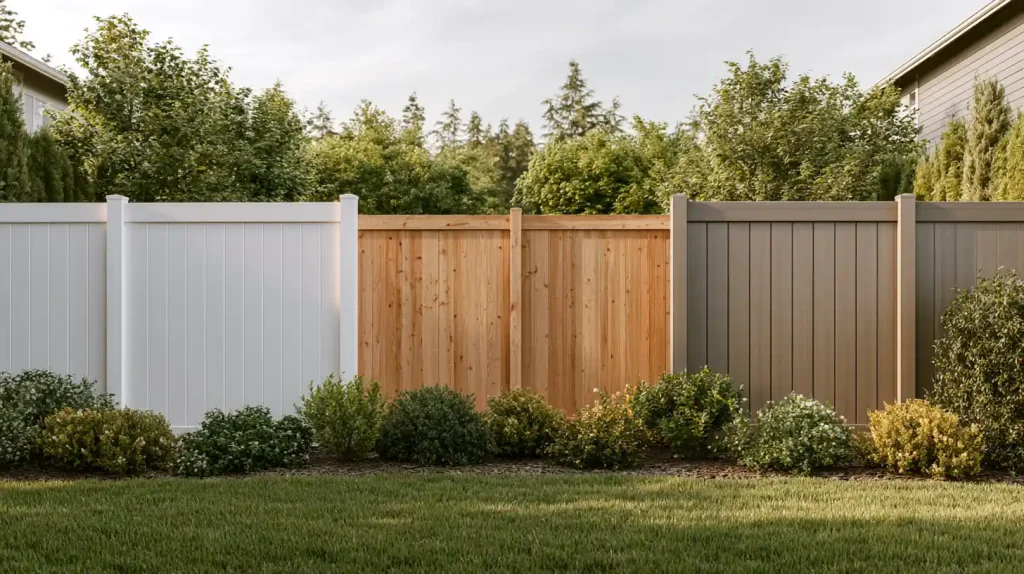
PVC vs. Vinyl Fencing: Is There Actually a Difference?
PVC vs. vinyl fencing: is there actually a difference? Learn why the terms mean the same thing and what specs really determine quality, cost, and lifespan.
Read More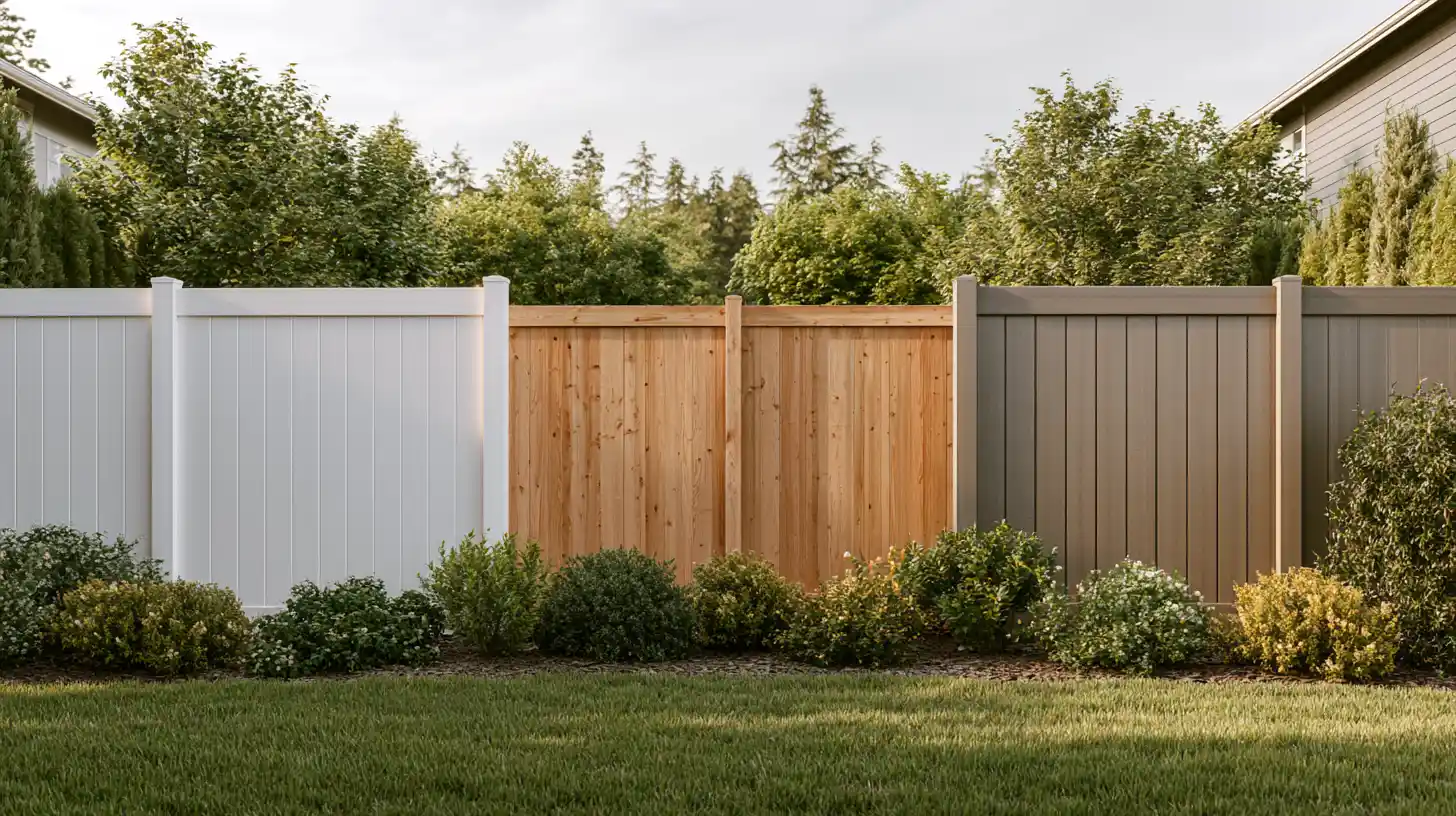
Concertina Razor and Barbed Wire: What’s Legal and What Works
Learn what’s legal and what works for concertina, razor, and barbed wire fencing. Compare wire types, local permit rules, and security best practices for
Read More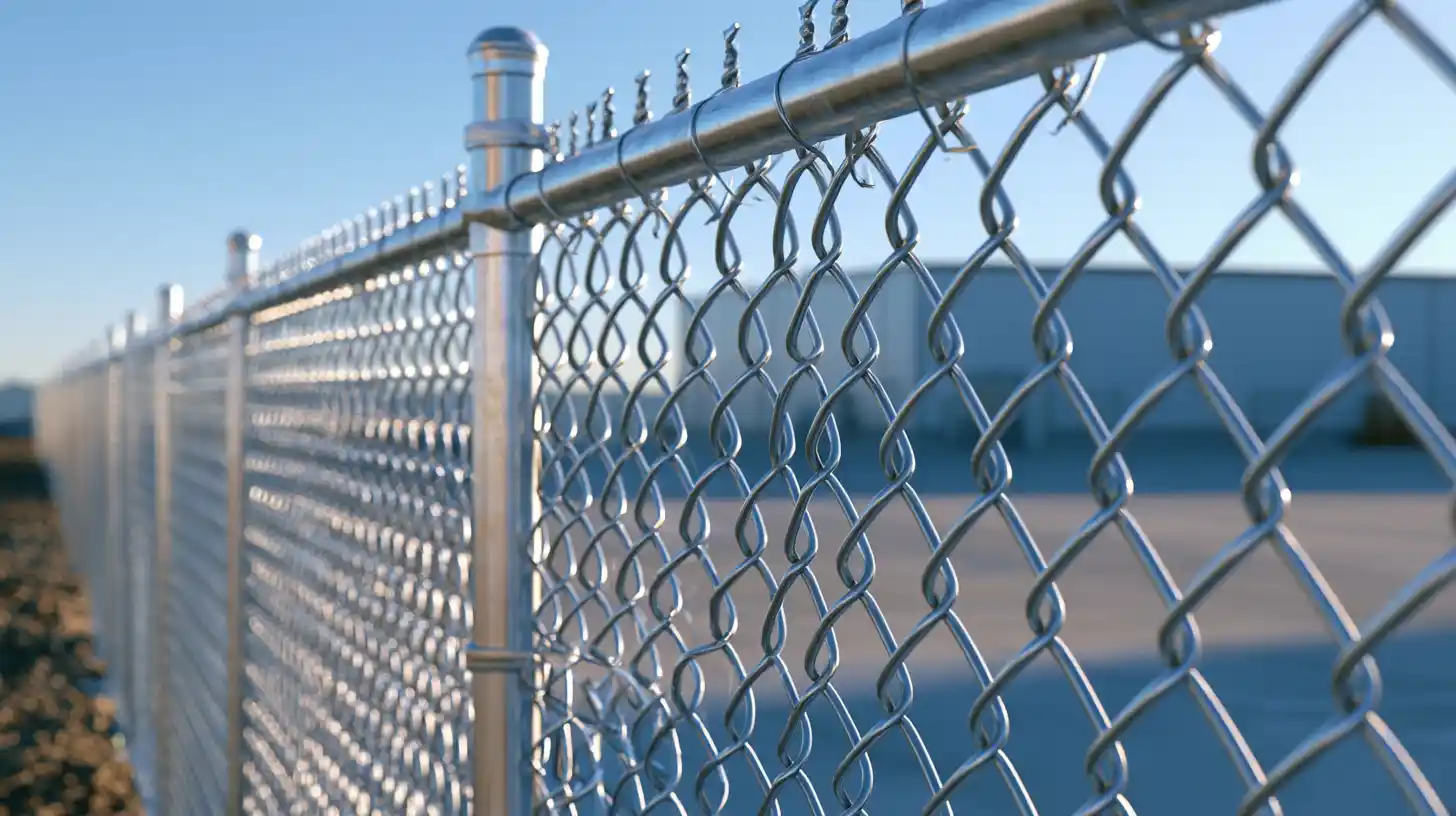
Chain Link Fence Parts, Explained: From Tension Bands to Rail Ends
Learn every chain link fence part explained, from tension bands and rail ends to post caps and hog rings, so you can plan, quote, and inspect with
Read More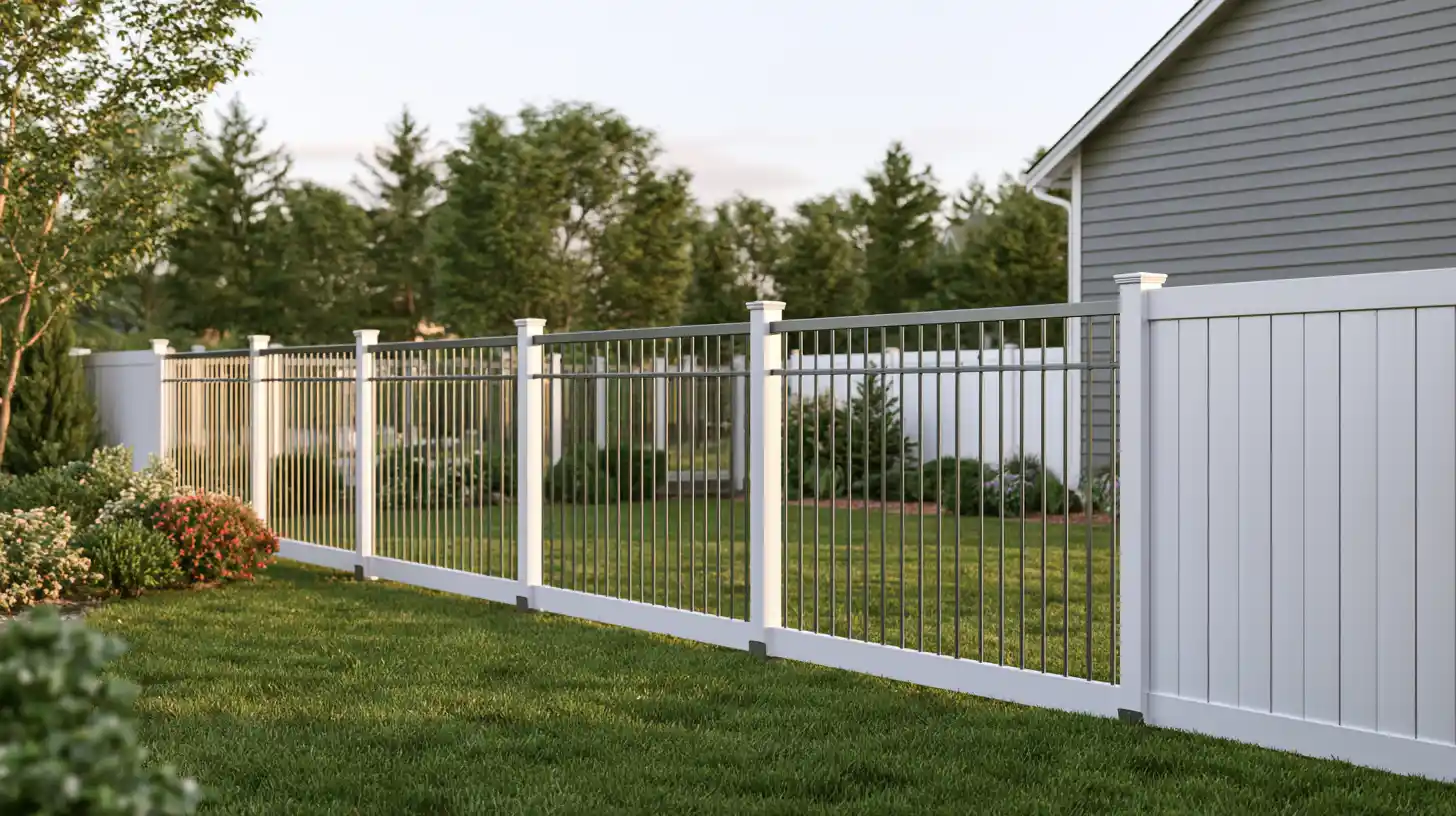
No-Dig Fences: What They Are and Where They Fall Short
No-dig fences are quick and affordable, but they fall short for security, privacy, gates, and wind. Learn what they are and when to choose a stronger
Read More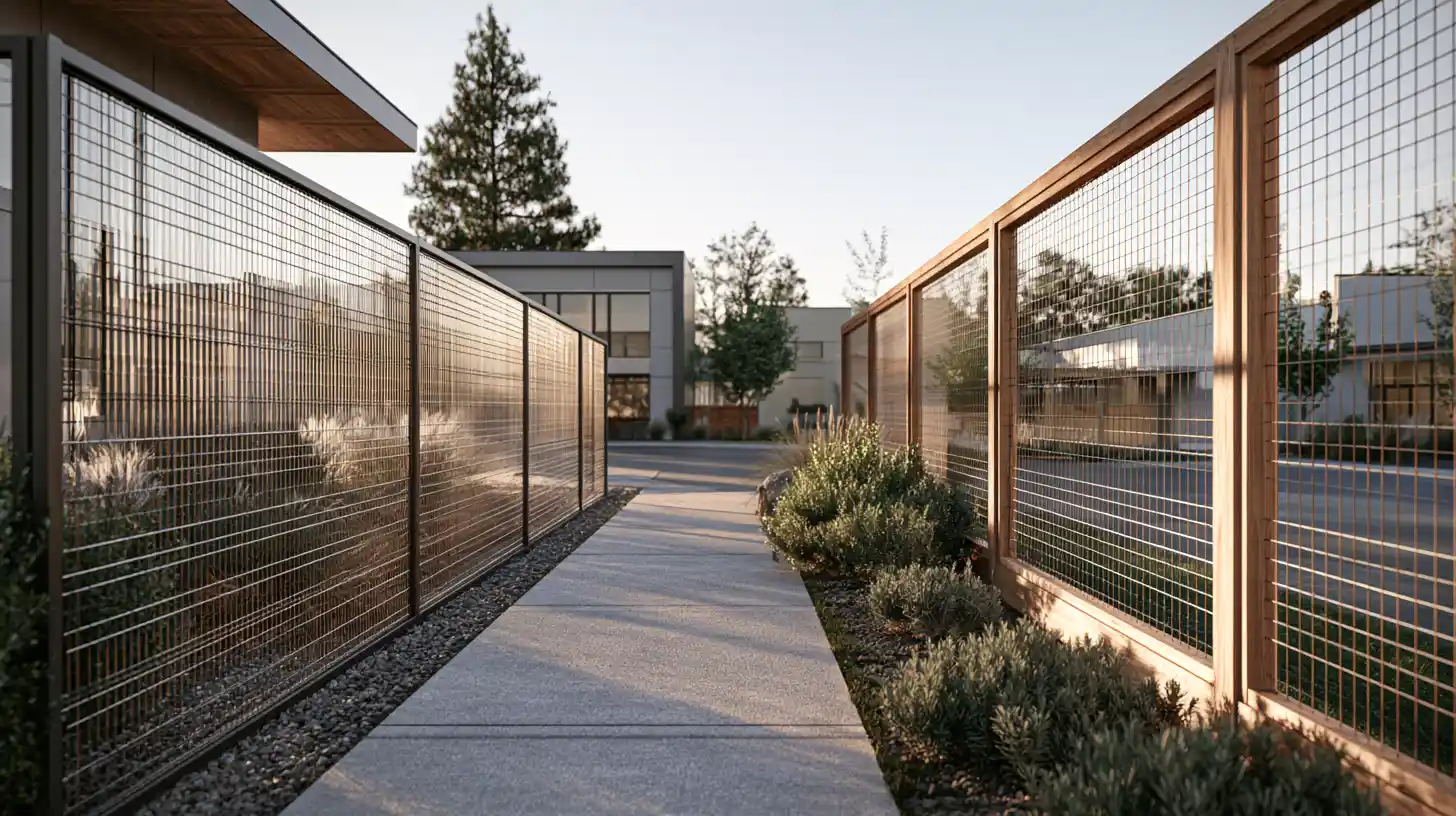
Welded Wire vs. Hog Wire Fencing: What’s the Difference?
Welded wire vs. hog wire fencing explained: learn the real differences in gauge, grid size, and use cases to spec the right fence for your project.
Read More
Rod Iron vs. Wrought Iron: The Name, the History, the Fence
Rod iron vs. wrought iron explained: learn the real history, materials, and what to ask before buying an ornamental iron fence for your property.
Read More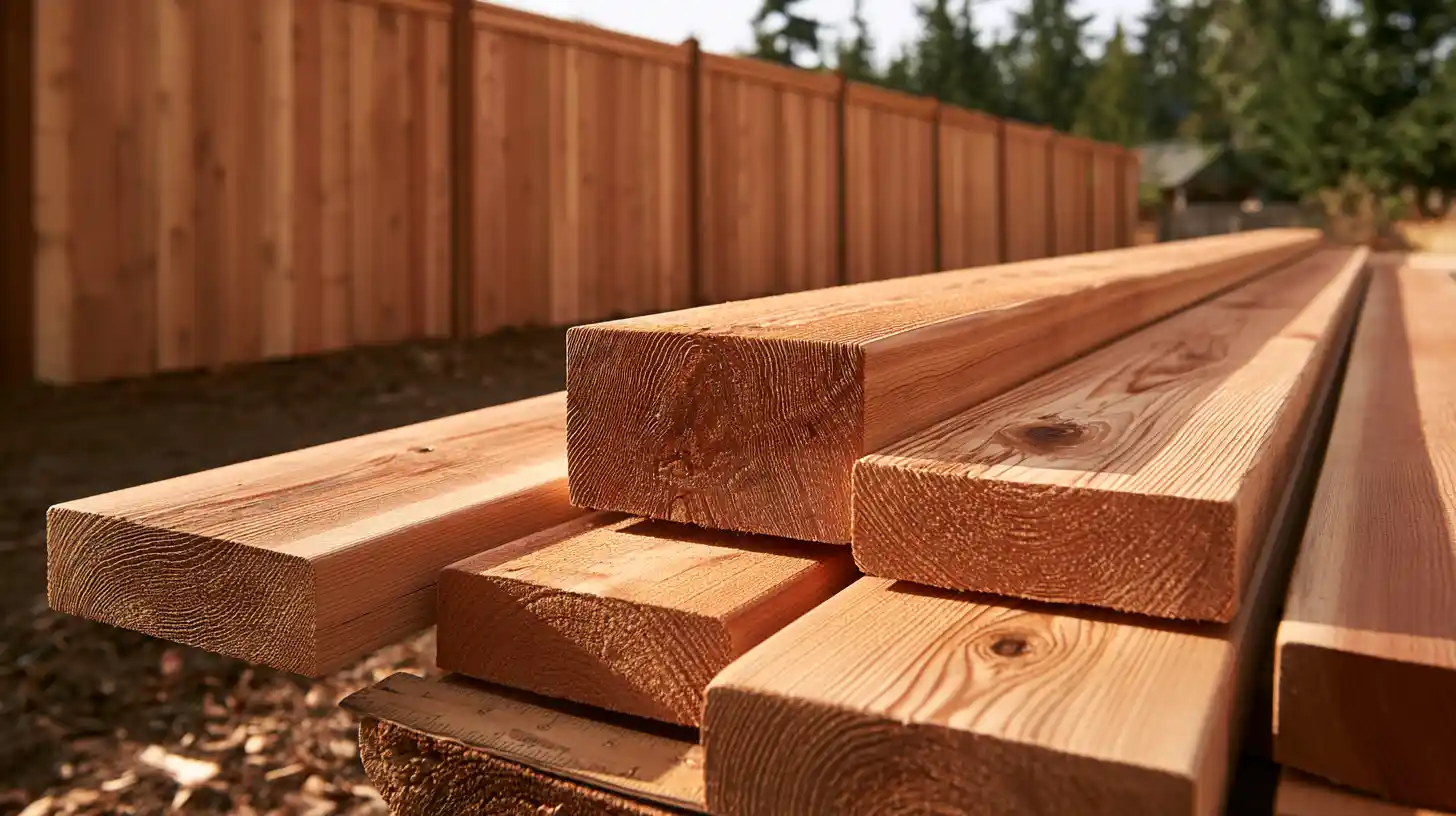
Cedar Fence Pickets: Grades, Sizes, and How to Spot Quality
Learn cedar fence picket grades, actual sizes, and how to inspect quality before buying. Covers Clear, STK, #1, and #2 grades with a field checklist.
Read More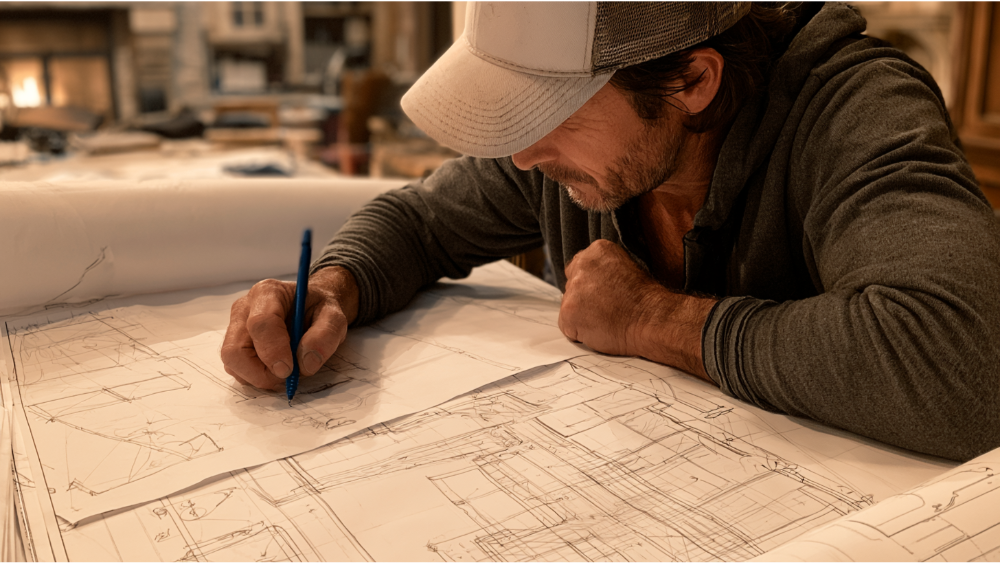
What Factors Affect Custom Fence Installation Timelines?
Custom fence installation requires significantly more planning than standard fence installation because no two properties are the same. The installation process must account for property boundaries, installation requirements, and design complexity before installation begins. A straightforward project may move quickly, while complex projects require additional preparation and coordination.
Read More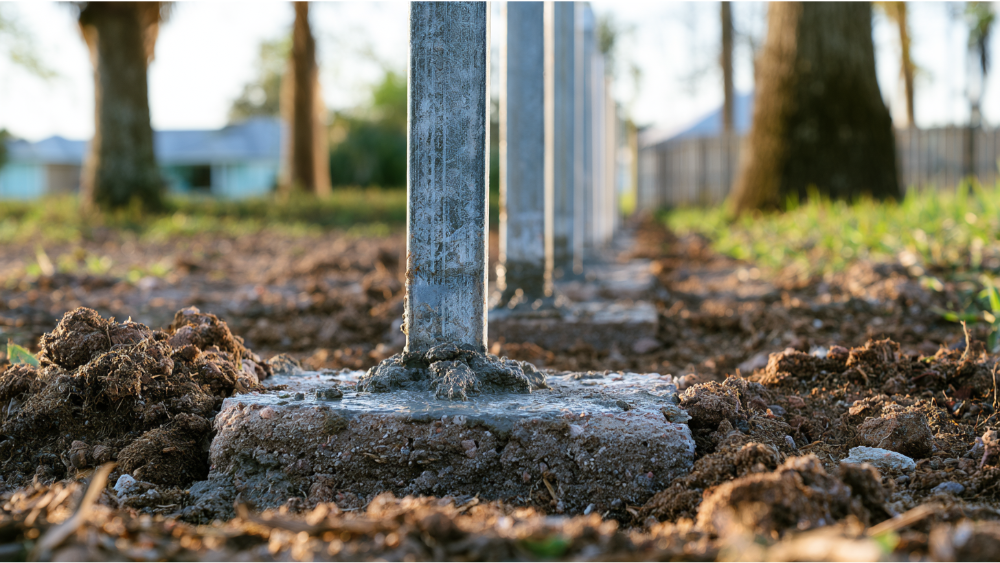
What Foundations Are Used for Metal Fence Posts?
Fence posts carry the entire load of a fence system, including panels, rails, and gates. Steel fence posts and metal posts must remain firmly anchored in the ground to maintain alignment. Without a strong foundation, posts can lean, twist, or shift when soil moves or when wind pressure increases.
Read More