A Complete Guide to Strong, Long-Lasting Fence Installations
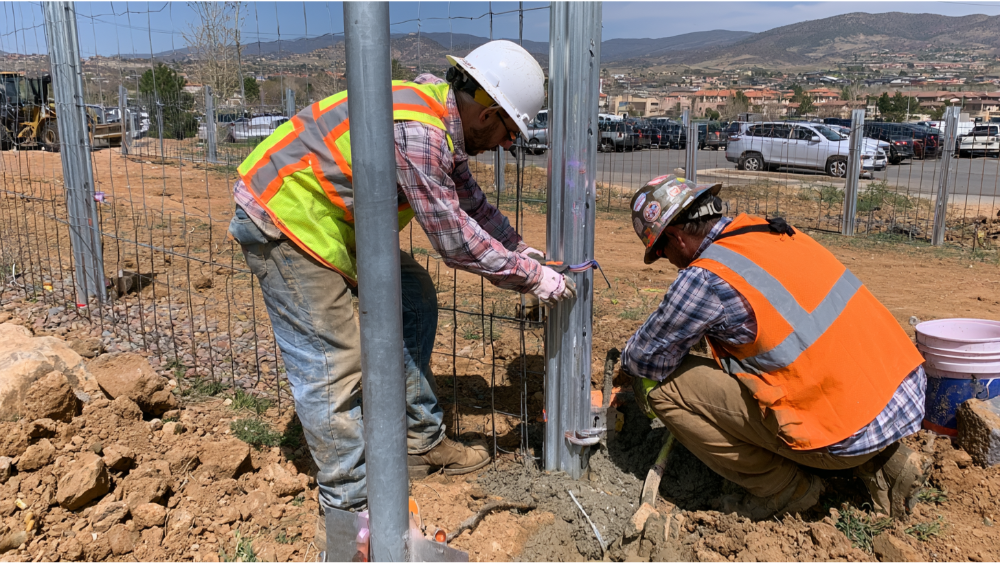
Understanding what foundations are used for metal fence posts is essential for anyone planning a durable fence system. When people ask what foundations are used for metal fence posts, the answer always comes back to one core idea: stability starts in the ground, not above it. Whether working with steel fence posts, metal fence posts, or mixed-material systems like wood fence, vinyl, or composite boards, the foundation determines how well the structure performs over time.
A fence that looks strong on the surface can still fail if the posts are not properly anchored in soil, cement, or engineered support systems. From residential yards to commercial security installations, the goal is always the same: create a solid base that keeps every post standing straight through shifting soil, moisture changes, and harsh weather conditions—something an experienced company like Inline Security Fence in the Seattle-Tacoma area focuses on with every project.
Why Metal Fence Post Foundations Matter
The Foundation Is What Keeps Fence Posts Stable
Fence posts carry the entire load of a fence system, including panels, rails, and gates. Steel fence posts and metal posts must remain firmly anchored in the ground to maintain alignment. Without a strong foundation, posts can lean, twist, or shift when soil moves or when wind pressure increases.
Concrete, cement, gravel, and compacted soil all play a role in keeping fence systems stable, but concrete remains the most reliable option for long-term strength.
Poor Foundations Lead to Fence Failure
When fence posts are installed incorrectly, problems develop over time. Loose gates, leaning fence lines, and misaligned panels are common signs of foundation failure. Steel posts can also develop rust when moisture collects around poorly installed concrete.
Metal fence posts that are not properly secured will gradually shift as soil shifts beneath them. Repairing these issues often costs more than proper installation from the start, so understanding typical fence repair cost in 2025 can help you budget for potential problems.
Different Fence Types Require Different Support Systems
Chain link fence, wood fence, vinyl fence, and steel fence systems all place different demands on posts. Tall fences require deeper post holes and more concrete to resist wind pressure. Gates add additional stress, especially on corner posts and end posts.
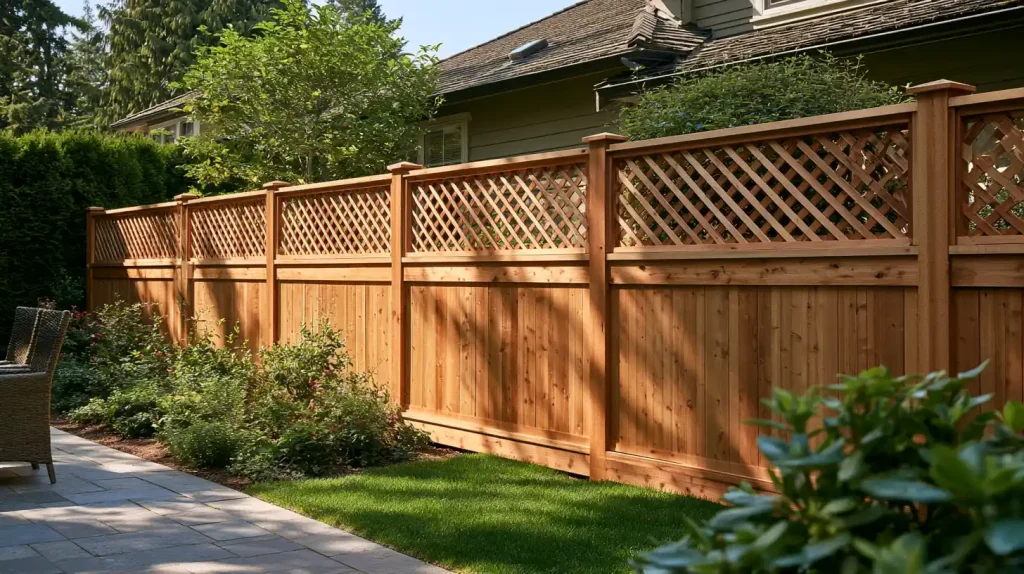
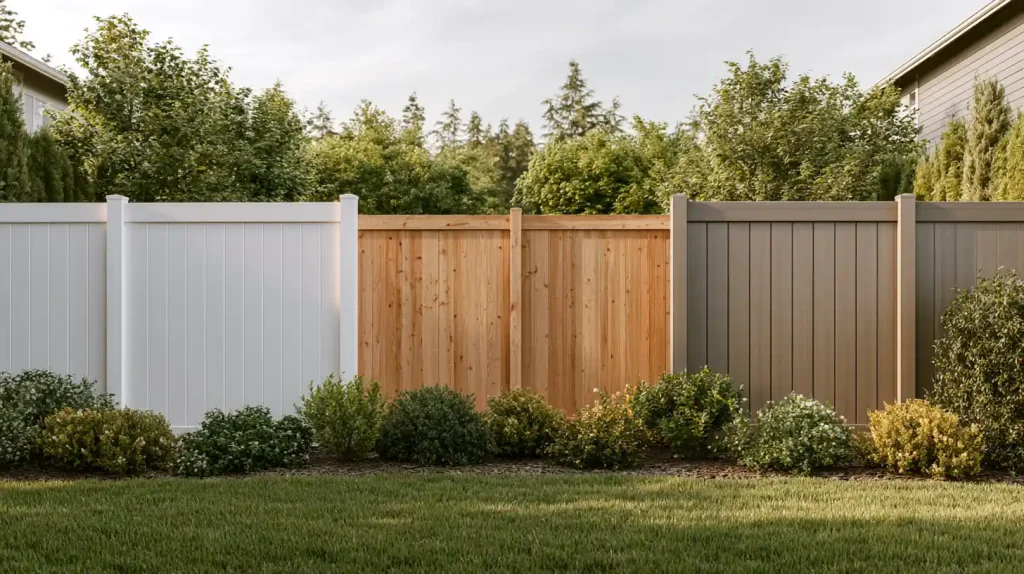
Wood posts, including cedar posts and pressure treated lumber, behave differently from steel fence posts or galvanized steel systems, but all require a properly prepared foundation. Composite boards and vinyl panels also depend on correctly set posts for long-term alignment, and many homeowners wonder whether vinyl fences should have concrete around the post to improve stability.
The Most Common Foundation for Metal Fence Posts: Concrete Footings
How Concrete Supports Fence Posts
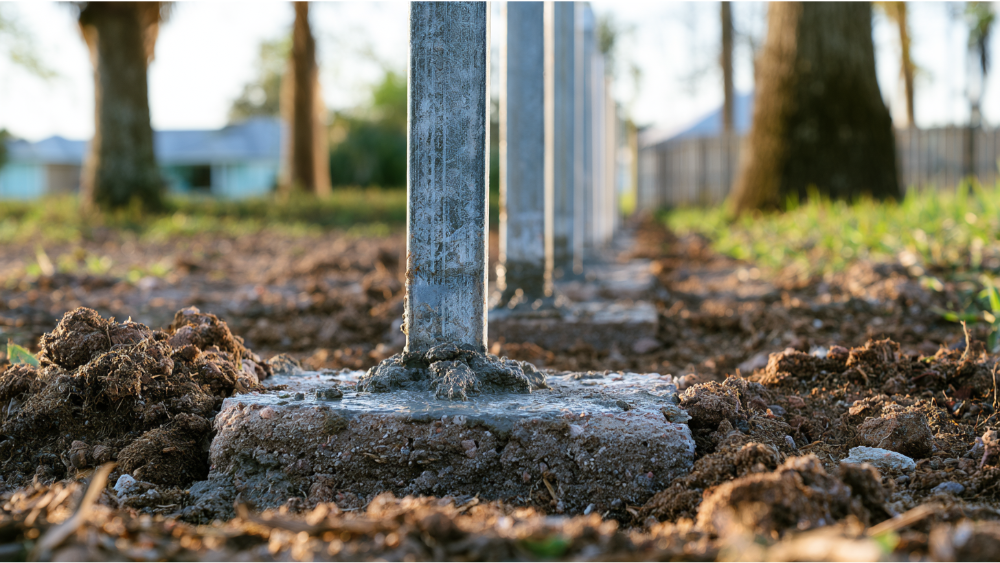
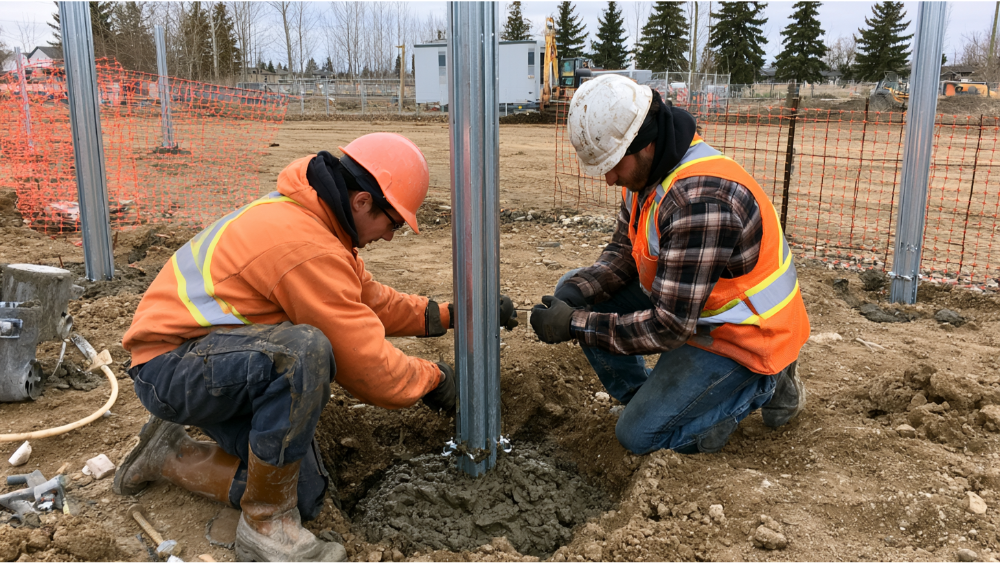
Concrete is the most widely used foundation method for fence posts. Installers dig post holes into the ground, position the steel posts, and then pour concrete around them. Once the concrete sets and cures, the posts remain locked in place.
This method creates a durable connection between the fence and the soil, preventing movement caused by wind, moisture, or shifting ground.
Why Concrete Is the Preferred Method
Concrete provides more strength than gravel or compacted soil alone. It helps metal fence posts remain stable in harsh weather and high wind areas. Galvanized steel posts are especially well suited for concrete installation because they resist corrosion while maintaining structural strength.
Cement creates a solid base that supports long-lasting fence performance in both residential and commercial environments.
When Concrete Is Required for Fence Stability
Tall fences, steel fence systems, and security fencing almost always require concrete foundations. Gates also require reinforced support because of constant movement and weight. Steel fence posts installed in concrete are far less likely to shift or fail over time.
Without concrete, fence systems lose alignment and durability.
Line Posts, Corner Posts, and Gate Posts
Line posts support straight sections of fence, while corner posts handle directional tension changes. Corner posts and gate posts require deeper and stronger foundations because they handle additional stress. Steel fence posts used at corners must remain secure even when fence tension increases across long runs.
How Deep Should Fence Posts Be Installed?
Depth Requirements for Stability
Proper depth is critical when installing fence posts. A common guideline is that at least one third of the post should be buried in the ground. This ensures stability against wind and shifting soil. Post holes must be deep enough to support both light residential fencing and heavy steel fence systems.
Soil Conditions and Frost Line Considerations
Soil type directly affects installation depth. Clay soil, sandy soil, and rocky soil all behave differently under pressure. In colder climates, installers must account for the frost line to prevent frost heave, which can push posts upward as the ground freezes and thaws, and all of these factors influence the overall cost of installing or replacing a fence.
Moisture in the soil can also cause instability if not properly managed with drainage materials like gravel or crushed rock.
Gate Posts Require Additional Depth
Gate posts experience constant movement and load stress. Steel fence posts used for gates must be installed deeper than standard line posts. Without proper depth and concrete support, gates can sag or become misaligned over time.
Gravel and Drainage in Fence Post Foundations
Why Gravel Improves Fence Performance
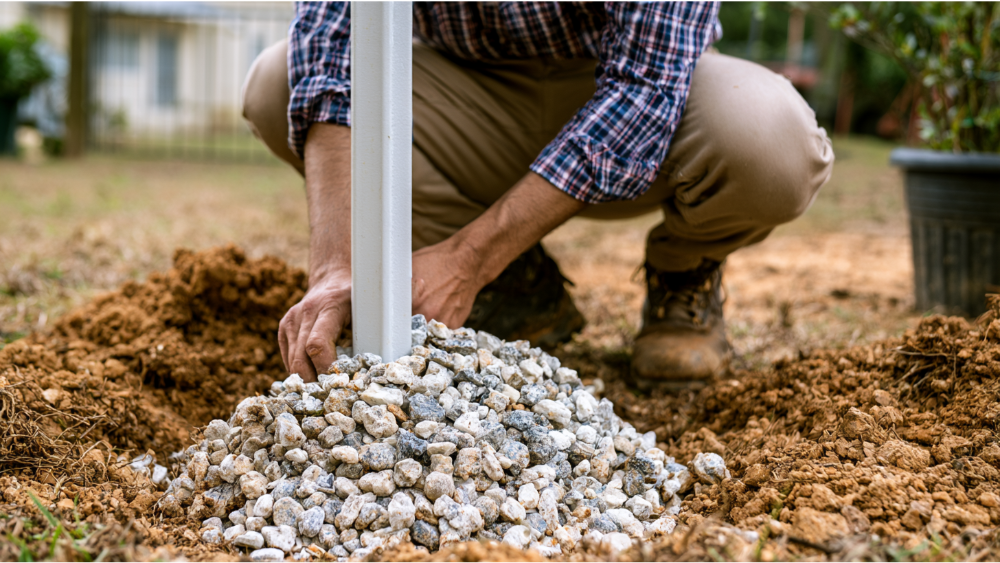
Gravel is often placed at the bottom of post holes to improve drainage. This helps prevent moisture from accumulating around steel posts, which reduces the risk of rust and long-term damage. Proper drainage is especially important in wet soil conditions.
Combining Gravel and Concrete
Many fence installations use both gravel and concrete. Gravel improves drainage while concrete provides strength and stability. This combination is commonly used for steel fence posts, metal posts, and security fencing systems.
Moisture Control and Soil Stability
Excess moisture weakens soil over time and can lead to shifting posts. Rot can also affect wood posts and cedar posts if water is not properly managed. Good drainage helps maintain a stable foundation and extends the life of the fence system.
Surface Mounted Fence Posts on Concrete
Installing Fence Posts Without Digging
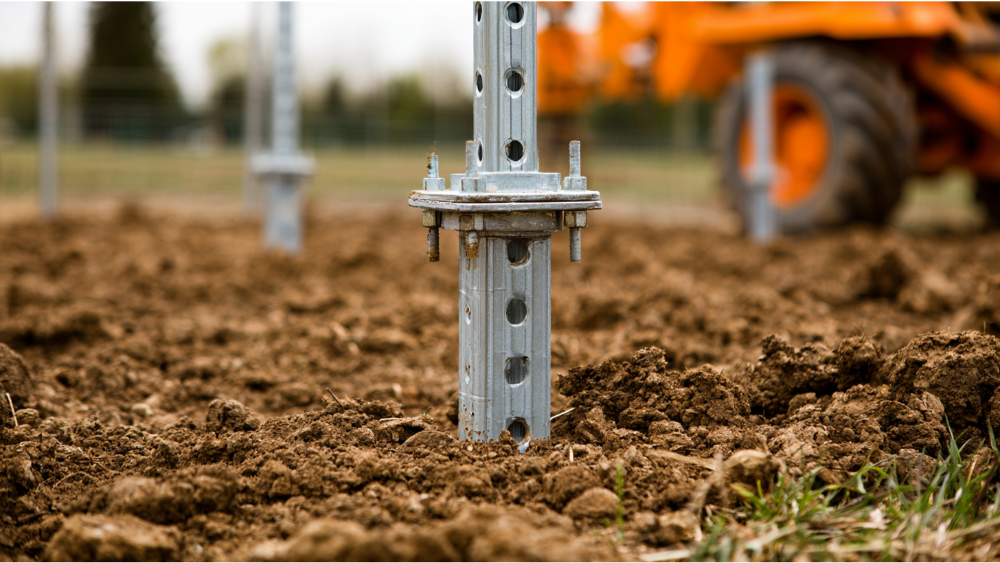
Surface mounting is used when fence posts are installed on existing concrete surfaces. Instead of digging post holes, steel posts are secured using a post anchor system with base plates and heavy-duty fasteners. This method is common in commercial installations where property owners often rely on trusted local fencing experts to design and install secure systems.
Where Surface Mounting Works Best
Surface mounted fence systems are often used in industrial sites, patios, and areas with existing concrete foundations or retaining wall structures. This method avoids excavation while still providing structural support.
Limitations of Surface Mounted Systems
Surface mounting depends entirely on the quality of the concrete. Weak or cracked concrete cannot support heavy fence loads. Tall fences and gate systems often require deeper installation methods instead of surface mounting alone.
Driven Fence Posts and Alternative Methods
How Driven Installation Works
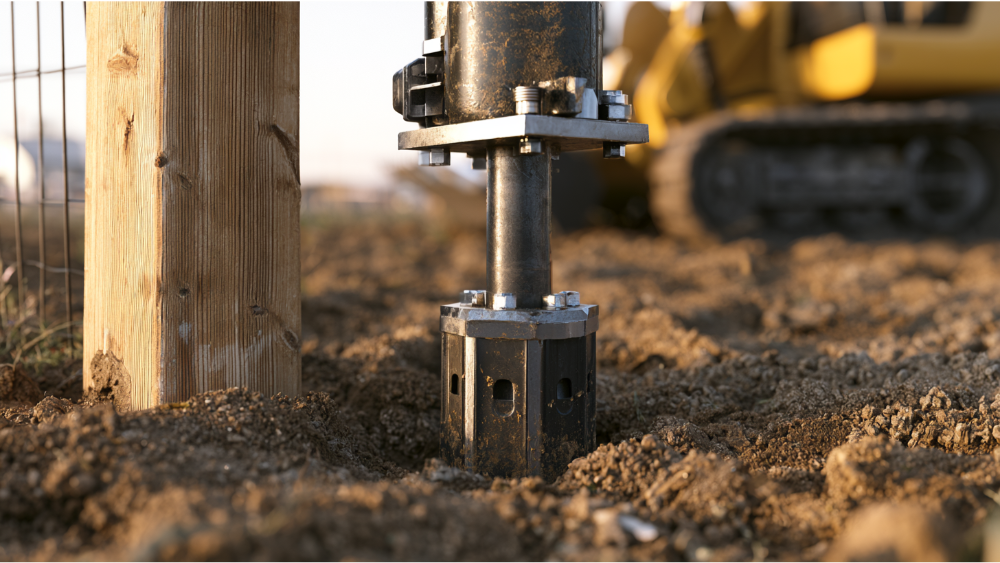
Driven fence posts are installed by mechanically pushing steel posts directly into the ground. This method eliminates the need for concrete and is faster than traditional installation, but long-term maintenance like painting and protecting a metal fence is still essential to prevent rust and extend its lifespan.
Suitable Applications for Driven Posts
Driven posts are commonly used in agricultural fencing and temporary fence systems. Wood fence systems may also use driven wooden posts in soft soil conditions. However, steel fence posts used in security fencing typically require more strength than this method provides, especially when paired with deterrent options like barbed wire fence for security and livestock control.
Limitations of Driven Fence Systems
Driven posts are not suitable for tall fences or heavy gate installations. Soil movement and shifting ground can reduce stability over time, making concrete or engineered foundations the better choice.
Engineered Foundations for Steel Fence Systems
Helical Piles and Advanced Anchoring Systems
Some fence systems require engineered foundations such as helical piles. These systems are designed for deep ground anchoring and provide additional strength in unstable soil conditions.
When Engineering Is Required
High security fencing, industrial sites, and tall fences often require engineered solutions. Steel fence posts in these environments must resist wind pressure, impact, and long-term structural load, making it important to work with installers who prioritize a legacy of durable, high-quality fencing solutions.
Strength and Reliability in Demanding Conditions
Engineered foundations provide more strength than standard concrete alone. They are used when soil conditions are poor or when fence systems must meet strict performance requirements.
Fence Materials and Post Foundation Requirements
Chain Link Fence Systems
Chain link fences rely heavily on steel fence posts set in concrete. The tension from fence fabric requires strong support from both line posts and corner posts.
Wood Fence Systems
Wood fence systems use wood posts, cedar posts, or pressure treated lumber. These materials require protection from moisture to prevent rot and decay over time, and in many cases deteriorated structures will eventually require full wood fence replacement.
Vinyl and Composite Fence Systems
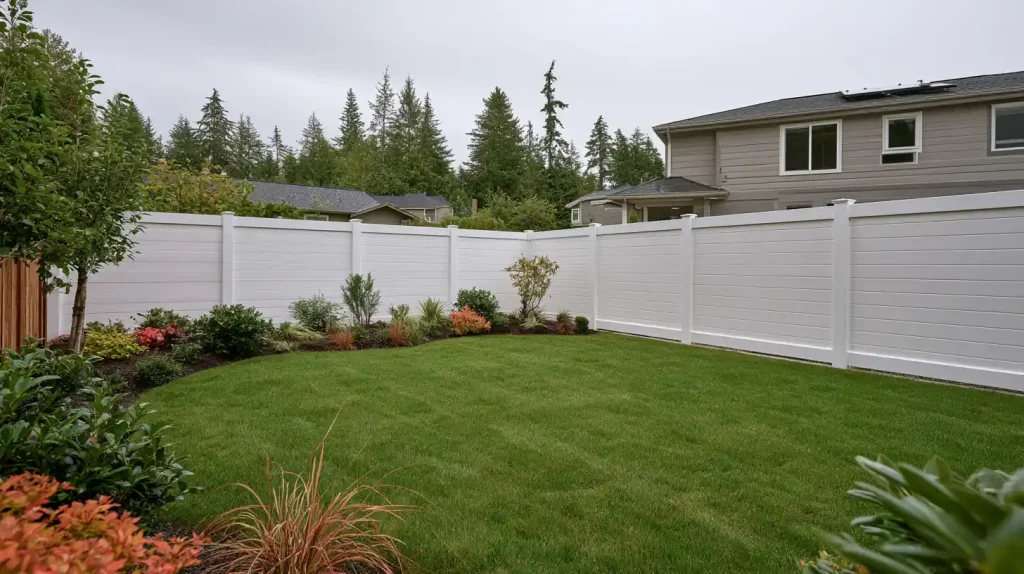
Vinyl fences and composite boards depend on properly anchored posts for alignment and stability. Even lightweight systems require solid foundations to remain secure, and comparing composite fencing versus vinyl fencing costs helps you choose the right material for your budget and site conditions.
Steel Fence Systems
Steel fence systems require the strongest foundations due to their weight and structural demands. Galvanized steel posts are commonly used for durability and corrosion resistance.
Soil, Weather, and Long Term Performance
Soil Movement and Shifting Conditions
Soil shifts can affect fence stability over time. Clay soil expands and contracts with moisture, while sandy soil may not hold posts as firmly.
Frost Heave and Cold Weather Effects
Frost heave occurs when water in the soil freezes and expands, pushing posts upward. Proper depth below the frost line prevents this issue.
Moisture, Drainage, and Durability
Moisture management is critical for long-term performance. Without proper drainage, steel posts and metal fence posts may degrade or shift.
Common Fence Installation Mistakes
Shallow Post Holes and Weak Foundations
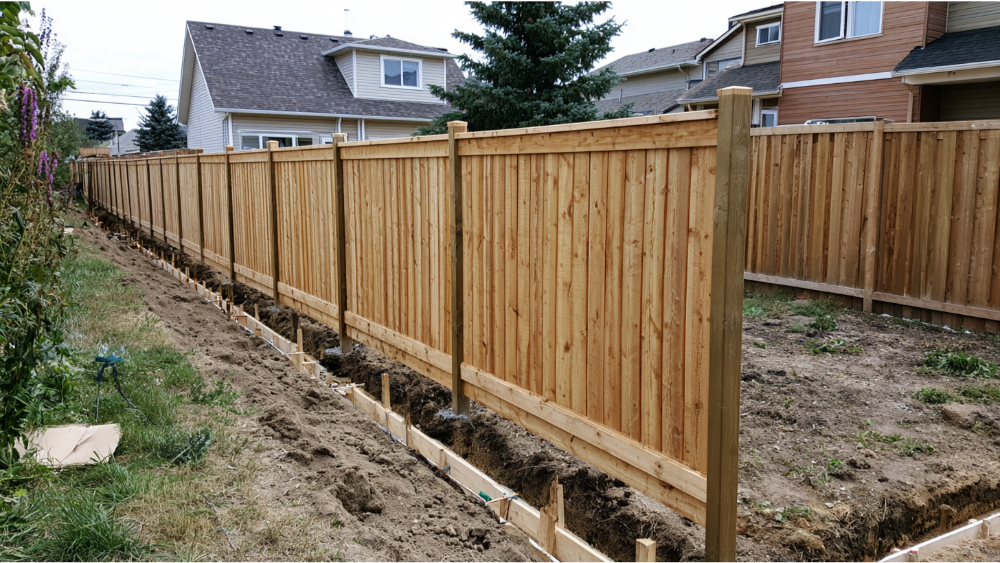
Shallow installation is one of the most common causes of fence failure. Posts must be installed at proper depth for stability.
Using Insufficient Concrete or Cement
Too little concrete reduces strength and allows movement over time. Proper cement use ensures long-lasting stability.
Ignoring Soil and Environmental Conditions
Every installation must account for soil type, moisture levels, and weather exposure. Ignoring these factors leads to premature failure.
Incorrect Gate Post Installation
Gate posts require stronger foundations than standard posts due to constant movement and weight.
Professional Fence Installation Approach
Planning and Site Evaluation
Proper installation begins with evaluating soil, layout, and fence requirements. This ensures the correct method is used for each project.
Installation Process and Tools
Installers dig post holes, set steel posts, and pour concrete to create a solid base. Cement sets and locks posts into position for long-term performance.
Long Term Fence Stability
A properly installed fence system remains sturdy, aligned, and durable for years. Steel fence posts, metal fence posts, and all supporting components rely on correct foundation work.
Frequently Asked Questions
What foundations are used for metal fence posts in different soil types?
Metal fence posts typically use concrete footings for stability, especially in clay or wet soils. Gravel can be added at the bottom of the hole to improve drainage. In well-draining sandy soils, compacted gravel alone may be a viable option.
How deep should metal fence posts be installed?
Posts should generally be buried at least one third of their length, with a minimum depth of 2 feet for residential fences. In colder climates, posts must be set below the frost line—often 3 to 4 feet deep—to prevent frost heave.
Is concrete always necessary for steel fence posts?
Concrete is the right choice for most steel fence posts, particularly for tall fences, gates, or areas with shifting soil. However, driven posts or dry setting with gravel can be alternatives in stable soil and for temporary fences.
Can metal fence posts be surface-mounted on existing concrete?
Yes, surface mounting uses metal base plates anchored to concrete slabs, ideal for patios or commercial properties where digging is not feasible. However, this method depends on the concrete’s strength and is less suitable for tall or heavy fences.
How does gravel help with fence post foundations?
Gravel at the bottom of post holes improves drainage, preventing water accumulation that causes rust and soil movement. It also reduces frost heave and protects the post base from moisture damage.
What are common mistakes to avoid when installing metal fence posts?
Avoid shallow post holes, lack of drainage layers, improper alignment before concrete cures, and flush concrete that traps water. Also, allow concrete to cure for 24-48 hours before applying force to ensure stability.
Conclusion
Choosing the right foundation for metal fence posts is crucial for a durable, stable fence that lasts. Concrete footings remain the most reliable and widely used method, providing strong support against wind, soil movement, and moisture. Proper post depth, drainage with gravel, and careful installation practices help prevent common problems like rust, leaning, and frost heave. While alternative methods like driven posts or surface mounting have their place, concrete foundations are generally the best choice for long-term performance. By understanding these key factors and avoiding installation mistakes, you can ensure your metal fence stands strong and maintains its style and function for years to come.