Understanding what factors affect custom fence installation timelines is essential for planning any fencing project with realistic expectations. A fence installation is not a single-step job; it is a comprehensive process that includes planning, site visit evaluation, material selection, permitting, site preparation, post installation, installation phase work, and final inspection. Every fence installation project is different because several factors influence installation time, including soil conditions, weather conditions, property lines, and fence type.
At Inline Security Fence, every fence installation is designed around efficient practices that prioritize durability, security, and long-term performance. Whether the project involves residential installations or commercial fencing, knowing how long fence installation takes helps property owners prepare properly and avoid delays that can affect the entire process.
Why Custom Fence Projects Require More Planning Than Standard Fence Installation
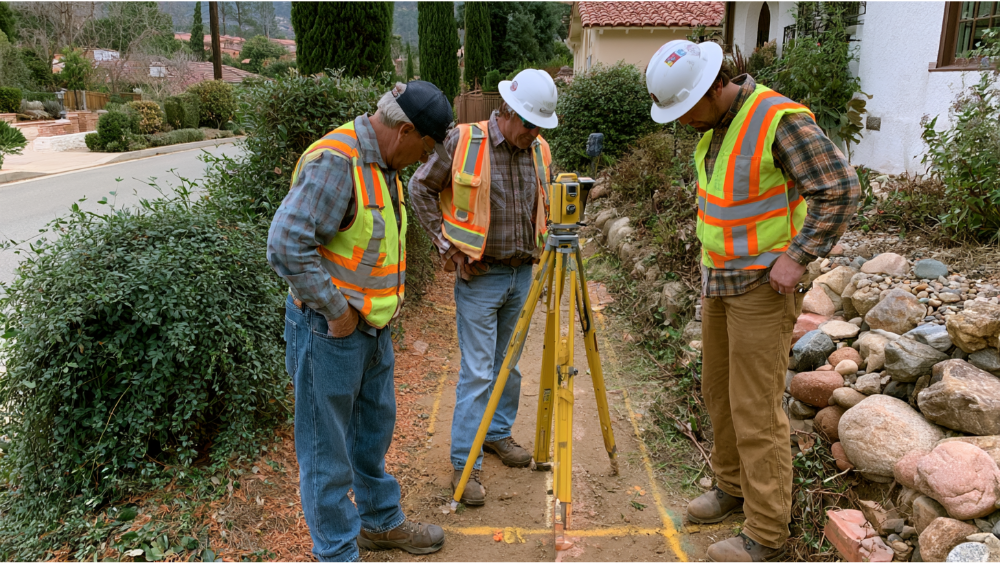
Custom fence installation requires significantly more planning than standard fence installation because no two properties are the same. The installation process must account for property boundaries, installation requirements, and design complexity before installation begins. A straightforward project may move quickly, while complex projects require additional preparation and coordination.
Custom Fencing Is Built Around Your Property
Every fence installation begins with accurate property lines and boundaries. These must be confirmed before installation to prevent issues during the process. Larger properties naturally require more installation time because fence length, layout complexity, and terrain variations increase the scope of work.
Custom designs also increase installation time because they require more planning and precise execution during installation. This affects the timeline from the earliest planning stages through completion.
Security, Durability, and Appearance All Affect Installation Time
The fence material chosen plays a major role in determining installation time. Wood fences, chain link systems, steel fences, and wrought iron designs all have different installation requirements. Chain link installation is often faster than wood or steel fences, but even chain link installation can vary depending on fence height, fence line layout, and property conditions.
Commercial fencing projects often take longer because they include reinforced fence posts, multiple gates, and security features that require precise alignment during installation.
A Realistic Timeline Starts with a Proper Site Visit
A site visit is one of the most important steps in the fence installation process. During this phase, contractors evaluate soil conditions, underground utilities, property lines, and site conditions. This step helps prevent delays by identifying potential issues early.
Without a proper site visit, unexpected problems such as rocky soil, tree roots, or uneven terrain can delay post installation and increase overall installation time.
Fence Material Selection and Its Impact on Installation Time
Fence material selection is a key factor that directly affects timeline expectations. Each fence material requires different installation steps, preparation methods, and requirements, and it also directly influences the overall cost of fencing for the project.
Wood Fences and Installation Time
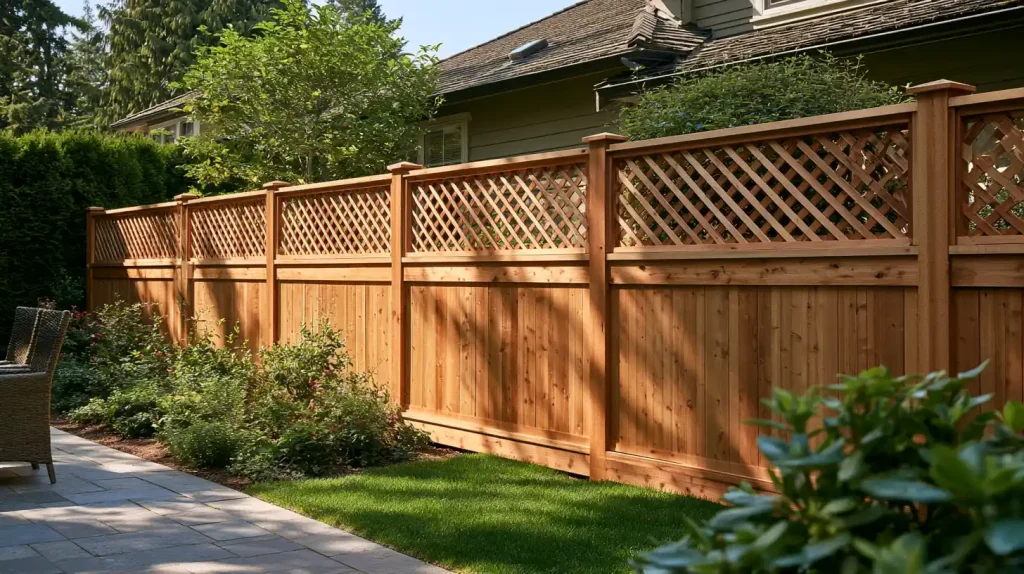
Wood fences are common in residential installations and require careful post installation, digging post holes, and installing panels with precise alignment. Installation time for wood fences can vary depending on soil conditions, fence height, and layout complexity, and some projects may even involve full wood fence replacement when existing structures are beyond repair.
Custom wood fences may require additional preparation, increasing installation time and extending the overall timeline.
Chain Link Fencing and Installation Time
Chain link fencing is widely used in both residential and commercial projects. Chain link installation is often more efficient because materials are standardized and easier to install, and understanding chain link fence cost per foot can help set realistic expectations for both budget and timeline.
However, installation time can increase when dealing with uneven terrain, multiple gates, or long fence line layouts that require more posts and post holes.
Steel Fences and Wrought Iron Installation Time
Steel fences and wrought iron systems require custom fabrication before installation begins. Material availability and production timelines can directly impact installation time.
These fence types also require precise alignment during installation, increasing installation requirements and extending the process.
Vinyl and Specialty Fence Material Installation Time
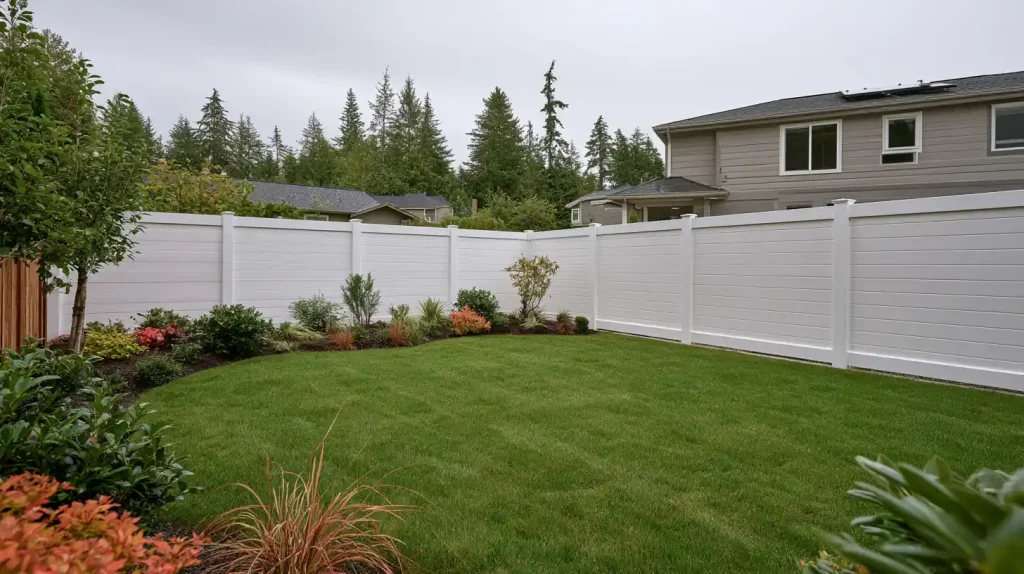
Vinyl fences often use pre-fabricated panels, which can speed up installation once it begins. However, specialty materials or custom colors can delay material availability and extend the time before installation starts.
Even with pre-fabricated panels, accurate post installation and alignment along the fence line remain essential for successful installation.
Gates and Hardware Impact on Installation Time
Multiple gates, custom gate placement, and automated access systems significantly increase installation time. Gate placement must align perfectly with property lines and fence layout, requiring additional planning and precision during installation.
Project Size and Layout Complexity
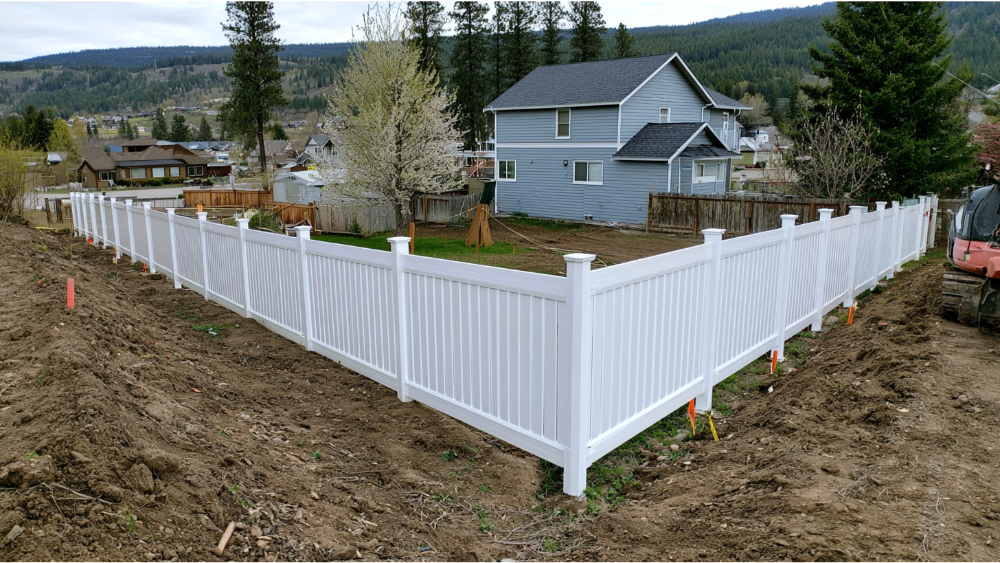
The size of a fencing project directly affects installation time and overall timeline expectations. Larger properties naturally require more work, including more fence posts, post holes, and labor.
Fence Length and Installation Time
Fence length determines how many materials are required and how long installation will take. Longer fence lines increase installation time and require more coordination.
Corners, Slopes, and Uneven Terrain
Uneven terrain, rocky soil, tree roots, and slopes can slow down digging post holes and post installation. These soil conditions often require specialized tools and additional preparation, increasing installation time.
Residential Layouts and Installation Complexity
Residential installations with multiple sections require more planning and coordination. Each fence line must be measured and aligned carefully to ensure proper installation and long-term stability.
Commercial Fencing and Installation Requirements
Commercial fencing projects often involve strict building codes, higher fence height requirements, and enhanced security features. These factors increase installation requirements and extend installation time significantly, especially for businesses in areas like Marysville that rely on commercial fence contractors for secure, code-compliant solutions.
Site Conditions and Their Effect on Fence Installation
Site conditions are crucial factors influencing installation time and project success. Soil conditions, access limitations, and existing structures all affect the installation process.
Rocky Soil, Tree Roots, and Uneven Ground
Rocky soil and tree roots make digging post holes more difficult and time-consuming. Specialized tools may be required, increasing installation time and slowing post installation.
Removing Existing Structures Before Installation
Existing fences or structures often need removal before installation begins. This additional preparation adds installation time and can delay the overall process.
Tight Spaces and Limited Access
Tight spaces and limited access areas make transporting materials and installing fence posts more difficult. This increases installation time and can slow down the entire process.
Drainage and Soil Stability Issues
Poor drainage and unstable soil conditions may require additional site preparation before installation begins. This increases installation time and can delay the installation phase.
Permits, Codes, and Property Requirements
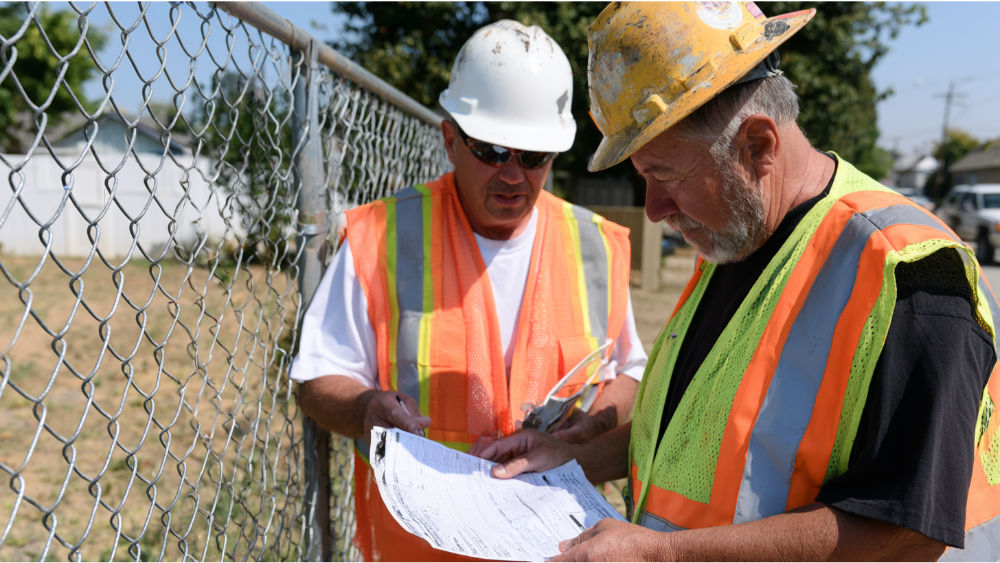
Local regulations and building codes play an important role in fence installation projects. These requirements often influence timeline expectations.
Fence Height and Local Regulations
Fence height restrictions vary by location and must be reviewed before installation begins. Higher fences may require additional approvals, which can delay installation.
Property Lines and Boundary Verification
Accurate property lines must be confirmed before installation begins. Any uncertainty regarding boundaries can delay installation and increase planning time.
Commercial Fencing Compliance Requirements
Commercial fencing projects must comply with strict building codes and safety regulations. These requirements increase planning time and extend installation time.
Utility Locating Before Digging Post Holes
Before digging post holes, underground utilities must be identified and marked. This is a required step to prevent safety hazards and delays.
Importance of Underground Utilities
Underground utilities such as gas, water, and electrical lines must be marked before installation begins to ensure safe post installation and prevent costly damage.
Scheduling Utility Marking
Utility marking must be scheduled before installation begins, which can add time to the timeline.
Why Skipping Utility Marking Causes Delays
Skipping this step can result in serious delays, damage, and increased installation costs during the process.
Weather Conditions and Seasonal Impact on Installation Time
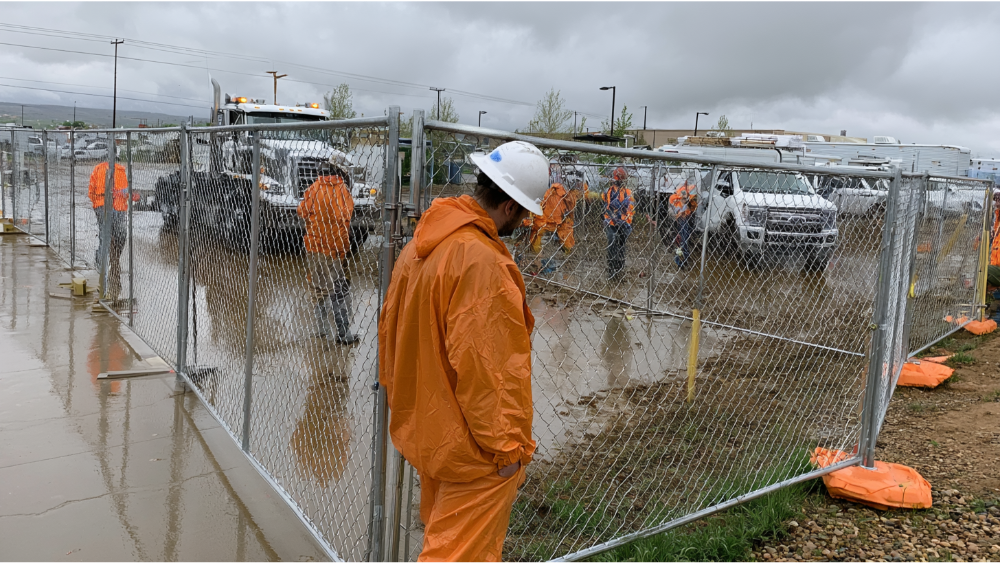
Weather conditions significantly affect installation time and scheduling.
Heavy Rain and Soil Saturation
Heavy rain can delay post installation and make digging post holes more difficult due to saturated soil.
Freezing Temperatures and Wind
Freezing temperatures and strong winds can delay installation and affect concrete curing during post installation.
Seasonal Demand and Scheduling Delays
High seasonal demand can extend scheduling times, delaying when installation begins.
Custom Fabrication and Special Features
Custom fencing projects require additional fabrication and planning, increasing installation time.
Custom Gates and Alignment Requirements
Custom gates require precise alignment and additional installation steps, increasing installation time.
Security Upgrades and Commercial Fencing
Security features and commercial fencing requirements often involve reinforced materials and additional installation complexity, especially for companies that maintain a long-standing legacy of excellence in fencing.
Decorative and Welded Components
Welded steel fences and decorative designs require fabrication before installation, extending overall timelines.
HOA Approvals, Neighbor Coordination, and Property Boundaries
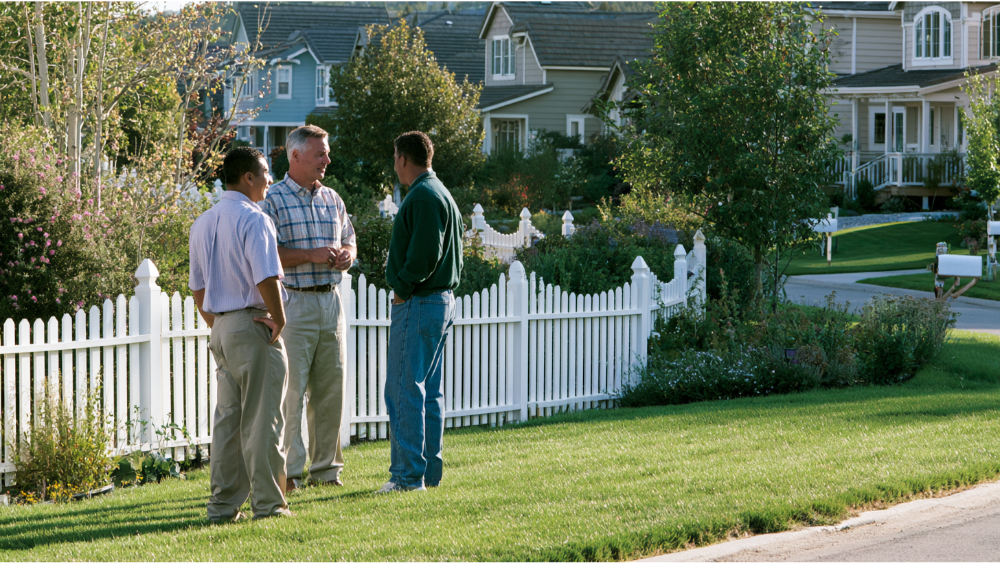
Approval processes can influence installation timelines and sometimes delay installation.
HOA Approval Requirements
HOA approval is often required before installation begins, which can affect scheduling.
Shared Property Boundaries
Shared fence lines require coordination between neighbors before installation can proceed.
Early Documentation Preparation
Preparing documentation early helps ensure the installation process begins without delays.
Material Availability and Lead Times
Material availability directly impacts installation timelines and scheduling.
Standard Materials Versus Specialty Orders
Standard fence materials are typically available quickly, while specialty materials may require longer lead times before installation.
Custom Finishes and Hardware
Powder coating, specialty finishes, and custom hardware can extend production time and delay installation.
Planning Ahead to Avoid Delays
Early material selection helps ensure a smoother installation process and reduces delays.
Crew Scheduling and Contractor Availability
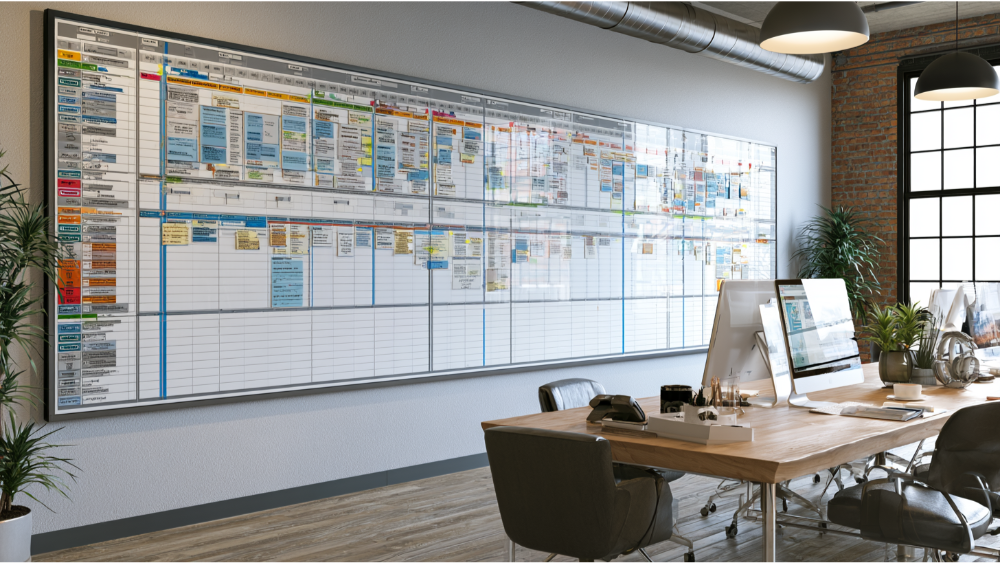
Even when materials and planning are ready, scheduling affects when installation begins.
Seasonal Demand and Scheduling Pressure
High demand seasons can extend wait times for installation.
Fence Company Scheduling Practices
A professional fence company manages scheduling carefully to maintain quality and efficiency.
Communication and Installation Efficiency
Clear communication helps keep the installation process efficient and reduces scheduling conflicts.
How to Keep Fence Installation on Schedule
Proper preparation helps ensure a smoother timeline and reduces delays.
Schedule Estimates Early
Early scheduling helps secure installation dates and improves planning efficiency.
Confirm Property Lines Before Installation
Accurate property lines prevent delays during layout and installation.
Finalize Fence Material Early
Early material selection improves planning and reduces delays.
Complete Approvals Before Installation Begins
HOA and permit approvals should be completed before installation begins.
Work with Experienced Local Installers
Experienced contractors understand soil conditions, weather patterns, and installation requirements that affect timelines.
What to Expect From a Professional Fence Installation Company
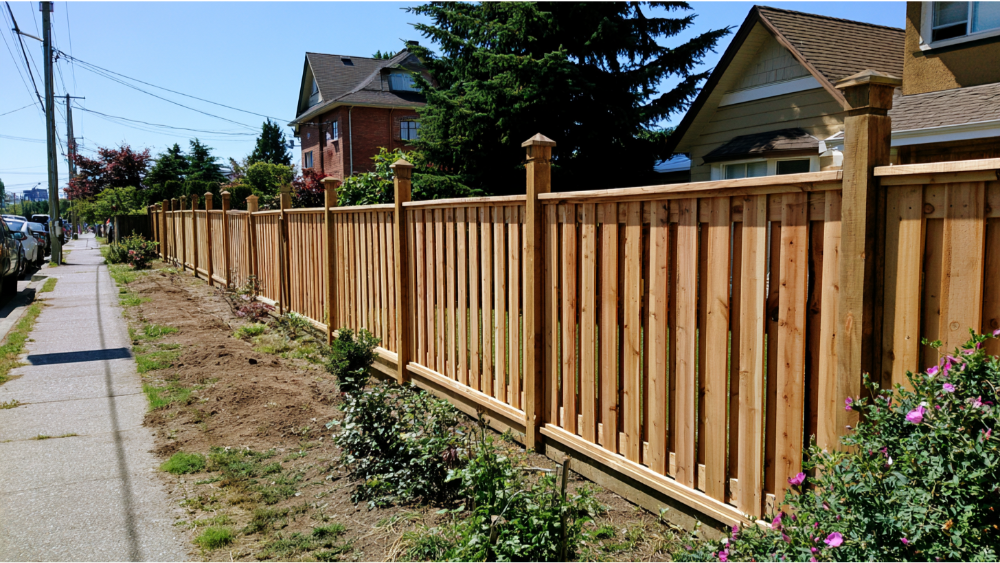
Working with an experienced fence company ensures better control over timelines and quality.
Site Visit and Planning
A site visit ensures proper planning before installation begins.
Clear Communication Throughout the Installation Process
Clear communication ensures realistic expectations for installation time.
Professional Installation and Long-Term Durability
High-quality installation ensures long-lasting results.
Residential and Commercial Fencing Solutions
From residential installations to commercial fencing, every project is tailored to meet specific needs, continuing a trusted tradition of quality fencing for local property owners.
Frequently Asked Questions (FAQs)
How long does fence installation typically take?
Fence installation time varies based on factors such as material type, project size, and site conditions. On average, professional installations take between 2 to 5 days, with simpler fences like chain link often completed within 1 to 2 days.
What are common factors that affect fence installation timelines?
Key factors include soil and terrain conditions, weather, permit approvals, fence material, project size, and custom work requirements. Delays often occur due to rocky soil, adverse weather, or permit processing times.
Can weather delay fence installation?
Yes, heavy rain, snow, and freezing temperatures can delay fence installation by making ground work difficult and affecting concrete curing. Most contractors build weather flexibility into their timelines.
How does the choice of fence material impact installation time?
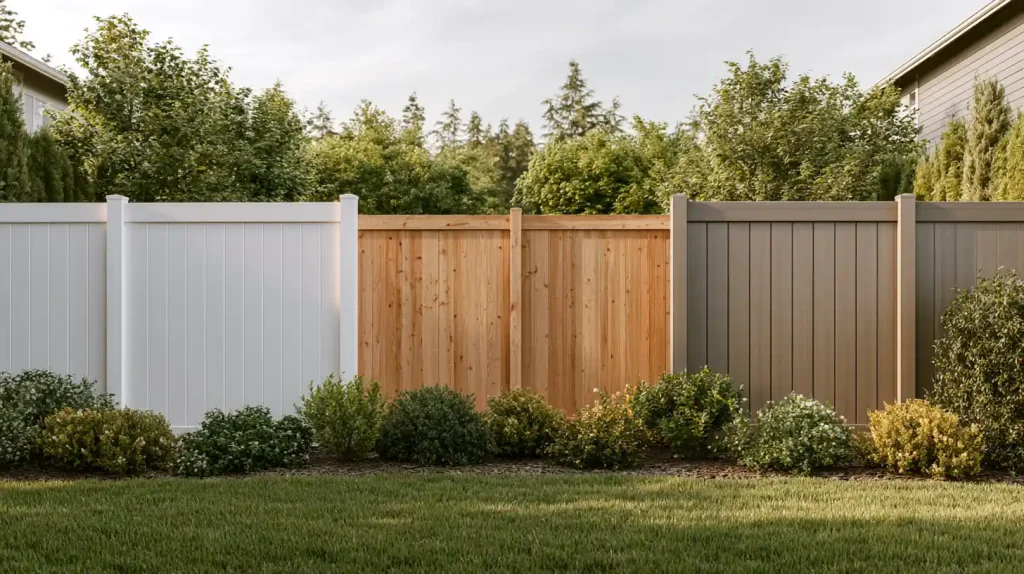
Materials like vinyl and chain link fences usually install faster due to pre-fabricated panels and simpler assembly, while wood, steel, and custom fences require more time for precise alignment and installation.
Do I need a permit for fence installation?
Permit requirements vary by location and fence height. For example, fences over 6 feet tall in Seattle require permits, which can take 1 to 2 weeks or longer to obtain. Professional installers typically handle the permit process.
How can I help ensure my fence installation stays on schedule?
Preparing your property by clearing debris, confirming property lines, finalizing material choices early, and working with experienced professionals can help minimize potential delays and keep your project moving forward smoothly.
Conclusion
Understanding what factors affect custom fence installation timelines is crucial for a successful fencing project. From selecting the right materials and navigating permits to accounting for soil conditions and weather, each element plays a vital role in determining how long does fence installation take. Efficient fence installation relies on thorough planning, professional expertise, and clear communication to avoid potential delays. By preparing your property and working with experienced installers, you can ensure your new fence enhances your property’s security and curb appeal while keeping the project on schedule.