What Features Improve Security Fence Effectiveness?
A security fence is often misunderstood as simply a tall structure, but true effectiveness comes from layered protection. A basic fence can mark property boundaries, but only a well designed security fence becomes a meaningful deterrent against unauthorized access.
Read More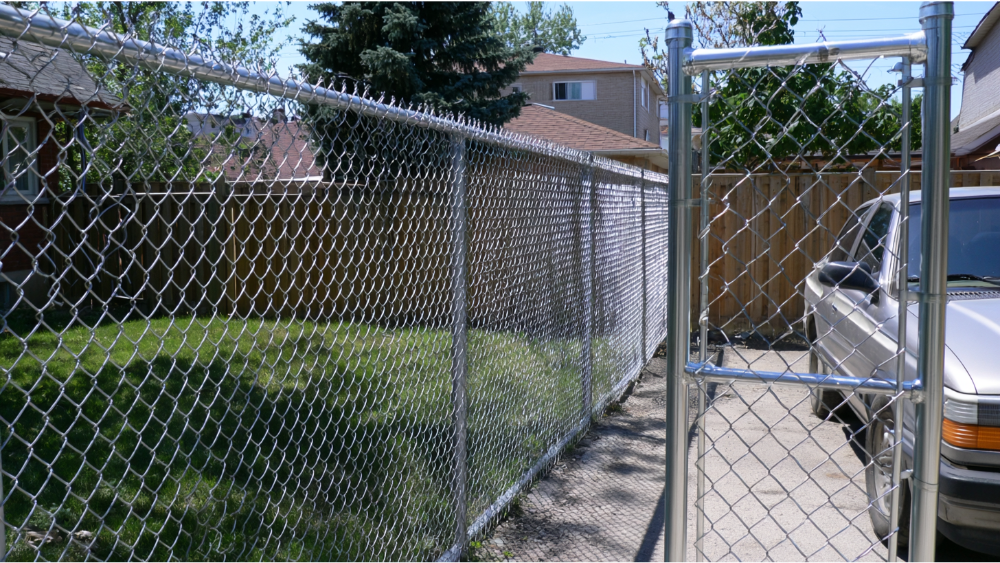
What Gauge Wire Is Used for Residential Chain Link Fencing?
Most residential chain link fence systems are made from galvanized steel wire with a zinc coating to resist rust and corrosion. In some cases, vinyl coating is added over galvanized wire to improve appearance and protection. Even with coating, the core wire determines strength, not the outer finish.
Read More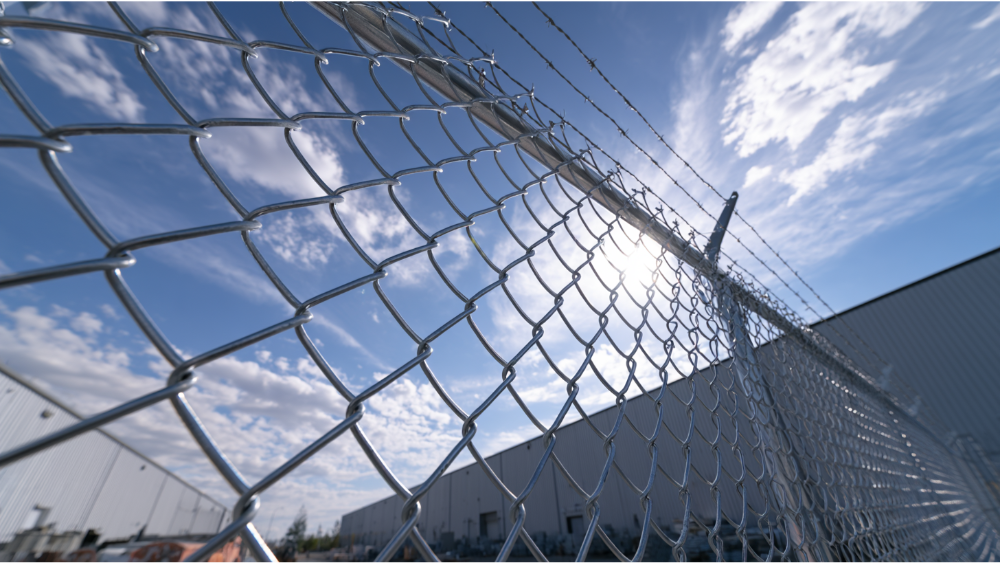
What Height Options Are Available for Chain Link Fencing?
Chain link fence heights are manufactured in standard increments to ensure fence fabric, posts, and fittings can be matched efficiently. Most chain link fence systems are available in heights ranging from 3 feet to 12 feet and beyond, depending on commercial and industrial requirements.
Read More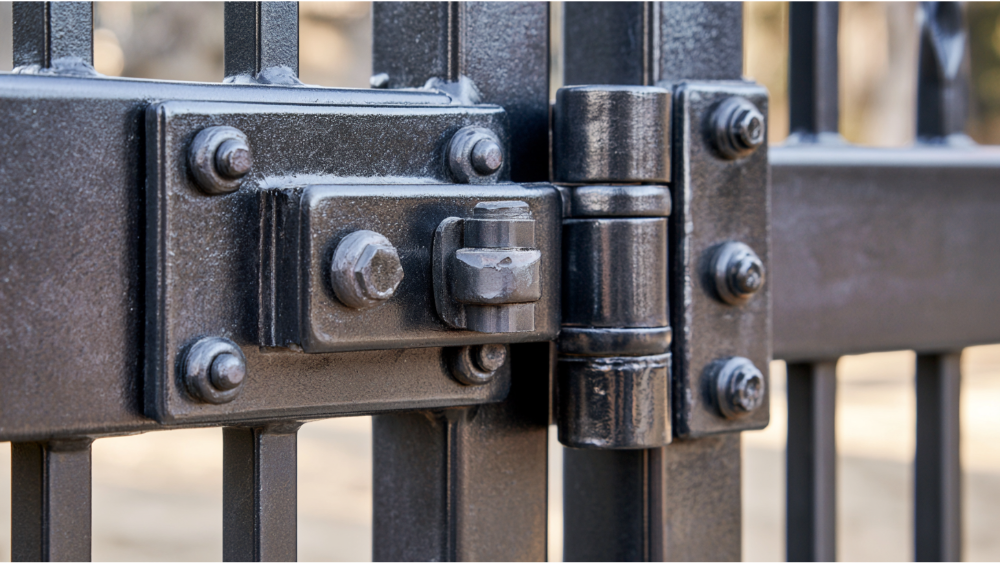
What Hinges Are Used for Heavy Fence Gates?
Heavy-duty gate hinges are essential because a heavy gate places constant stress on the hinge system. Without properly rated gate hinges, sagging occurs quickly, leading to misalignment, dragging, and long-term structural damage.
Read More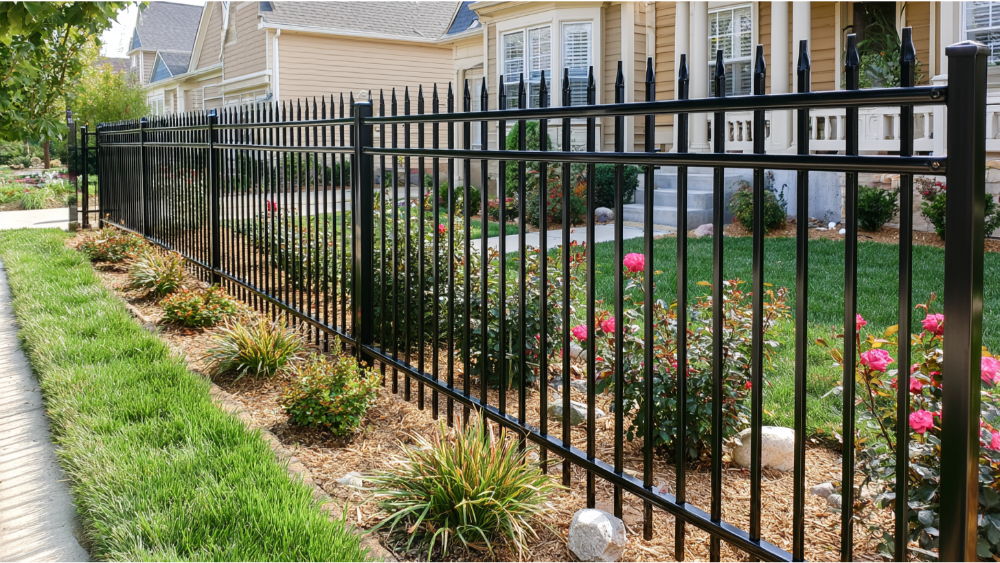
What Maintenance Is Required After Ornamental Fence Installation?
Every fence line is exposed to environmental stress such as heavy rain, high winds, sun damage, soil erosion, and moisture buildup. Even low-maintenance vinyl or chain link fences benefit from regular maintenance to preserve structural integrity and curb appeal.
Read More
What Materials Are Commonly Used for Custom Fencing?
Wood fencing remains one of the most widely used fencing materials for residential properties because of its natural appearance and versatility. Many homeowners choose wood fencing because it delivers privacy, warmth, and strong curb appeal. It blends naturally into outdoor spaces and works well in a wide range of fencing styles, including traditional and decorative designs.
Read More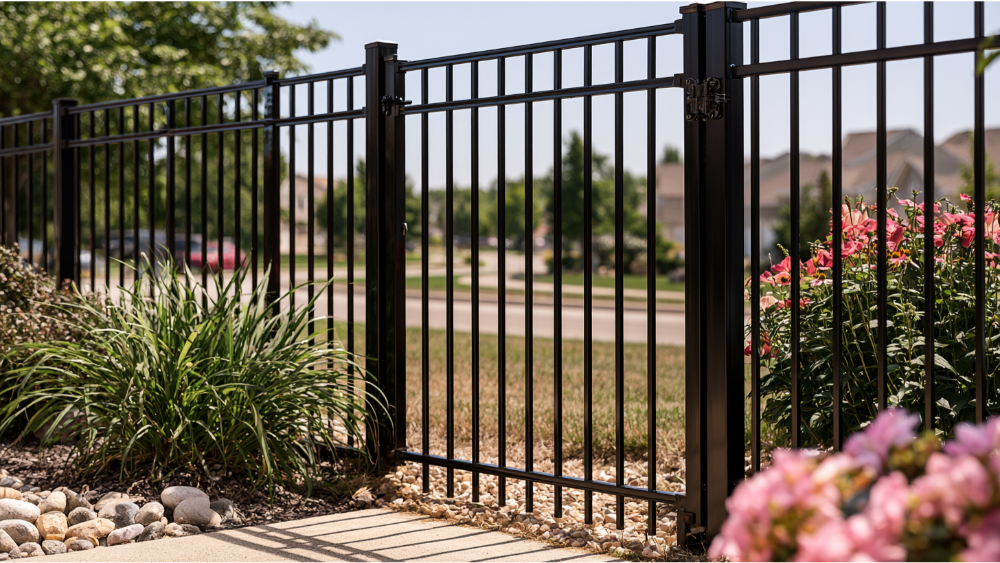
What Clearance is Required for Proper Gate Installation?
Gate clearance refers to the controlled space around a gate that allows it to open, close, and move without obstruction. It includes spacing between gate posts, ground level, hinges, latch components, and surrounding fence structures. Without correct clearance, even a high-quality gate will fail to operate properly.
Read More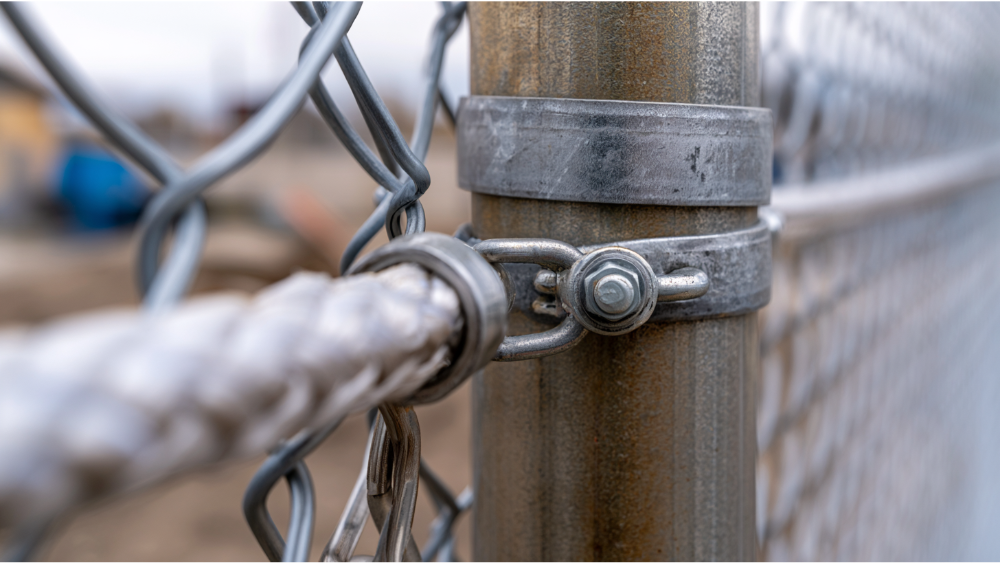
How Do Installers Secure Chain Link Fencing to Metal Posts?
Each part plays a specific role in maintaining stability across the fence line. The chain link fabric provides the barrier, but the fence posts carry the structural load. Without properly installed posts and hardware, the chain link fence cannot withstand tension or wind load over time.
Read More
How Far Apart Should Posts Be for Wrought Iron Fencing?
The standard fence post spacing for wrought iron fencing is generally 6 to 8 feet on-center. This measurement means from the center of one post to the center of the next, ensuring proper alignment and load distribution. This standard spacing aligns with common practices in the industry and helps maintain fence stability.
Read More
What Coatings Protect Wrought Iron Fences from Corrosion?
Rust begins forming when a metal fence is exposed to moisture. High humidity accelerates rust formation, especially on a wrought iron fence lacking a proper protective coating. When water sits on the metal surface, corrosion begins to develop and spreads across the iron fence.
Read More