Understanding What Gauge Wire Is Used for Residential Chain Link Fencing
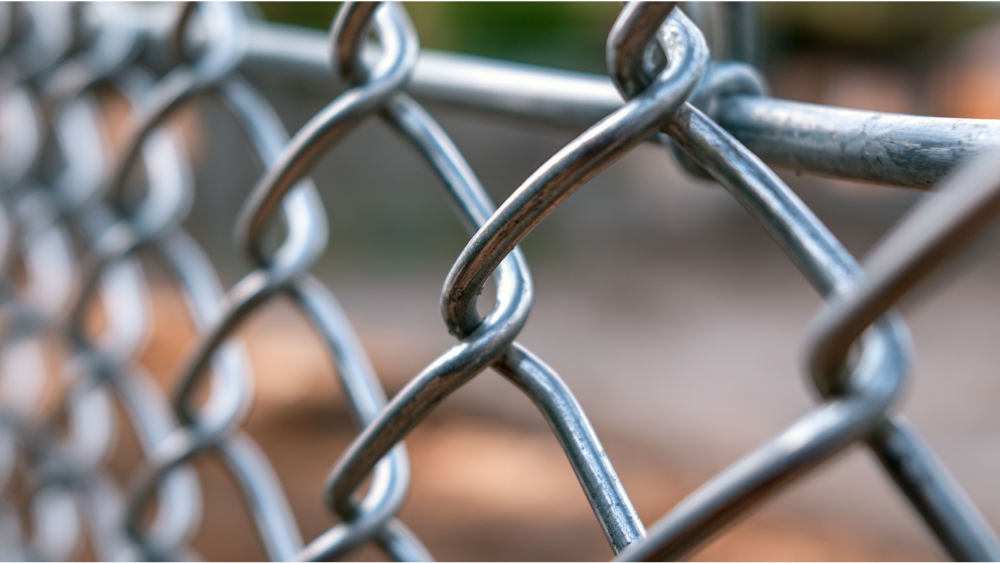
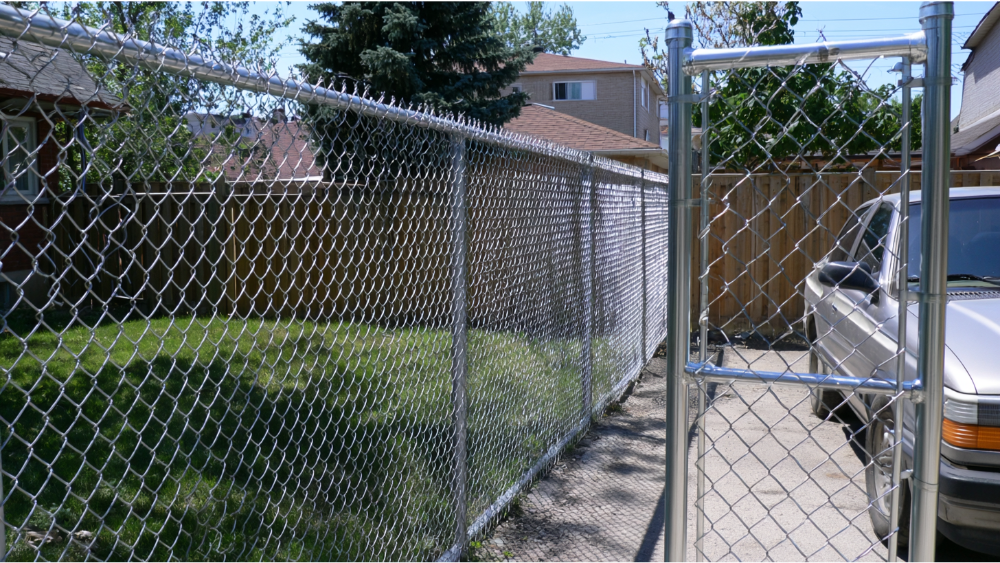
When homeowners ask what gauge wire is used for residential chain link fencing, they are typically trying to understand how strong a chain link fence will be before committing to installation. A chain link fence is made up of interwoven steel wire that forms a diamond pattern called chain link fabric. This fabric is rolled into sections and installed to create a secure boundary for residential properties, light commercial sites, and even high-security applications depending on specifications.
The thickness of the steel wire is measured using a gauge number system. The gauge number is one of the most important factors in determining overall fence performance because it directly impacts wire thickness, durability, and how much steel is used. Lower gauge numbers mean thicker wire, while higher gauge numbers mean thinner wire.
Most residential chain link fence systems are made from galvanized steel wire with a zinc coating to resist rust and corrosion. In some cases, vinyl coating is added over galvanized wire to improve appearance and protection. Even with coating, the core wire determines strength, not the outer finish.
Quick Answer for Residential Chain Link Fence Wire Gauge
The most commonly used chain link fence wire options for residential applications include:
- 11.5 gauge chain link fabric for light duty use
- 11 gauge chain link fabric for standard residential fencing
- 9 gauge chain link fabric for heavy duty residential and security-focused installations
For most homeowners, 11 gauge chain link fence is the most balanced option. It provides a strong combination of durability, security, and cost efficiency without moving into heavier commercial applications.
Ultimately, the phrase “what gauge wire is used for residential chain link fencing” depends on how the fence will be used, but 11 gauge remains the most commonly recommended answer in the industry.
What Wire Gauge Means in a Chain Link Fence System
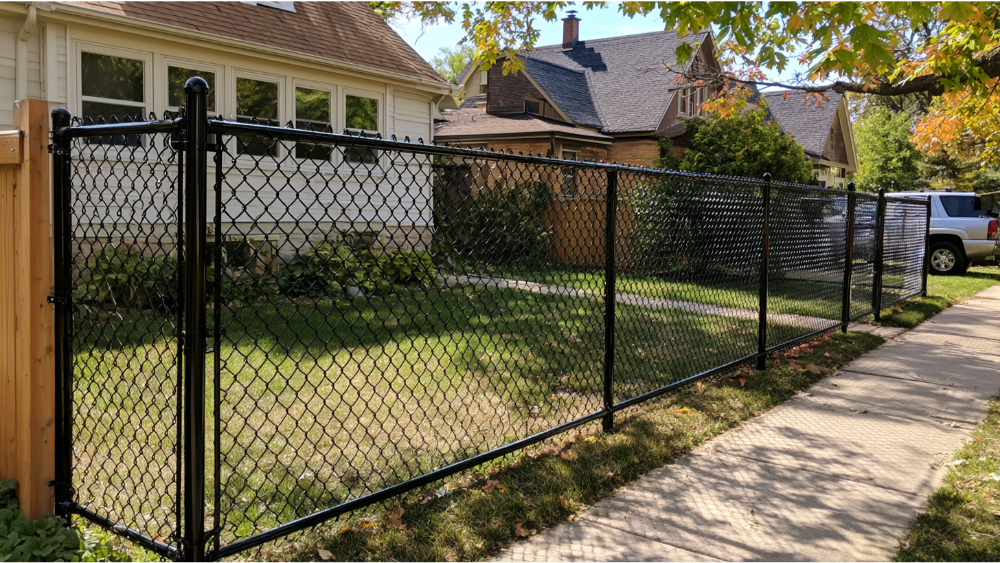
Gauge Number, Wire Thickness, and Steel Content
A gauge number measures wire thickness. In chain link fence systems, steel wire is woven into a diamond pattern forming the mesh structure, also called chain link fabric or link fencing depending on regional terminology.
A lower gauge number means thicker wire and more steel content. For example, 9 gauge wire is thicker than 11 gauge wire, and 11 gauge is thicker than 11.5 gauge. The difference in wire thickness creates a significant difference in durability, security, and long-term performance.
The wire wall thickness relates directly to how much steel is used in manufacturing. More steel generally means greater durability and resistance to impact, bending, and wear.
Why Gauge Matters in Residential and Commercial Applications
Wire gauge affects:
- Durability of the fence fabric
- Security performance
- Weight of the chain link fabric roll
- Resistance to rust when paired with galvanized wire and zinc coating
- Long-term maintenance and repair needs
In residential applications, homeowners typically prioritize a balance of cost and strength. In commercial and high-security applications, thicker gauges are often required for increased strength and resistance.
Common Residential Chain Link Fence Wire Gauges
11.5 Gauge Chain Link Fence Fabric
11.5 gauge chain link fabric is a lighter option. It uses thinner wire with less steel content, making it more affordable and easier to install. It is often used for temporary fencing or low-impact residential boundaries where security is not the primary concern.
This thinner wire is typically galvanized and may include vinyl coating depending on the desired finish. However, due to reduced steel content, it is less durable under stress compared to heavier gauges.
11 Gauge Chain Link Fence Fabric
11 gauge chain link fence fabric is the most common choice for residential chain link fence systems, and many homeowners also compare chain link fence cost per foot when deciding which gauge to use. It provides a strong balance between cost and durability, making it ideal for everyday yard use.
This type of chain link fence is made from galvanized steel wire and typically includes zinc coating for corrosion resistance. It is strong enough for pets, children, and general yard activity while still being cost-effective.
11 gauge is widely used in residential applications because it performs well over time without excessive maintenance or repair needs.
9 Gauge Chain Link Fence Fabric
9 gauge chain link fence fabric is the thickest common option for residential use. It contains more steel, making it heavier, stronger, and more resistant to bending and impact.
This gauge is often used for security-focused installations, large dogs, and properties requiring higher durability. It is also used in some light commercial and commercial applications where strength is a priority.
Because it uses thicker steel wire, 9 gauge chain link fabric offers improved security performance and long-term durability.
Materials and Construction of Chain Link Fence Systems
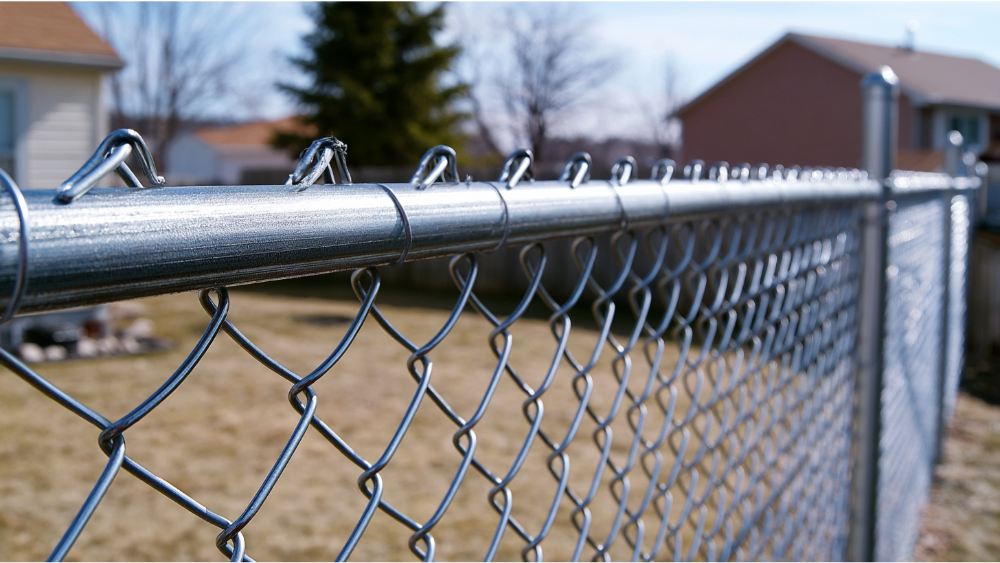
Chain link fence systems consist of several materials working together, and many professional installers, such as those continuing Best Built Fence’s legacy of excellence, focus on using premium components for long-term performance. The fence fabric itself is woven from galvanized wire often coated with zinc to resist rust. Some systems include vinyl coating for additional protection and appearance options, such as popular black chain link fence systems that blend security with curb appeal.
The fabric is formed into a diamond pattern distributing tension evenly across the fence. Diamond sizes and mesh size options affect visibility and strength. Smaller diamond sizes generally provide more security and resistance to climbing, while larger diamonds offer more visibility.
Fence posts are another critical component. Line posts are typically set in concrete footings to ensure stability, similar to how vinyl fences often rely on concrete around the post for long-term strength. Posts are often made from steel pipe, providing structural support. Without strong posts and proper installation, even high-quality chain link fabric can fail over time.
Rails run horizontally along the fence to maintain structure and prevent sagging. Together with posts and fabric, they form a complete fencing system designed for durability and security.
Chain Link Fence Gauge Comparison for Homeowners
When comparing common gauges, it is important to understand how wire thickness affects performance:
- 11.5 gauge chain link fence uses thinner wire and is best for temporary fencing or low-cost projects
- 11 gauge chain link fence uses medium thickness wire and is ideal for most residential applications
- 9 gauge chain link fence uses thicker wire and is best for security and durability-focused installations
The difference between these options is significant because more steel generally results in longer lifespan and improved resistance to damage.
Galvanized Chain Link, Vinyl Coating, and Corrosion Protection
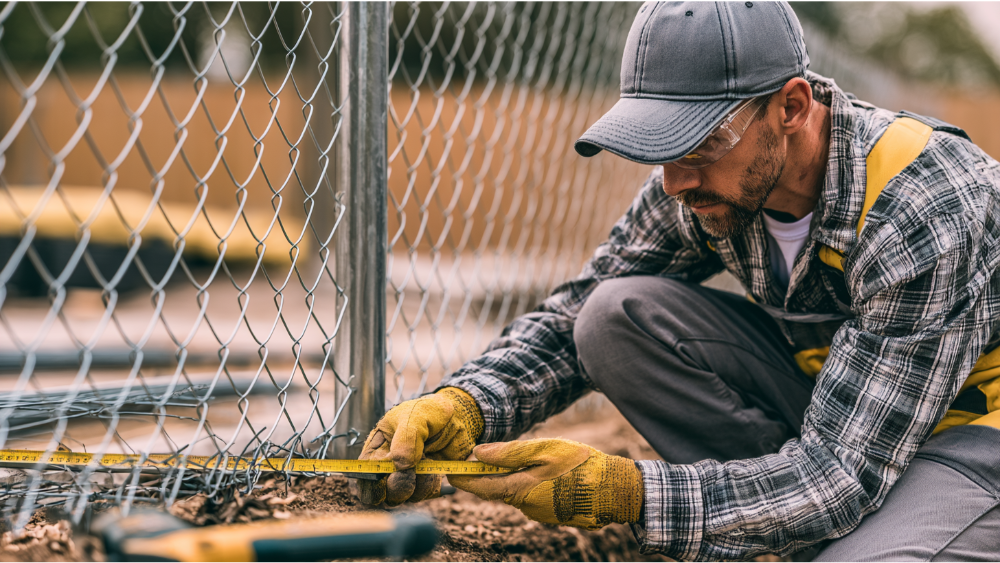
Galvanized chain link fence is the most common form of chain link fence. It is coated with zinc to protect the steel wire from rust and corrosion. This galvanized wire is designed to withstand outdoor exposure and ground moisture.
Vinyl coating is sometimes added on top of galvanized wire to provide color options and additional protection. While vinyl improves appearance and surface protection, the strength still depends on the core wire inside.
Rust resistance is one of the most important factors in fence longevity, especially in humid or coastal environments.
Common Mistakes When Selecting Chain Link Fence Wire Gauge
One common mistake homeowners make is choosing fence materials based only on price. Thinner wire may save money initially but reduces durability and may lead to earlier repair or replacement.
Another mistake is ignoring how the fence will be used. Pets, yard activity, and environmental exposure all affect performance. A fence that works for a quiet yard may not perform well in high-activity residential applications.
Some homeowners also confuse vinyl coating with wire strength. The coating only affects appearance and protection, not structural strength. The core wire determines overall durability.
It is also common to assume all chain link fence products are the same, but differences in gauge, materials, and installation quality create major performance variations, especially when working with experienced providers of chain link fence installation and repair in Black Diamond.
Why Gauge Is Only One of the Most Important Factors
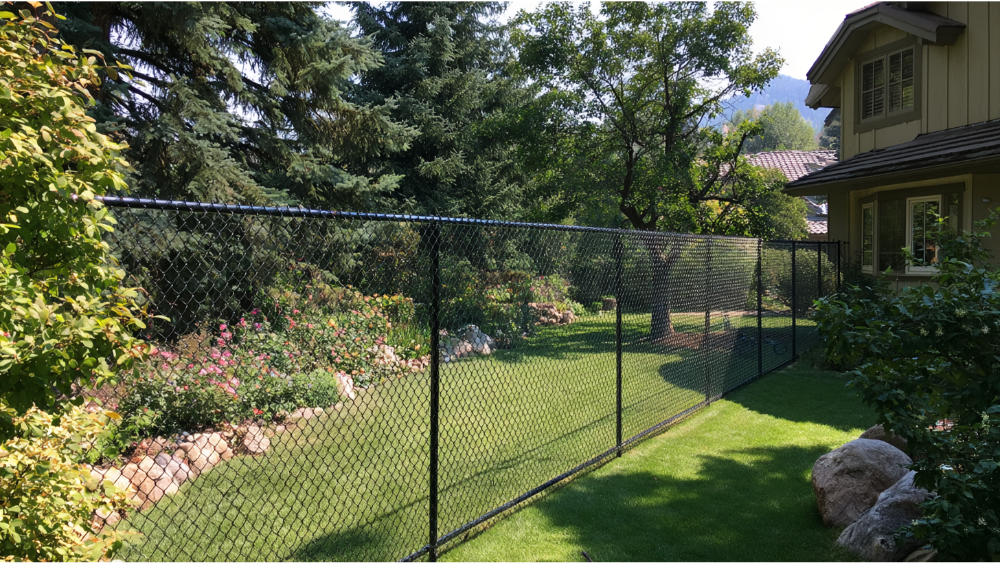
Wire gauge is critical, but it is not the only factor in fence performance. Important factors also include posts, rails, installation quality, and ground preparation.
Concrete footings secure posts in the ground, ensuring stability over time. Proper installation helps prevent leaning, sagging, or structural failure.
Mesh size and diamond pattern design also influence strength and visibility. The weave of the chain link fabric distributes tension across the fence to improve durability.
The weight of the fence system increases as wire becomes thicker, especially in 9 gauge systems, because more steel is used.
Additional Performance Considerations for Chain Link Fence Systems
Several other design factors affect performance:
- Pipe size used for posts
- Outside diameter of structural components
- Parallel wires in reinforced systems like barbed wire applications
- Temporary fencing setups for short-term use
- Barbed wire is used in some barbed wire fence applications for added deterrence in agricultural or high-security settings
- Residential vs. commercial applications
- High-security applications requiring thicker gauges and reinforced fabric
Barbed wire is sometimes added to commercial or high-security applications to increase deterrence, although it is not typically used in standard residential fencing; in urban areas, property owners more often opt for professional chain link fence installation and repair in Seattle to boost security.
How to Choose the Right Chain Link Fence Gauge for Your Property
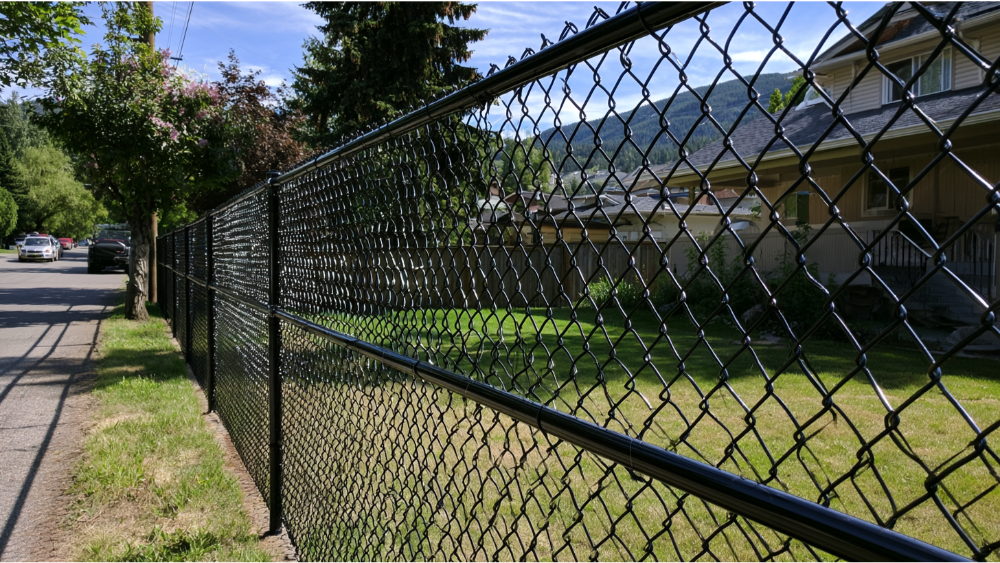
Choosing the right chain link fence depends on several key considerations including security needs, budget, yard activity, and long-term expectations.
For most residential properties, 11 gauge chain link fence fabric is the recommended option, especially when paired with expert chain link fence installation and repair in Sammamish for local homeowners. It offers strong performance, good durability, and balanced cost.
For higher security or heavy use situations, 9 gauge chain link fence fabric provides maximum strength, particularly when installed by specialists in chain link fence installation and repair in Tukwila. For temporary fencing or very light use, 11.5 gauge may be sufficient.
Understanding wire gauge, steel content, and coating options helps homeowners make informed decisions that improve long-term satisfaction.
Final Recommendation for Residential Chain Link Fence Wire Gauge
The correct answer to what gauge wire is used for residential chain link fencing depends on usage, but the industry standard remains clear:
- 11.5 gauge is used for light duty or temporary fencing
- 11 gauge is the most common residential chain link fence choice
- 9 gauge is used for heavy duty residential and security-focused installations
Selecting the right fence ensures better durability, improved security, and fewer repair needs over time. A properly installed chain link fence with the right gauge, strong posts, and quality galvanized chain link materials will provide long-lasting performance for residential properties.
Frequently Asked Questions (FAQs)
What is the most common gauge size for residential chain link fencing?\
The most common gauge size for residential chain link fencing is 11 gauge, offering a good balance of durability and cost-effectiveness.
How does the gauge size affect the strength of a chain link fence?\
Lower gauge numbers indicate thicker wire, which means the fence is stronger and more durable. For example, 9 gauge wire is thicker and stronger than 11 gauge wire.
Are there different types of coatings for chain link wire?\
Chain link wire can be galvanized with zinc for corrosion resistance and may also have vinyl coatings in various colors for added protection and aesthetic appeal.
Can I use 11.5 gauge wire for a permanent residential fence?\
While 11.5 gauge wire can be used for light-duty or temporary fencing, it is generally less durable and not recommended for permanent residential installations.
What gauge wire is used for higher security chain link fences?\
For higher security applications, thicker wires such as 9 gauge or even 6 gauge are used to provide enhanced durability and resistance.
Does the diamond size of the chain link fabric affect security?\
Smaller diamond sizes increase security by making it harder to climb or cut through the fence, commonly used in pools and tennis courts.
Conclusion
Choosing the right gauge wire for residential chain link fencing is crucial for ensuring the fence’s durability, security, and longevity. While several types of gauge sizes are available, 11 gauge remains the most common and practical choice for typical residential needs. For higher security or more demanding applications, upgrading to 9 gauge wire provides a big difference in strength and resilience. Additionally, selecting the proper coatings and considering mesh size further enhances the fence’s performance and appearance. Ultimately, a well-chosen chain link wire gauge, combined with quality materials and proper installation, will ensure a long-lasting, secure boundary for your property.