Why Gate Clearance Matters More Than Ever in 2026
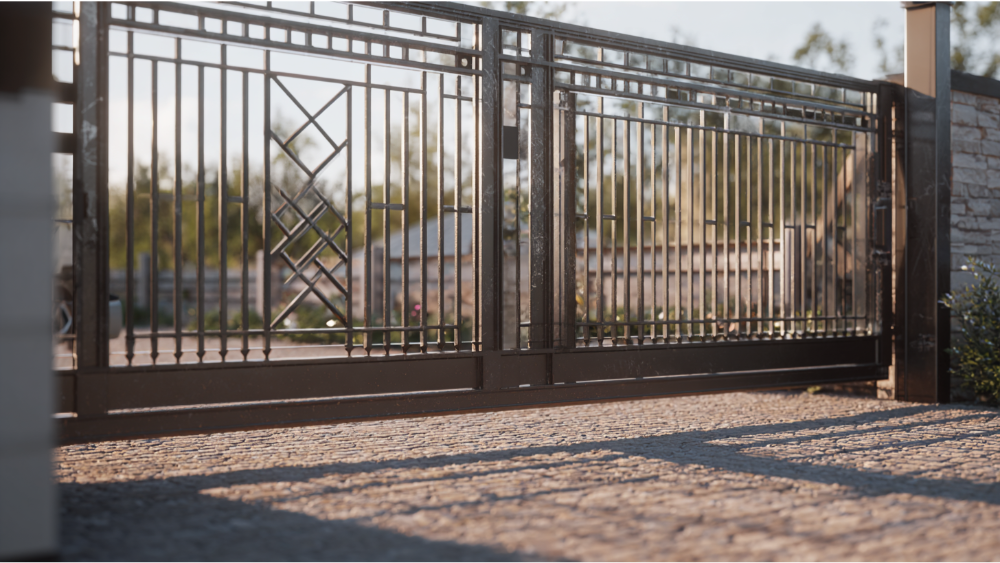
Understanding what clearance is required for proper gate installation is essential for any property owner planning a new gate or fence system. A properly installed gate is not just about appearance; it is about long-term performance, safety, and reliable operation in real conditions. In modern systems, even a small miscalculation in spacing can lead to gate problems, reduced security, and costly corrections later. Whether working with a driveway gate, residential fence gate, or commercial access system, proper planning ensures every gate functions smoothly from day one.
At Inline Security Fence, every gate installation is designed with accurate measurements, structural stability, and environmental factors in mind so the gate performs correctly for years without unnecessary adjustments.
What Is Gate Clearance in Installation Terms?
Gate clearance refers to the controlled space around a gate that allows it to open, close, and move without obstruction. It includes spacing between gate posts, ground level, hinges, latch components, and surrounding fence structures. Without correct clearance, even a high-quality gate will fail to operate properly.
Types of Gate Clearance
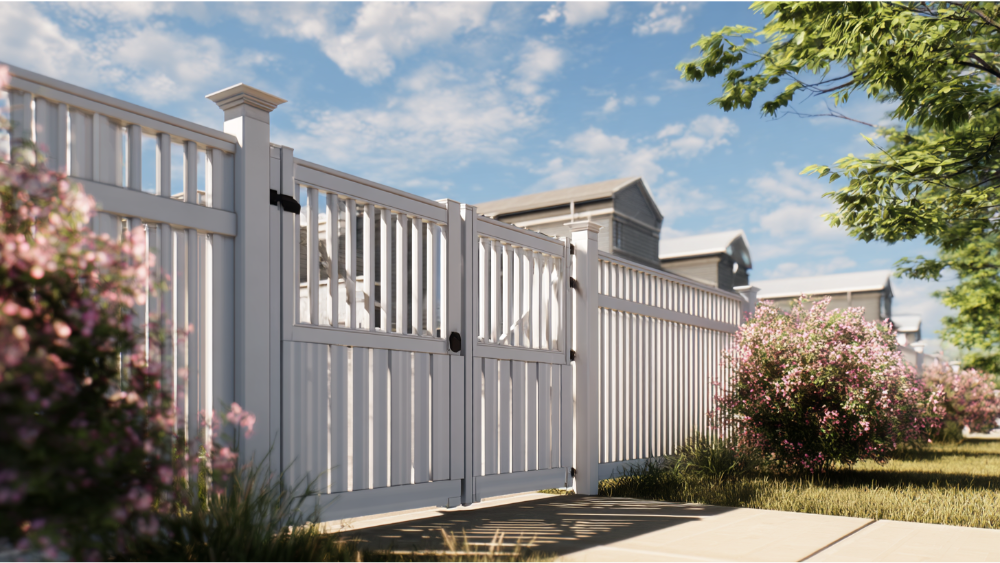
- Ground clearance: The space between the bottom of the gate and the ground.
- Hinge clearance: Spacing around the gate hinges to allow free movement.
- Latch side clearance: Ensures the latch engages properly without forcing or misalignment.
- Swing clearance: The space needed for the gate swing direction so it does not hit walls, fences, or driveway edges.
Why Clearance Is Structurally Important
A gate must handle daily movement, weather changes, and shifting ground conditions. Without proper clearance, the gate frame can bind, posts can shift, and hinges can wear prematurely. Proper spacing ensures smooth operation, reduces stress on hardware, and improves long-term performance.
Standard Ground Clearance Requirements for Gates
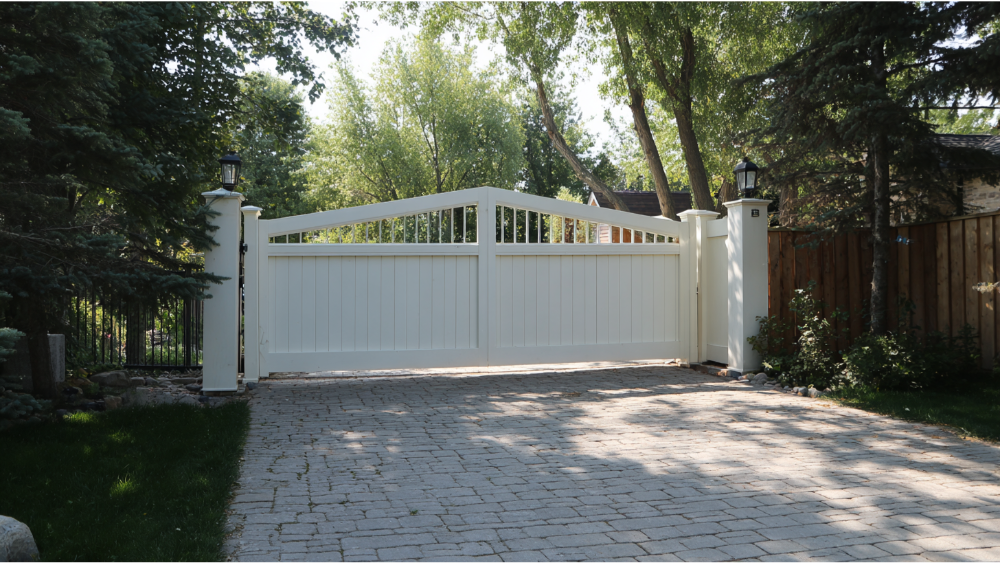
Ground clearance is one of the most important measurements in any gate installation. It determines how well the gate handles uneven ground, gravel, and seasonal changes.
Residential and Driveway Gate Clearance
For most residential fence gate setups, ground clearance typically ranges between 2 to 4 inches depending on gate size and driveway conditions. This allows the gate to move freely over gravel, grass, or slight grade changes without scraping. A driveway gate often requires slightly more clearance due to traffic flow and surface wear.
Commercial Gate Clearance
For larger gate systems, especially those controlling security or high traffic access, clearance may increase to 3 to 6 inches. This allows for heavier gate width, debris, and long-term wear from frequent use.
Uneven Ground and Slope Adjustments
When a gate is installed on uneven ground or slope, clearance must be adjusted across the entire opening width. A properly installed gate must account for grade changes so the bottom edge remains consistent even when the terrain shifts. Without this adjustment, the gate may drag or fail to swing properly.
Side Clearance Requirements Between Posts and Gate Frame
Side clearance ensures the gate moves freely between posts without binding or rubbing against the frame.
Hinge Clearance and Latch Side Spacing
- Hinge clearance: Typically ranges from 1/2 inch to 1 inch depending on hardware type.
- Latch side clearance: Usually between 3/4 inch and 1 1/2 inch to allow proper locking alignment.
Both measurements are critical to ensure smooth operation and prevent latch failure.
Double Gates and Center Gaps
For double gates, a center gap of 1 to 2 inches is standard so both gate sections can meet without collision. This also helps maintain symmetry across the opening and ensures consistent alignment.
Swing Gate Clearance and Movement Requirements
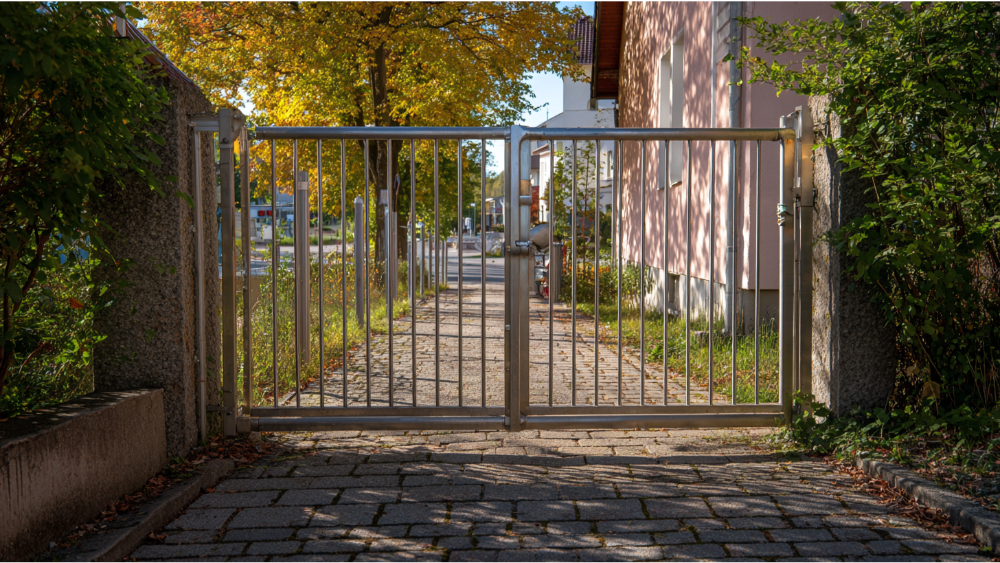
A swinging gate requires full unobstructed space in its swing direction. The swing must be planned carefully to avoid interference with fences, driveway edges, or walls.
Swing Direction and Arc Space
The gate swing direction must remain completely clear for a distance equal to the gate width. For example, a 12-foot gate width requires at least 12 feet of clear swing space. Additional buffer space is often added to account for wind load and hardware movement.
Driveway and Access Considerations
Driveway installations require careful planning because vehicles, walking paths, and access points all interact with the gate opening. Proper clearance ensures vehicles can pass without obstruction and pedestrians can walk safely through the opening.
Sliding Gate Clearance Requirements
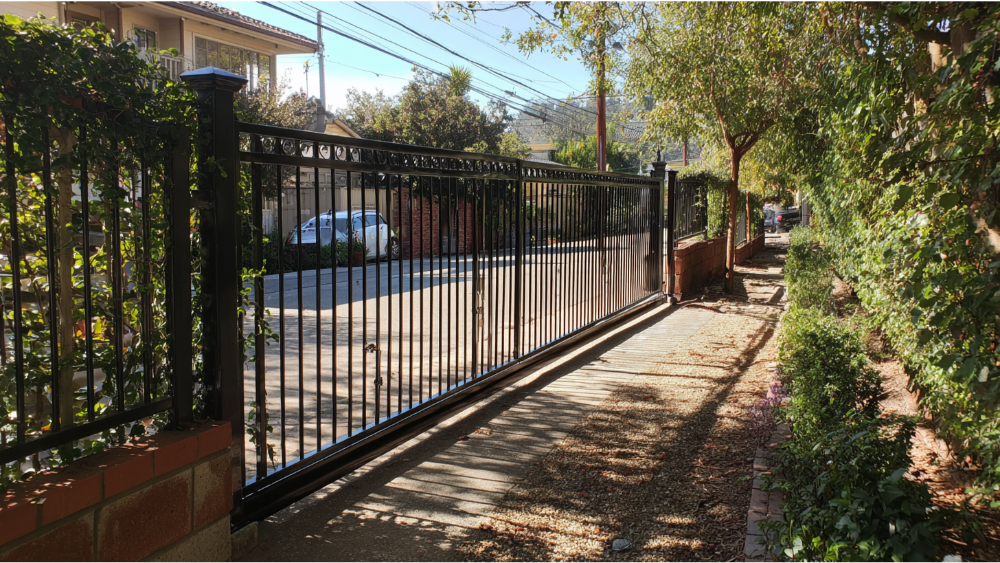
Sliding systems operate differently but still require precise spacing for smooth function.
Track and Runback Space
A sliding gate requires 1 to 2 inches of vertical clearance above the track system. More importantly, the runback area must equal the full gate opening width so the gate can fully retract without obstruction.
Cantilever Systems and Clearance
Cantilever gates do not use ground tracks but still require clearance for rollers and structural balance. Proper spacing ensures the gate does not sag or bind during movement.
Gate Post Spacing and Structural Alignment
Gate posts are the foundation of the entire system. If posts are not installed correctly, the gate will fail regardless of hardware quality.
Setting Posts and Digging Holes
Proper gate installation begins by digging post holes at the correct depth and width. Concrete is then used to secure posts so they remain perfectly plumb during curing. If posts are not stable, the gate will shift and lose alignment.
Post Alignment and Measurement Accuracy
Accurate measurements between posts are essential. Even a small error in width or distance can prevent the gate from closing properly. Installers must check alignment repeatedly before concrete fully cures to avoid costly mistakes.
Environmental Factors That Affect Gate Performance
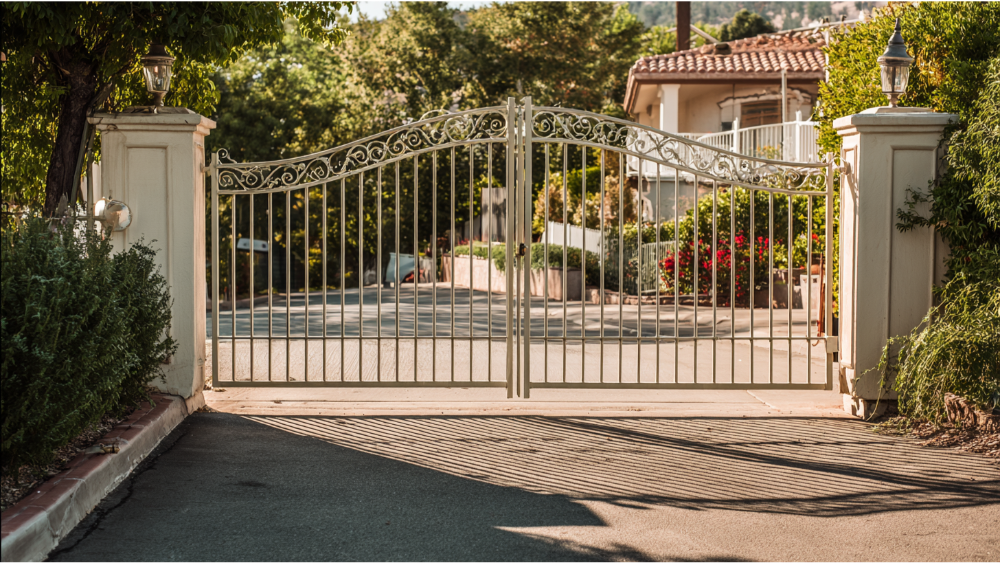
Environmental conditions have a major impact on gate performance over time.
Ground Movement and Seasonal Change
Soil expansion, freezing, and thawing can shift posts and affect clearance. A properly installed gate accounts for these conditions so it continues to function smoothly year-round.
Wind and Pressure Effects
Wind can push against a gate, causing slight movement that impacts hinges and latch alignment. Proper spacing allows the gate to flex without damage.
Common Gate Installation Mistakes
Many gate problems come from incorrect planning or rushed installation.
- Incorrect measurements are one of the most common issues in any gate project. Failing to properly measure width, opening width, and overall gate size leads to alignment failures that are difficult to correct after installation.
- Poor post installation also causes long-term instability, especially if post holes were not dug to proper depth or concrete was not allowed to fully cure before mounting hardware.
- Ignoring uneven ground, slope, or gravel conditions leads to dragging gates and latch misalignment over time.
Professional Gate Installation Best Practices
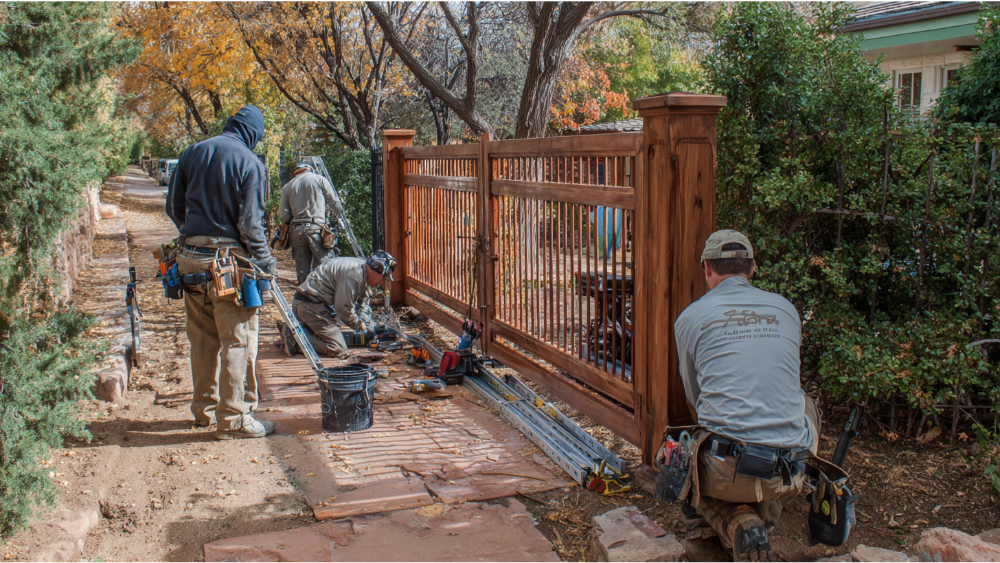
Professional installers focus on accuracy, structure, and long-term reliability. Every gate installation begins with proper planning, including determining gate width, swing direction, and available space within the fence line. Accurate measurements are taken multiple times to ensure posts are set correctly and aligned before any gate frame is attached.
The correct hardware is selected based on gate size, weight, and intended use. Heavy-duty hinges, reinforced posts, and properly rated latches are essential for ensuring smooth operation. Once installed, gates are fine-tuned to ensure smooth operation, correct alignment, and secure closing without stress on components.
Frequently Asked Questions (FAQs)
What clearance is required for proper gate installation?
Proper gate installation typically requires a ground clearance of 2 to 4 inches for residential gates and 3 to 6 inches for commercial gates. Additionally, allow 1/2 to 1 inch of hinge clearance and 3/4 to 1 1/2 inches of latch side clearance to ensure smooth operation.
How do I determine the right width for my gate opening?
Measure the gate opening width at three points (top, middle, and bottom) and use the smallest measurement. Deduct the space needed for hardware such as hinges, latches, and posts to find the exact gate width needed.
Can I install a gate on uneven or sloped ground?
Yes, but you must adjust the ground clearance to accommodate the slope. Gates can be custom-built to match the slope or designed with enough clearance at the highest point to prevent dragging.
How important is post installation for gate stability?
Post installation is critical. Posts must be set plumb and secured in concrete with proper depth and width to prevent sagging or shifting. Rushing the concrete cure time can lead to long-term operational issues.
Are there specific clearance requirements for double gates?
Double gates require a center gap of 1 to 2 inches between the two gate sections to allow for smooth movement and proper latching. Additionally, each gate leaf needs hinge clearance on its side.
Do I need a permit for gate installation in Seattle?
Yes. In Seattle, a building permit is required for gates taller than 6 feet or taller than 4 feet if located in the front yard. It’s important to check local regulations before installation.
Conclusion
Proper gate installation hinges on precise measurements, adequate clearance, and solid post placement. Understanding what clearance is required for proper gate installation, including ground, hinge, and latch clearances, ensures your gate operates smoothly and lasts longer. Whether installing a single or double gate, on flat or sloped terrain, careful planning and using the right tools and hardware are essential. By following these practical tips and considering environmental and local code factors, you can achieve a secure, functional, and visually appealing gate installation that meets your needs for years to come.