Understanding how installers secure chain link fencing to metal posts is essential for anyone planning a chain link fence project or aiming to improve perimeter security. A chain link fence is not just a simple barrier; it is a tension-based structure that depends heavily on properly installed fence posts, precise alignment along the fence line using a string line, and correctly fastened chain link fabric. When installed correctly, the system resists wind load, ground movement, and long-term wear. Conversely, poor installation, even small mistakes in line posts, terminal posts, or tension bands, can lead to sagging, instability, and security failure.
This guide explains exactly how do installers secure chain link fencing to metal posts using industry-standard installation methods that ensure long-term durability and strength.
Understanding the Structure of a Chain Link Fence System
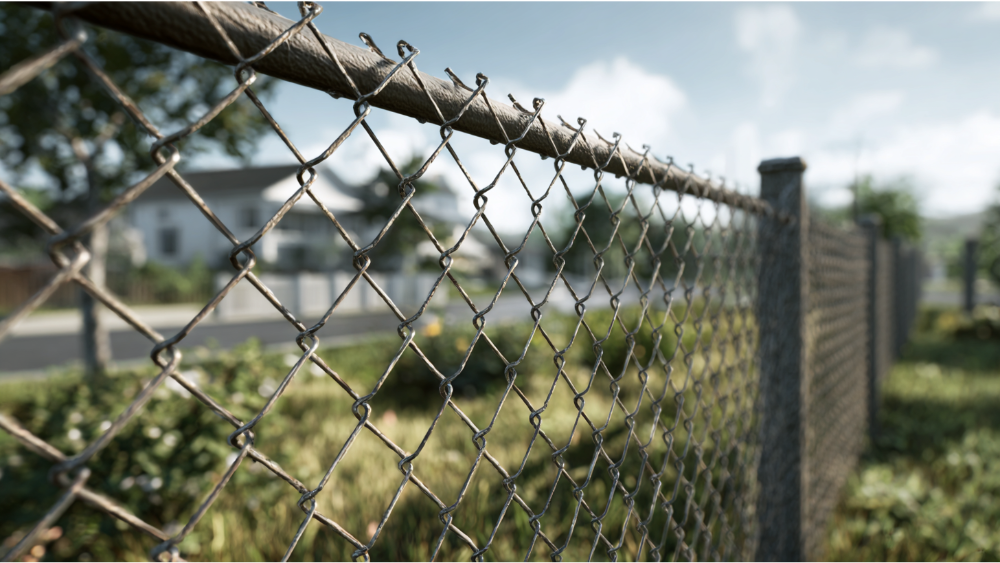
A chain link fence is built from interconnected parts that work together to create a stable structure. The main components include:
- Fence posts, including t posts for lighter installations
- Line posts
- Terminal posts
- Chain link mesh forming a fill diamond pattern
- Top rail
- Tension wire and barbed wire for added security
- Tension bands
- Brace bands
- Loop caps
- Post caps
- Chain link gates for access
- Optional privacy slats for visual screening
Each part plays a specific role in maintaining stability across the fence line. The chain link fabric provides the barrier, but the fence posts carry the structural load. Without properly installed posts and hardware, the chain link fence cannot withstand tension or wind load over time.
Why Tension Is Critical in Chain Link Fence Installation
A chain link fence depends on tension rather than rigidity. The chain link mesh is stretched tightly between terminal posts so the entire fence behaves as a unified system. This tension keeps the fence stable across long distances measured in linear foot sections.
If tension is not applied correctly, the chain link fabric will sag, shift, and lose its structural strength. Proper tensioning is what allows a chain link fence to remain secure and low maintenance over time.
The Role of Fence Posts in a Chain Link Fence
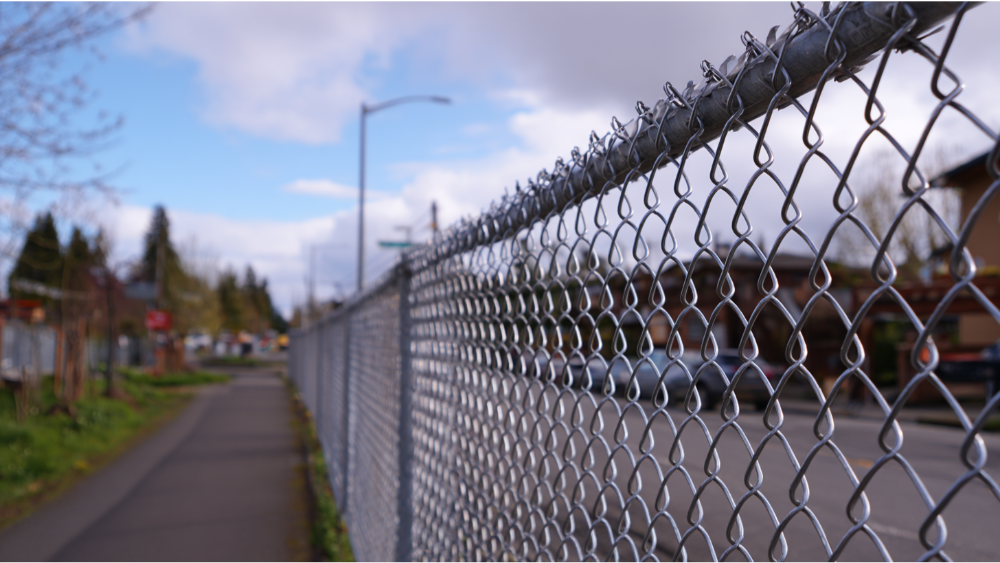
Fence posts are the foundation of every chain link fence. Terminal posts, which include end posts, corner posts, and gate posts, are the primary load-bearing anchors. These posts are set deep into the ground using post holes and secured with concrete. Installers often use a post hole digger or hand digging depending on soil conditions and obstacles such as tree roots.
Line posts are placed along the fence line between terminal posts. These line posts help maintain spacing and alignment but do not carry the same tension load as terminal posts. Correct post spacing is essential for maintaining structural integrity and preventing movement in the chain link mesh.
Installers use a string line stretched tight between corner and terminal posts to ensure posts are aligned and plumb. They check plumb on two adjacent sides of each post to guarantee vertical accuracy, which is critical for fence stability.
Loop caps are installed on line posts to hold the top rail in place, ensuring proper alignment and stability throughout the fence system.
How Chain Link Fabric Is Secured to Terminal Posts
One of the most important steps in installing a chain link fence is securing the chain link fabric to terminal posts. Installers weave a tension bar through the end of the chain link mesh, which often features a full diamond pattern to maximize strength. This creates a rigid edge that allows the fabric to be properly anchored.
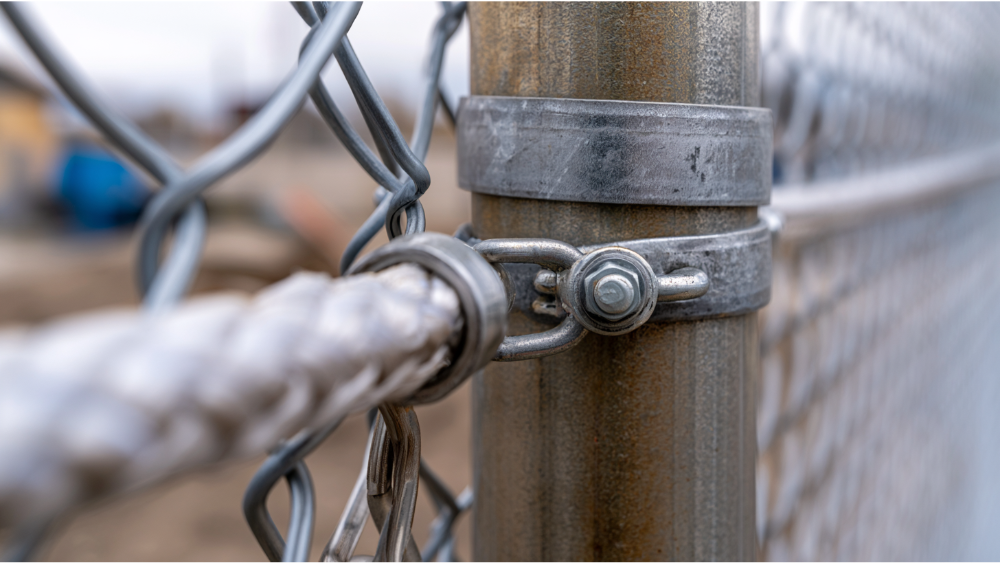
Tension bands are then placed around the terminal posts and tightened with bolts to lock the tension bar in place. This system ensures the chain link fabric remains tight and secure under pressure. Brace bands are also used to reinforce the connection between the top rail and terminal posts, adding additional structural support.
This combination of tension bars, tension bands, and brace bands creates a strong anchoring system that holds the entire chain link fence together.
Securing Chain Link Fabric to Line Posts
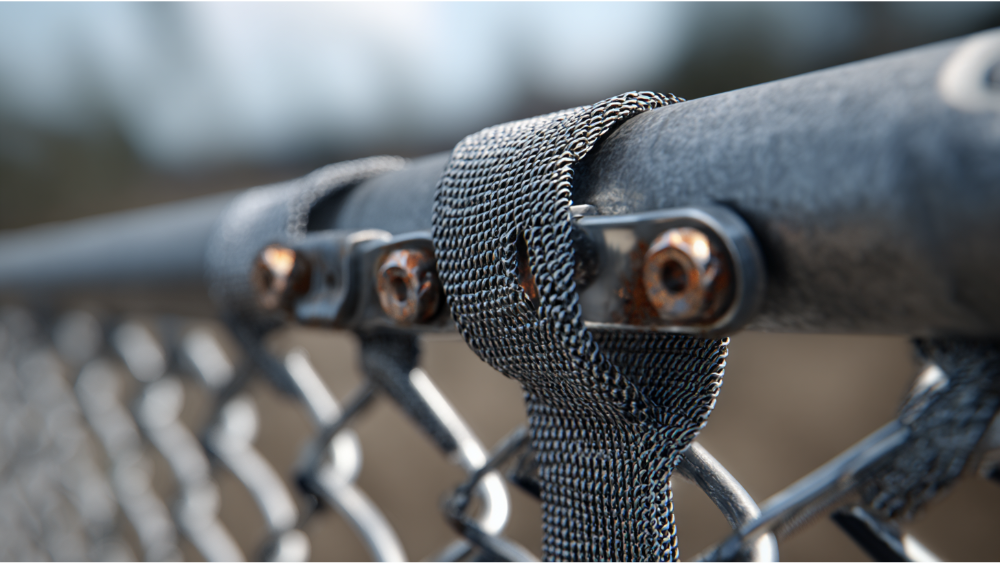
Line posts help stabilize the chain link fence along the fence line. Installers use fence ties or loose wire to attach the chain link fabric to each line post at regular intervals. These connections keep the fabric aligned while allowing controlled flexibility.
In commercial installations, hog rings are often used instead of traditional ties. Hog rings provide a faster and stronger fastening method for securing chain link mesh to posts or tension wire. They are especially useful in areas exposed to high wind load or heavy environmental stress.
The Importance of the Top Rail System
The top rail is a critical component in any chain link fence system. It runs horizontally along the top of the fence and connects to line posts using loop caps and rail end cup fittings. The top rail helps distribute tension evenly across the entire fence structure.
Without a top rail, the fence would be more susceptible to shifting under wind load or pressure. The rail ensures that the chain link fabric remains evenly supported from end to end along the fence line.
Bottom Security and Stability of a Chain Link Fence
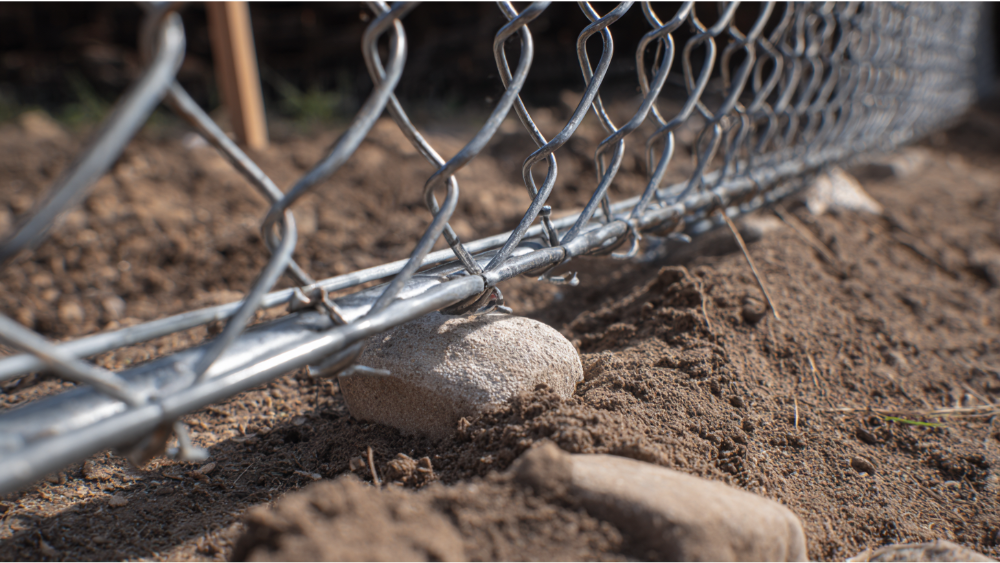
To prevent lifting or gaps at ground level, installers often add a tension wire or bottom wire along the base of the chain link fence. This wire is woven into the chain link mesh and attached to line posts for added stability.
For enhanced security, especially in industrial or high-risk areas, barbed wire may be installed on top of the fence using specialized arms attached to terminal posts.
This step is especially important in areas where dogs, soil movement, or erosion may affect the fence. A properly secured bottom edge ensures the fence remains tight and secure across its entire height.
Step-by-Step Installation Process for a Chain Link Fence
- Set Terminal Posts
Installers begin by placing terminal posts into deep post holes and securing them with concrete. Posts are typically set so that one third of their length is buried underground. These posts must be aligned correctly and checked for plumb on adjacent sides before the concrete cures. - Install Line Posts
Once terminal posts are set, line posts are installed along the fence line at consistent spacing. Loop caps are added, and the top rail is installed to create the structural framework of the fence system. - Stretch Chain Link Fabric
The chain link fabric is stretched tightly between terminal posts using a come-along tool. This step ensures proper tension is applied across the entire fence structure. - Secure Fabric to Terminal Posts
After the fabric is stretched, a tension bar is inserted and secured using tension bands on each terminal post. This locks the chain link fabric in place and prevents movement. - Tie Fabric to Line Posts
Finally, installers secure the chain link fabric to line posts using fence ties or hog rings. This completes the installation and stabilizes the entire chain link fence system. - Install Chain Link Gates and Optional Privacy Slats
Chain link gates are installed at designated openings, attached to gate posts with hinges and latches. Privacy slats may be inserted into the chain link fabric to enhance visual screening and security.
Materials Used in Chain Link Fence Installation
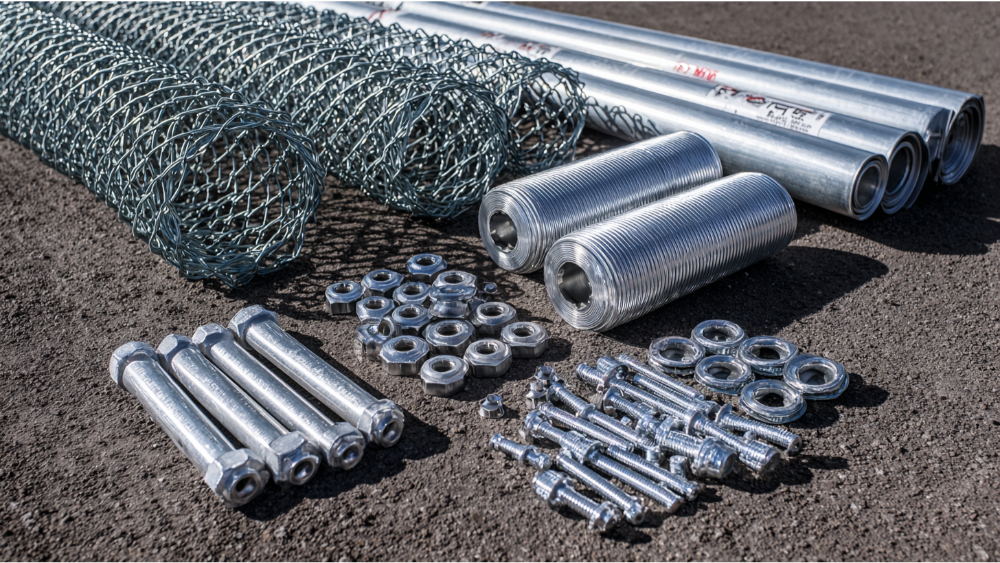
The durability of a chain link fence depends heavily on the materials used. Galvanized steel is the most common material for both fence posts and chain link mesh because of its corrosion resistance and long lifespan.
Vinyl-coated chain link is also used in some installations where additional weather protection or visual appeal is required. All hardware, including tension bands, brace bands, and bolts, must be corrosion resistant to ensure long-term performance.
Common Mistakes in Chain Link Fence Installation
- Improper Post Depth: If fence posts are not set deep enough in the ground, the entire structure may shift over time.
- Incorrect Tensioning: Too little tension causes sagging, while too much tension can damage posts or hardware.
- Inconsistent Fence Tie Spacing: Irregular spacing of fence ties can weaken the overall structure.
Avoiding these mistakes is essential for ensuring a strong and durable chain link fence system.
Why Professional Chain Link Fence Installation Matters
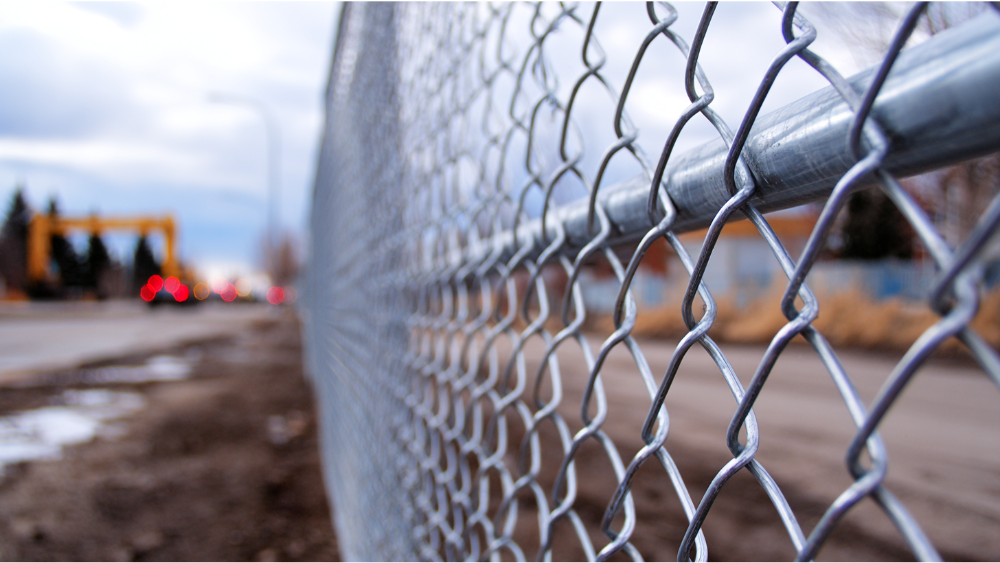
Installing a chain link fence requires precision, experience, and a proper understanding of structural tension. Professionals ensure that every part of the system, from terminal posts to line posts and tension bands, is installed correctly.
Proper installation results in a fence that is strong, low maintenance, and capable of withstanding years of exposure to wind load and environmental stress. A professionally installed chain link fence provides long-term reliability and security for residential, commercial, and industrial properties.
Frequently Asked Questions
How deep should chain link fence posts be set?
Terminal posts should be set at least 30 inches deep for a 4-foot fence and 36 inches deep for a 6-foot fence. Line posts can be set a couple inches shallower but must be deep enough to ensure stability and prevent frost heave.
What tools are needed to secure chain link fencing to metal posts?
Essential tools include a post hole digger or auger, concrete mix, fence stretcher or come-along, fence pliers, socket wrenches, and hog ring pliers for attaching fence ties.
How do installers ensure the chain link fabric is properly tensioned?
Installers use a come-along or pull-jack attached to a tension bar woven through the fabric. This mechanical advantage allows them to pull the fence fabric taut before securing it to terminal posts with tension bands.
What is the purpose of tension bands and how are they placed?
Tension bands secure the tension bar and chain link fabric to terminal posts. Installers place tension bands evenly spaced along the post, typically one fewer than the fence height in feet, with the flat side facing out.
Can chain link fencing be secured to metal gate frames?
Yes. Chain link fabric is attached to gate frames using tension bars and fence ties, similar to how the fabric is secured to terminal posts, ensuring the gate is structurally sound and matches the fence tension.
What are common mistakes to avoid when securing chain link fencing to metal posts?
Common errors include insufficient post depth, uneven post spacing, improper tensioning of fence fabric, and inconsistent placement of tension bands and fence ties, all of which can compromise fence stability.
Conclusion
Securing chain link fencing to metal posts is a precise process that requires the right materials, tools, and techniques to ensure a durable and secure fence. By properly setting chain link fence posts to a depth of one third their length, applying correct tension to the fence fabric with attention to the fill diamond pattern, and using tension bands and fence ties appropriately, installers create a stable and long-lasting barrier. Attention to detail in post alignment using a string line, checking plumb on adjacent sides, tensioning, and hardware placement prevents common issues like sagging or shifting, ultimately resulting in a fence that withstands environmental stresses and maintains its integrity over time. Whether for residential yards, commercial properties, or industrial sites, understanding how installers secure chain link fencing to metal posts helps ensure a successful fencing project that meets both functional and security needs.