A well-built chain link fence protects property, defines boundaries, and provides dependable security for both residential applications and commercial sites. This chain link fence installation guide explains how professionals install a chain link fence from start to finish, including planning the fence line, setting terminal posts, installing line posts, stretching chain link fabric, and finishing gate openings. Whether you are researching chain link fence installation or preparing to install a chain link fence yourself, understanding the role of posts, rails, and wire will help ensure a durable fence that lasts for decades.
Chain link fencing remains one of the most practical perimeter solutions because chain link materials provide strength while maintaining visibility. A properly installed link fence uses a combination of terminal posts, line posts, rails, and tensioned chain link fabric to create a rigid structure. When posts are set correctly, the rails are aligned along the entire fence line, and the chain link fabric is stretched tightly, the fence becomes both secure and long lasting.
Why Property Owners Choose Chain Link Fencing
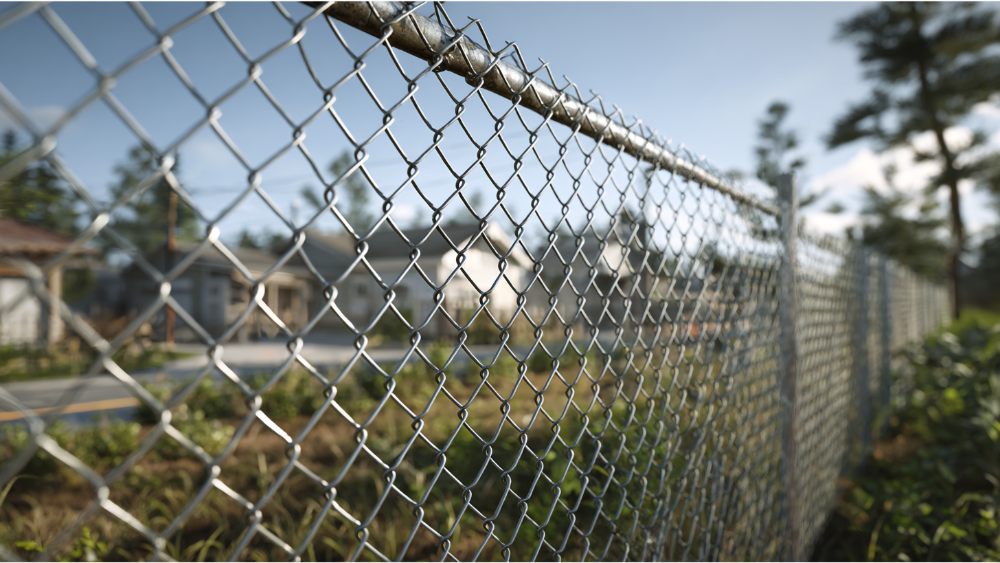
Cost Effective Security
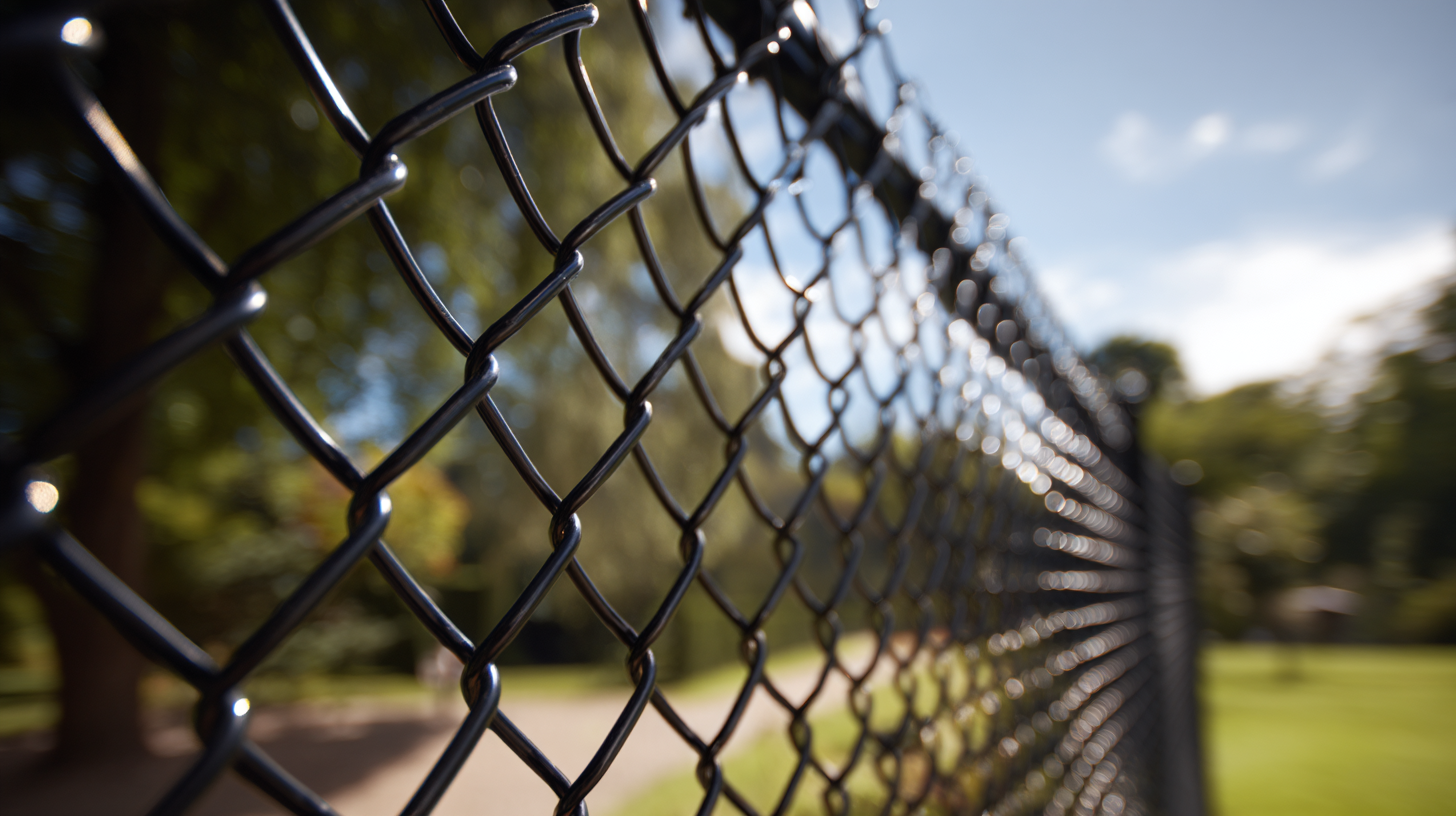
Property owners choose chain link fencing because chain link systems deliver reliable security without the higher costs associated with decorative fencing materials. A typical chain link fence installation uses durable steel components that resist weather, corrosion, and wear. Chain link fabric is woven steel wire that forms the visible portion of the link fence and provides dependable perimeter protection.
In residential applications, a chain link fence is commonly installed around yards, gardens, and property lines. For commercial properties, chain link systems are often used around warehouses, construction sites, and storage areas. Because chain link fabric allows airflow and visibility, chain link fencing supports security monitoring while maintaining visibility across the entire fence line.
Durability and Low Maintenance
Another reason chain link fencing is widely used is durability. A well-installed link fence relies on strong terminal posts and evenly spaced line posts to support the rails and chain link fabric. When fence posts are set into concrete at the proper depth, the fence can withstand weather, impact, and long-term ground movement.
Unlike wood fencing that can warp or rot, chain link materials resist pests and moisture. With minimal maintenance, a chain link fence can remain secure and functional for many years.
Visibility and Safety
One benefit of chain link fencing is maintaining visibility. The open pattern created by chain link fabric allows property owners to monitor activity beyond the fence while still maintaining a clear boundary. This feature is particularly useful for schools, parks, and industrial sites where security and visibility are both important.
Customization Options
Modern chain link fencing offers several customization options. Property owners can choose different heights for residential applications or commercial security. Privacy slats can be added within the chain link fabric, and security features like tension wire or bottom tension wire can increase strength along the base of the fence.
Planning Your Chain Link Fence Installation
Check Local Permits and Property Lines
Before installing a chain link fence, confirm property lines and check local regulations. Some municipalities limit fence height or require permits for new fence installations, and it is important to understand how far a fence should be from the property line. Understanding property lines ensures the entire fence line remains within the correct boundaries.
Marking property lines also helps determine where corner posts, terminal posts, and gate posts should be installed. Accurate measurements along the fence line prevent installation errors later in the process.
Call 811 Before Digging
Before digging post holes, contact your local utility location service. Underground utilities must be identified before digging begins. Digging without confirming utility locations can damage infrastructure and create safety hazards.
Measure the Fence Layout
To start planning, mark the entire fence line using a string line. A string line creates a visual guide that keeps fence posts aligned. Using spray paint, mark the location of each chain link fence post along the string line. These markings identify where post holes will be dug and where intermediate posts will be placed.
Gate openings should also be marked during layout planning. The correct length of fence sections between gate posts ensures the fence aligns properly.
Choose Fence Height and Materials
Fence height varies depending on use. Many residential applications use four to six foot chain link fencing. Commercial properties may install a chain link fence that is eight feet or taller, and some homeowners prefer the appearance of a black chain link fence for added curb appeal.
Selecting materials includes choosing galvanized or coated chain link fabric, determining post diameter, and deciding whether to include tension wire or bottom tension wire along the fence.
Materials Needed for Chain Link Fence Installation
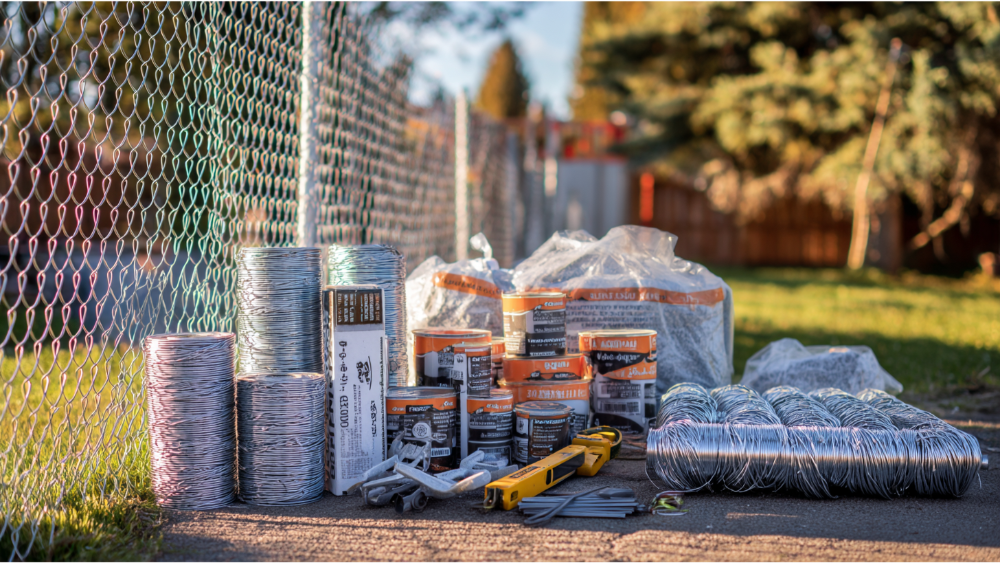
Core Fence Components
Every chain link fence installation requires a set of structural components that work together to support the fence.
Key materials include:
- terminal posts
- line posts
- intermediate posts
- corner posts
- gate posts
- top rail
- chain link fabric
- tension bar
- tension bands
- brace bands
- rail ends
Terminal posts are the strongest posts in the fence system. These posts anchor the chain link fence and support tension when chain link fabric is stretched.
Line posts, sometimes called intermediate posts, provide support between terminal posts. These posts help keep the entire fence line stable, and professional chain link fence installation and repair in Bellevue services ensure these structural elements are correctly spaced and secured.
Hardware and Accessories
Additional hardware secures the chain link system together. Fence ties and tie wires attach chain link fabric to rails and line posts. Tension bands and brace bands secure tension bars to terminal posts. Rail ends connect rails to terminal posts, and loop caps guide the top rail through line posts.
Post caps protect fence posts from moisture and debris. Gate hardware and latch hardware allow the gate to open and close securely, and complete service providers offering chain link fence installation and repair in Black Diamond typically supply and install all of these components.
Tools Required
Installing chain link fencing requires several tools including a post hole digger, pipe cutter, bolt cutters, and a fence puller. A come along tool is used with a fence puller to stretch chain link fabric during installation. A post level ensures each chain link fence post is perfectly vertical while setting posts in concrete.
Step by Step Chain Link Fence Installation Process
Step 1: Mark the Fence Layout
Begin installation by marking the fence line with a string line. The string line should run along the entire fence line from one end post to the next. Mark the location of corner posts, end post positions, and gate openings with spray paint.
These marks determine where post holes will be dug and ensure posts are aligned along the entire fence line.
Step 2: Dig Post Holes
Next, begin digging post holes for each chain link fence post. A post hole digger or auger is commonly used for digging. Each hole should reach the proper depth below the frost line so posts remain stable during seasonal ground movement.
The hole diameter should be several inches wider than the post diameter. This extra space allows concrete to fully surround the posts for maximum support.
Digging post holes must follow the layout marked earlier along the string line. Each hole should align with the fence line to maintain straight sections of fencing.
Step 3: Set Terminal Posts First
Terminal posts are installed before line posts because they carry most of the tension in the fence system. Terminal posts include corner posts, gate posts, and end post locations.
Place each terminal post in its hole and check alignment with a post level. The post should extend above ground to the correct height for the fence. Add concrete mix into the hole and pour concrete until the post is secure. Posts may need to be set deeper depending on fence height or soil conditions.
Setting posts correctly is critical because terminal posts support tension when the chain link fabric is stretched.
Step 4: Install Line Posts
Once terminal posts are secure, install line posts between them. Line posts are evenly spaced along the fence line to support rails and chain link fabric.
Each chain link fence post should be positioned within its hole and aligned with the string line. Concrete is then added to secure the posts. Maintaining consistent spacing between line posts ensures the fence remains stable along the entire fence line.
Intermediate posts help support rails and distribute tension across the fence structure.
Step 5: Attach the Top Rail
After posts are installed, begin installing the top rail. Loop caps are placed on top of line posts, allowing the top rail to pass through. Rail ends attach the top rail to terminal posts.
Rails connect the posts together and strengthen the fence structure. The top rail runs continuously along the fence line and provides support for the chain link fabric.
If rails must be shortened to the correct length, a pipe cutter may be used to trim the rail before installation.
Step 6: Install the Chain Link Fabric
With the frame complete, begin installing chain link fabric. Start at a terminal post by inserting a tension bar through the edge of the chain link fabric. Attach the tension bar to the terminal posts using tension bands.
Unroll the chain link fabric along the fence line and attach it temporarily to line posts. A temporary tension band may be used during this stage.
Using a fence puller and come along tool, pull the chain link fabric tight across the fence. Stretch the fabric until it is firm and evenly aligned with the rails.
A stretcher bar can also be used to pull the chain link fabric evenly before attaching it permanently to terminal posts.
Step 7: Secure the Fabric to Line Posts
After stretching the chain link fabric, secure it to the rails and line posts using fence ties or tie wires. Tie wires should wrap around both the wire mesh and the rail to keep the fabric secure.
Tie wires and fence ties should be spaced evenly along the rails and line posts to maintain tension across the fence.
Step 8: Install Tension Wire
Some installations include tension wire along the bottom of the fence. Bottom tension wire helps prevent animals from pushing under the fence and adds strength to the lower portion of the chain link fabric.
Tension wire is attached to terminal posts and threaded through line posts along the ground level of the fence. Many property owners rely on local experts for chain link fence installation and repair in Tukwila to properly install bottom tension wire and other security upgrades.
Step 9: Install Gates
The final step in chain link fence installation is installing the gate. Gate posts must be strong enough to support the weight of the gate. Gate hardware includes hinges, bolts, and latch hardware that allow the gate to swing and close securely.
Gate openings should be measured carefully so the gate fits properly within the fence line. Gate hardware must be tightened securely so the gate remains aligned during use, which is why many homeowners prefer professional chain link fence installation and repair in Sammamish for gate-heavy layouts.
Common Chain Link Fence Installation Mistakes to Avoid
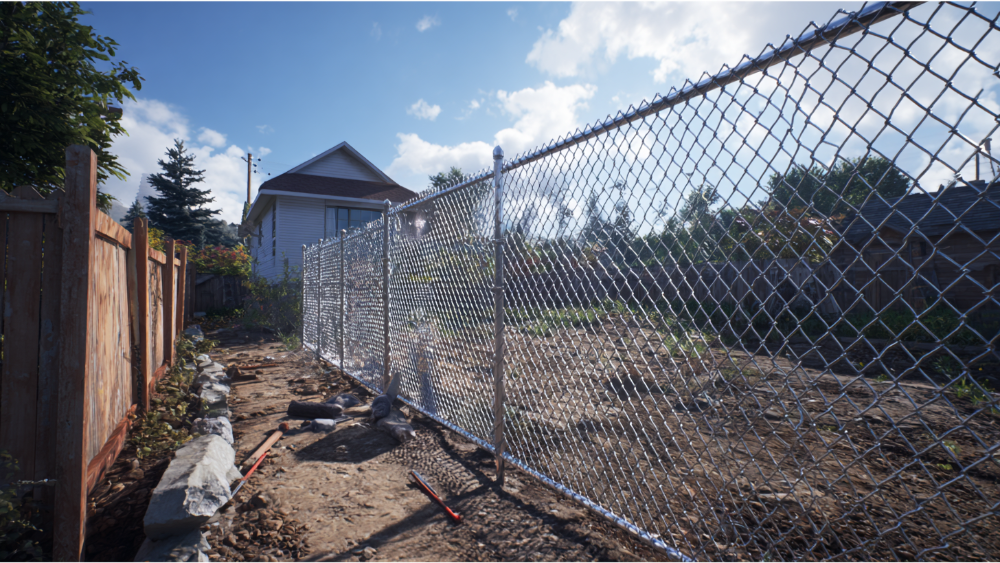
- Incorrect spacing between line posts can weaken the fence structure and cause chain link fabric to sag.
- Posts that are not set to the proper depth may lean over time. Setting posts below the frost line and filling holes with concrete helps prevent movement.
- Failing to stretch chain link fabric correctly can cause waves along the fence. Always use a fence puller or come along tool to stretch the fabric before securing it.
- Uneven ground can also create problems if posts are not set deeper where needed. Adjusting the depth of posts along uneven ground helps maintain a consistent fence height.
How Much Does Chain Link Fence Installation Cost in 2025
Chain link fence installation costs vary depending on fence height, terrain conditions, and materials. Homeowners often compare options using detailed guides to chain link fence cost per foot. Smaller residential applications typically cost less per linear foot than commercial installations.
Additional features such as privacy slats, thicker wire gauge, or larger gate openings can increase project cost. Difficult soil conditions may also require digging deeper holes and using additional concrete to secure posts.
When It Is Best to Hire a Professional Fence Contractor

Large properties require many fence posts and precise alignment along the entire fence line. Professional installers use specialized tools to dig holes, set posts, and stretch chain link fabric efficiently, which is why many homeowners in the area choose chain link fence installation and repair in Seattle.
Commercial properties often require taller chain link fencing and reinforced gate posts to support larger gates. Many businesses work with a commercial fence contractor in Kent, WA to design and install systems that meet security requirements. Experienced installers understand how to properly install a chain link fence so it remains secure for many years.
Frequently Asked Questions
How deep should I dig post holes for a chain link fence?
Post holes for terminal posts should generally be about 30 to 36 inches deep and 8 inches wide to provide adequate stability, especially for corner, end, and gate posts. Line posts are typically set at least 24 inches deep. Always consider local frost line requirements and soil conditions when determining hole depth.
How far apart should fence posts be spaced?
Fence posts, including line posts, should be spaced no more than 8 to 10 feet apart to ensure proper support for the chain link fabric and rails. Closer spacing may be needed if installing privacy slats or on uneven ground.
What tools are essential for installing a chain link fence?
Key tools include a post hole digger or auger for digging holes, a level to ensure posts are plumb, a fence puller or come-along for stretching chain link fabric, bolt cutters or pipe cutters for trimming materials, and wrenches or socket sets for tightening hardware.
Can I install a chain link fence on uneven ground or slopes?
Yes, chain link fences can be installed on uneven terrain using stepped or racked (raked) methods. Posts may need to be set at varying heights or spaced differently to maintain fence stability and appearance, and experienced teams that handle chain link fence installation and repair in Seattle routinely adapt these techniques to local slopes.
Do I need a permit to install a chain link fence?
Permit requirements vary by location. Many areas require permits for fences above certain heights or in specific yard areas. Always check local regulations and obtain necessary permits before beginning installation to ensure compliance.
Key Takeaways
This chain link fence installation guide demonstrates how installing a link fence requires careful planning and precise installation steps. Proper layout using a string line ensures posts align correctly along the fence line. Terminal posts, line posts, and gate posts provide the structural support for rails and chain link fabric.
Setting posts with concrete at the proper depth ensures the fence remains stable. Stretching chain link fabric with a fence puller and securing it with tie wires and tension bands creates a strong barrier. When installed correctly, chain link fencing provides durable security for residential applications and commercial properties alike.