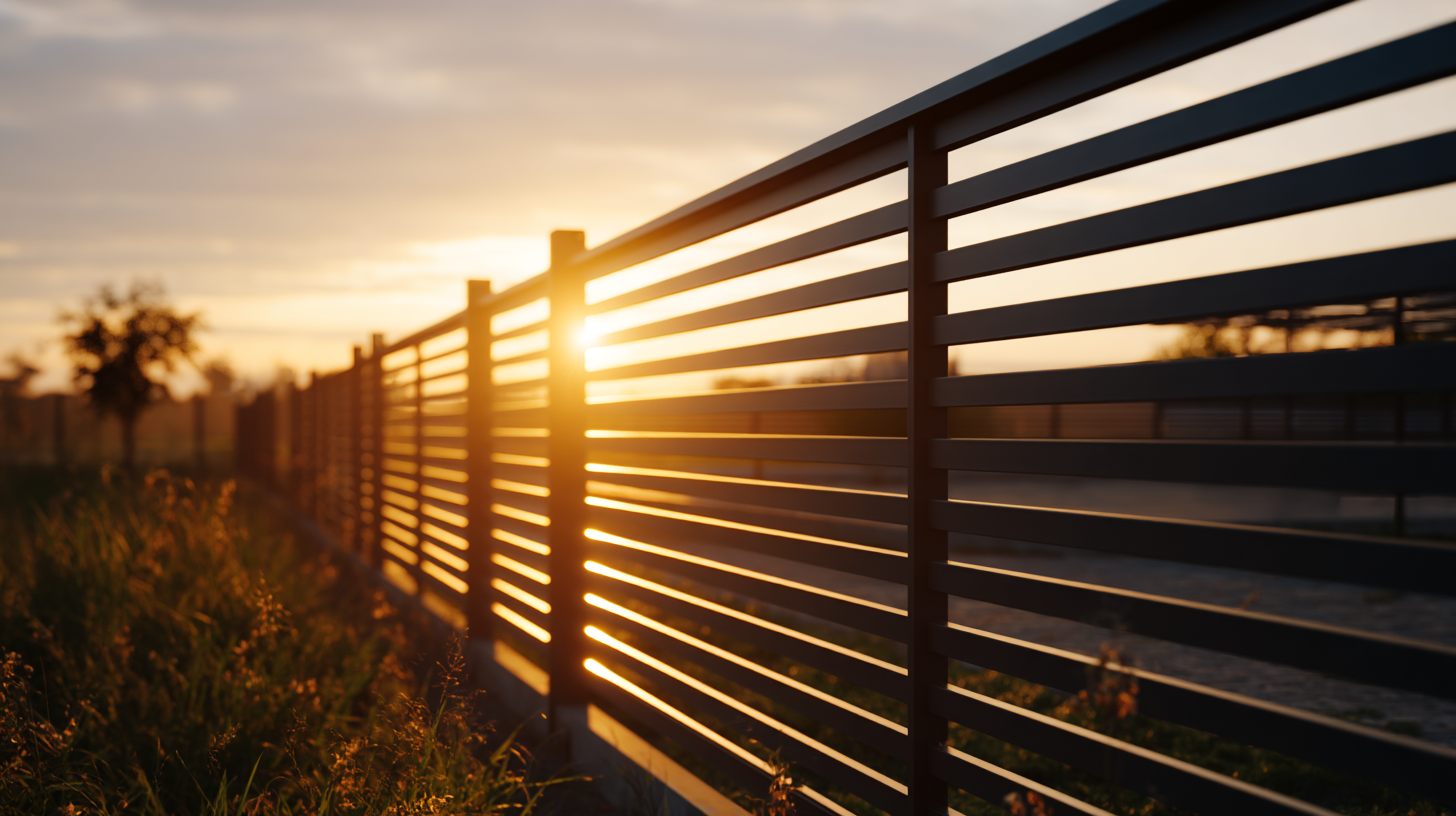
Installing a metal fence the right way is not just about placing panels and hoping everything lines up. Property owners who want real security, durability, and long-term value need to understand how do contractors install ornamental fence panels securely and why each step matters. At Inline Security Fence, every fence installation is approached with precision, because a fence is only as strong as the system holding it together. From the initial consultation to the finishing touches, the installation process is designed to create a secure, stable, and visually clean result that protects your property while enhancing its aesthetic appeal. For many property owners, trying to install an ornamental fence on their own can feel like a daunting task, especially without the right tools or experience or a clear sense of the overall cost of a new fence installation. That is where a professional fence contractor makes the difference.
Why Secure Installation Matters for Ornamental Fencing
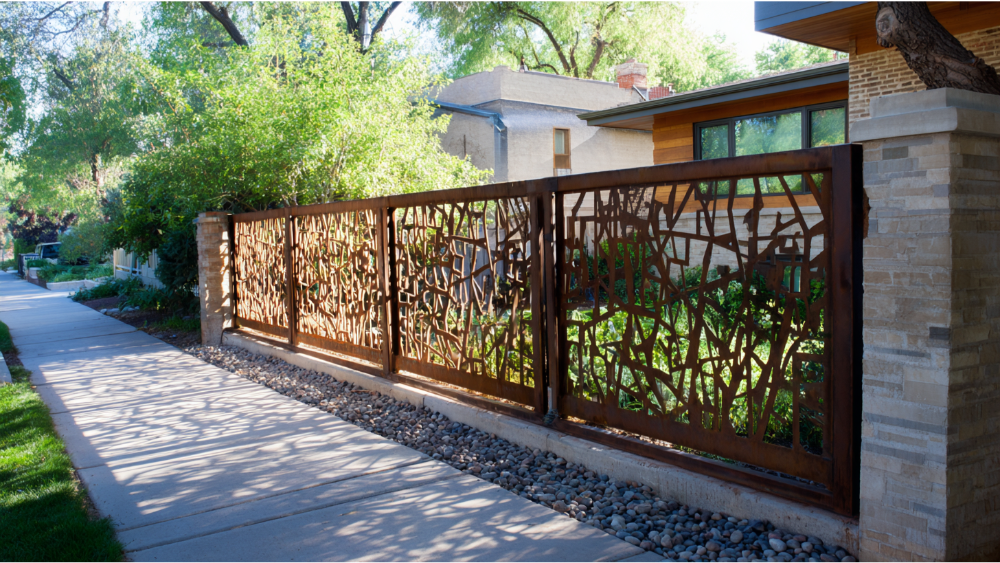
A properly installed metal fence provides both security and visual appeal, but poor installation quickly leads to problems. Fence panels that are not securely attached can loosen over time, and fence posts that are not set correctly can shift, lean, or fail completely. This impacts not only the fence itself but the overall security of your property.
Contractors understand that every fence meets both functional and aesthetic goals, and that balance requires proper planning and careful execution from the start. Whether working with aluminum or wrought iron, the goal is always the same: to create a fence that is secure, aligned correctly, and built to last. When fence installation is done right, it minimizes the need for regular maintenance and ensures the fence remains low maintenance for years. Some materials require regular maintenance, but quality installation reduces that burden significantly.
Step 1 | Site Evaluation and Proper Planning
Property Line Verification and Layout
The installation process begins with proper planning and identifying exact property lines. Contractors use a measuring tape or tape measure along with a string line to mark the fence line clearly. Spray paint is often used to mark post locations and ensure everything is evenly spaced before digging begins. This step is critical because even small errors can affect how panels fit and how posts align along the fence line. A clean layout ensures that every fence panel will be installed correctly and aligned across the entire property.
Utility Locates and Local Regulations
Before digging, contractors check local regulations and secure necessary permits. Safety is always a top priority, so utility lines are located before any holes are dug. This prevents damage and ensures the fence installation complies with all codes. Following local regulations protects both the contractor and the property owner from future issues and ensures the fence meets all requirements.
Planning Gate Placement and Access Points
Gate placement is part of the initial consultation and must be considered early in the fence installation process. Gate posts require additional strength, so their placement affects the spacing of all surrounding fence panels. Proper planning ensures gates open and close smoothly and remain secure over time while also helping prevent tampering.
Step 2 | Precise Post Layout and Spacing
Understanding Panel Width and System Requirements
Fence panels are manufactured to specific sizes, so posts must be placed at exact intervals. Contractors use a tape measure to double-check spacing and mark each post location. Panels must fit tightly between posts without forcing them into place, which helps maintain structural integrity and overall quality.
Types of Fence Posts Used
Different types of fence posts are used throughout the installation process. Line posts support straight sections, corner posts handle direction changes, and gate posts provide additional support for moving parts. Each type of post plays a role in ensuring the fence remains secure and stable across the property.
Common Layout Mistakes
Improper spacing is one of the most common issues in fence installation. Posts that are not evenly spaced can lead to weak connections and misaligned panels. Contractors take time to mark and double-check every measurement before moving forward to avoid costly mistakes and leftover materials.
Step 3 | Digging Post Holes and Setting Fence Posts
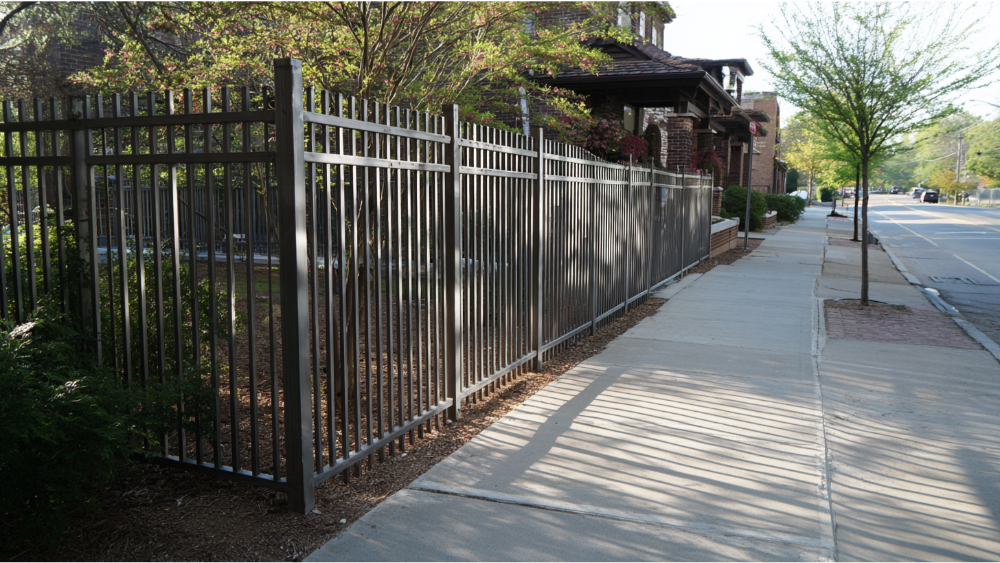
Digging Holes to the Correct Depth
Contractors dig holes using a post hole digger, ensuring each hole meets the required depth for the desired height of the fence. These post holes must account for soil conditions and climate factors. Shallow holes can cause fence posts to shift over time, which weakens the entire fence line. Contractors dig holes carefully to ensure consistency across all holes.
Creating a Stable Base with Concrete
A strong concrete mix is used to set fence posts and create a stable base. Concrete prevents movement and ensures the posts remain aligned correctly. Without concrete, the fence installation process would not produce a long-lasting result. Each post is placed into the hole and surrounded with concrete, which is then leveled and allowed to set properly.
Keeping Posts Aligned Correctly
During post installation, contractors use a string line to keep all fence posts aligned correctly along the fence line. Minor adjustments are made before the concrete sets to ensure every post is straight. This step is critical because once the concrete hardens, changes are difficult and can affect the entire fence installation process.
Step 4 | Attaching and Installing Fence Panels
Methods to Attach Fence Panels
Contractors attach fence panels using brackets or by inserting rails into pre-cut openings in the posts. Brackets and fasteners must be installed according to the manufacturer’s instructions to ensure durability and long-term performance. Each panel is positioned carefully before being secured.
Ensuring Panels Are Securely Attached
Installing fence panels requires attention to detail. Contractors make sure panels are level, evenly spaced, and securely attached to each post. Proper alignment ensures the fence maintains both security and aesthetic appeal. Panels that are securely attached help prevent tampering and increase overall durability.
Hardware and Fasteners
High-quality fasteners and brackets are used to prevent corrosion and wear. These components are essential for keeping panels securely attached and maintaining the overall quality of the fence. Proper material selection ensures the fence remains low maintenance over time.
Step 5 | Installing Gates for Maximum Security
Reinforced Gate Posts
Gate posts are heavier and set deeper than standard fence posts because they support moving parts. Proper fence post installation in these areas is critical for long-term performance and maintaining security.
Hinges and Latches
Gates must close smoothly and remain secure when shut. Contractors install hinges and latches carefully, ensuring proper alignment and function so gates close smoothly every time.
Common Gate Issues
Improper installation can lead to sagging or misalignment. Professional installation prevents these problems and ensures gates function reliably while maintaining security.
Step 6 | Handling Slopes and Uneven Terrain
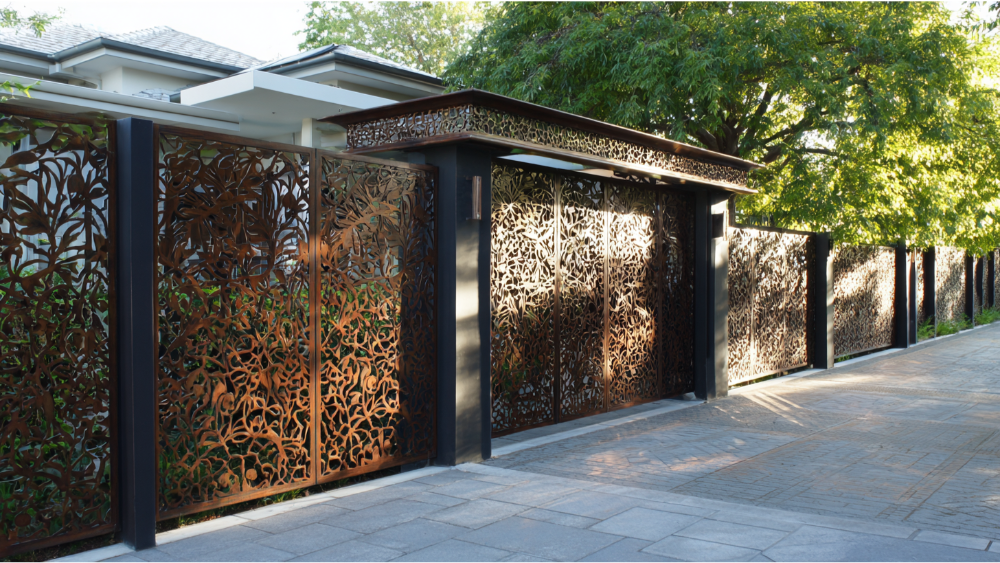
Racking vs Stepping
Terrain can vary depending on the property, so contractors adjust the installation process accordingly. Panels may be racked or stepped to follow the ground while maintaining security and structural integrity.
Preventing Gaps
Proper installation ensures there are no gaps under the fence that could reduce security or allow access beneath the fence panels.
Maintaining Visual Appeal
A well-installed fence maintains consistent lines and strong visual appeal, even on uneven ground. Decorative elements and clean alignment improve the overall aesthetic appeal of the property.
Step 7 | Final Inspection and Finishing Touches
Alignment and Stability Checks
Contractors inspect the entire fence line to ensure all posts, panels, and brackets are secure. Minor adjustments are made if needed to improve alignment and strength.
Structural Integrity
Every part of the fence installation process is reviewed to confirm the fence is stable, secure, and built to last.
Finishing Touches
Finishing touches include cleaning the fence, applying paint if needed, and installing post caps. These finishing touches improve durability and enhance the visual appeal of the metal fence.
Common Mistakes That Lead to Fence Failure
Common mistakes include shallow post holes, improper spacing, and skipping concrete. These issues reduce the overall quality and security of the fence. Using the right tools, following the correct process, and ensuring careful planning prevents these problems and improves long-term results, especially when you understand when vinyl fence posts need concrete for stability.
Why Hiring a Professional Fence Contractor Matters
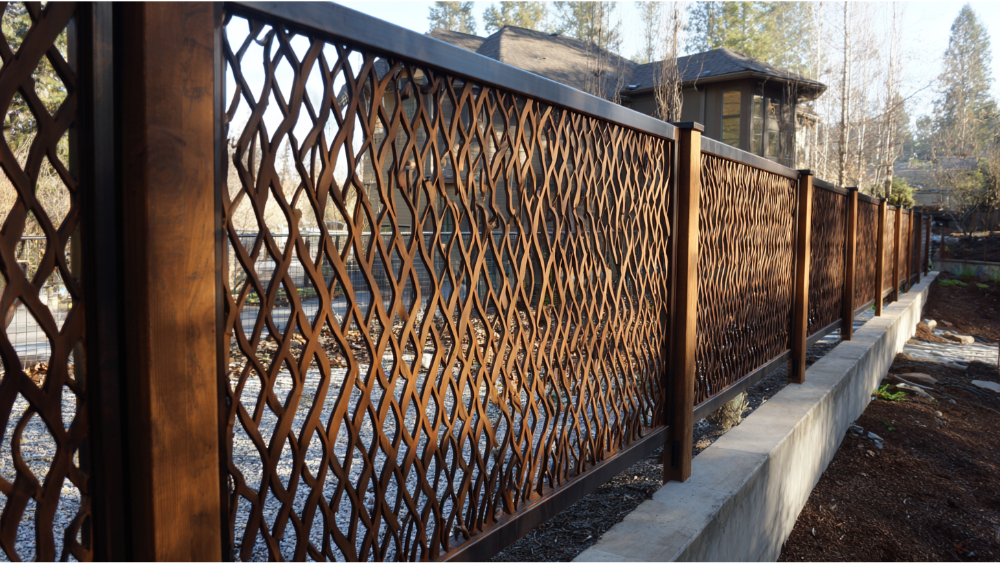
A professional fence contractor brings experience, proper tools, and knowledge of local regulations. Continuing Best Built Fence’s legacy of expert installation and service, professional installation ensures the fence is installed correctly and built to last. Attempting the installation process without experience can lead to costly mistakes, poor alignment, and reduced security.
Why Property Owners Choose Inline Security Fence
Inline Security Fence focuses on security, durability, and craftsmanship. From material selection to final installation, every step is handled with care. Our team uses the right tools, follows best practices, and ensures every fence meets high standards for security and performance, reflecting our family-owned fencing company’s commitment to quality.
FAQs About Ornamental Fence Installation
How deep should fence posts be set?
Fence posts should be set deep enough to create a stable base, typically with concrete, to prevent shifting and maintain alignment.
Can fence panels be installed without concrete?
Concrete is recommended for all fence installation projects to ensure long-term stability and durability.
How long does installation take?
The timeline can vary depending on the size of the property and project complexity, but most projects are completed efficiently with proper planning.
What materials are best for ornamental fencing?
Metal fence options like aluminum and wrought iron are popular due to durability, strength, and low maintenance benefits.
Do ornamental fences require maintenance?
While considered low maintenance, they still benefit from maintenance tips like cleaning with mild soap, checking fasteners, and occasional paint touch-ups.
Final Thoughts: Secure Installation Makes the Difference
A secure fence installation process ensures your fence protects your property and maintains its visual appeal for years. From proper planning to finishing touches, every step plays a role in the final result. When installed by professionals, ornamental fence panels provide lasting security, strength, and aesthetic value.