When property owners ask how vinyl fence posts are reinforced during installation, they are usually trying to avoid one thing: a fence that leans, shifts, or fails too early. A vinyl fence looks clean and low maintenance on the surface, but the real strength comes from what is built below and inside each fence post. In this guide, we break down exactly how are vinyl fence posts reinforced during installation, what methods are used in professional work, and how to ensure your fence is built to last from the ground up. If you are installing a new vinyl fence or upgrading an existing one, it is important to understand how vinyl fence posts are reinforced during installation so you can choose the right solution.
Why Reinforcement Matters in Vinyl Fence Installation
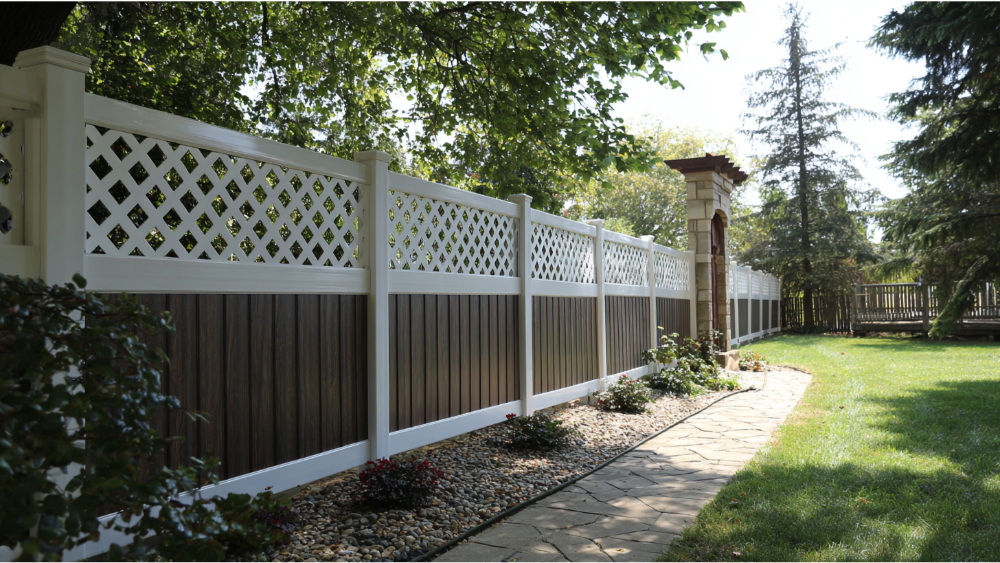
A vinyl fence is not solid all the way through. Each vinyl post is hollow, which means the structure depends heavily on how the posts are set and reinforced during installation. Without proper reinforcement, even high-quality fence panels can fail.
Common problems include leaning posts, loose panels, and a gate that will not stay aligned. These issues often come from poor installation, shallow holes, or not using the right reinforcement method. The goal is to provide additional stability so the fence can withstand pressure from wind, soil movement, and daily use. Reinforcement helps prevent shifting, keeps the fence line straight, and ensures the entire structure stays secure over time. When done correctly, the posts hold the fence panels firmly in place and maintain alignment across every section.
The 3 Main Ways a Vinyl Post Is Reinforced
1 | Concrete Footings: The Standard Method
The most common method for reinforcing vinyl fence posts is setting them in concrete. This process starts by digging a hole for each fence post. The depth depends on soil conditions and local frost lines but typically ranges from 24 to 36 inches. For homeowners planning a project, understanding when vinyl fences should have concrete around the post can help you choose the right installation approach.
Once the hole is prepared, the post is positioned and concrete is poured around the base. This creates a strong anchor in the ground and helps the post withstand movement over time. Concrete provides additional stability by locking the post into place. When the concrete cures properly, it prevents the post from leaning or shifting under pressure.
This method works well for standard fence panels and line posts, especially when installing with proper spacing and alignment using a string line to align each section.
2 | Internal Aluminum Inserts: A Common Upgrade
Another widely used method is placing an insert inside the vinyl post. These aluminum inserts are designed to fit tightly inside the hollow posts and provide additional strength.
This reinforcement method is especially important for a gate post, where the weight of the gate and repeated movement create stress on the structure. The insert helps the post handle that weight and prevents sagging over time.
Inserts are also used in end posts and corner posts to provide additional stability in areas where the fence changes direction or supports more pressure. By reinforcing the post from the inside, this method helps prevent flexing and keeps the fence panels aligned. It also creates a more secure point for attaching brackets, screws, and hardware that connect each rail and top rail section.
3 | Steel Post Systems: A High-Strength Solution
For maximum durability, some installations use galvanized steel posts. In this method, the steel post is driven into the ground or set in concrete, and the vinyl post is placed over it like a sleeve. If you are still deciding on materials, comparing composite fencing versus vinyl fencing costs and performance can clarify which system best fits your budget and goals.
This approach shifts the structural load away from the vinyl and onto the steel. The result is a fence that can withstand more pressure and last longer under demanding conditions.
Steel systems are often used for commercial fencing, high-wind areas, or properties that need a more durable solution. The vinyl exterior maintains appearance while the steel core provides strength.
Which Vinyl Fence Posts Need Reinforcement?
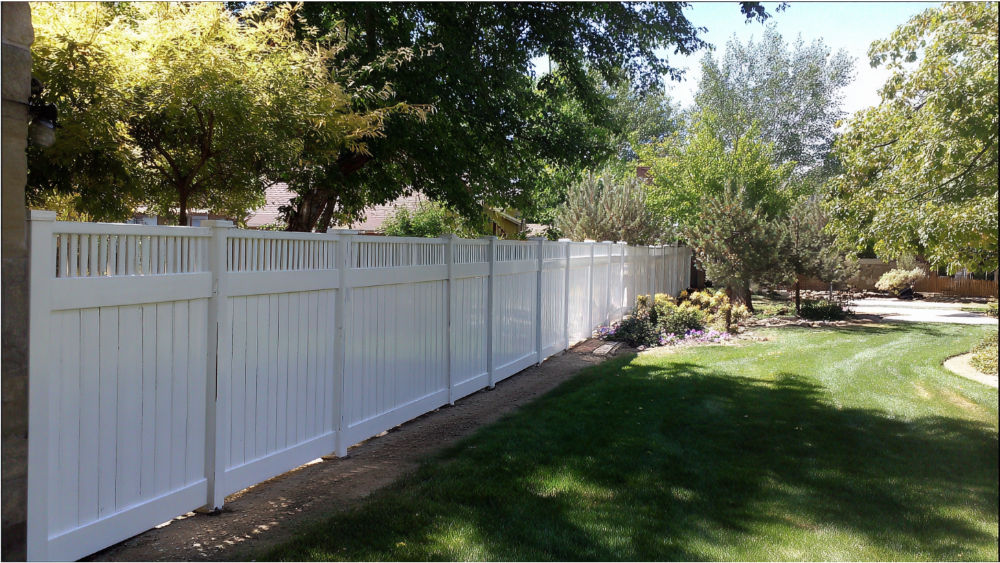
Not all posts carry the same load, so reinforcement is required in specific areas.
Gate Posts
A gate post is the most important post in the entire fence. It supports the weight of the gate and must handle constant movement. Without reinforcement, the gate will sag or pull the post out of alignment. Reinforcing this post is essential to ensure long-term performance.
Corner Posts
Corner posts must handle pressure from multiple directions. Reinforcement helps these posts stay aligned and prevents shifting that can affect the entire fence line.
End Posts
End posts anchor the fence and help hold tension across each section. Reinforcing them provides additional stability and ensures the fence stays secure.
Line Posts
Line posts are positioned between sections of fence panels and typically carry less weight. In many cases, concrete alone is enough. However, reinforcement may be required in high-wind areas or for taller fence panels.
Reinforcement Methods Compared: Pros and Cons
- Concrete Only
Pros: Cost-effective and widely used
Cons: May not provide enough strength for a gate or high-stress areas - Aluminum Inserts
Pros: Strong, lightweight, and durable
Cons: Adds to project cost but is a great long-term solution - Concrete and Rebar Fill
Pros: Creates a very rigid structure using rebar and concrete
Cons: Requires more labor and careful installation - Steel Post Systems
Pros: Highest strength and long-term durability
Cons: Higher upfront investment
How Soil, Weather, and Location Affect Post Reinforcement
Soil conditions play a major role in how posts are installed. Soft soil may require deeper holes and more concrete to provide additional stability. Rocky ground can make digging more difficult and may require adjustments during installation. In areas like Bothell, partnering with a local commercial fence contractor in Bothell, WA helps ensure your design accounts for these on-site challenges.
Frost lines are another factor. Posts must be set below the frost line to prevent movement during seasonal changes.
Wind exposure increases pressure on the fence panels and posts. In open areas, reinforcement is often required to ensure the fence can withstand these conditions. Commercial properties in places like Auburn often benefit from working with a dedicated commercial fence contractor in Auburn, WA who understands local site conditions.
Proper drainage is also important. Water buildup around the base can weaken the concrete and cause posts to shift over time. Businesses dealing with complex grading or drainage may want guidance from a commercial fence contractor in Bellevue, WA that regularly designs fences for challenging sites.
Common Installation Mistakes That Lead to Weak Posts
Many fence failures come from avoidable mistakes, and in some cases these issues become severe enough that a full wood fence replacement with proper planning and installation is the most practical long-term fix:
- Not digging a deep enough hole for each fence post, which reduces stability and causes leaning
- Skipping reinforcement on a gate post, leading to sagging and misalignment
- Poor concrete mixing or not allowing enough time to set properly
- Not using the right tools such as a hammer drill when installing brackets and screws
- Failing to align posts using a string line, causing uneven fence panels
- Not placing rebar inside posts when required for additional stability
These mistakes can lead to costly adjustments and repairs later.
Professional vs. DIY Installation: Why Reinforcement Is Done Differently
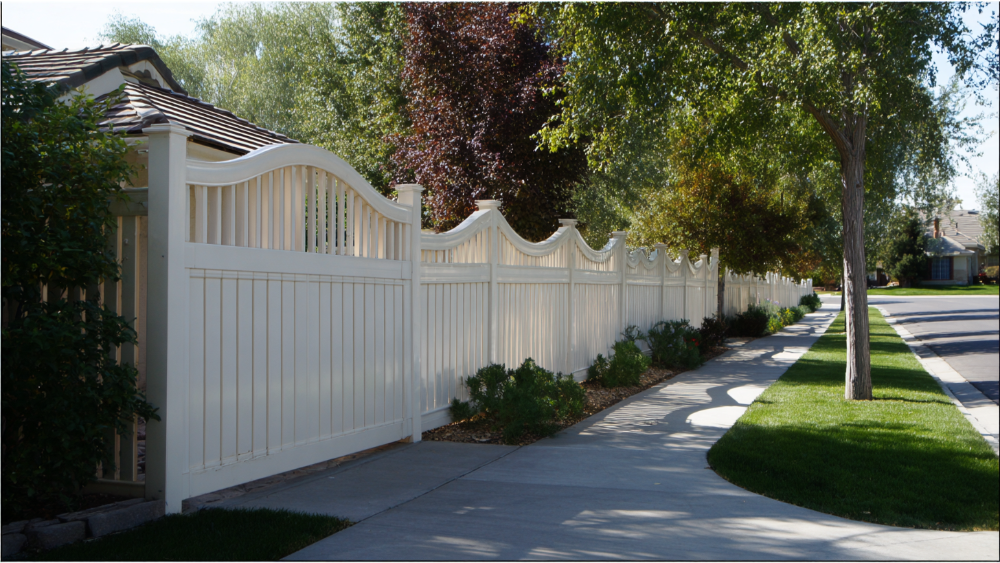
Installing a vinyl fence may seem simple, but reinforcement requires experience. Professionals understand how to dig the right hole, set each fence post correctly, and choose the best method for each section. Working with a team like Inline Security Fence’s experienced fencing professionals ensures those details are handled correctly.
They know how to drill accurately for brackets and screws, how to connect each rail, and how to ensure everything is aligned.
A DIY approach may miss key steps, such as using inserts, adding rebar, or ensuring posts are positioned correctly. Professional installation ensures the fence is built to last and continues Best Built Fence’s legacy of high-quality, durable fencing solutions.
How Inline Security Fence Reinforces Vinyl Fence Posts
At Inline Security Fence, every installation is built with long-term performance in mind. We evaluate soil, layout, and fence design before digging begins, whether it’s for a home or a project needing a commercial fence contractor in Medina, WA.
Our team handles digging, sets each post at the correct depth, and uses high-quality concrete to anchor the posts securely.
Where needed, we install an insert inside the post or use galvanized steel systems to provide additional stability. Each post is aligned using a string line and secured with precision.
Our process ensures every fence is built strong, straight, and ready to withstand real-world conditions.
How to Know If Your Existing Vinyl Fence Needs Reinforcement
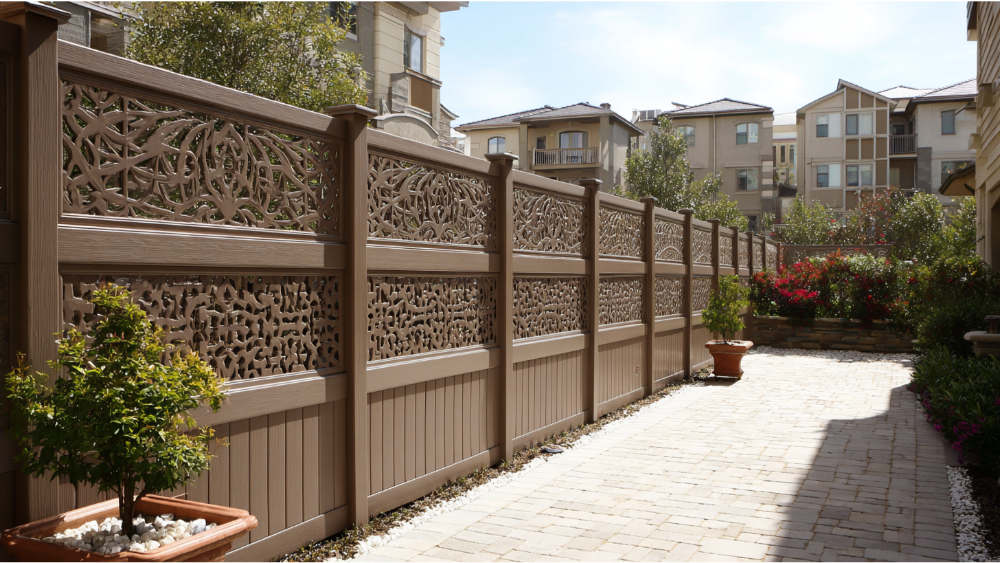
If your current fence is showing signs of movement, it may need reinforcement. Look for leaning posts, loose panels, or a gate that does not close properly.
These issues often mean the posts were not properly reinforced during installation. In some cases, you can fill gaps with concrete or add inserts inside the post. In other situations, replacing the post may be the better solution, especially for commercial properties that may turn to a commercial fence contractor in Marysville, WA for comprehensive repair or replacement.
Cost Factors for Reinforcing Vinyl Fence Posts
The cost of reinforcement depends on the method used. Concrete is the base cost for most installations, while inserts, rebar, and galvanized steel systems add to the total.
Materials such as brackets, screws, and rails also affect the cost. Labor plays a role, especially when digging, drilling, and installing more complex systems.
While the upfront investment may be higher, reinforcement helps prevent future repairs and extends the life of the fence.
FAQs About Vinyl Fence Post Reinforcement
Do all vinyl fence posts need reinforcement?
Not all posts require reinforcement, but key areas like a gate post should always be reinforced to ensure stability.
What is the strongest way to reinforce a vinyl fence post?
Using galvanized steel or combining concrete with rebar provides the highest level of strength.
Can I add reinforcement after installation?
Yes, you can add an insert inside the post or pour additional concrete around the base to improve stability.
How deep should a fence post be set?
Most posts are set between 24 and 36 inches deep depending on soil and ground conditions.
Will reinforcement prevent my fence from leaning?
Yes, proper reinforcement helps prevent leaning and keeps the fence secure over time.
Final Thoughts: Building a Vinyl Fence That Lasts
A vinyl fence is only as strong as the posts that support it. Reinforcement is an essential part of the installation process that helps the fence withstand pressure, weight, and environmental changes.
By choosing the right method, using quality materials, and ensuring each post is properly set and secured, you can build a durable fence that performs for years.
Get a Professional Vinyl Fence Installation
If you want a fence built for long-term performance, proper reinforcement is the first step. Inline Security Fence delivers expert installation using proven methods that provide additional stability and long-lasting results.
Contact us today to get started with a fence solution that is built to last.