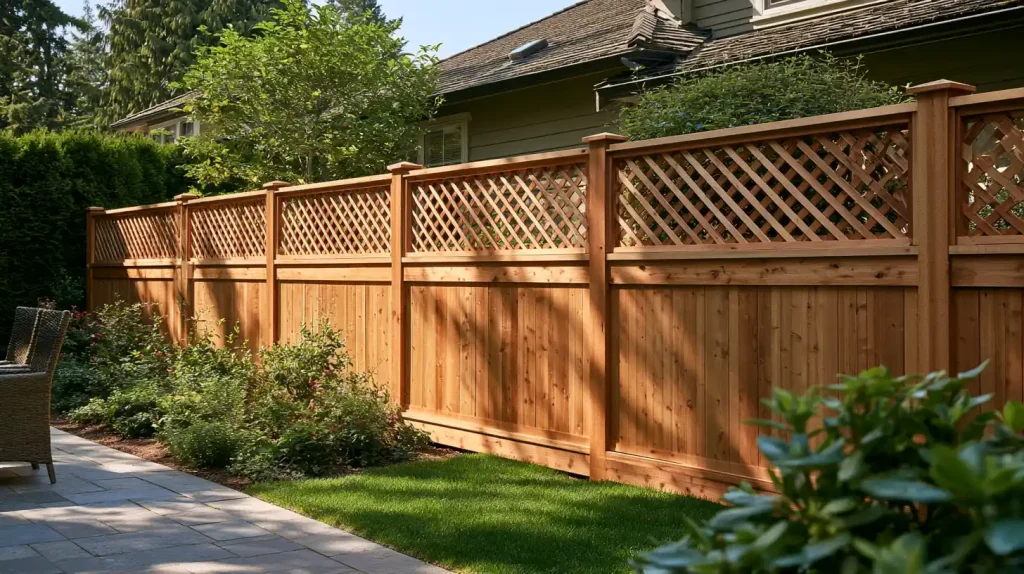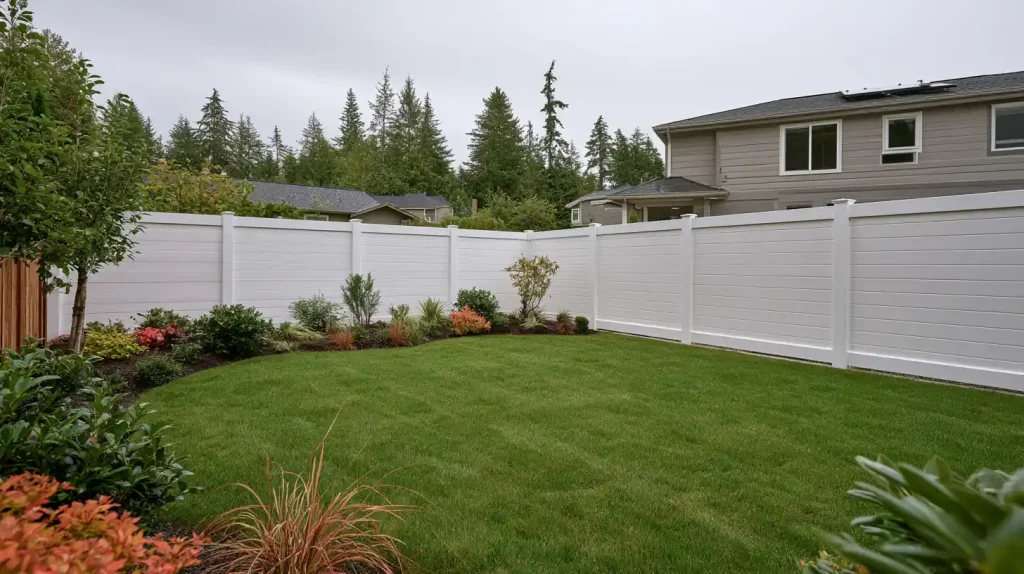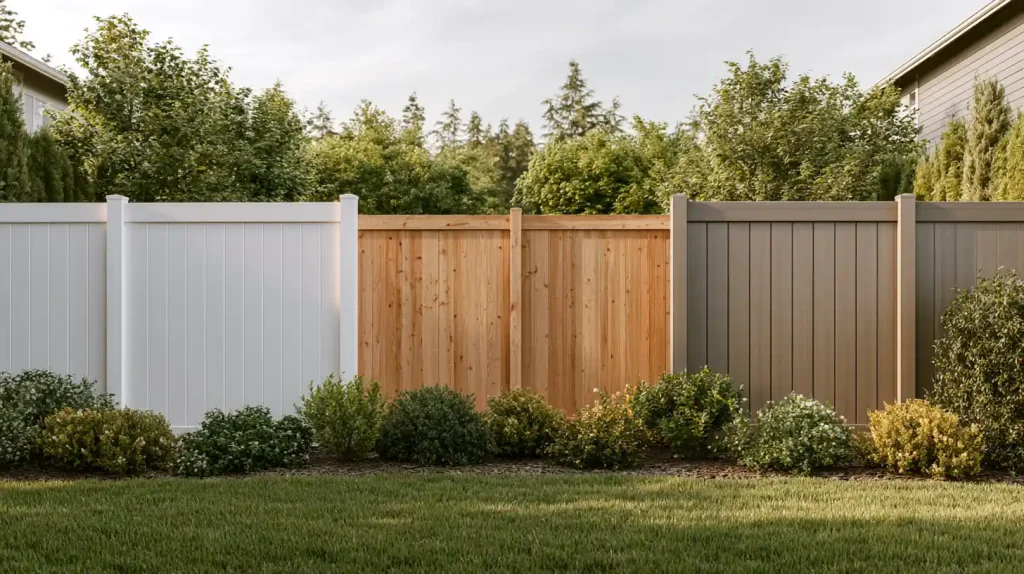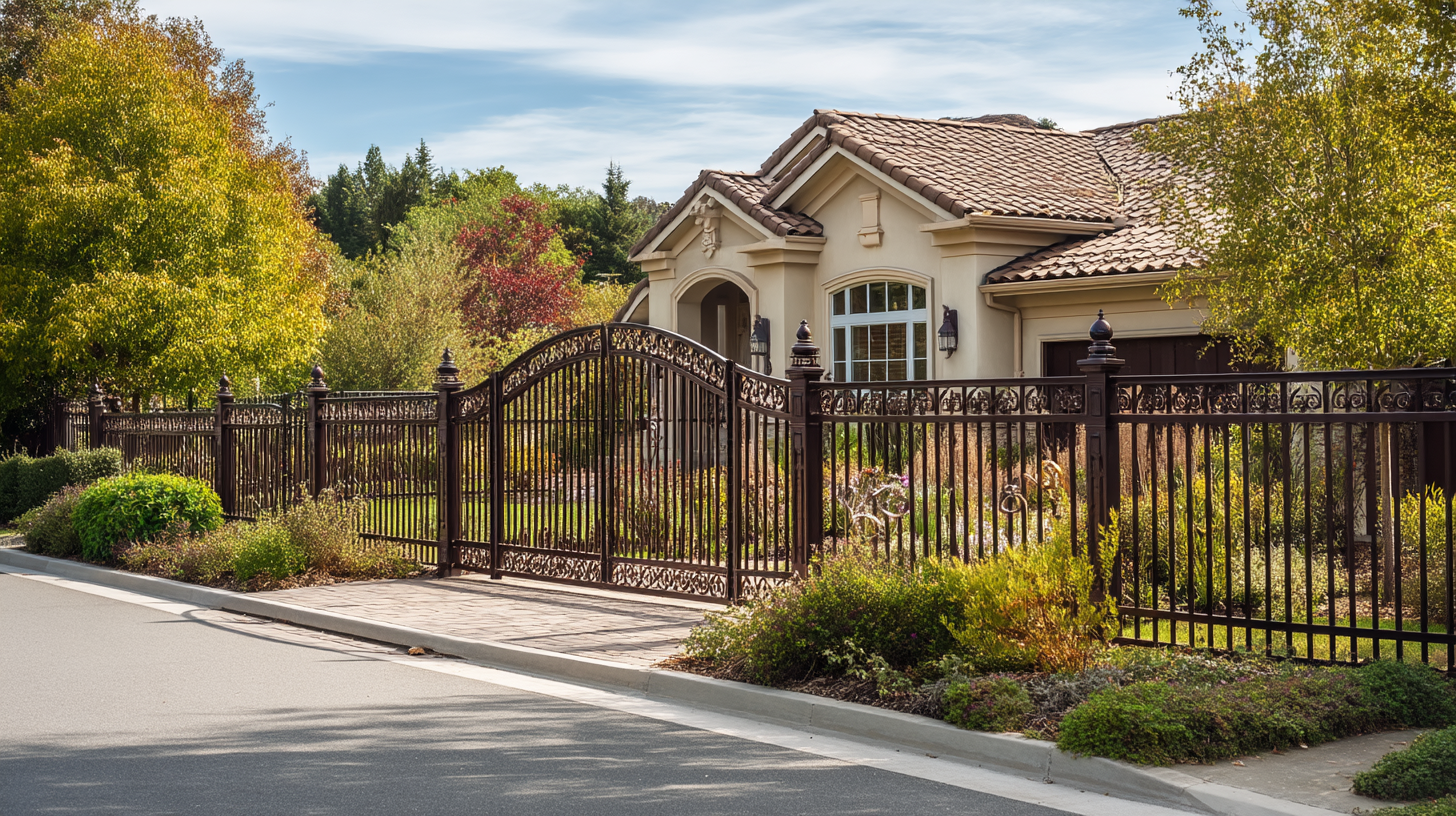
Ornamental fences are one of the most effective ways to improve curb appeal while creating structure, security, and definition across an outdoor space. When homeowners invest in thoughtful landscape design that includes trees, garden beds, decorative gravel, or water features, the fence installation process must be handled with precision. Understanding how are ornamental fences installed around landscaping features helps ensure the final result protects your investment, enhances your home’s exterior, and creates a visually appealing finish that feels intentional, not forced.
Understanding the Goal: Protecting and Enhancing Your Landscape
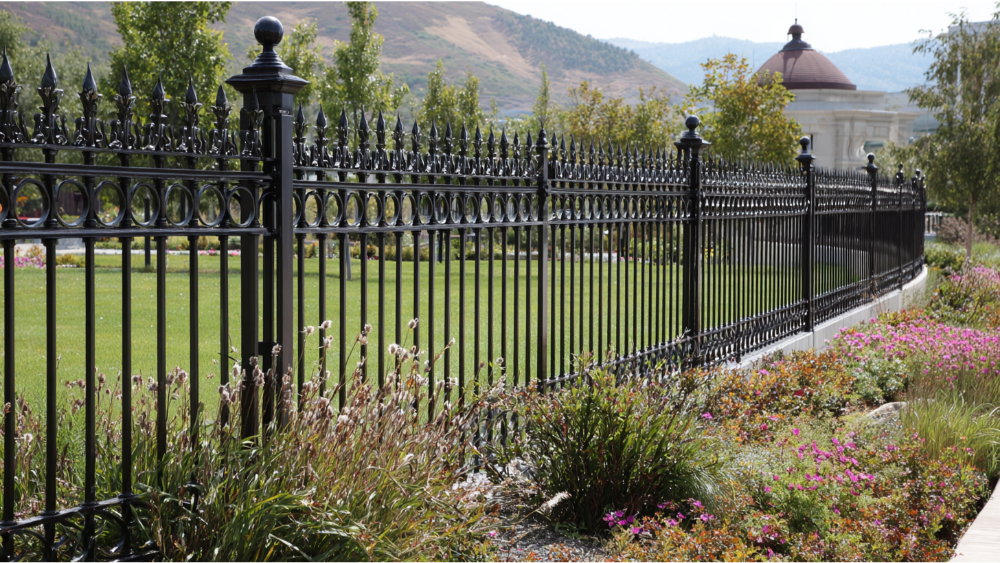
A well-designed fence does far more than act as just a boundary; it becomes an integral part of the outdoor environment. Ornamental fences are chosen to boost curb appeal while also supporting privacy and security. Whether your outdoor space includes flowering plants, tall ornamental grasses, or a cottage-style garden, the right fence should complement these features while maintaining visual harmony.
Decorative fencing, including wrought iron, aluminum fencing, and other metal fences, is often selected for its ability to add architectural interest and clean lines. Compared to a wooden fence or chain link, ornamental fences provide timeless charm and significantly enhance the home’s curb appeal. A beautiful fence can also increase property value while adding character and defining spaces within the outdoor area.
Site Evaluation and Layout Planning
Mapping the Fence Line Around Existing Features
The first step in professional fence installation is mapping the fence line carefully around landscaping features. This includes confirming property lines, understanding how far a fence should be from the property line, evaluating any existing fence, and identifying how the fence interacts with garden beds, flowering shrubs, and decorative elements. Fence line landscaping plays a major role in ensuring the fence blends naturally into the outdoor environment.
Instead of forcing a straight layout, installers design the fence line to follow curves, edges, and transitions in the landscape design. This approach creates a visually appealing flow while preserving access to outdoor furniture, decorative gravel, and water features. It also ensures the fence works with the natural layout of the property rather than against it.
Identifying Problem Areas Early
Installers evaluate drainage, slopes, soil conditions, and underground obstacles before installation begins. These factors influence fence design, spacing, and post placement. Proper planning ensures the fence can handle harsh weather conditions while maintaining stability and alignment over time, while also helping you understand the overall cost of fencing projects.
Working Around Trees and Root Systems
Avoiding Structural Damage to Trees
Trees are one of the most important landscaping features to protect during fence installation. Cutting roots can damage the tree and compromise the fence. Instead, installers adjust the fence line to avoid major root systems, preserving both the tree and the structural integrity of the fence.
Adjusting Post Placement for Stability
Post placement is modified when needed to avoid roots. Panels may be shortened or adjusted to maintain consistency. This approach ensures the fence remains secure while maintaining the natural beauty and aesthetic appeal of the landscape design.
Installing Around Flower Beds and Garden Features
Creating Clean Borders Without Disruption
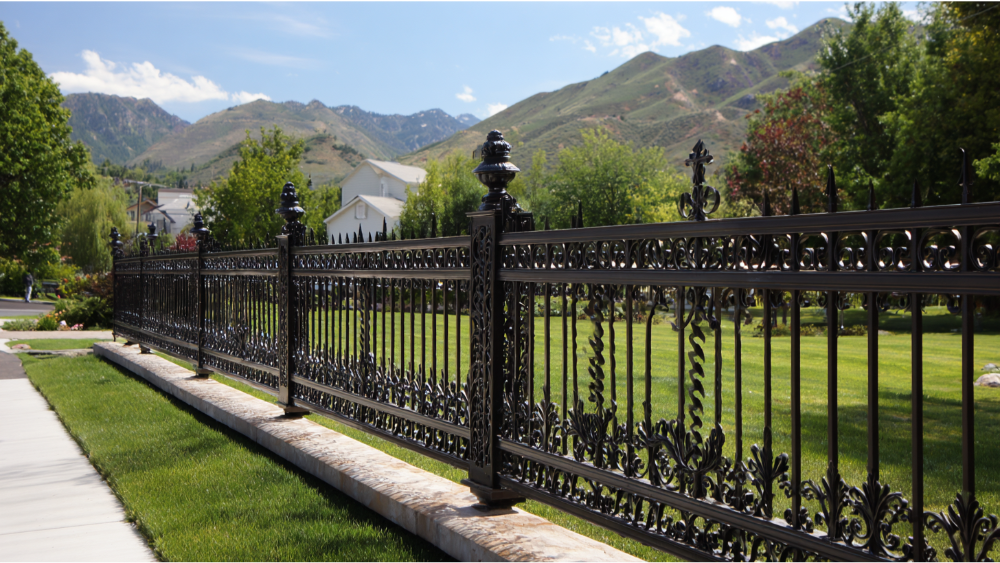
Garden beds and flowering plants are often focal points within an outdoor space. Ornamental fences are installed along the edges of these areas to create clean borders that enhance visual appeal without disrupting the design.
Allowing Space for Maintenance
Installers leave space for ongoing care, ensuring access for trimming, watering, and seasonal upkeep. Features like climbing plants, climbing roses, hanging planters, and even a vertical garden can be incorporated into fence design using lattice panels. This adds vertical interest and creates a more visually appealing result.
Navigating Slopes and Elevation Changes
Racked vs Stepped Fence Installation
Sloped landscapes require specialized techniques. Racked panels follow the contour of the ground, while stepped panels maintain level sections. Both methods are used depending on the terrain and desired fence design.
Matching the Fence to the Terrain
A tall fence installed on uneven ground must be carefully aligned to prevent gaps. Matching the fence to the terrain ensures the final result is both functional and visually appealing. This is especially important for decorative fencing and modern style properties that rely on clean lines.
Installing Along Retaining Walls and Hardscapes
Surface Mount vs In-Ground Posts
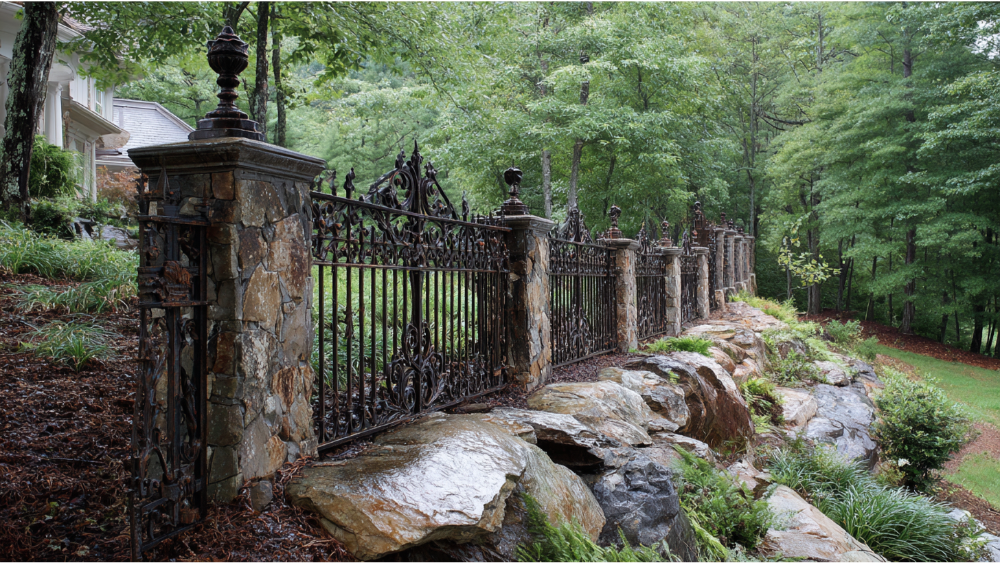
When installing near retaining walls, posts may be surface mounted or installed in the ground. The choice depends on the structure and overall fence design. This ensures the fence integrates seamlessly with architectural features and supports the home’s architecture.
Maintaining Structural Integrity
Proper installation ensures long-term stability. Accounting for drainage, soil movement, and structural load helps the fence perform well over time and significantly enhance the outdoor environment.
Managing Drainage and Soil Conditions
Preventing Water-Related Issues
Drainage issues can lead to erosion and instability. Installers avoid placing posts in low spots or areas where water collects, protecting both the fence and surrounding landscape design.
Strategic Post Placement
Strategic placement ensures the fence remains stable while preserving decorative details like decorative gravel and irrigation systems. This helps maintain visual harmony throughout the outdoor space.
Post Installation and Structural Support
Setting Posts for Long-Term Performance
Posts are installed at proper depth and secured with concrete. This applies to all fence materials including vinyl fencing that often benefits from concrete-set posts, wooden fence systems, and metal fences. Proper installation ensures durability and low maintenance performance.
Reinforcing Key Areas
High stress areas like gates require additional reinforcement. This ensures smooth operation and supports maintaining privacy over time.
Panel Installation and Custom Adjustments
Fitting Panels to Non-Standard Layouts
Panels are adjusted to fit unique layouts around landscaping features. This ensures the fence maintains a consistent and visually appealing appearance.
Maintaining Visual Consistency
Consistency in spacing and alignment is critical. This creates a cohesive look that enhances the home’s exterior and overall curb appeal.
Gate Placement Around Landscaping Features
Strategic Positioning for Accessibility
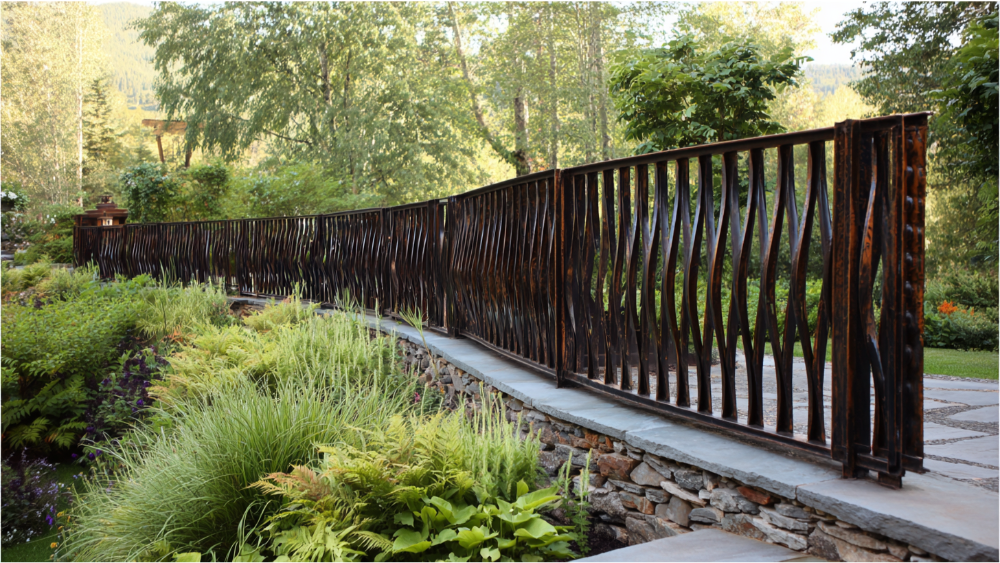
Gates are placed to allow easy access without disrupting landscaping features or outdoor furniture arrangements.
Ensuring Proper Support and Alignment
Gate posts are reinforced to ensure durability and smooth operation. Proper alignment ensures long-term performance.
Why Professional Installation Matters
Installing ornamental fences requires expertise. Every property has unique challenges, and professional installers understand how to adapt to different landscape design elements. Fence styles range from picket fences to privacy fence options, and choosing the right fence depends on both function and aesthetic goals, especially when working with companies that continue a legacy of fencing excellence.
A privacy fence may be ideal for maintaining privacy, and homeowners exploring high-screened designs can find high privacy fence ideas for 2025, while ornamental fences offer a balance between openness and security. Solid fences provide maximum coverage, while options like vinyl fencing and aluminum fencing offer low maintenance durability, and homeowners with aging wood enclosures may need to consider wood fence replacement for improved performance and appearance.
Common Mistakes to Avoid
- Forcing straight lines through complex landscape design can reduce visual appeal and create structural issues
- Ignoring drainage can lead to long-term damage and instability
- Cutting through roots can harm trees and weaken the fence
- Skipping professional planning often leads to costly mistakes
FAQs
How close can a fence be installed to landscaping features?
Distance varies, but installers typically leave enough space to protect plants and allow maintenance.
What fence materials work best?
Options include vinyl fencing, wrought iron, aluminum fencing, and wooden fence systems depending on the outdoor environment, and homeowners may also compare composite versus vinyl fencing costs and performance when planning a project.
Can fences follow curves?
Yes, ornamental fences can be customized to follow curves and create visual interest.
Will installation damage landscaping?
Professional installation minimizes disruption and protects existing features.
What fence styles improve curb appeal?
Decorative fencing, picket fences, and modern style metal fences are popular choices that boost curb appeal.
Final Thoughts: Designing a Fence That Works With Your Landscape
Ornamental fences are an essential part of a well-planned outdoor space. They define areas, add character, and support both privacy and security while enhancing the home’s curb appeal. A well-designed fence can transform an outdoor area into a cohesive and functional space that reflects personal style.
From privacy fence solutions to decorative fencing with intricate designs and horizontal slats, the right fence can significantly enhance the property’s overall appearance. Whether you are working with a simple fence, a tall fence, or upgrading from an existing fence, partnering with a professional fencing company like Inline Security Fence helps ensure the goal is to create a durable, low maintenance solution that complements the landscape design and improves the home’s exterior for years to come.