Choosing the Right Custom Fence Starts With the Right Material
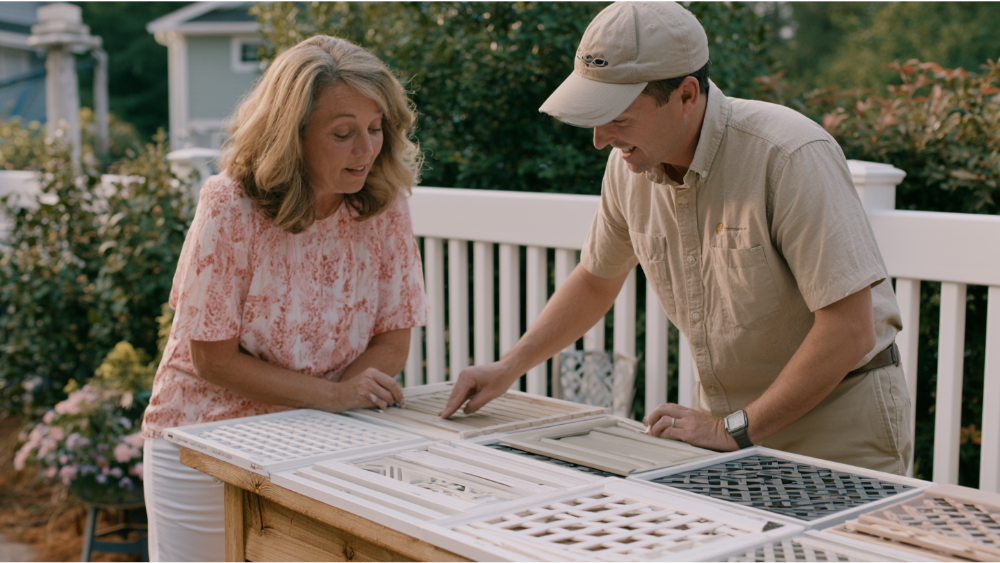
What materials are commonly used for custom fencing is one of the most important questions property owners ask before starting a new installation. The answer depends on how the fence will be used, the level of privacy or security required, and how much maintenance a property owner is willing to manage over time.
At Inline Security Fence, every fencing project begins with selecting the right fence material based on function, environment, and long-term performance goals. A fence is more than a boundary; it is a long-term investment in protection, curb appeal, and property value. Choosing the right fence ensures stronger performance, better durability, and lower maintenance over time.
There are many fencing materials available today, and each one serves a different purpose. Wood fencing, vinyl fencing, chain link fencing, composite fences, and metal systems all offer unique advantages depending on the property type and application. The right fence material helps create a reliable fencing solution that fits both budget and performance expectations.
Wood Fencing
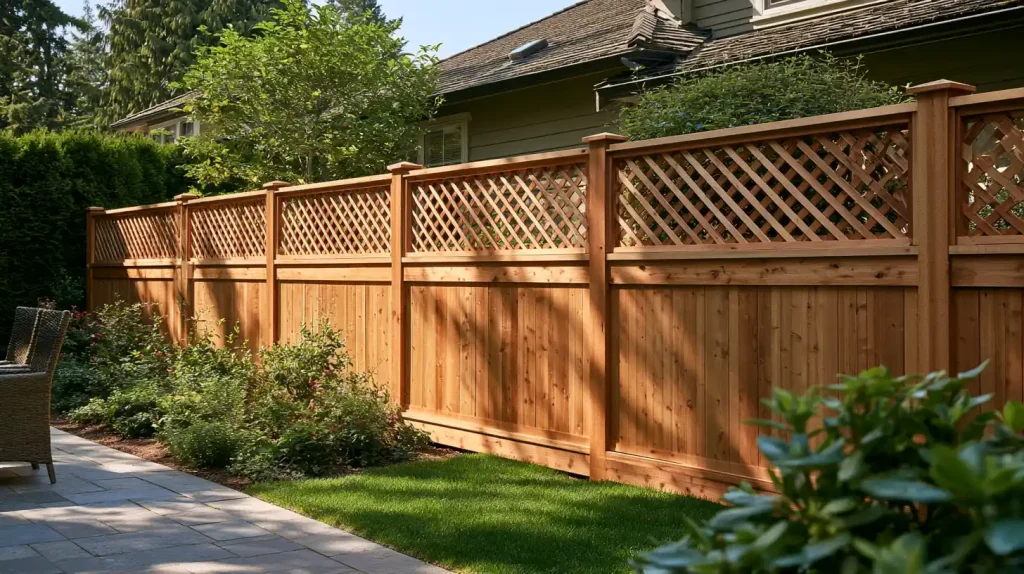
Wood fencing remains one of the most widely used fencing materials for residential properties because of its natural appearance and versatility. Many homeowners choose wood fencing because it delivers privacy, warmth, and strong curb appeal. It blends naturally into outdoor spaces and works well in a wide range of fencing styles, including traditional and decorative designs.
Natural wood is especially valued for its visual appeal, giving properties a classic look that many homeowners prefer over more industrial materials. Wood fencing is commonly used for privacy fence installations, backyard enclosures, and decorative boundary lines.
Most modern wood fencing uses treated wood to improve durability and reduce the risk of rot, insect damage, and moisture issues. Properly treated wood performs much better than untreated wood, especially in harsh weather conditions. However, even treated wood requires regular maintenance such as sealing, staining, and occasional cleaning to maintain its appearance and structural integrity, and there comes a point when wood fence replacement and planning a new installation is the most practical long-term solution.
Wood fencing is a durable choice when properly maintained, but it does require ongoing maintenance compared to other fencing materials. Without consistent maintenance, wood can warp or deteriorate over time. When properly cared for, wood fencing can deliver long-lasting performance and strong natural beauty.
Wood fencing is commonly used for privacy fences, picket fence designs, backyard fencing, and split rail fence styles in rural or open landscapes. It remains one of the most flexible fencing options available.
Vinyl Fencing
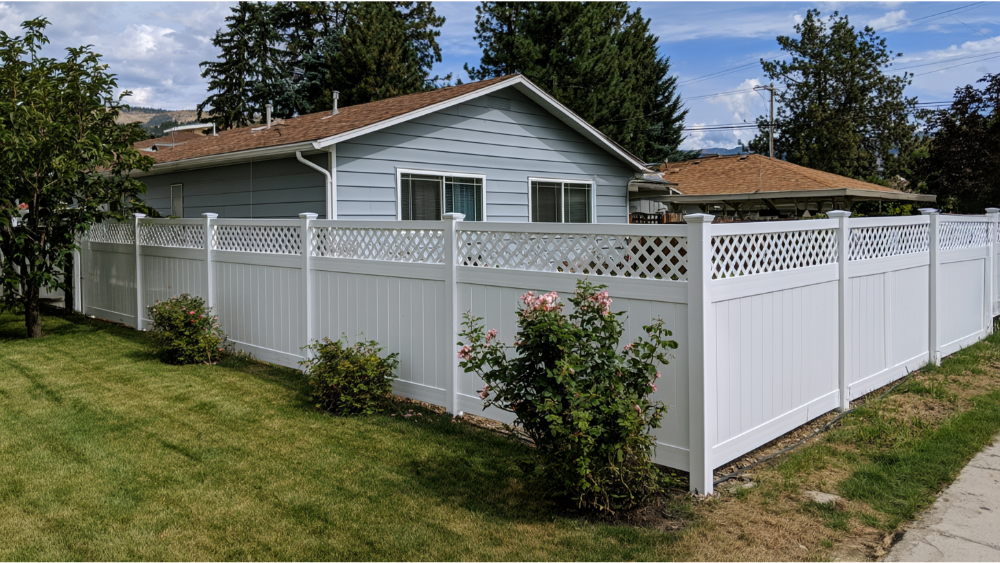
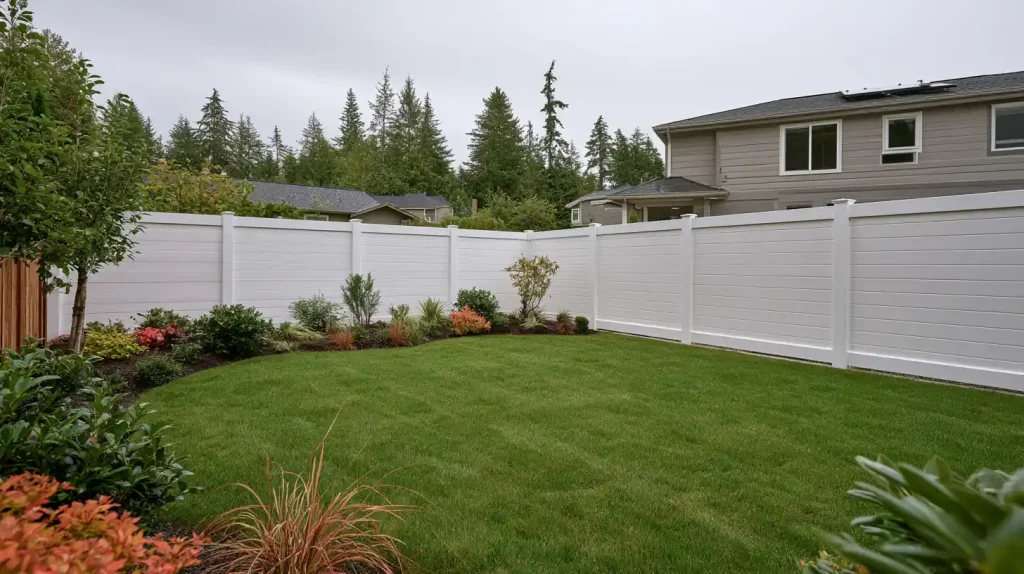
Vinyl fencing has become one of the most popular fencing materials for homeowners who want a clean appearance and minimal upkeep. Vinyl fencing offers a modern look that enhances curb appeal while requiring very little maintenance over time. Unlike wood fencing, vinyl does not require staining, painting, or sealing.
Vinyl fencing is highly resistant to moisture, fading, and insect damage, making it a reliable option for various climates and outdoor environments. It is often chosen for privacy fence applications where full panels provide complete visual screening.
One of the biggest advantages of vinyl fencing is its low maintenance nature. It only requires occasional cleaning to remove dirt and maintain its appearance. This makes it a strong option for property owners who want a low maintenance fencing solution without sacrificing visual appeal.
Vinyl fencing is commonly used for privacy fences, pool enclosures, residential boundary fencing, and HOA-compliant designs. It offers a balance of durability and aesthetics that works well for modern homes.
Chain Link Fencing
Chain link fencing is one of the most cost-effective fencing materials available and is widely used for both residential and commercial properties. It is valued for its durability, functionality, and ability to secure a property without blocking visibility.
Chain link fencing is commonly used for defining boundaries, keeping pets contained, and securing large outdoor areas. It is also frequently used in sports fields, schools, and industrial facilities where visibility and security are both important.
Modern chain link fencing can be customized with galvanized or vinyl-coated finishes for improved corrosion resistance and visual appeal. Vinyl-coated chain link provides a cleaner appearance while still maintaining strength and durability.
Additional customization options include privacy slats, reinforced posts, and heavier gauge materials for increased security. In some commercial applications, barbed wire may be added for additional perimeter protection where permitted.
Chain link fencing remains a reliable fencing solution for cost-conscious property owners who still require dependable security and long-term performance, and reviewing chain link fence cost per foot and key price factors can help you plan the right size and configuration for your property.
Aluminum Fencing
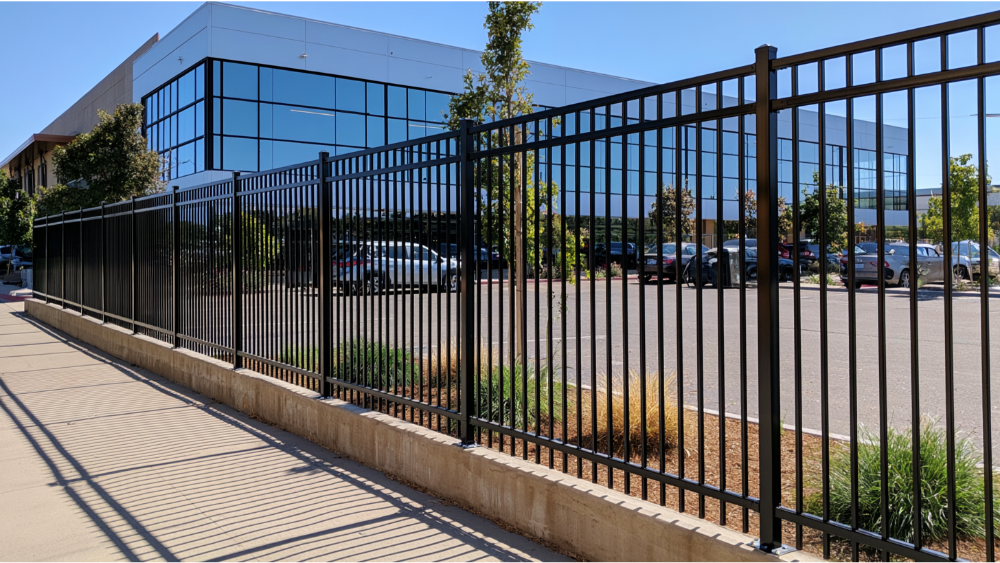
Aluminum fencing is often chosen for its decorative appearance and lightweight structure. It provides a visual style similar to wrought iron while offering better corrosion resistance and lower maintenance requirements.
Aluminum fencing is commonly used in residential properties where curb appeal is a priority. It works well for front yards, pool areas, and decorative perimeter fencing where maintaining visibility is important.
While aluminum fencing is not intended for high-security applications, it is a durable and low maintenance option that performs well in various climates. It does not rust and only requires occasional cleaning to maintain its appearance.
Aluminum fencing is often selected for properties that want a balance between elegance and function without the upkeep required by heavier materials like steel or traditional wrought iron.
Steel and Ornamental Metal Fencing
Steel fencing is one of the strongest fencing materials used in modern installations. It is commonly used for commercial properties, apartment complexes, and high-security environments where durability and strength are essential.
Steel fencing offers exceptional durability and long-lasting performance, especially in demanding weather conditions. It provides a strong physical barrier and can be customized for both security and aesthetic purposes.
Ornamental fencing often includes wrought iron style designs, which are valued for their classic elegance and visual appeal. Wrought iron-inspired fencing can include decorative picket tops, scrollwork, and custom gate designs that enhance both security and curb appeal.
Steel and wrought iron style fencing can also be powder coated for added protection and reduced maintenance requirements. This improves resistance to corrosion and helps maintain a consistent finish over time.
These fencing materials are commonly used for commercial fencing, gated communities, entry points, and decorative residential installations that require both strength and style, and they align well with our commitment to continuing Best Built Fence’s legacy of high-quality, durable fencing.
Composite Fencing
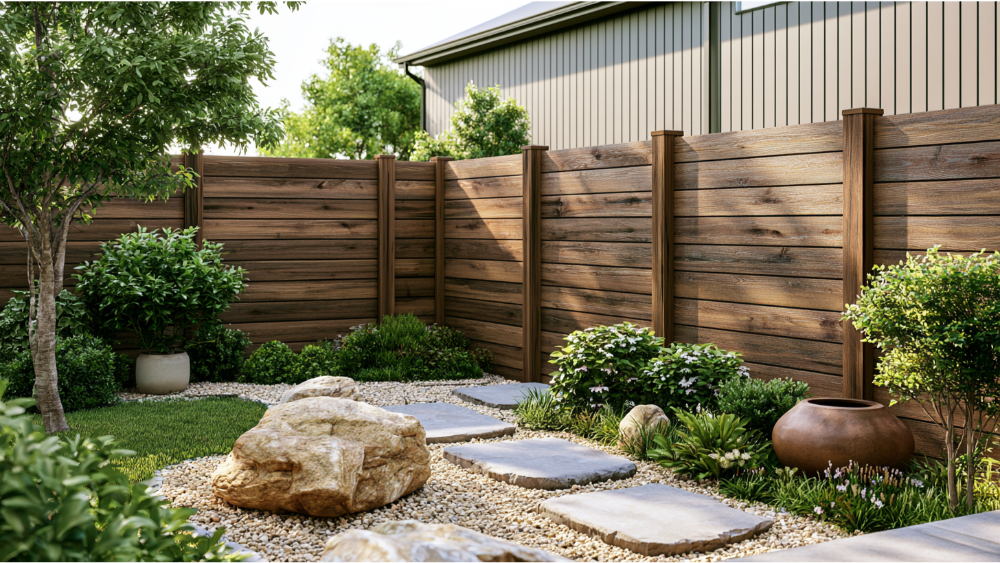
Composite fences are a modern alternative to traditional wood fencing and are increasingly popular among homeowners seeking low maintenance performance with a natural appearance. Composite fences are made from a combination of wood fibers and synthetic materials, creating a strong and durable product.
Composite fences offer the appearance of wood fencing while reducing the need for ongoing maintenance. They do not rot easily, resist insect damage, and maintain their appearance over time with minimal upkeep.
While composite fences often have higher upfront costs, they typically provide longer lifespan and reduced maintenance costs over the years. This makes them a strong long-term investment for privacy fence applications, especially when you compare composite fencing versus vinyl fencing costs and performance.
Composite fencing is commonly used for residential privacy fencing, modern home designs, and HOA-approved fencing systems where appearance and durability are both important.
Welded Wire, Mesh, and Security Fence Materials
Some properties require stronger fencing materials than standard residential options. Welded wire and mesh fencing systems are designed for high-security environments where strength and protection are essential.
These fencing systems are commonly used in industrial and commercial settings where preventing unauthorized access is a priority. They are designed to resist cutting, climbing, and forced entry attempts.
Security fencing systems can include reinforced steel framing, anti-climb mesh panels, and heavy-duty gate systems. In some cases, barbed wire is used as an additional deterrent where regulations allow.
These fencing solutions are commonly used for warehouses, utility sites, municipal facilities, storage yards, and restricted access areas where security is critical, making them a strong fit for businesses partnering with our commercial fence contractors in Bothell, WA.
How to Choose the Best Fence Material
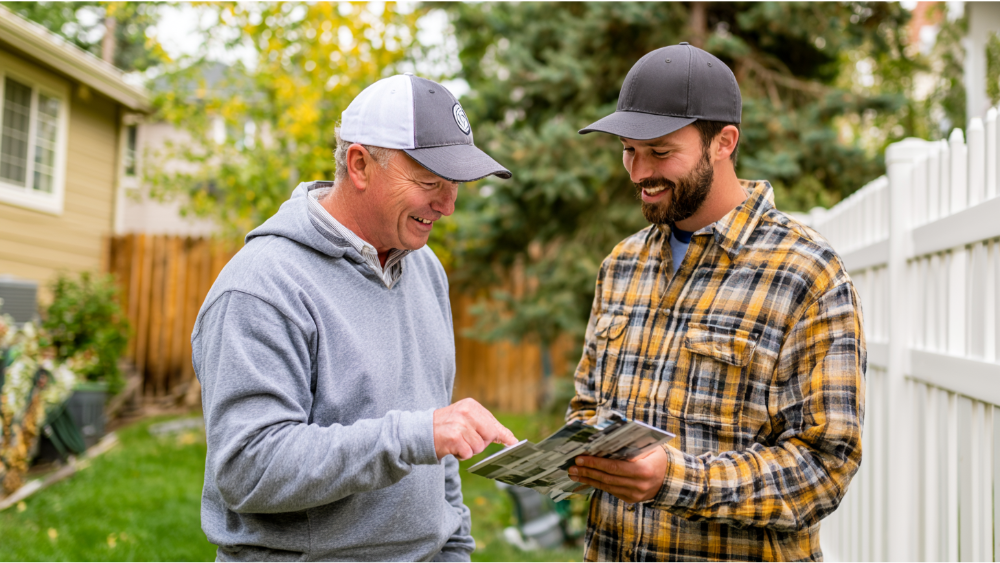
Choosing the right fence material starts with understanding the purpose of the fence. Privacy fence needs are very different from security fencing requirements or decorative fencing goals. The function of the fence determines the most suitable material.
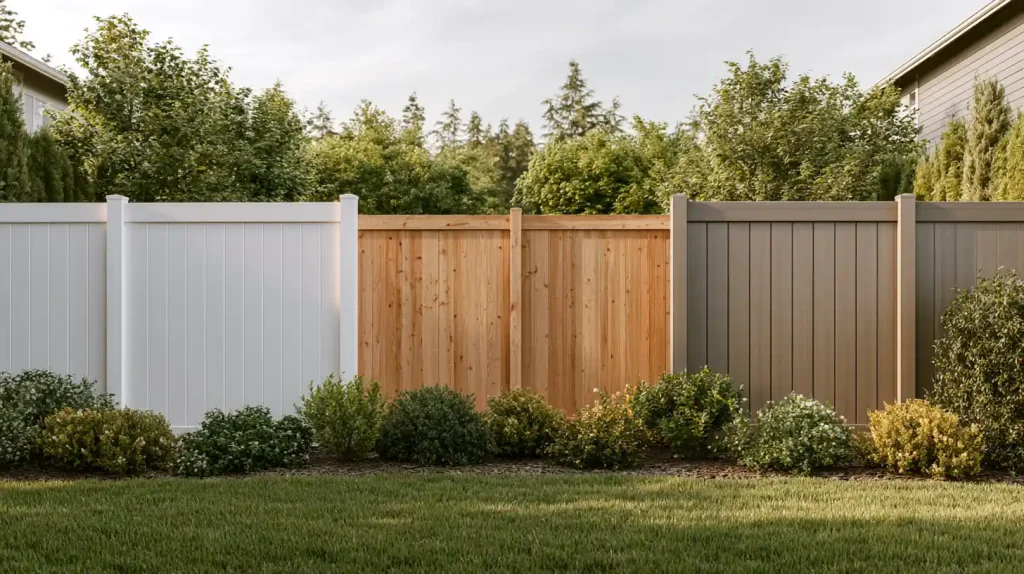
Maintenance expectations also play a major role in decision making. Wood fencing requires regular upkeep including sealing and staining, while vinyl fencing and aluminum fencing offer low maintenance performance. Chain link fencing also provides long-term durability with minimal maintenance requirements.
Budget is another important factor when selecting fencing materials. Chain link fencing is often the most cost-effective option, while vinyl fencing, composite fences, and steel fencing offer higher upfront costs but improved long-term value and durability. Understanding overall fencing costs and the factors that affect pricing can help align material choices with your budget.
Why Professional Fence Installation Matters
Even the highest quality fencing materials will not perform properly without expert installation. Proper installation ensures correct post depth, alignment, and structural stability, which directly impacts the fence’s durability and lifespan.
Professional installation also ensures that gates function correctly and that the fence performs well under harsh weather conditions. This helps maximize the long-term value of any fencing solution, especially for organizations working with our commercial fence contractor team in Marysville, WA.
Work With Inline Security Fence for the Right Fencing Solution
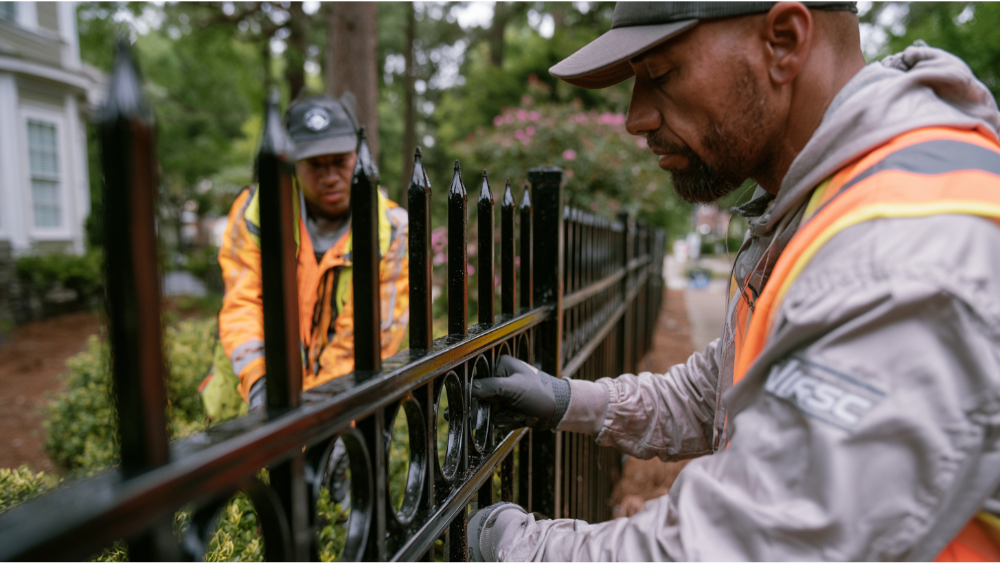
Understanding what materials are commonly used for custom fencing is the first step toward making the right decision, but selecting and installing the right fence requires professional expertise.
Inline Security Fence provides expert residential, commercial, and security fencing solutions tailored to each property’s needs, including businesses that rely on our commercial fencing contractor services in Medina, WA. Our family-owned fencing company serving the Seattle–Tacoma area brings years of experience to every project, from wood fencing and vinyl fencing to chain link fencing, composite fences, and steel or wrought iron style systems, and every installation is built for durability, function, and long-term performance.
The right fence is not just about materials; it is about choosing the right fencing solution for the property, environment, and long-term goals, ensuring lasting quality and dependable protection.
Frequently Asked Questions
What materials are commonly used for custom fencing?
Common materials include wood, vinyl, chain link, aluminum, steel, composite, and wrought iron. Each offers unique benefits depending on the desired function, aesthetic appeal, and maintenance requirements.
How often does wood fencing require maintenance?
Wood fencing typically requires regular maintenance such as staining or sealing every three to five years to preserve the wood’s natural beauty and prevent rot and insect infestation.
Is vinyl fencing a suitable option for all climates?
Vinyl fencing performs well in most climates due to its resistance to moisture, pests, and fading. However, it may become brittle in extremely cold temperatures and requires occasional cleaning to maintain its appearance.
What are the advantages of composite fencing over traditional wood?
Composite fencing offers enhanced durability, is naturally resistant to rot and pests, requires less maintenance, and maintains the aesthetic appeal of wood without the high maintenance required by natural wood.
Can aluminum fencing provide good security?
While aluminum fencing is highly durable and rust-resistant, it is not as strong as steel or wrought iron and provides minimal privacy, making it more suitable for decorative purposes than high-security needs.
How does local climate affect the choice of fencing material?
Local climate influences material choices due to factors like moisture, temperature extremes, and sun exposure. For example, aluminum and vinyl are ideal for wet climates due to their natural resistance, while wood may require more maintenance to prevent rot.
Conclusion
Choosing the right materials for custom fencing is essential to achieving a durable, aesthetically pleasing, and functional fence that suits your property’s unique needs. Material choices such as wood, vinyl, composite, and metal each come with their own set of advantages, maintenance requirements, and suitability depending on the local climate and intended use. Proper maintenance, including regular sealing and cleaning, enhances durability and preserves the wood’s natural beauty or the fence’s overall look. By considering factors like aesthetic appeal, enhanced durability, maintenance required, and budget, property owners can select a suitable option that delivers long-lasting performance and elevates curb appeal. Partnering with professional installers ensures the fence is built to withstand environmental challenges and maintain its structural integrity for years to come.