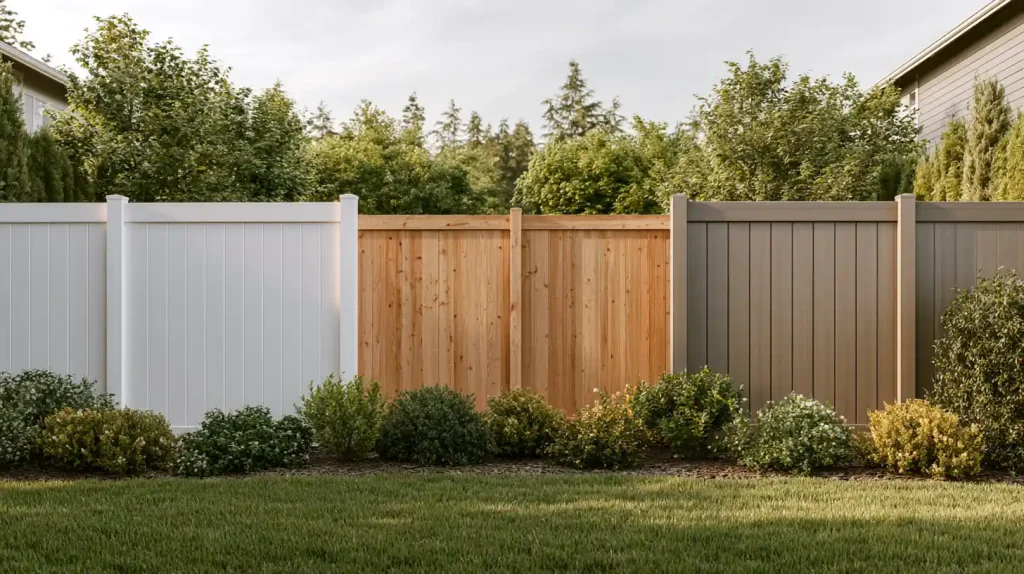
How far apart should posts be for wrought iron fencing is one of the most important planning decisions in any fence installation project. The spacing between fence posts directly impacts structural integrity, long-term durability, and how well the entire fence holds up against wind load, soil movement, and everyday use. When fence posts are spaced incorrectly, the entire fence type can suffer from sagging fence panels, leaning posts, and misaligned gate posts that lead to costly repairs.
In modern fence installation, spacing fence posts is never guessed. It is calculated based on fence height, soil type, wind exposure, and overall fence type design. Whether the project involves wrought iron fencing, chain link fences, wood fences with wood panels, vinyl fencing, or electric fencing systems, proper spacing determines whether the fence stands strong or fails prematurely.
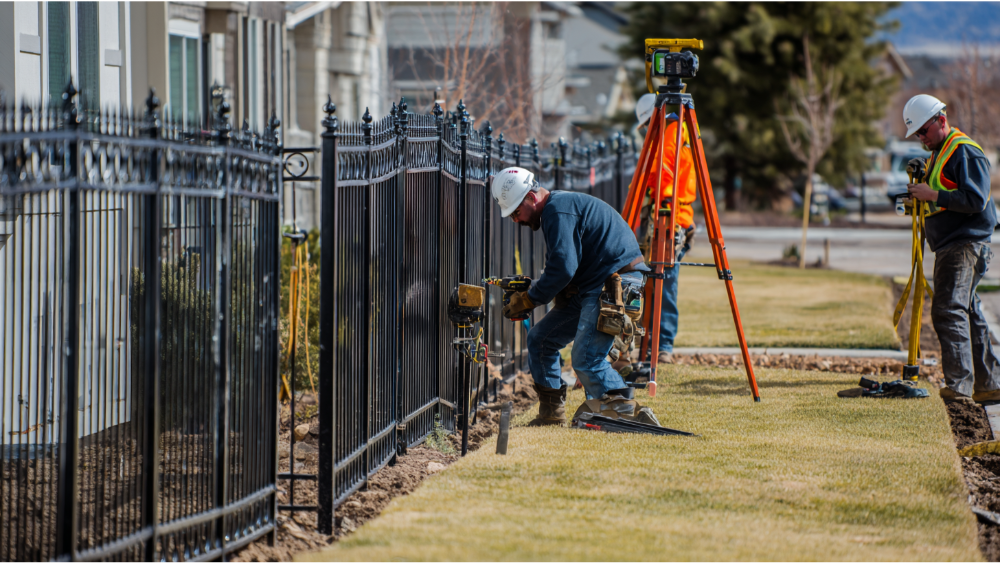
At Inline Security Fence, every fence installation begins with precise layout planning using a string line, tape measure, and carefully marked post locations to ensure consistent spacing along the entire fence line.
What Is the Standard Distance Between Wrought Iron Fence Posts?

Typical Industry Standard
The standard fence post spacing for wrought iron fencing is generally 6 to 8 feet on-center. This measurement means from the center of one post to the center of the next, ensuring proper alignment and load distribution. This standard spacing aligns with common practices in the industry and helps maintain fence stability.
For most residential fence installation projects, spacing fence posts closer to 6 feet is preferred because it increases structural integrity and reduces stress on fence panels. Wider spacing around 8 feet may be used in lighter decorative systems, but only when soil type, wind exposure, and fence height allow it.
Residential vs Commercial Applications
Residential fencing typically uses 6 to 8 foot spacing, while commercial fence installation often requires closer spacing due to higher security demands and increased wind load exposure.
Chain link systems, wood fences with wood panels, and other fence types also follow similar spacing principles, but wrought iron fencing requires tighter control due to its rigid structure. Gate posts and corner posts must always be reinforced, as they experience the highest stress within the system.
Why On-Center Measurement Matters
Fence post spacing is always measured on-center rather than edge-to-edge. This ensures consistent spacing posts across the entire fence line and eliminates errors caused by differing post widths.
Using a string line during layout helps maintain straight alignment and ensures consistent gaps between all fence posts, especially when working across sloped terrain or uneven ground.
Why Post Spacing Matters in Wrought Iron Fencing
Structural Integrity and Load Distribution
Wrought iron fencing does not flex like wood fences or vinyl fencing. Instead, it transfers force directly through the structure into fence posts. When spacing is too wide, wind load is distributed unevenly across fence panels, increasing stress on welds and reducing structural integrity.
Correct post spacing ensures that all line posts, corner posts, and end posts share load evenly, preventing premature failure.
Wind Resistance and Environmental Stress
Even though wrought iron fencing allows wind to pass through, wind load still creates vibration across the structure. In high wind areas, this vibration can weaken fence posts over time if spacing is too wide.
Reducing spacing improves stability and ensures the fence stands strong during storms or seasonal weather changes.
Long-Term Fence Performance
Proper spacing fence posts reduces long-term maintenance and prevents structural issues such as leaning posts or cracked concrete footings. A properly installed fence will maintain alignment for years with minimal maintenance requirements, offering a zero maintenance solution for homeowners.
Key Factors That Affect Fence Post Spacing

Fence Height
Fence height plays a major role in determining spacing fence posts. Taller fences experience more wind load and require closer spacing to maintain structural integrity. A 4-foot fence may allow wider spacing, but taller fences require reduced spacing for stability.
Soil Type and Ground Conditions
Soil type directly affects fence stability. Loose soil or sandy soil conditions often require deeper post holes and sometimes reduced spacing to maintain strength. Clay or compact soil provides better support but still requires proper installation techniques.
In some cases involving sandy or loose soil, additional concrete posts are used to stabilize fence posts and ensure long-term durability.
Wind Exposure and High Wind Areas
High wind areas require closer spacing fence posts to reduce wind load stress. Strong winds can cause movement in fence panels and gradually loosen posts if spacing is too wide.
This applies to all fence types, including chain link fences, wood fences with wood panels, and electric fencing systems.
Fence Panel Width and Layout
Panel width often influences spacing fence posts because installers must align post locations with manufactured fence panels. Adjustments may be needed to maintain consistent spacing and proper alignment along the fence line.
Recommended Fence Post Spacing by Fence Type
Residential Wrought Iron Fencing
For residential fence installation, the ideal spacing is 6 to 7 feet on-center. This provides a strong balance between durability, appearance, and cost efficiency while maintaining structural integrity.
Chain Link Fences
Chain link fences may allow slightly wider spacing in some situations, but terminal posts, corner posts, and gate posts must always be reinforced. Wire tension plays a key role in maintaining stability across long runs.
Wood Fences
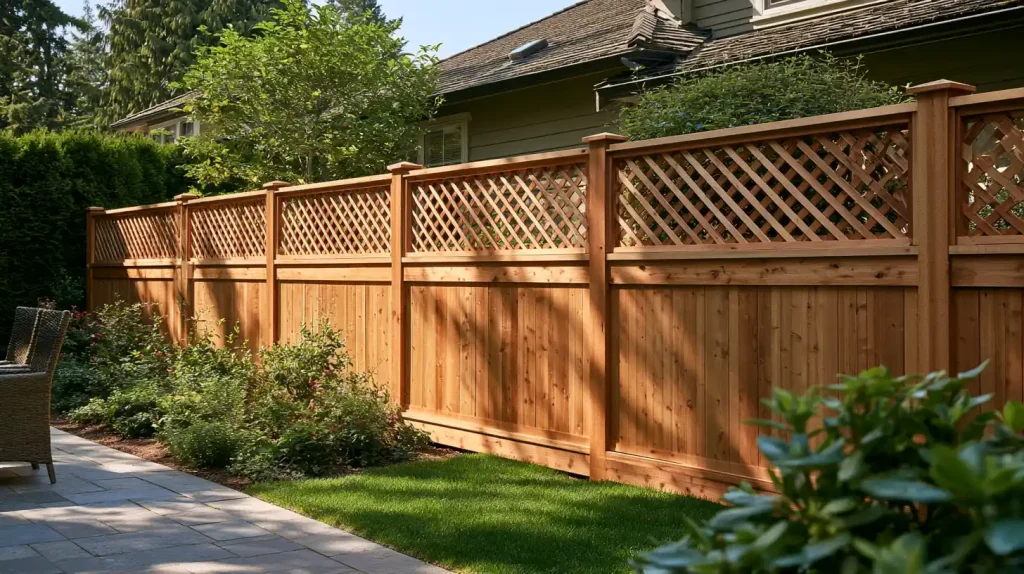
Wood fences require careful spacing fence posts based on panel width and soil type. Wood posts must be properly set in concrete footings to prevent shifting over time, especially in high wind areas or loose soil conditions.
Vinyl Fencing
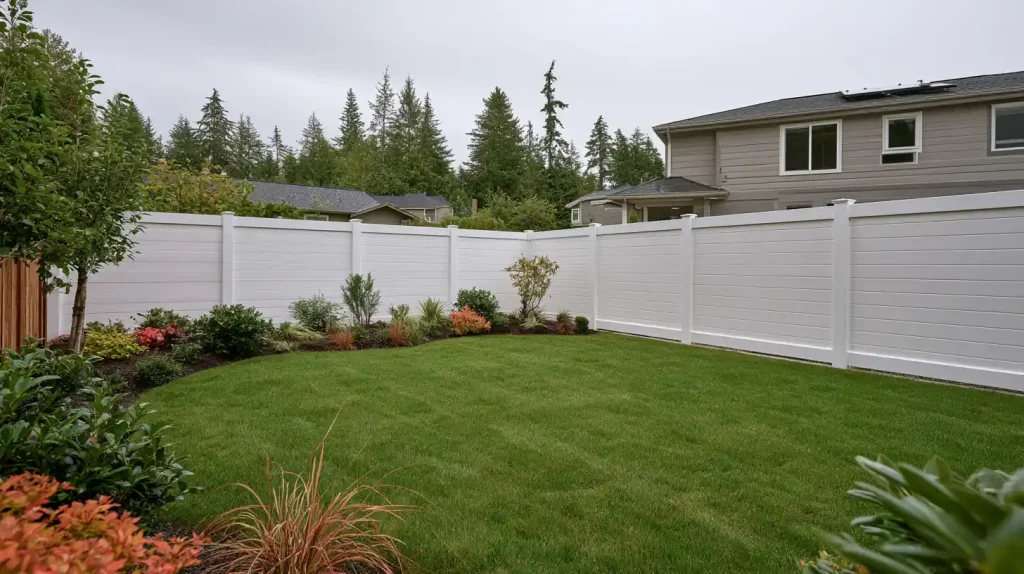
Vinyl fencing requires consistent spacing to ensure panels remain secure. Even though vinyl is lighter than wrought iron fencing, improper spacing can still cause structural issues over time.
Electric Fencing Systems
Electric fencing and wire fencing systems often use t posts or wooden posts depending on design. These systems may allow wider spacing, but wire tension and barbed wire placement must be carefully managed.
Installation Best Practices for Fence Post Spacing
Layout and Measurement Accuracy
Fence installation begins with accurate layout using a tape measure, string line, and clearly marked post locations. Maintaining consistent spacing fence posts is critical to achieving a straight and stable fence line.
Post Hole Depth and Foundation Strength
Post depth is essential for long-term stability. Most fence posts require at least one-third of their total post length to be buried in properly prepared post holes.
Concrete posts set with fast-setting concrete footings are used to secure posts and prevent shifting. Fast-setting concrete is often used in modern fence installation to speed up curing while maintaining strength.
Avoiding Common Installation Mistakes
One of the most common mistakes is increasing spacing fence posts to reduce material costs. While this may reduce upfront expenses, it significantly weakens structural integrity.
Ignoring sloped terrain or uneven soil type can also result in inconsistent spacing and misaligned fence panels.
Signs Fence Posts Are Too Far Apart
Early Warning Signs
When fence posts are spaced too far apart, early signs include sagging fence panels, movement during wind exposure, and misalignment along the fence line. Gate posts may also begin to shift, causing latch issues.
Long-Term Structural Problems
Over time, improper spacing can lead to weakened welds, leaning posts, and cracked concrete footings. Wind load stress increases across wider spans, eventually compromising the entire fence system.
Repair vs Replacement Considerations

Some spacing issues can be corrected by adding additional line posts between existing fence posts. This reduces span distance and improves structural integrity.
However, if corner posts or end posts have shifted significantly, full replacement may be required to restore long-term stability and performance.
Why Professional Fence Installation Matters
Professional fence installation ensures proper spacing fence posts based on fence height, soil type, wind exposure, and fence type. Experienced installers understand how post spacing affects structural integrity and long-term durability.
Correct spacing is not just about appearance. It determines whether a fence stands strong for decades or fails prematurely under environmental stress.
Frequently Asked Questions
How far apart should fence posts be for wrought iron fencing?
The typical spacing for wrought iron fence posts is between 6 to 8 feet on-center. Closer spacing around 6 feet is recommended for taller fences or areas with high wind exposure to ensure structural stability.
Should fence posts be set deeper in sandy soil?
Yes. Sandy soil drains quickly and provides less lateral support, so fence posts often require deeper footings, typically 25-30% deeper than standard, to maintain stability. Adding concrete footings also helps prevent shifting.
How many fence posts do I need for a 100-foot wrought iron fence?
Using standard 8-foot spacing, you would need approximately 13 to 14 posts for a 100-foot run. This includes line posts plus end, corner, and gate posts as needed.
What is the proper fence post spacing for wood fence posts?
Wood fence posts are generally spaced 6 to 8 feet apart, depending on panel weight and environmental conditions. Closer post spacing and deeper holes may be necessary in loose or wet soil.
Do local building codes affect fence post spacing?
Yes. Local building codes often specify minimum post depth, spacing, and materials, especially for fences over a certain height or around pools. Always check local regulations before installation.
Can spacing fence posts too far apart cause problems?
Absolutely. Posts spaced too far apart can lead to sagging panels, leaning posts, and increased maintenance costs. Proper fence post spacing is critical to long-term fence performance.
Conclusion
Determining how far apart should posts be for wrought iron fencing is a foundational step in building a durable and stable fence. Proper fence post spacing, typically 6 to 8 feet on-center, ensures structural integrity, effective load distribution, and resistance to environmental stresses such as wind and soil movement. Factors like soil type, fence height, wind exposure, and local building codes all influence the ideal spacing and post depth. Using proper installation techniques, including setting posts at the correct depth with concrete posts and footings and maintaining a straight line using a string line, will extend the life of your fence and reduce maintenance needs. Whether you choose wrought iron, wood with wood panels, vinyl, or chain link fencing, understanding and applying proper fence post spacing makes all the difference in achieving a strong, attractive, and long-lasting fencing solution.