Understanding what maintenance is required after ornamental fence installation is essential for protecting your investment, extending the life of your fence, and ensuring long-term fence maintenance success across all fence materials and fence types. Maintenance is not a one-time consideration; it is an ongoing responsibility that helps keep your fence line strong, stable, and visually appealing.
A properly installed fence improves curb appeal, defines property lines, and enhances security. However, without consistent fence maintenance, even the highest quality fence materials can deteriorate over time. Whether you own a vinyl fence, wood fence, chain link fence, or metal fence system, proper fence maintenance ensures long-term performance and prevents costly repairs.
Your Ornamental Fence Is Built to Last, But It Still Needs Care
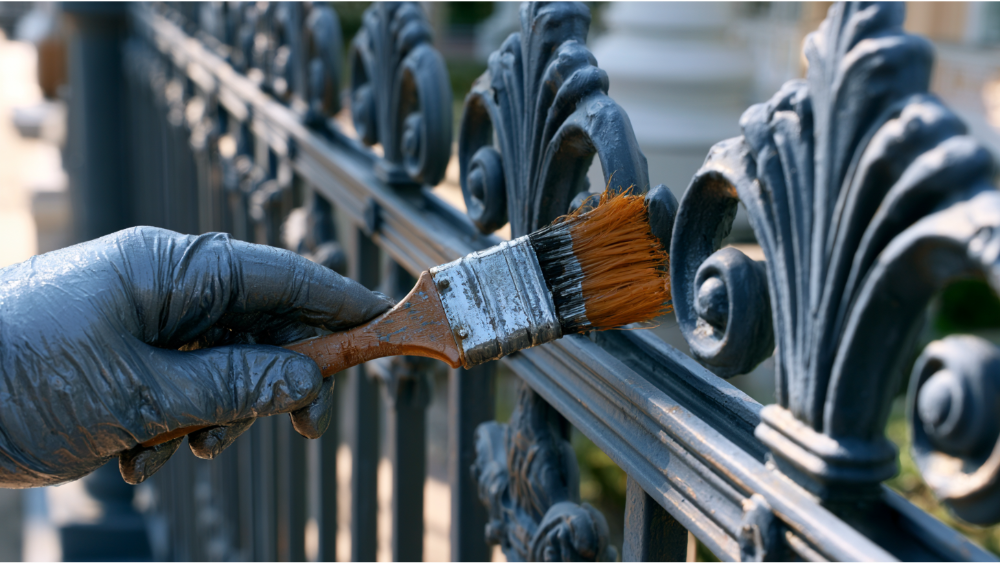
Every fence line is exposed to environmental stress such as heavy rain, high winds, sun damage, soil erosion, and moisture buildup. Even low-maintenance vinyl or chain link fences benefit from regular maintenance to preserve structural integrity and curb appeal.
Metal fences, including ornamental aluminum and steel systems, are often marketed as low maintenance, but all metal fences require upkeep to protect coatings and prevent rust spots, and learning how to paint a metal fence can be an important part of that upkeep. A well-maintained fence improves curb appeal, enhances safety, and extends the life of your fence significantly.
Fence posts, fence materials, and installation quality all contribute to durability, but regular maintenance keeps your fence strong over time and prevents weakened or loose posts along the fence line.
Why Ornamental Fence Maintenance Matters After Installation
Fence maintenance is essential because it protects both structural performance and appearance. Without proper maintenance, minor issues can quickly turn into structural damage or costly repairs.
Protects the Fence Finish
Protective coatings such as powder coating and rust-resistant paint shield metal fences from corrosion, flaking paint, and rust spots. Maintenance ensures these coatings remain intact and effective over time.
Prevents Rust, Corrosion, and Surface Damage
Metal fences are durable but vulnerable to rust when coatings are compromised. Rust prevention is a core part of maintenance that protects fence materials from long-term deterioration.
Keeps Fence Posts, Gates, and Fence Line Stable
Fence posts can shift due to soil erosion, poor drainage, or high winds. Regular maintenance helps prevent loose or weakened posts and structural instability along the fence line.
Preserves Curb Appeal and Property Value
A well-maintained fence enhances curb appeal and supports the natural beauty and aesthetic appeal of your property. Whether vinyl, wood, chain link, or metal, maintenance keeps the entire fence clean and professional-looking.
First Steps After Ornamental Fence Installation
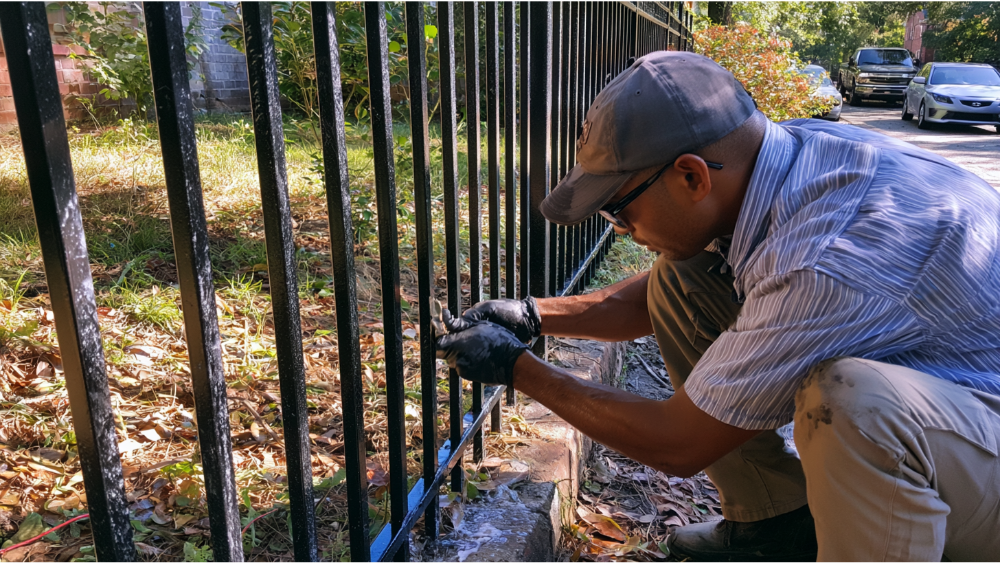
Maintenance begins immediately after installation with a full inspection of the entire fence line. This early stage ensures the fence is stable, aligned, and free from installation debris that could cause future issues.
Inspect the Entire Fence Line
Walk the entire fence line and regularly inspect posts, panels, and hardware. Look for loose screws, posts, or damaged boards depending on fence type. This step ensures stability from day one.
Remove Dirt and Construction Debris
Remove dirt, dust, and debris from the entire fence. Construction residue can trap moisture and lead to rust spots on metal fences or wood rot in wood fence systems.
Check Fence Posts and Alignment
Fence posts must remain straight and secure. Loose or shifting posts weaken the fence’s structural integrity.
Confirm Gate Functionality
Gates should open and close smoothly without dragging or misalignment. Proper maintenance at this stage prevents early structural issues.
Routine Fence Maintenance and Cleaning Practices
Regular cleaning is one of the most important aspects of fence maintenance for all fence types, including vinyl, wood, chain link, and metal.
Use Mild Soap and Soft Brush for Gentle Cleaning
Use mild soap, water, and a soft brush for gentle cleaning. This helps remove dirt without damaging protective coatings on metal fences or stripping natural fibers on wood surfaces.
Clean Your Fence Regularly
Maintenance should include cleaning at least two to four times per year depending on environment. Vinyl fences require less frequent care, while wood fences need more frequent attention to prevent rot and damaged boards, and using gentle, wood-safe fence cleaners helps avoid chemical damage during this process.
Avoid Harsh Chemicals and Excessive Pressure
Avoid harsh chemicals that damage protective coatings. Use pressure washers carefully, as excessive force can damage materials and cause flaking paint or surface wear.
Rust Prevention and Protective Coatings
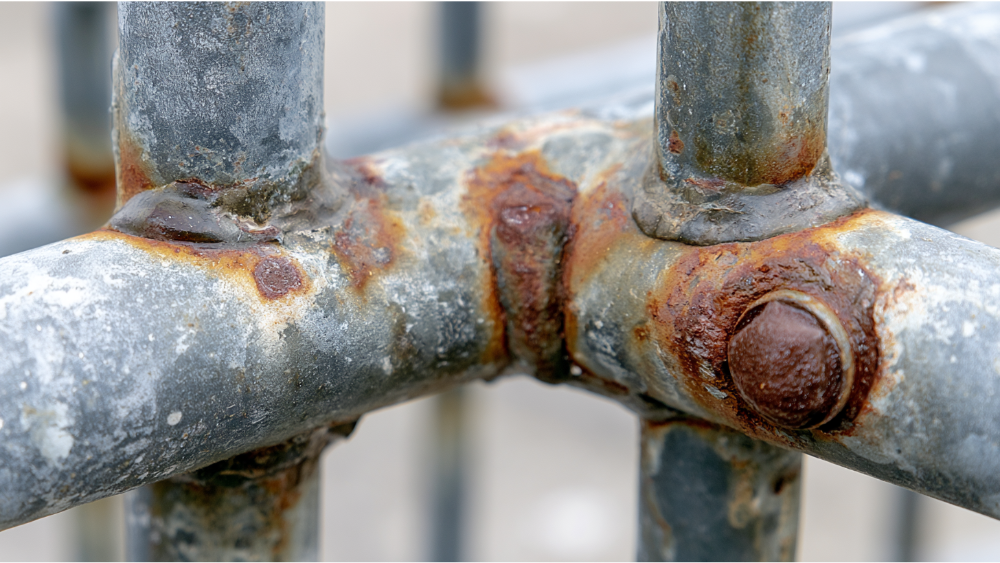
Rust prevention is essential for metal fences and a critical part of effective maintenance. Protective coatings extend fence life and prevent corrosion, and understanding the overall cost of fencing projects helps you budget for both installation and ongoing protection.
Why Rust Spots Form
Rust spots form when protective coatings are scratched or worn away, exposing metal to moisture and oxygen. This can spread quickly if untreated.
Treat Rust Spots Immediately
Use a wire brush or rust remover to clean affected areas. Apply a rust-inhibiting primer followed by fresh protective paint to restore the surface and prevent further deterioration.
Importance of Protective Coatings
Coatings act as a barrier against moisture, sun damage, and environmental exposure. Without them, metal fences deteriorate faster.
Fence Posts, Gates, and Hardware Maintenance
Posts and hardware require ongoing maintenance to maintain stability and prevent structural issues.
Tighten Loose Screws and Hardware
Regularly tighten loose screws to prevent movement in panels or gate systems. Loose screws can cause unstable posts or sagging sections.
Monitor Fence Posts for Movement
Posts may shift due to soil erosion or poor drainage. Proper drainage helps maintain stability and prevents weakened posts, and in some cases using concrete around vinyl fence posts adds extra support against movement.
Lubricate Gate Hardware
Hinges, locks, and moving parts require periodic lubrication to ensure smooth operation and reduce wear.
Landscaping and Environmental Impact on Fence Maintenance
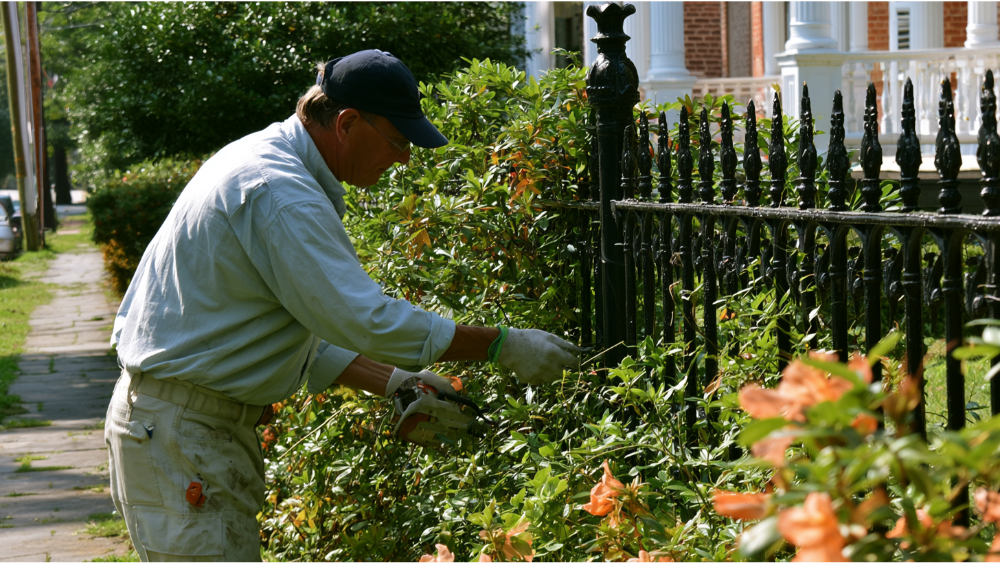
Environmental conditions significantly affect maintenance needs and long-term performance.
Control Moisture and Soil Around Fence Line
Proper drainage is critical to prevent moisture buildup and soil erosion. Poor drainage weakens posts and reduces stability.
Prevent Vegetation Overgrowth
Vegetation can trap moisture against fence materials, causing rust on metal fences or wood rot in wood fences.
Protect Fence During Yard Work
Lawn equipment can damage vinyl surfaces, chain link coatings, and wood boards. Keeping the fence clear during landscaping helps prevent damage.
Seasonal Fence Maintenance Checklist
A seasonal checklist ensures consistent care and protects the fence from environmental stress, and it also helps you anticipate potential fence repair costs in 2025 before minor issues become major expenses.
Spring Fence Maintenance
For homeowners in specific regions, planning spring inspections with local pros can also clarify fence repair costs in Seattle when winter damage needs professional attention.
Inspect the entire fence, remove dirt buildup, check posts, and repair winter damage to maintain stability.
Summer Fence Maintenance
Address sun damage, clean surfaces regularly, and ensure fence stability during high winds and heat.
Fall Fence Maintenance
Remove leaves, prevent moisture buildup, and inspect wood fences for rot or damage.
Winter Fence Maintenance
Avoid heavy snow buildup and minimize exposure to de-icing chemicals that can damage metal fences and coatings.
Fence Material Differences and Maintenance Needs
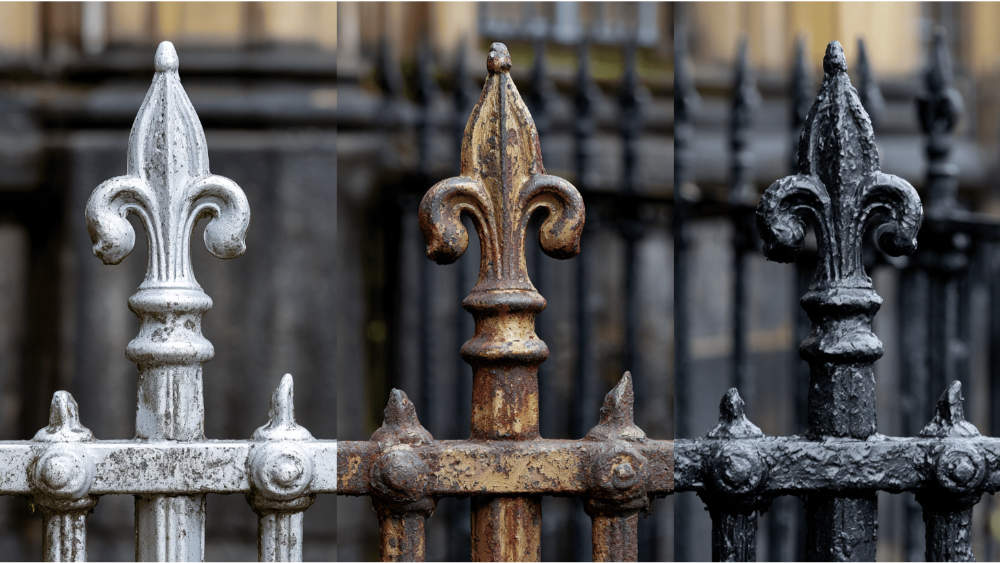
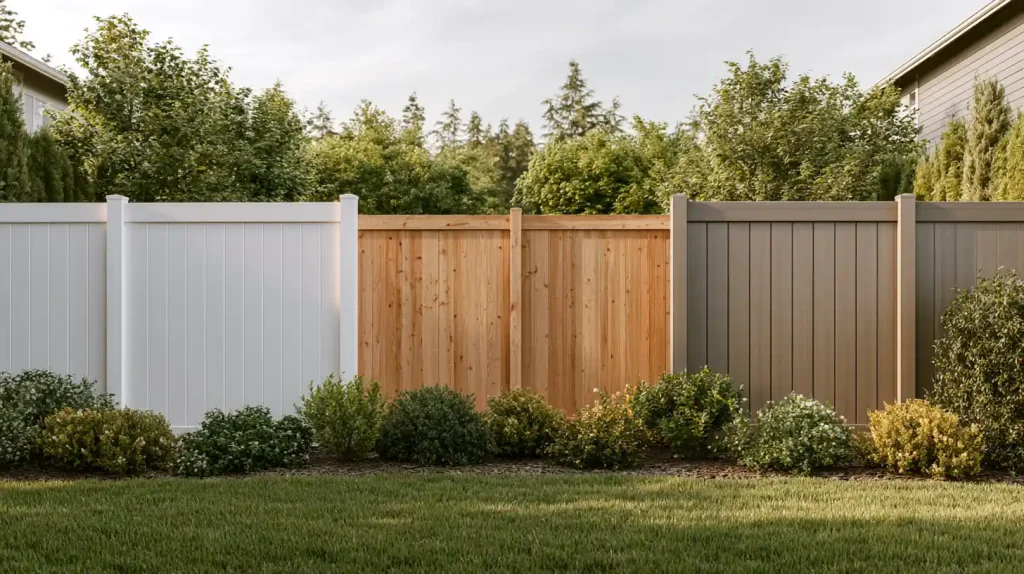
Different materials require different maintenance approaches to preserve durability and appearance.
Vinyl Fence Maintenance
When comparing material options, some homeowners weigh vinyl against composite, and understanding whether composite fencing is more expensive than vinyl can shape long-term maintenance and budget decisions.
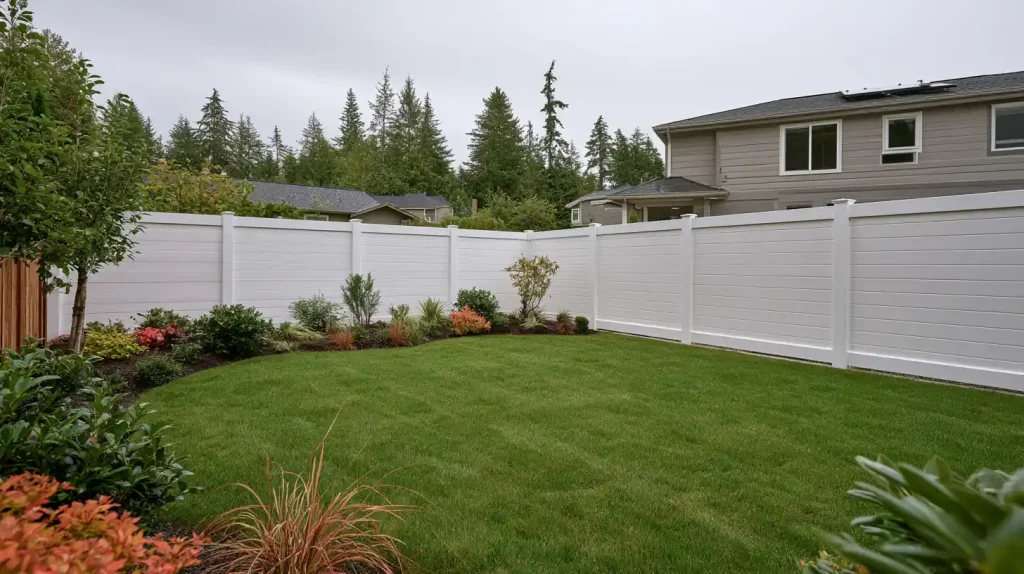
Vinyl fences are low maintenance, requiring gentle cleaning and occasional upkeep. They resist rust, wood rot, and sun damage, making them among the most low-maintenance fence materials.
Wood Fence Maintenance
If your existing structure is aging or heavily damaged, a thorough wood fence replacement guide can help you decide when upgrades are smarter than continued repairs.
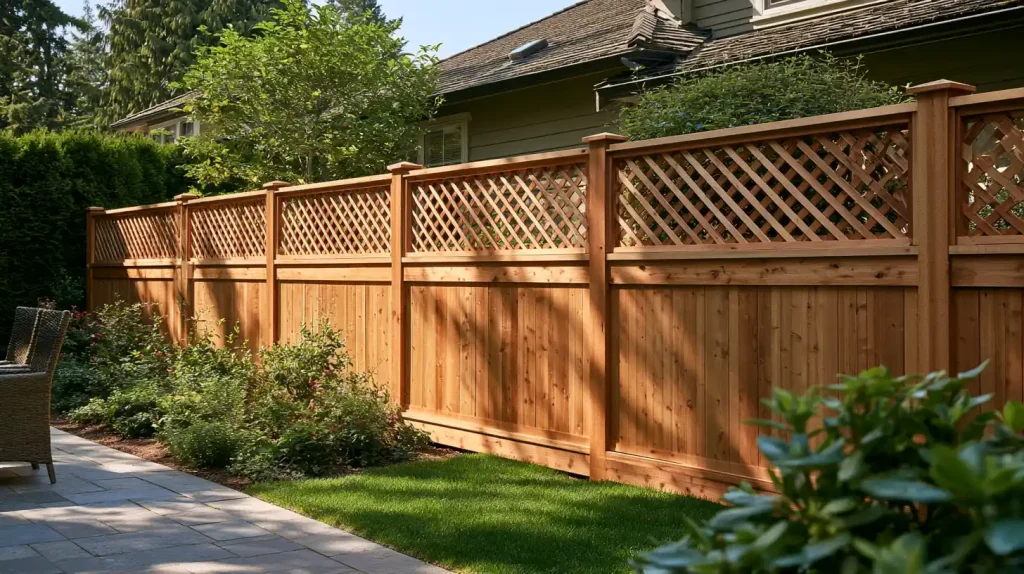
Wood fences require consistent maintenance to prevent rot, damaged boards, and cracking. Regular sealing and protective coatings help extend their life.
Chain Link Fence Maintenance
In cases where a deteriorated chain link system no longer suits your needs, knowing the typical fence removal cost per foot is useful when planning a full replacement.
Chain link fences are durable but require maintenance to prevent rust and maintain stability. They are low maintenance but not maintenance-free.
Metal Fence Maintenance
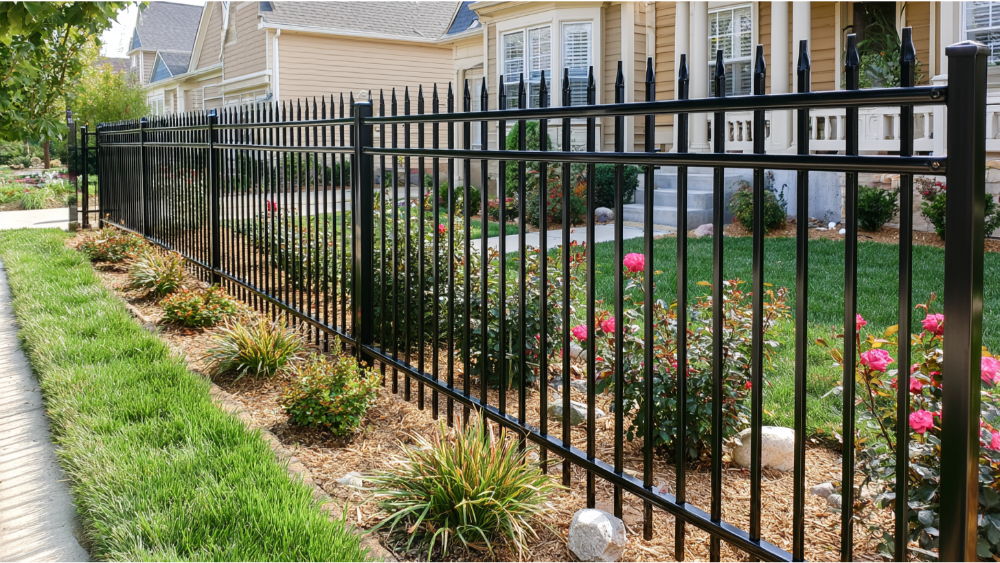
Metal fences need ongoing maintenance including rust prevention, protective coatings, and regular inspection of posts to prevent structural damage and corrosion.
Common Fence Maintenance Mistakes to Avoid
Neglecting maintenance can lead to rust spots on metal fences, wood rot, loose boards, broken posts, and structural issues. Using harsh chemicals, ignoring drainage, or skipping inspections allows minor issues to become major failures.
How Proper Installation Reduces Fence Maintenance
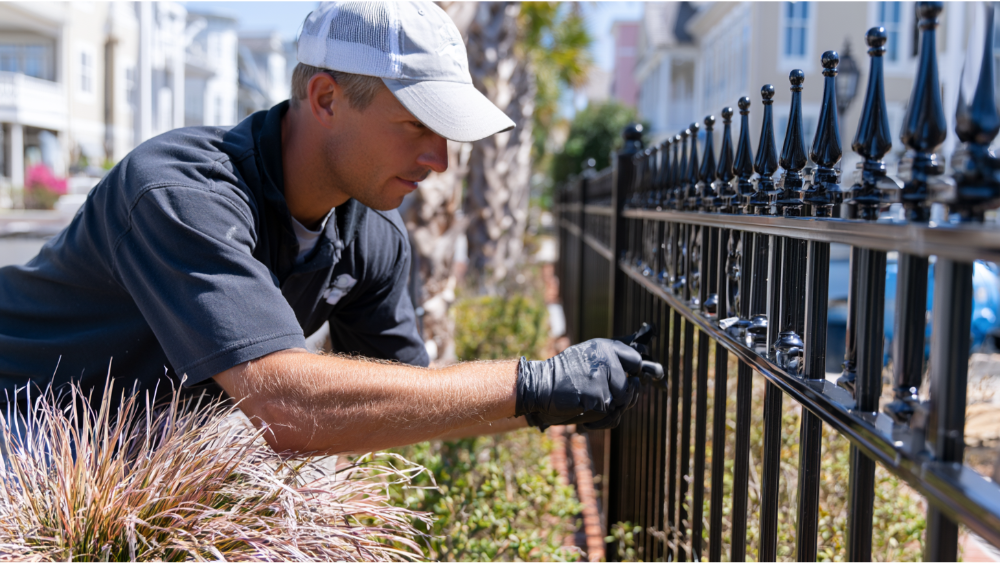
Professional installation reduces long-term maintenance needs and improves durability across all fence types.
Correct post installation prevents loose posts and shifting caused by soil erosion. High-quality materials and protective coatings improve resistance to weather and sun damage. Proper installation ensures long-term stability for vinyl, wood, chain link, and metal fences.
When to Schedule Fence Repairs
Maintenance cannot resolve all issues. Schedule repairs when you notice broken posts, loose boards, spreading rust spots, unstable posts, or visible structural damage. These compromise structural integrity and can lead to costly repairs if ignored.
Frequently Asked Questions (FAQs)
How often should I perform maintenance on my ornamental fence?
Regular maintenance should be performed at least two to four times per year, with seasonal inspections and cleaning to prevent issues like rust, rot, and loose posts.
What are the signs of weakened fence posts?
Signs include leaning or sagging sections, loose or shifting posts, and instability when pressure is applied. These often result from soil erosion or poor drainage.
Can I use a power washer to clean my fence?
Yes, a power washer on a gentle setting is effective for cleaning many fence types, but it’s important to avoid excessive pressure that could damage wood fibers or protective coatings.
How can I prevent rust on metal fences?
Prevent rust by promptly treating scratches or exposed metal, applying rust-inhibiting primers, and maintaining protective coatings such as powder coating or paint. Regular cleaning and drying also help.
What maintenance is required for a wooden fence?
Wood fences require regular cleaning, sealing or staining every 2-3 years, and prompt replacement of cracked boards or rotted sections to avoid costly repairs and maintain a beautiful fence.
When should I consider replacing my fence instead of repairing it?
If more than 25% of the fence is damaged, posts are severely weakened, or the fence is sagging significantly, replacement is often more cost-effective than ongoing repairs.
Conclusion
Consistent care is most effective when paired with quality installation and materials from trusted professionals like Inline Security Fence continuing Best Built Fence’s legacy of excellence, ensuring your ornamental fence performs beautifully for years.
Proper maintenance after ornamental fence installation is crucial to preserving the beauty, stability, and longevity of your fence. By following routine cleaning, rust prevention, seasonal inspections, and timely repairs, you can avoid costly repairs and keep your fence looking attractive for years to come. Whether you have a wooden fence, metal fence, vinyl, or chain link system, effective fence maintenance protects your investment and enhances your property’s curb appeal. Prioritize consistent care and address minor issues early to ensure a strong, beautiful fence that stands the test of time.