Understanding Height Options in Modern Chain Link Fence Systems
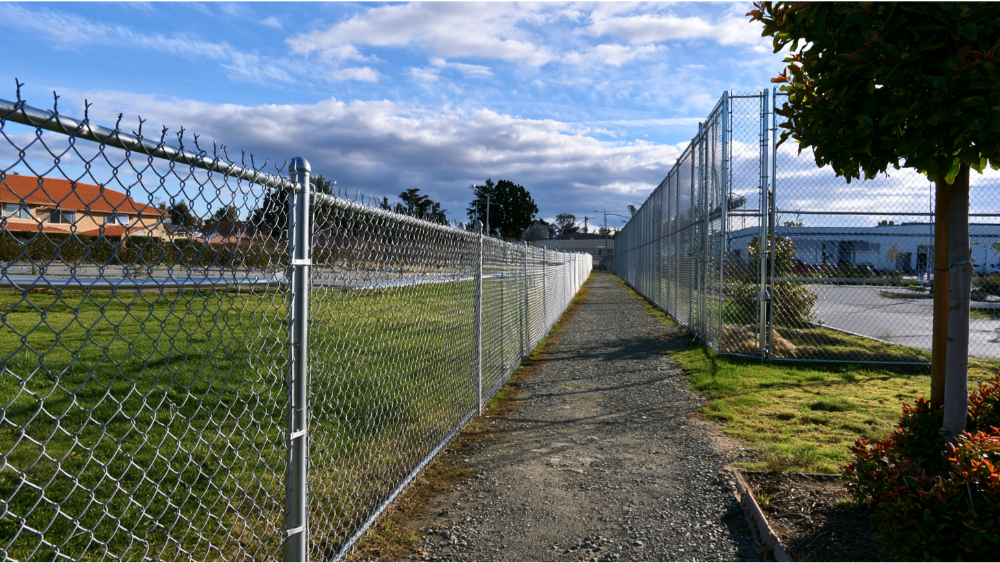
When property owners inquire about what height options are available for chain link fencing, they typically want to understand how fence heights impact security, durability, and cost. Chain link fencing is one of the most adaptable fence systems available because it can be built across a wide range of heights while maintaining strength, visibility, and long-term performance.
A chain link fence system consists of chain link mesh, wire, posts, rails, fittings, and structural components that together form a complete perimeter solution. The selected fence height determines the amount of chain link fabric needed, the required wire gauge, the strength of posts, and the overall performance of the fence framework under wind load and security pressures. Residential, commercial, and heavy-duty industrial chain link fences all rely on different fence heights to achieve the right balance of protection and cost efficiency.
At Inline Security Fence, fence height selection is treated as a critical design decision because it affects every part of the chain link fence installation—from terminal posts and line posts to gate posts, mesh size, and coating selection.
Standard Chain Link Fence Heights and Their Uses
Chain link fence heights are manufactured in standard increments to ensure fence fabric, posts, and fittings can be matched efficiently. Most chain link fence systems are available in heights ranging from 3 feet to 12 feet and beyond, depending on commercial and industrial requirements.
These fence heights are not arbitrary; each height is designed for a specific use case, whether residential fencing for yards, commercial fence systems for business properties, or industrial chain link fences for high-security environments, and each will affect the overall chain link fence cost per foot.
Residential Chain Link Fence Heights: 3 to 5 Feet
Residential chain link fencing typically starts at lower fence heights such as 3 feet, 4 feet, and 5 feet. A 4-foot chain link fence is one of the most common residential choices because it provides a clear boundary while maintaining visibility across the yard.
Residential chain link fences in this range use lighter chain link mesh, smaller wire gauge, and simpler fence frameworks. The wire is often galvanized steel or vinyl coated for basic rust protection and visual appeal. Vinyl-coated options such as a black chain link fence are especially popular in residential applications because the coating improves appearance and durability while blending into outdoor environments.
These lower fence heights are commonly used for dog containment, garden boundaries, and property separation. While effective for containing dogs, larger animals may require taller fences to prevent jumping or escaping.
6-Foot Chain Link Fence Height: The Commercial Standard
The 6-foot chain link fence is widely recognized as the standard height for commercial chain link fence systems. This height provides a strong balance between cost, security, and visibility, making it a popular choice for commercial projects and light industrial applications.
A 6-foot fence uses stronger posts, including terminal and line posts with larger outside diameters. These posts are set deeper into the ground with concrete to support the increased weight of chain link mesh and wind load. Fence rails and tension components stabilize the structure and maintain alignment along the fence line.
At this height, chain link fabric is typically made with thicker wire gauge and smaller mesh size to improve security performance. Vinyl-coated chain link fence options are also common in commercial settings where appearance and corrosion resistance matter.
7-Foot Chain Link Fence Height for Extended Protection
A 7-foot chain link fence is less common but serves as a transitional option between standard commercial fence heights and higher security industrial systems. This extra height provides added deterrence without requiring a full upgrade to an 8-foot or taller fence.
Fence framework at this level must support additional weight from chain link mesh and thicker wire gauge materials. Posts, rails, and fittings must be reinforced to handle the increased structural demand of a taller fence.
8-Foot Chain Link Fence Height for Industrial Security
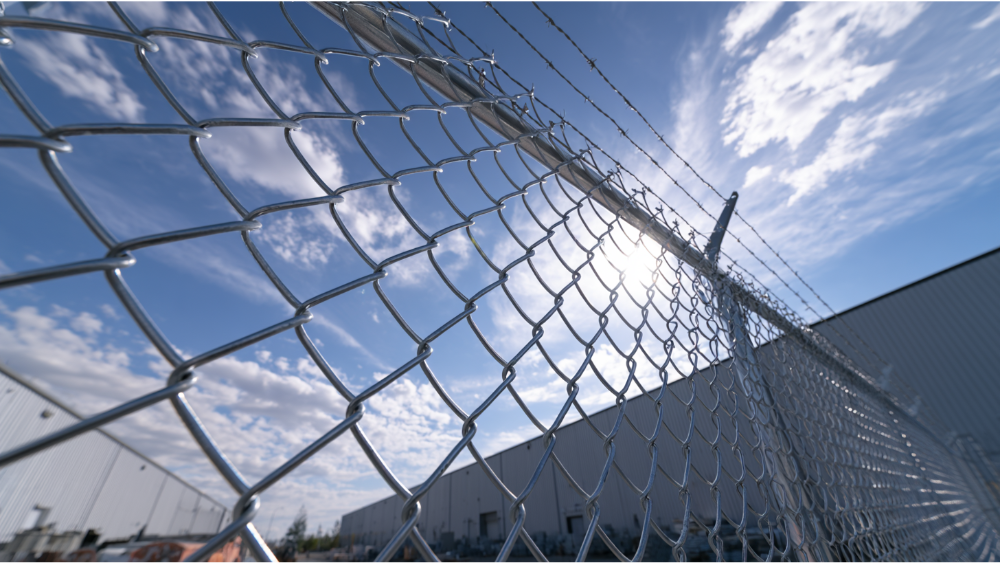
An 8-foot chain link fence is one of the most widely used industrial chain link fence heights for commercial and industrial environments. This height significantly increases security by making it much harder to jump or climb, especially when paired with a barbed wire fence along the top of the perimeter.
Industrial chain link fences at 8 feet often include heavier gauge wire, tighter mesh size, and stronger galvanized steel components. Vinyl-coated chain link fence systems are also used for added durability and rust protection.
This fence height is common in schools, warehouses, storage yards, transportation facilities, and commercial and industrial properties requiring stronger perimeter security, particularly in dense urban areas that benefit from professional chain link fence installation in Seattle. Barbed wire or razor wire may be added at the top to increase deterrence.
10-Foot Chain Link Fence Height for High-Security Applications
A 10-foot chain link fence is used in high-security environments where additional height is required to control access and reduce intrusion risk. Posts must be significantly larger in outside diameter, and terminal posts engineered to handle heavy loads.
Fence framework becomes more complex, requiring precise spacing of line posts, reinforced gate posts, and stronger rails. Chain link mesh at this height is typically heavy duty, using thicker wire gauge and smaller mesh size for added strength and security.
12-Foot and Specialty Chain Link Fence Heights
Chain link fence heights of 12 feet and above are used for specialty industrial and high-security applications. These systems require professional installation because structural demands increase significantly with height.
At this level, chain link fence systems often use reinforced steel posts, heavy-duty wire, and tightly controlled mesh configurations. Components must be engineered carefully to maintain stability under wind load and environmental stress.
Chain Link Fence System Components Supporting Different Heights
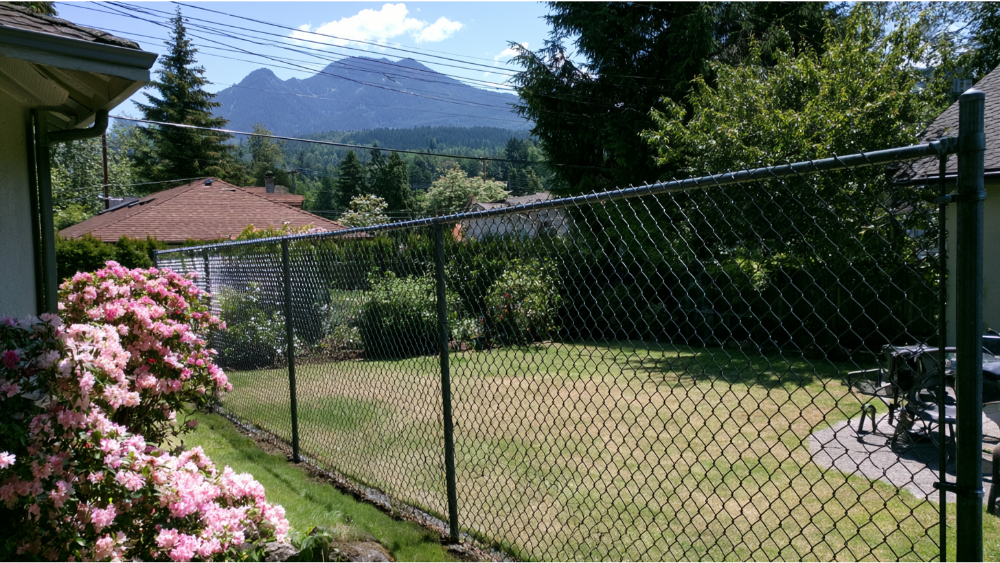
Every chain link fence system relies on a combination of structural components matched to the selected fence height. As fence heights increase, all components must scale accordingly to maintain performance.
Chain link mesh is the woven wire material forming the fence surface, supported by posts, rails, fittings, and tension components that keep the fence stable and aligned. Wire gauge is critical for strength; thicker wire provides higher durability and resistance to impact and is a key factor in chain link fence cost per foot.
Posts are vital structural elements: terminal posts anchor fence ends, line posts support the fence along its length, and gate posts support access points. Taller fences require posts with larger outside diameters and deeper installation with concrete.
Fence rails and tension wire stabilize the chain link mesh and prevent sagging. Tension bands and fittings connect components and distribute load evenly across the fence framework.
How Mesh Size, Wire Gauge, and Coating Affect Fence Performance
Mesh size and wire gauge directly influence the strength and security of a chain link fence. Smaller mesh sizes reduce gaps in the fabric, making it harder to climb or cut through, which is especially important in commercial and industrial applications.
Thicker wire gauge increases durability and extends fence lifespan. Galvanized steel wire is common because it resists rust and corrosion. Vinyl-coated chain link fence options provide additional protection and improve appearance in residential and commercial environments.
Coating is especially important in environments exposed to moisture or harsh weather. A strong coating preserves wire integrity, mesh strength, and overall fence performance over time.
Security Enhancements for Taller Chain Link Fence Systems
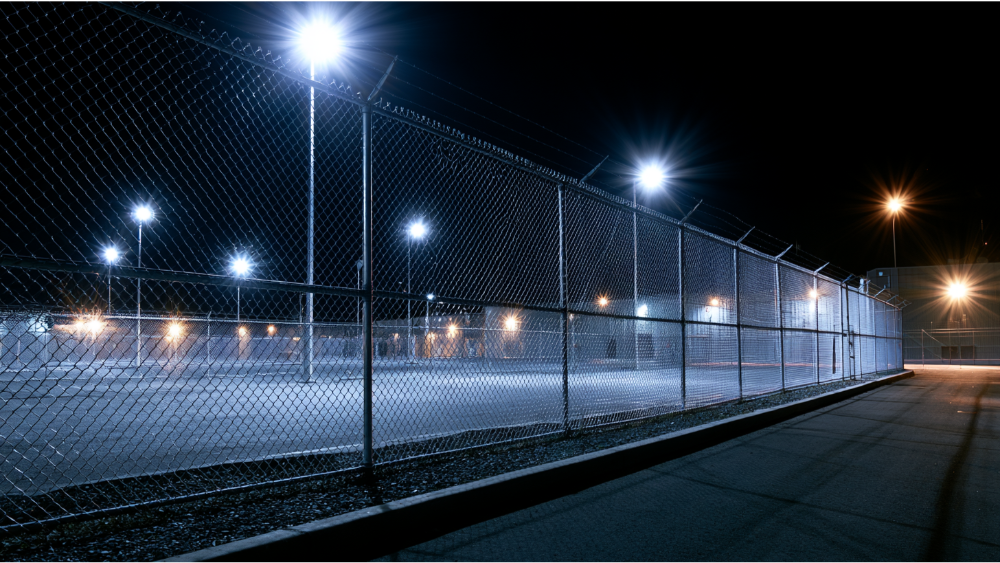
As fence height increases, additional security features are often added to improve protection. Barbed wire or razor wire can be installed at the top of industrial chain link fences to discourage climbing and enhance perimeter control.
Tension wire may be used along the bottom of the fence to maintain alignment and prevent lifting of the chain link mesh. These enhancements are common in commercial and industrial environments where security is a priority and are often incorporated into professional chain link fence installation and repair in Sammamish.
Gates are another critical component. Gate posts must be reinforced to handle the weight and movement of large access points. Properly designed gates ensure access control matches the fence system’s security level.
Choosing the Right Chain Link Fence Height for Your Property
Selecting the correct fence height depends on the property type and security needs. Residential chain link fences typically range from 4 to 6 feet, offering basic containment and boundary definition.
Commercial chain link fences typically use 6- or 8-foot heights depending on security requirements. Industrial chain link fences often use 8- to 12-foot heights for stronger perimeter protection and access control.
The right combination of fence height, wire gauge, mesh size, posts, and coating ensures the fence performs effectively while maintaining durability and long-term reliability.
Professional Installation and Why It Matters for Taller Fences
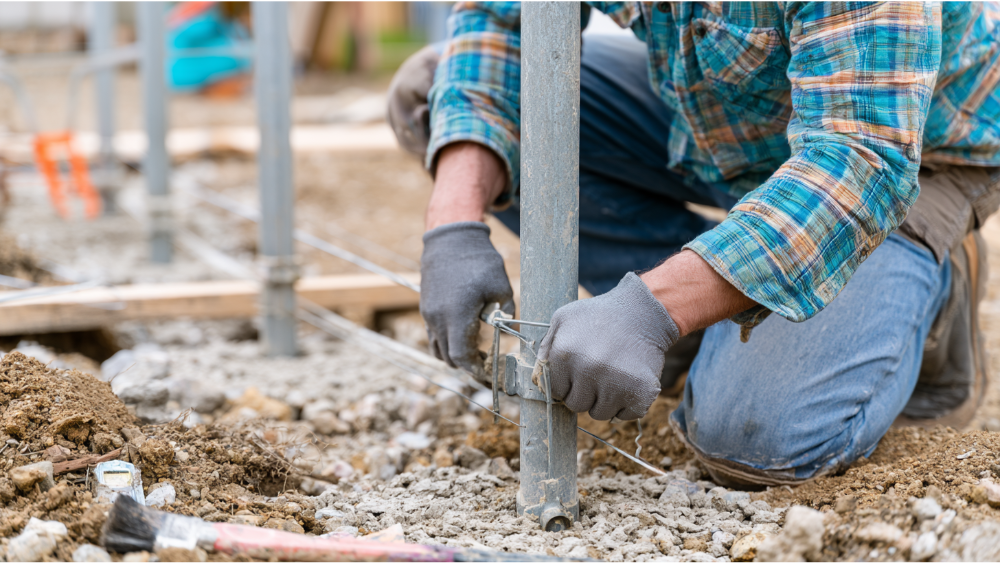
Professional installation is essential for taller fence systems because structural demands increase significantly with height. Proper installation ensures posts are spaced correctly, set at the right depth, and anchored securely in concrete.
Fence framework must be aligned to prevent sagging or instability. Chain link mesh must be properly tensioned to maintain strength across the fence surface. Gate posts must be installed precisely to support heavy access points.
Without professional installation, even a high-quality chain link fence can fail prematurely due to improper setup or structural imbalance, undermining both performance and the overall cost of your fencing investment. For many homeowners and businesses, partnering with a company that continues Best Built Fence’s legacy of excellence helps ensure long-term durability and value.
Frequently Asked Questions about Chain Link Fence Heights
What height options are available for residential chain link fencing?
Residential chain link fences typically range from 3 to 6 feet in height. Four feet is common for general yard boundaries, while 5 to 6 feet is preferred for added privacy and pet containment.
Are there local regulations that limit chain link fence heights?
Yes, many local governments and homeowners’ associations impose height restrictions, especially for front yards where fences may be limited to three or four feet. Pool safety codes often require a minimum of four feet, and property owners in Washington should be aware of specific Washington State laws on fence height.
Can barbed or razor wire be added to chain link fences?
Absolutely. For increased security, especially on commercial or industrial properties, barbed or razor wire can be attached at the top of chain link fences to deter climbing and intrusion.
What is mini mesh, and when should it be used?
Mini mesh refers to chain link fabric with smaller diamond openings, often less than 1 ½ inches. It is used for high-security applications where a fine mesh reduces the ability to climb or cut through the fence.
How do larger diameter posts affect fence height and stability?
Taller fences require larger diameter posts and deeper concrete footings to support the increased weight and wind load, similar to how vinyl fence systems often benefit from concrete around the posts for added stability. Using stronger structural components ensures the fence remains stable and durable over time.
Is professional installation necessary for taller chain link fences?
Yes. Taller fences, especially those over 6 feet, demand precise installation to ensure proper tensioning, post alignment, and secure anchoring to maintain safety and longevity.
Conclusion
Choosing the right height for your chain link fence is a crucial decision that impacts security, durability, and compliance with local regulations. Whether you need a simple residential fence at four feet or a high-security industrial fence reaching 12 feet or more, understanding the available height options and their associated components is essential. Incorporating features like mini mesh or barbed wire can further enhance security, while selecting appropriate post diameters ensures structural integrity. To achieve the best results, professional installation is recommended, especially for taller fences. With the right combination of height, mesh, wire gauge, and framework, a chain link fence offers a versatile, cost-effective, and long-lasting solution for virtually any property.