Understanding What Hinges Are Used for Heavy Fence Gates
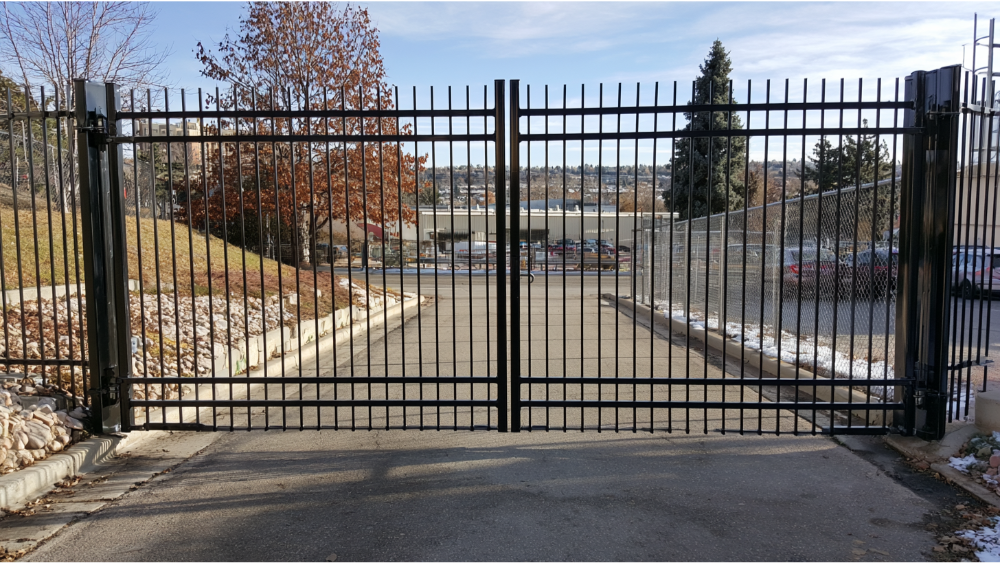
When evaluating what hinges are used for heavy fence gates, the goal is to match the correct gate hinges to the gate’s weight, width, materials, and overall load-bearing capacity. A heavy-duty gate depends on properly selected heavy-duty gate hinges that can support long-term performance, resist sagging, and maintain secure alignment under continuous use.
A heavy-duty gate is only as reliable as its hinge system. Heavy-duty gate hinges are engineered for outdoor gates, commercial fence systems, and residential access points where durability and strength are required. These heavy-duty hinges provide strong support, reduce stress on the gate frame, and ensure smooth movement over time.
In most outdoor gates, traditional or standard hinges are not suitable. Instead, heavy-duty gate hinges are required to maintain stability, especially when dealing with steel, iron, or wood gate systems exposed to weather conditions and frequent use.
Why Heavy Duty Gate Hinges Are Essential for Gate Performance
Heavy-duty gate hinges are essential because a heavy gate places constant stress on the hinge system. Without properly rated gate hinges, sagging occurs quickly, leading to misalignment, dragging, and long-term structural damage.
Heavy-duty hinges are designed to prevent sagging by distributing weight evenly across the gate and post system. They also provide strong support under repeated open and close cycles, which is critical for high-traffic access points.
Outdoor gates are exposed to rust, moisture, and temperature changes. Stainless steel and galvanized steel gate hinges resist rust and provide corrosion resistance, ensuring long-term durability and maximum performance even in harsh environments. This makes them ideal for heavy-duty gate systems that require reliable long-term operation.
Key Factors That Determine the Right Gate Hinges
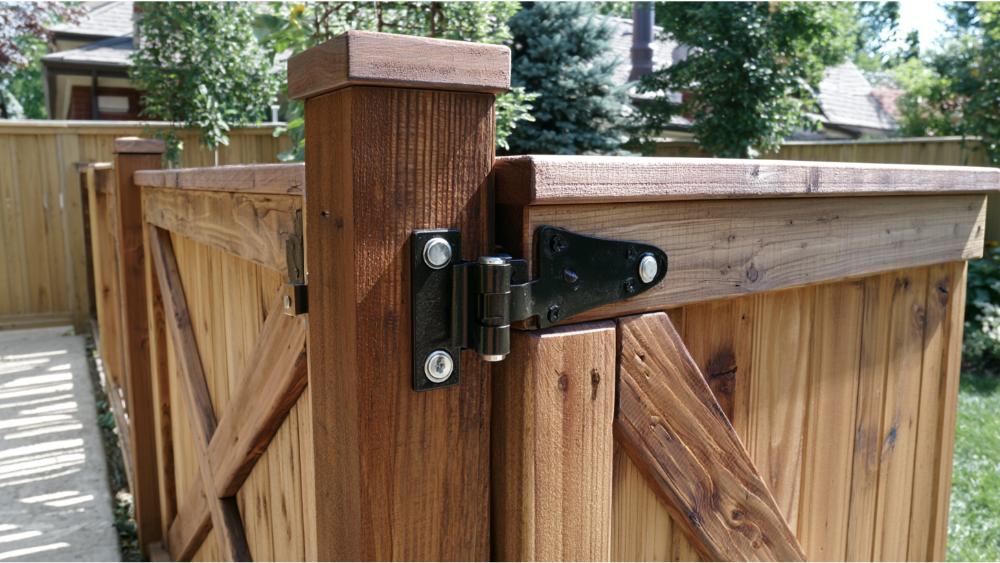
Selecting the right gate hinges requires evaluating multiple structural and environmental factors that influence performance.
Gate Weight and Load Bearing Capacity
Gate weight is the most important factor when choosing heavy-duty gate hinges. A heavier gate requires stronger hinges with higher load-bearing capacity to prevent sagging and failure. Heavy-duty gate systems often require reinforced steel or stainless steel hinges to handle continuous stress.
Gate Width and Leverage Stress
Gate width increases leverage, which directly affects hinge stress. Wider gates require additional support and properly sized heavy-duty gate hinges to maintain stability and prevent sagging over time.
Gate Frame and Structural Attachment
The gate frame must be strong enough to support gate hinges securely. Heavy-duty hinges are typically attached using bolts, screws, or welding depending on the gate material. A weak gate frame leads to instability and reduced long-term durability.
Environmental Exposure and Corrosion Resistance
Outdoor gates face rain, humidity, and temperature fluctuations. Stainless steel and galvanized steel gate hinges are commonly used because they resist rust and provide long-term durability. Proper material selection ensures heavy-duty gate systems remain secure and functional.
Main Types of Heavy Duty Gate Hinges
There are various types of gate hinges used for heavy-duty gate applications. Each hinge type serves a specific function depending on materials, weight, and usage requirements.
Strap Hinges for Heavy Duty Gate Systems
Strap hinges are commonly used for wood gates and large outdoor gates. These heavy-duty gate hinges provide serious support by distributing weight across a wide surface area of the gate.
Strap hinges are attached using bolts or screws and are ideal for heavy wood gates where traditional hinges would fail. They offer strong support and help prevent sagging when properly installed.
Weld On Barrel Hinges for Steel and Iron Gates
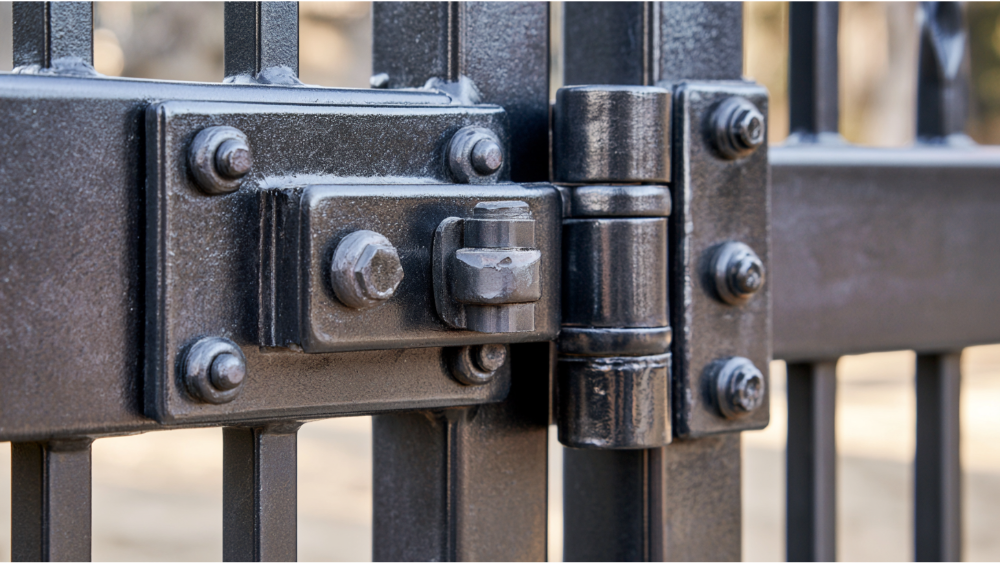
Weld on barrel hinges are widely used for steel and iron gate systems. These heavy-duty gate hinges are attached directly to the gate frame and post through welding, creating a permanent and secure attachment.
They are commonly used in commercial fence systems where strength, security, and long-term durability are required. Weld on hinges provide maximum strength and reduce movement caused by stress or frequent use.
Adjustable Hinges for Alignment Control
Adjustable hinges are used when gates require fine tuning after installation. These heavy-duty gate hinges help correct misalignment and prevent sagging caused by shifting posts or ground movement.
Adjustable hinges are especially useful for chain link fence systems and metal gates where long-term adjustments are needed for proper alignment and secure operation.
Ball Bearing Gate Hinges for Smooth Movement
Ball bearing hinges are designed to reduce friction and improve smooth movement. These heavy-duty hinges support frequent use while maintaining consistent operation.
They are commonly used in commercial heavy-duty gate applications where gates must open and close repeatedly without wear. This improves long-term performance and reduces strain on the gate system.
Self Closing Gate Hinges for Controlled Access
Self closing gate hinges use a spring mechanism or internal tension system to close automatically. These self closing gate hinges are used for safety gates, pedestrian access points, and controlled entry systems.
They ensure the gate will close automatically after access, improving security and controlled movement in outdoor gates and commercial environments.
Pivot Hinges for Large Gate Systems
Pivot hinges are used for large gates that require top and bottom support instead of side-mounted systems. These heavy-duty gate hinges distribute weight across multiple points, making them suitable for large gates and industrial access systems.
Pivot systems provide serious support for oversized gate installations where standard hinges are not sufficient.
Best Gate Hinges for Different Materials
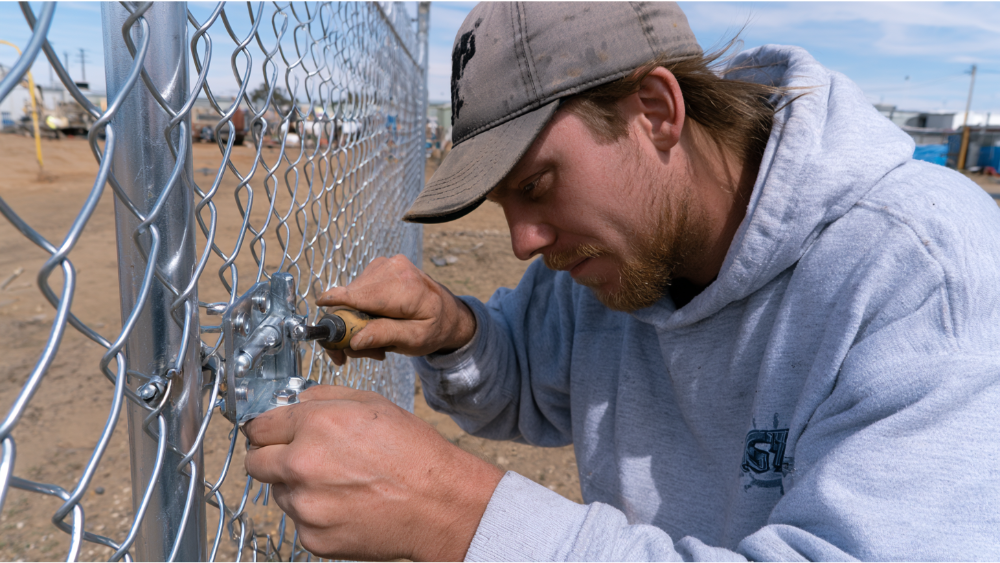
Different gate materials require different hinge systems to ensure proper support and long-term durability.
Wood Gates
Wood gates typically use strap hinges or bolt-on heavy-duty gate hinges. These systems attach using screws or bolts and help prevent sagging in outdoor gates.
Steel Gates
Steel gates require weld on barrel hinges or stainless steel heavy-duty gate hinges. These provide strong support and long-term durability under heavy weight conditions.
Iron Gates
Iron gates are heavy and require stainless steel or galvanized steel gate hinges for corrosion resistance and long-term stability. These systems ensure secure attachment and strong support.
Aluminum Gates
Aluminum gates use adjustable hinges or bolt-on systems. Even lightweight materials still require heavy-duty hinges depending on gate width and structural design.
How Many Gate Hinges Does a Heavy Gate Need?
A heavy gate typically requires at least two hinges, but heavy-duty gate systems often require three hinges or more depending on weight and width. The number of gate hinges depends on gate weight, gate width, and frame strength.
More hinges improve support and reduce stress on each attachment point. Proper spacing ensures long-term durability and prevents sagging in heavy-duty gate installations.
Installation Guidelines for Heavy Duty Gate Hinges
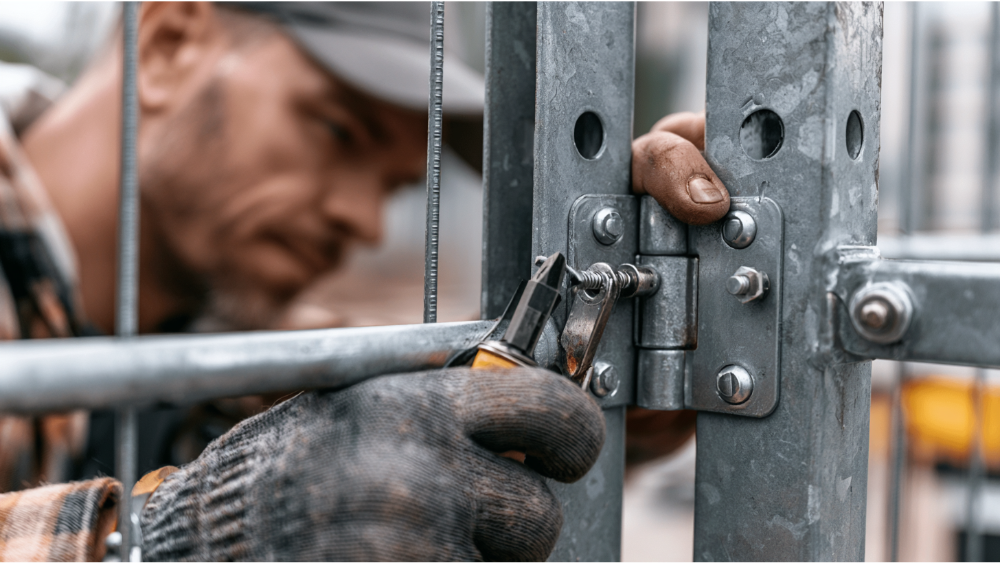
Proper installation is essential for long-term performance and secure operation.
Secure Attachment with Bolts and Screws
Heavy-duty gate hinges must be securely attached using bolts or screws depending on material type. Loose hardware leads to instability and sagging over time.
Proper Alignment and Smooth Movement
Correct alignment ensures smooth movement and prevents dragging. Misaligned gate hinges reduce performance and cause early wear.
Strong Post Support System
The gate post must be strong and properly set. A weak post cannot support heavy-duty gate hinges and will lead to sagging and structural failure.
Common Problems Caused by Incorrect Gate Hinges
Using incorrect gate hinges leads to sagging, misalignment, and reduced durability. Sagging is the most common issue, especially when heavy-duty gate hinges are not properly rated for weight and width.
Rust can also affect performance if low-quality materials are used. Stainless steel and galvanized steel hinges resist rust and extend long-term durability.
Poor installation also reduces performance even when using heavy-duty hinges. Proper installation ensures secure operation and stable access control.
Maintenance for Heavy Duty Gate Hinges
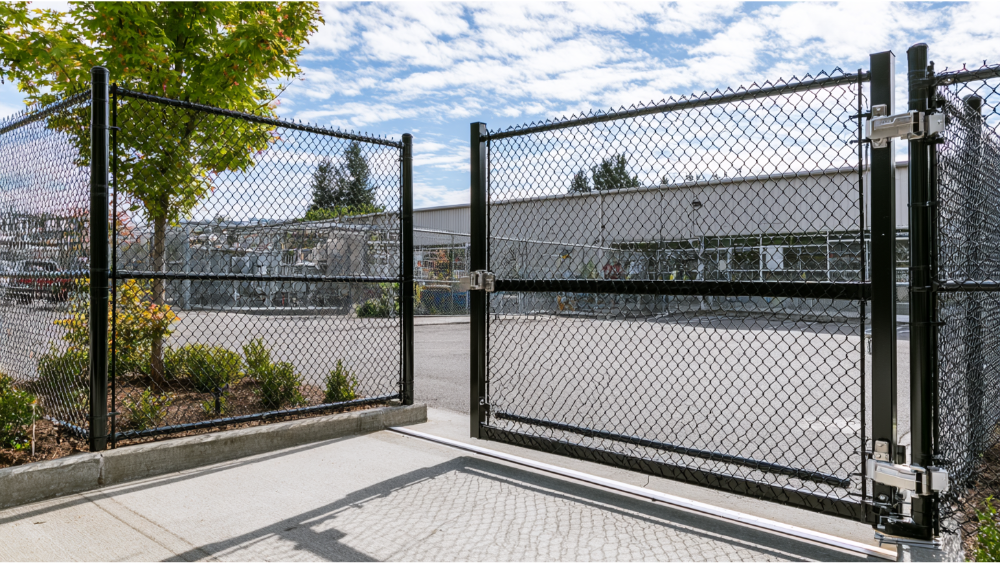
Regular maintenance improves long-term performance and durability. Gate hinges should be inspected for rust, loose screws, and wear. Lubrication helps maintain smooth movement and reduces friction over time.
Stainless steel gate hinges require less maintenance but still benefit from periodic inspection. Keeping hardware clean ensures long-term performance and secure operation in outdoor environments.
Final Answer to What Hinges Are Used for Heavy Fence Gates
Heavy-duty gate systems rely on multiple hinge types depending on application and materials. Strap hinges are used for wood gates, weld on barrel hinges for steel and iron gates, adjustable hinges for alignment control, ball bearing hinges for smooth movement, and self closing gate hinges for controlled access. Pivot hinges are used for large gate systems requiring maximum support.
The correct selection of gate hinges depends on gate weight, gate width, frame strength, and environmental exposure. Choosing the right heavy-duty gate hinges ensures secure operation, long-term durability, and reliable performance.
Frequently Asked Questions (FAQs)
What size gate hinge should I use for a heavy fence gate?
As a general guideline, the hinge length should cover at least half the width of the gate. Larger or heavier gates may require bigger hinges or additional hinges to distribute the load effectively.
Are butt hinges suitable for heavy fence gates?
Butt hinges can be used for heavy gates if they are heavy-duty and made from durable materials like stainless steel. However, other types like strap hinges or weld on hinges often provide better support for very heavy gates.
How many hinges are recommended for a heavy gate?
Typically, two hinges are used for standard gates, but for gates over 330 to 440 pounds or taller than 1.2 meters, using three or more hinges is recommended to ensure maximum durability and prevent sagging.
Can I install heavy-duty hinges myself?
Many heavy-duty hinges offer easy installation with bolts or screws, but some types, such as weld on hinges, require professional installation for maximum strength and longevity.
What is the difference between right hinges and other hinge types?
Right hinges are designed to prevent sagging and ensure smooth operation by providing proper alignment and support. They are often adjustable to compensate for gate settling over time.
How do I maintain heavy-duty gate hinges for outdoor use?
Regular inspection for rust, lubrication to reduce friction, and tightening loose screws or bolts help maintain the highest quality and longevity of gate hinges exposed to the elements.
Conclusion
Choosing the right hinges for heavy fence gates is crucial for ensuring maximum durability, smooth operation, and long-term gate stability. Factors such as gate weight, size gate hinge requirements, material, and environmental exposure must guide your selection. Common heavy-duty hinge types include strap hinges for wood gates, weld on hinges for metal gates, adjustable hinges for alignment control, and ball bearing hinges for smooth movement. Incorporating the right hinges with proper installation and maintenance provides a durable gate system that withstands the elements and daily use. Following these general guidelines will help you select the highest quality hinges that offer easy installation, prevent sagging, and enhance the longevity of your heavy fence gates.