Why Choosing the Right Fence for Your Dog Matters
When it comes to dogs and fence for dogs safety, no compromise is worth the risk, whether you’re welcoming home a playful puppy or managing a full‑grown escape artist, the right dog fence isn’t just a home improvement project, it’s an essential protection for your furry friends, for other dogs that may pass through your yard, and to prevent stray dogs from entering. A high quality fence line keeps your pet safely contained, protects them from outside dangers, and helps avoid costly mishaps with neighbors, wildlife, or local leash laws, most dog owners don’t realize how critical fence height and design can be until there’s an incident.
Installing a tall fence, a solid fence, or even a picket fence with horizontal or vertical slats can drastically reduce the chances of dog escaping behavior, giving you peace of mind, while retaining curb appeal. At Inline Security Fence, we believe the best fence for dogs is one that matches their dogs size, dog breed, structure, and behavior, and enhances your property value. A well-designed fence provides your dog room to roam safely and ensures they are properly contained within your yard.
4 Factors to Consider Before Choosing a Dog Fence
1 | Your Dog’s Size, Breed, and Behavior
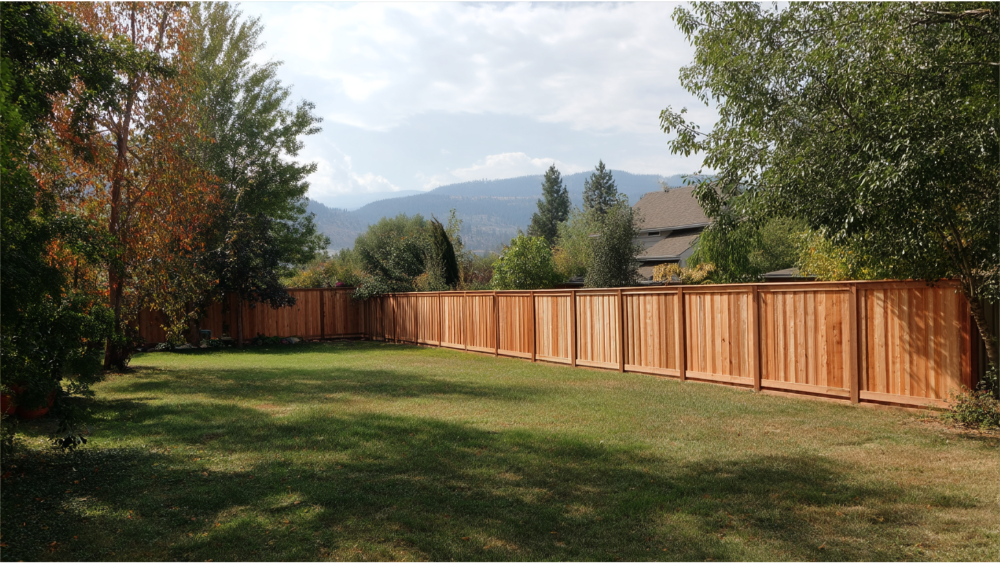
Every dog is different, from small dogs and small dog breeds to medium dogs or large dogs and larger breeds, and each requires a fence suited to its size and personality. Escape artists and active dog types such as Huskies, German Shepherds, or Labradors need taller, sturdier fencing—typically at least 6 foot fence height or more. For small breeds, tight spacing is critical so your dog remains contained, dogs can squeeze through gaps if fence line spacing is too wide.
Chewers may damage wooden fences or vinyl fence panels, making chain link fencing or aluminum fences with strong welded wire a better option. Territorial dogs and lonely dogs may bark at passersby, so solid vinyl panoramic fencing or a solid fence design with horizontal or vertical slats can reduce visual triggers.
2 | Yard Size and Layout
Is your yard a narrow front yard, sloped area, or large open property? Yard design matters for choosing fence types. A picket fence may work near the house or garden, but a tall fence or dog fence of chain link or stone fences may be ideal for securing the full perimeter. DIY dog fence projects may work for sections of the yard, but professional installation of fence for your dog ensures dig proof barrier at the bottom and consistent fence style. Adding welded wire or wire mesh along the base prevents burrowing by diggers, a common cause of dogs escaping. Make sure the fenced area provides enough space for your dog to play and exercise comfortably.
3 | Visibility and Aesthetics
Do you want full privacy, or are you okay with riders or neighbors seeing inside? A solid vinyl fence or a horizontal or vertical slats design provides privacy for pet owners and dogs alike, reducing external stimuli. Aluminum fences or chain link with vinyl slats are rust resistant, smooth surfaced, and can be visually appealing.
For HOAs, a picket fence or ornamental aluminum fence is often acceptable and stylish. Vertical pickets and clean lines create frontage that complements most houses and landscaping, all while keeping pets secure.
4 | Budget, Maintenance and Longevity
Upfront costs vary among fence types. Wooden fences are often cheaper to install than stone fences or aluminum fences, but wooden fences require maintenance and may not last as long. Vinyl fence and chain link are low maintenance and weather resistant, keeping long‑term costs down, especially for pet safe installations where materials must withstand chewing and tearing.
Strong welded wire and steel posts add durability for big dogs, and a well maintained fence lasts for decades.
The 6 Best Types of Dog Fences (Pros, Cons and Use Cases)

1 | Wood Fences
Pros: Customizable height, natural appeal, strong structure
Cons: Require maintenance such as sealing and painting, vulnerable to chewing
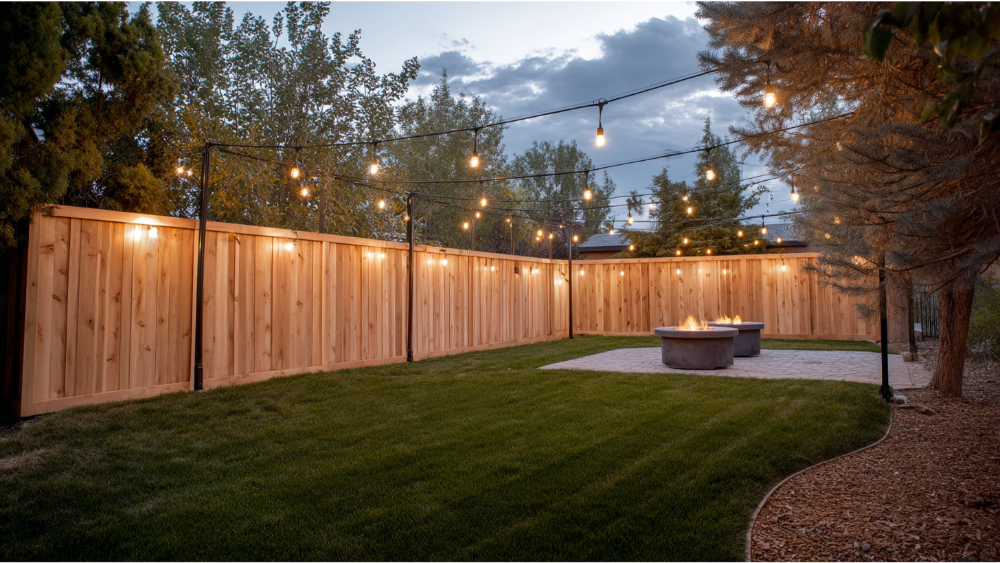
Wooden fences are a classic solution prized for their beauty and durability. You can build them tall to deter jumpers, use thick boards to discourage chew‑through, and seal them to resist weather damage. When combined with a dig proof barrier at the base, wooden fences provide a pet safe, secure perimeter and enough space for dogs to enjoy their dog room outdoors.
2 | Vinyl Fence
Pros: Low maintenance, smooth surface, chew resistant, solid fence panels
Cons: Higher initial cost, may crack in extremely cold weather
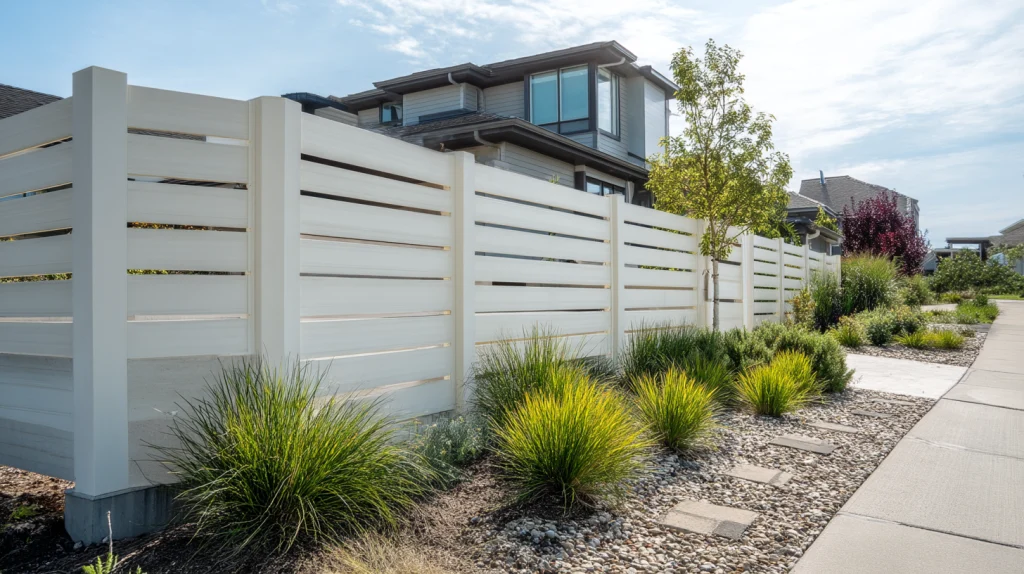
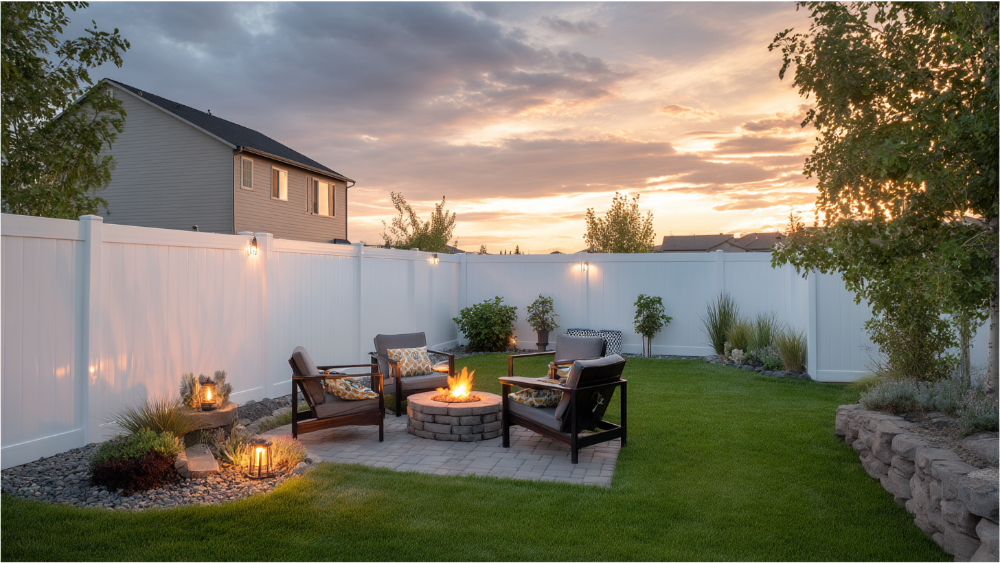
Solid vinyl fence panels always look clean, and they don’t rot or splinter like wood. Their smooth surface is ideal for active dog breeds or medium dogs prone to scratching. Vinyl fences are weather resistant and pet safe, creating a secure environment for most dogs.
3 | Chain Link Fencing
Pros: Economical, durable, quick to install, rust resistant, minimal maintenance
Cons: Limited privacy, climbable for high energy breeds
Chain link is a go‑to option for pet owners wanting a strong fence that stands up to digging and chewing. Add slats for privacy or install a dig proof barrier to stop tunneling. Pairing chain link with a vinyl liner can combine security with aesthetic appeal.
4 | Aluminum Fences
Pros: Elegant, low maintenance, rust resistant, durable
Cons: May have wide spacing unsuited to small dog breeds
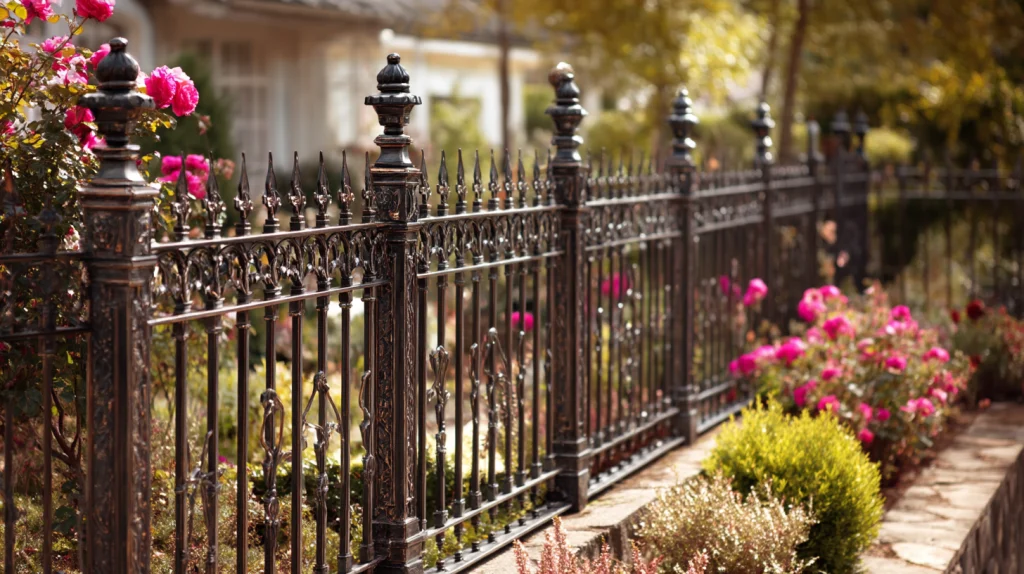
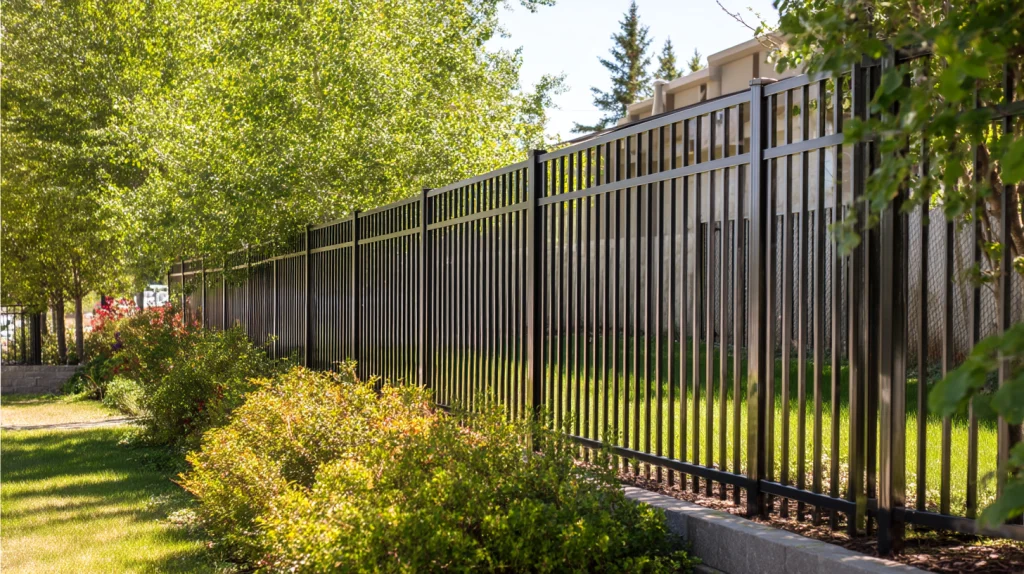
Aluminum fences are ideal for dog friendly front yard borders, featuring vertical slats and clean styles that look great and hold strong. For smaller dogs, spacing can be adjusted or wire mesh added to ensure containment, while offering a stylish entry to any yard.
5 | Invisible Dog Fence / Invisible Fence / Electric Fences
Pros: No visible barrier, boundary flexibility, good for large rural lots
Cons: Requires collar training, doesn’t stop stray dogs or other animals from entering
Invisible dog fence systems use a buried wire or wireless system to define a perimeter. When a dog nears the boundary, the collar emits alerts or gentle static, correcting the dog. These systems are best used alongside a physical fence, as they won’t prevent strangers, other dogs, or wildlife from entering the yard. For many pet owners, invisible dog fence works as part of a broader dog safety strategy.
6 | Stone Fences
Pros: Extremely strong, trusted look, permanent
Cons: High cost, complex installation, less pet friendly unless capped or smoothed
Stone fences provide unmatched durability and appeal, ideal for marking property boundaries. A stone fence paired with a dog fence line can offer style and strong security, especially for larger breeds.
4 Common Dog Fencing Mistakes and How to Avoid Them
1 | Going Too Short
A short picket fence doesn’t stop a determined dog from hopping over. Make sure to choose a tall fence in regions with jumpers, and add height extenders if needed.
2 | Not Installing a Dig Proof Barrier
Even a tall fence can fail if a dog digs underneath. Bury welded wire or chain link, or pour a concrete footer to ensure dogs can’t escape through digging.
3 | Matching the Wrong Material to Behavior
Choosing wood for a chewer or chain link for an anxious dog may backfire. Tailor your fence type to your individual dog’s habits.
4 | Overlooking Gates and Hardware
Gate security is often overlooked. Choose strong latches, solid hinges, and keep gates tightly sealed to prevent accidental escapes.
4 Pro Tips for Making Any Fence More Dog‑Friendly
1 | Add Dig‑Proof Barrier
Extend the base of any fence type with welded wire underground to prevent burrowing.
2 | Anti‑Climb Fence Toppers
Add angled rails or rolling bars along the top edge to deter jumpers.
3 | Double‑Gate Entry System
Create an airlock effect at the entrance to avoid accidental escapes.
4 | Doggy Viewing Window
Install a small acrylic viewing panel in solid fences to reduce stress and barking while allowing your dog to see outside.
Inline’s Take on the Best Fence for Dogs

At Inline Security Fence, we recommend a custom mix of fence types suited to your home and dog. For most dog owners, a tall fence made of wood fences, vinyl fence, or aluminum fences with vertical slats offers the strongest, most pet friendly solution. Combining fence height, style, and a dig proof barrier gives your dog safe space and your home better curb appeal. Invisible fence systems can supplement, but physical fences are key to security and peace of mind.
We tailor fence design for each property, adding welded wire, chain link, or stone fence sections as needed. You decide on style and space, we do the rest.
Frequently AskedFence For Dogs Questions
What fence height is best for large dogs?
A 6 to 8 foot tall fence is usually enough, especially for larger breeds and jumpers.
Can I use a chain link fence for my dog?
Yes, chain link fencing works well, particularly when combined with a dig proof barrier and privacy slats.
Are invisible dog fence systems safe?
Invisible fence systems are effective when used correctly as part of a training program, but they don’t prevent stray dogs or wildlife from entering.
What fence is best for small dog breeds?
Solid vinyl or close‑spaced picket fence with no gaps is best for small dogs and puppies.
How much does a dog fence cost?
Costs vary depending on fence type, materials, and yard size. Wooden fences are usually cheaper upfront, while vinyl or aluminum fences may cost more but require less maintenance.
How long does fence installation take?
Standard installations take 1 to 3 days. Customized fence design or stone features may extend the timeline.
Ready to Build the Perfect Fence for Your Dog?
Your dog deserves freedom and safety, and you deserve peace of mind. Inline Security Fence combines craftsmanship, dog focused design, and top quality materials like wood fences, solid vinyl fence, and aluminum fences to create fences that keep furry friends safe. Our goal is to deliver a high quality fence for your dog that suits your space, your style, and your lifestyle. Request your free dog friendly fence quote today and we’ll help you choose the right fence type, fence line, and security features for your pet and property.