When you’re planning to build a new fence, one of the first decisions you’ll face is the choice of wood. For many Seattle homeowners, the debate often comes down to this: cedar vs pine fence. It’s a question we hear every day at Inline Security Fence. Both materials offer unique benefits, but they serve different purposes depending on your budget, long-term goals, and how much maintenance you’re willing to take on.
With so many choices in fencing materials, understanding the key differences between a cedar fence and a pine fence can help you make the right decision for your dream backyard. Let’s break down everything you need to know, durability, price per linear foot, maintenance expectations, aesthetic appeal, and environmental impact.
Cedar vs Pine Fence: A Quick Comparison
Here’s a high-level comparison of cedar vs pine to help you get started:
| Feature | Cedar Fence | Pine Fence |
|---|---|---|
| Lifespan | 20–30 years | 10–15 years |
| Cost (per linear foot) | $20–35 | $10–20 |
| Maintenance | Minimal upkeep (less maintenance) | Requires frequent sealing |
| Appearance | Rich tones, unique grain pattern | Light brown or greenish tint |
| Rot/Insect Resistance | High due to natural oils and natural resilience | Relies on chemical treatments |
| Both cedar and pine fences can look great in your outdoor space, but one may serve you better depending on your fencing needs and priorities. |
Cedar Fence: Timeless Quality, Built for the Pacific Northwest
Naturally Durable and Rot Resistant
If you’re looking for a fence that will stand up to Seattle’s wet climate, cedar wood is the gold standard. Thanks to cedar’s natural oils, it is naturally resistant to rot, insect damage, and moisture-related warping. This inherent resistance and natural resilience make cedar wood fences ideal for humid climates and regions like the Puget Sound, where rain and damp soil are common.
You’ll deal with fewer loose boards, less swelling or shrinking, and less risk of fungus or mildew. You also won’t need to require chemical treatments to preserve it, cedar’s natural resistance is built in.
Low Maintenance, Long Life
Cedar requires only minimal maintenance. An occasional cleaning with a water and soap solution is typically enough to keep the fence looking fresh. Sealing is optional but can preserve its natural red-brown hue. Left untreated, it will weather to a soft silver-gray tone over time, a look many Seattle homeowners love.
Because of this, cedar fence owners spend less on upkeep over time and enjoy less maintenance compared to pine. Unlike pressure treated pine, which demands more frequent maintenance, cedar wood naturally holds up.
Premium Appearance
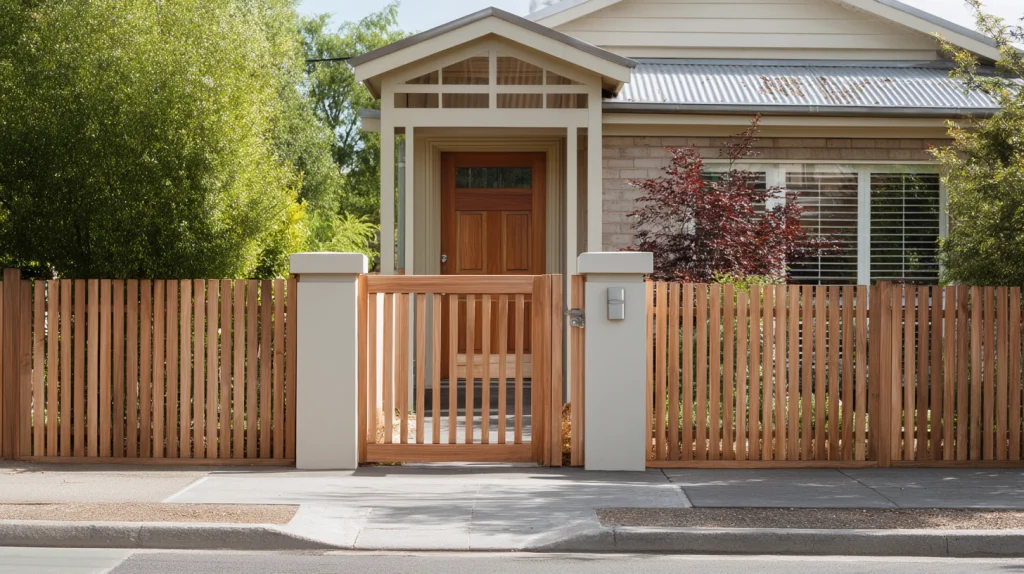
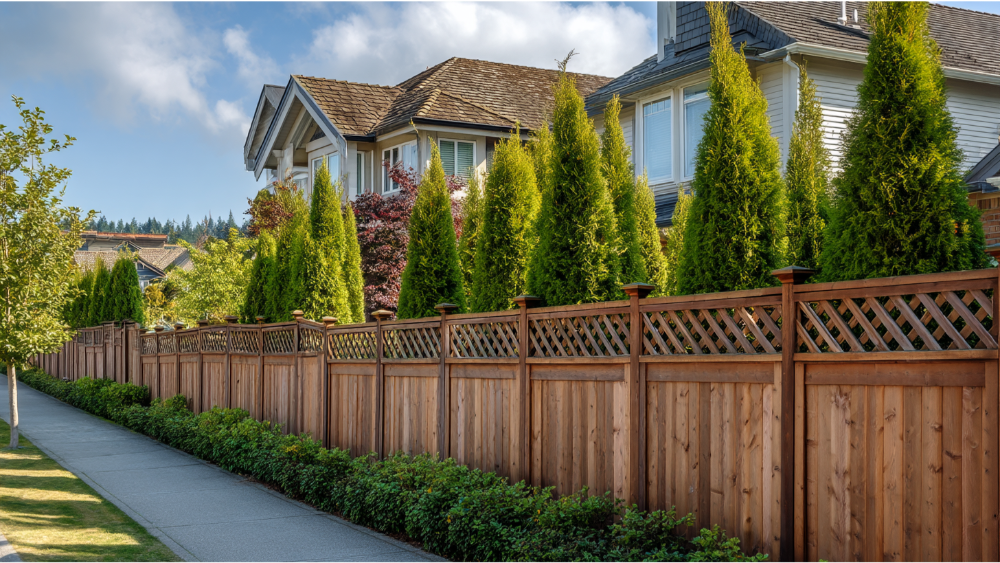
The natural beauty of cedar wood is hard to beat. It has a beautiful grain pattern that offers a rich, premium look. Whether you prefer a vertical privacy design or a horizontal modern style, cedar fences elevate the curb appeal of any yard.
Higher Initial Cost, Long-Term Value
The only downside is the upfront price. Cedar’s material and installation costs are higher than pine. However, when you factor in durability and less ongoing maintenance, durability cedar provides a strong return on investment.
If you’re planning to stay in your home for just a few years, you may not see full ROI. But for long-term homeowners, it’s an investment that pays off.
Pine Fence: Budget-Friendly and Customizable

What Is Pressure Treated Pine?
Pine wood is widely used for fences due to its availability and low price point. However, untreated pine doesn’t hold up well in damp climates. To make it viable, manufacturers use a pressure treatment process that infuses preservatives into the wood to guard against moisture, decay, and insect damage.
Pressure treated pine fences can last 10–15 years with proper care, but they rely entirely on chemical treatments for protection. It’s not naturally durable like cedar.
Affordable Option for Budget-Conscious Homeowners
One of the main reasons pine offers affordability is its lower price per linear foot. For budget conscious homeowners or those fencing a large area, pressure treated pine can reduce your fence installation costs significantly.
Pine offers a way to get the privacy and function of a wood fence at a lower entry point.
Requires Frequent Maintenance
If you choose pine fence, be prepared for frequent maintenance. You’ll need to seal or stain the fence every 2–5 years, depending on weather exposure and how well it was installed. Without consistent upkeep, pine is more prone to loose boards, warping, and rot, especially in wet climates like Seattle’s.
This is where many homeowners get caught off guard. While pine offers a low-cost start, maintenance expenses can add up and may not suit those looking for less maintenance.
Basic Look, But Customizable
Visually, pine wood has a very light brown or yellowish tone, sometimes with a greenish tint due to the pressure treatment. It lacks the natural beauty of cedar wood, but it is a great blank canvas if you plan to paint or stain it.
For a modern gray or dark tone, pine fence cedar combos are occasionally considered, but mixing woods is not ideal. Cedar and pine age and weather at different rates, which can lead to uneven aesthetics.
Cedar vs Pine Fence: Which Is Better for Seattle?

Climate Performance
In a wet climate like Seattle, cedar wood fences outperform pressure treated pine. Thanks to natural oils, cedar wood resists moisture without relying on chemicals. That means less risk of soil contamination and fewer environmental concerns.
Pressure treated lumber requires careful disposal and is less eco-friendly. If you’re looking for a naturally durable, chemical-free option that handles humid climates, cedar is the clear winner.
Fence Installation and Lifespan
While both pine and cedar fences require solid fence posts and proper drainage, cedar is more forgiving in wet soil. It’s also denser, meaning it holds fasteners better over time.
Pine wood, while easier to cut and work with, can be more prone to fastener corrosion and movement if not properly treated.
When professionally installed by Inline Security Fence, cedar fences can last up to 30 years with proper care. Pine fences tend to max out at 15 years, assuming you stay on top of upkeep.
Long-Term Costs
While pine offers affordability up front, you’ll likely spend more on stains, sealants, and repairs down the line. Over a 15–20 year period, cedar vs pine usually balances out cost-wise, but cedar’s natural oils give it the edge in low maintenance and performance.
Choosing the Right Fence Material for Your Property

Choosing the right fence material depends on your:
- Budget: Choose pine for upfront savings; cedar for long-term value
- Maintenance Tolerance: Cedar for minimal maintenance and less maintenance, pine for hands-on care
- Climate: Cedar excels in humid climates, pine needs sealing
- Visual Goals: Cedar offers natural beauty, pine wood needs enhancement
- Environmental Concerns: Cedar is naturally durable; pressure treated pine requires care in disposal
If your goal is long-term durability, elegance, and low effort, cedar wood fences are worth the investment. If you’re fencing on a budget or don’t mind more frequent maintenance, pine fence is a serviceable option, especially with a great stain.
Frequently Asked Questions About Cedar vs Pine Fencing
Is cedar really better than pine?
Yes, in most long-term scenarios. Cedar’s natural resistance and natural resilience to decay and pests gives it better performance without chemicals or constant upkeep.
How long will a pine fence last in Seattle?
With maintenance, up to 15 years. Without sealing or staining, expect closer to 8–10 years.
Can I mix cedar and pine in one fence?
We don’t recommend it. Cedar and pine weather and expand differently, which can lead to cracks and a mismatched look.
Does cedar need to be sealed?
No. Sealing is optional and only needed to maintain the reddish hue. Left alone, it weathers gracefully.
Will untreated pine work for fencing?
Not in the Pacific Northwest. Always use pressure treated pine or it won’t last beyond a few seasons.
How often should I clean my fence?
For cedar wood, use a water and soap solution annually. For pine fences, consider pressure washing and re-sealing every few years.
Final Verdict: Cedar vs Pine Fence for Your Seattle Home
Choosing between a cedar vs pine fence is about more than cost, it’s about performance, aesthetics, and how much time you want to spend maintaining it.
- Choose cedar wood for superior natural resistance, natural resilience, minimal maintenance, and timeless beauty.
- Choose pine wood if you need a budget-friendly option and are comfortable with more frequent maintenance.
Both have their place in the Seattle market, and at Inline Security Fence, we install them with expert craftsmanship, proper drainage, and long-lasting hardware that stands up to Northwest weather.
Get a Free Quote for Your New Fence
Ready to build your new fence? Whether you’re leaning toward cedar fence, pine fence, or still deciding, our team will help you choose the best option for your average residential backyard fence.
Inline Security Fence proudly serves Seattle and surrounding areas, including Shoreline, Renton, Bellevue, Kirkland, and Redmond. We offer professional fence installation backed by years of experience and a warranty you can trust.
Contact us today to schedule a free estimate. Let’s build a fence that fits your budget, enhances your property, and lasts for years to come.