If you’re installing a 200-foot chain link fence in 2025, you’re probably asking one big question: what’s the real cost?
Whether you’re securing a residential property, commercial lot or backyard perimeter, chain link fencing is one of the most affordable and durable options out there
But pricing can vary widely depending on several key factors. In this guide, we’ll break down the average cost for 200 feet of chain link fencing, what affects the price and how to get the most bang for your buck.
Chain Link Fence Costs in 2025
Why Chain Link Fencing is a Top Choice for Washington Homeowners
Chain link fencing is one of the most popular and affordable fencing options for both residential and commercial properties in Washington. Known for its strength, long-term durability and low maintenance, it’s a great value—especially for large installations.
What’s Affecting Chain Link Fence Pricing in 2025?
In 2025, chain link fence costs have gone up slightly due to:
- Higher material costs, especially for steel and coatings
- Rising labor costs in the Pacific Northwest
Despite these changes, chain link fencing still delivers exceptional cost per linear foot, making it a great option for homeowners and businesses looking for reliable, budget-friendly security.
In 2025, chain link fence pricing is being influenced by several key factors, including the rising cost of steel, increased demand for professional fence installation, and ongoing labor shortages in the construction industry. Supply chain disruptions have also impacted the availability of certain fence materials, particularly for taller fences and vinyl-coated options. These market changes mean that overall costs may be slightly higher than previous years, making it even more important to request free estimates and compare options before starting your project.
200 Feet of Chain Link Fence

Residential Installation
The cost to install ranges from $1,800 to $6,000, depending on several factors. These include material type, fence height, terrain complexity and number of gates.
For most residential properties, a standard chain link fence installation—including one gate and moderate terrain—averages $3,500 to $4,000. This price range is a sweet spot between affordability and functionality, making chain link one of the most cost-effective options for homeowners looking for durable, low-maintenance fencing.
When planning residential fences, it’s essential to factor in not just the overall cost of materials and installation, but also long-term durability. Taller fences may offer increased privacy and security, but they also require deeper posts and more material, which can slightly raise the budget. Working with a local utility company before digging ensures underground lines are marked, preventing costly delays or damage. Additionally, fences that are properly maintained through routine inspections and cleaning tend to outlast poorly kept ones—especially in hurricane prone areas where strength and stability matter most. At Inline Security Fence, we offer free estimates to help Washington homeowners choose the right solution that balances budget, performance, and proper maintenance for a fence that will last for decades.
Cost Per Foot
What You’ll Pay Per Linear Foot
In 2025, you’ll pay $9 to $30 per linear foot installed, depending on materials and upgrades.
Entry-Level
- $9–$15 per foot
- Basic galvanized steel
Mid-Range* $15–$25 per foot
- Vinyl-coated chain link
Premium Options Including Barbed Wire
- $20–$30 per foot
- With privacy slats or barbed wire
Total Costs by Fence Type
Galvanized Steel Chain Link Fence
With professional installation, you’ll also reduce the likelihood of sagging, misalignment, or premature wear.
Permit costs typically range from It’s essential to check local regulations before installation.
- Per Foot: $9–$15
- Total: $1,800–$3,000
Vinyl-Coated Chain Link Fence
- Per Foot: $15–$25
- Total: $3,000–$5,000
Chain Link Fence with Privacy Slats
- Per Foot: $20–$30
- Total: $4,000–$6,000
Added Benefits
Vinyl-coated and slatted fences offer:
- Better curb appeal
- Added privacy
- Low maintenance
What are the Key Cost Factors in Fence Installation?
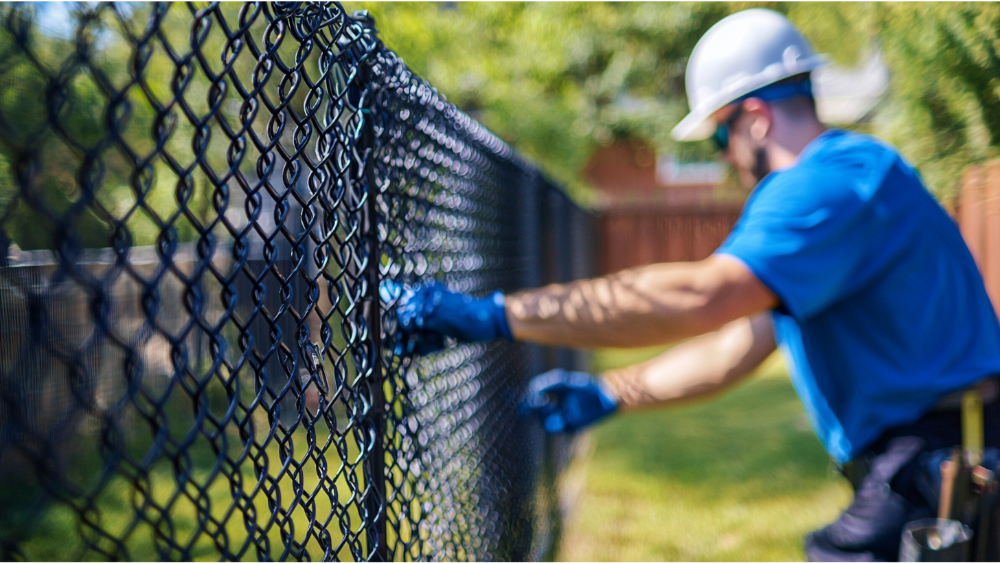
Material, Labor, Height and Terrain All Impact Total Cost
When planning a chain link fence installation, several key factors contribute to the total cost. These include the type of materials used, labor rates in your area, the height of the fence, coating or finish options and the terrain of your property.
Labor is one of the biggest cost drivers, especially in the Pacific Northwest, where skilled fence installation typically ranges from $50 to $90 per hour. If your property has rocky soil, slopes or tight access, expect higher labor charges due to the added time and effort required.
Fence height also plays a big role in pricing. A 4-foot chain link fence is the most affordable option, while 6- or 8-foot fences require more material and increase labor costs. Your choice of height should be based on your security, privacy or containment needs. Finish or coating type can also impact the total cost. Galvanized steel is durable and affordable and one of the most cost effective fencing options. Vinyl-coated chain link fencing, available in black, green or brown, improves curb appeal and corrosion resistance but is more expensive.
In addition to these, custom features such as privacy slats, gates or wind screens will increase your total installation cost but can greatly enhance the fence’s functionality and visual appeal. Understanding how these elements work together is key to budgeting your project.
Ground Conditions and Land Clearing Requirements
How Terrain Impacts Your Cost
If your site needs clearing (rocks, brush, grading) expect:
- Additional labor charges
- Cost range: $1–$4 per sq. ft.
Terminal Posts vs. Line Posts
Fence Structure
- Terminal posts: Placed at ends, corners and gates—thicker and stronger
- Line posts: Between terminal posts to support the mesh
Chain Link Fence Posts and Mesh Gauge
Strength Comes From Wire Gauge
- Thicker posts and tighter mesh = better durability
- Heavier gauge wire is ideal for commercial or high-wind zones
Chain Link Fabric: The Foundation of Fence Strength
- The woven mesh between posts
- Tighter weave + thicker gauge = more secure fence
- Ideal for security focused installations
Post Caps and Gate Posts
- Post caps: Prevent internal moisture buildup and rust
- Gate posts: Need deeper anchoring for heavy or double swing gates
Local Building Codes and Permit Requirements
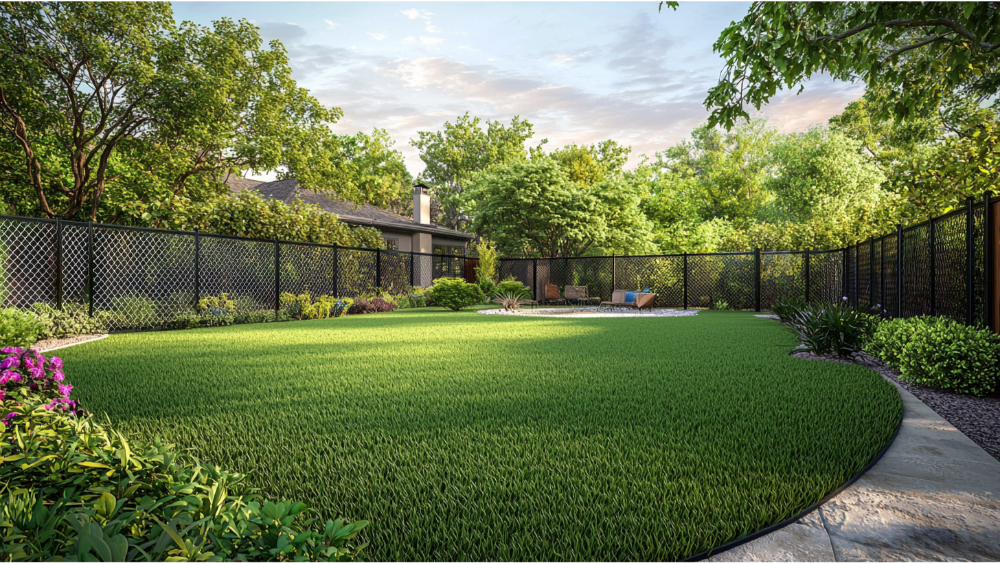
You may need to obtain a building permit if your fence exceeds 6 feet in height or is installed along a sidewalk or alley. In addition to height and location, local regulations often outline specific requirements for the depth of post installation and the distance your fence must be set back from the property line.
Before installing a new chain link fence, it’s important to understand your area’s local building codes and whether a building permit is required—especially if your fence exceeds 6 feet or sits along a property line. Many Washington municipalities have specific rules for post depth, fence height, and proximity to utility lines, which can affect both the design and overall cost of your project. Partnering with a contractor familiar with local laws ensures your installation stays compliant and avoids costly fines or delays.
How Gates Impact Labor Costs
- Pedestrian gates: $150–$400
- Driveway gates: $800–$1,500+
- Size, style and reinforcements impact cost
Material Comparison: Chain Link vs. Wood
Wood Fence vs. Chain Link Fence
- Wood: Aesthetic appeal, but higher cost and maintenance
- Wood fences need sealing, staining and repairs
- Chain link: Stronger long term value, lower maintenance
- Chain link lasts 20–30 years with minimal care
Chain Link Fence vs. Hurricane or Cyclone Fence
- Terms used interchangeably
- Hurricane fences use thicker wire and deeper posts
- Designed for extreme weather and commercial zones
Property Value Considerations
Will a Chain Link Fence Increase Value?
- Enhances security and usability
- Well maintained fences support resale value
- Upgrades like slats or coatings can improve curb appeal
Decorative Elements and Customization Options
- Vinyl coatings in black, green or custom colors
- Privacy slats and windscreens for visual barriers
- Improve both appearance and functionality
Vinyl Fence and Wood Fence Alternatives
Vinyl Fence Pros and Cons
- Sleek appearance, low maintenance
- Higher upfront material costs
Wood Fence Considerations
- Custom wood fences cost more per linear foot
- Require regular maintenance to stay in good shape
Maintenance Requirements for a Chain Link Fence
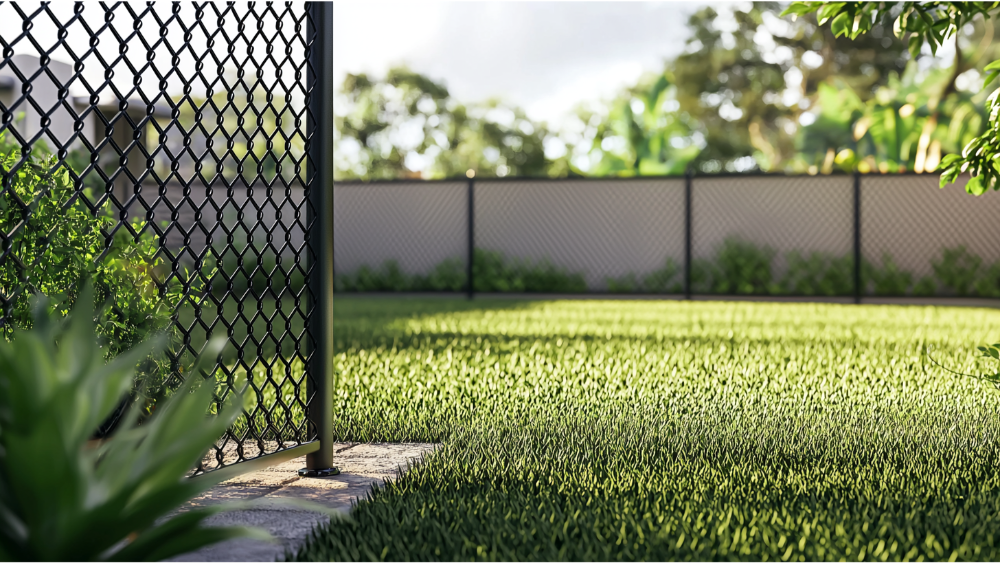
How to Maintain Your Chain Link Fence
- Rinse annually
- Inspect gates and hardware
- Tighten bolts and check for leaning
A well installed chain link fence can last 20–30 years or more.
How Chain Link Fence Installers Estimate Projects
What Fence Contractors Consider
Professional fence companies evaluate:
- Total fence length
- Terrain type
- Fence height
- Gate quantity and size
- Add-ons like privacy slats or barbed wire
Installation Timeframe for 200 Ft of Fencing
What to Expect During Installation
- Most 200-ft projects take 1–2 days
- Weather, slope and gates may add to that slightly
- We’ll keep you informed every step of the way
What’s the Best Option for a Half Acre Lot?
Smart Planning for Limited Fencing Coverage
- Full perimeter fencing for a half acre = 400–600 ft
- 200 ft? Prioritize high use areas like a backyard or garden
- We’ll help you maximize coverage and value
Frequently Asked Chain Link Fence Installation Questions
How much does chain link fence installation cost per foot in 2025?
The cost of chain link fence installation in 2025 is $9 to $30 per square foot depending on height, coating and features. Basic galvanized is at the low end and vinyl coated or slatted for privacy is at the high end. Despite the small price increase, chain link is one of the most affordable fencing options for residential and commercial use.
What affects the total cost of a chain link fence?
- Fence height and length
- Chain link mesh (gauge and coating)
- Terrain complexity
- Number and size of gates
- Type of posts (line posts vs. wooden posts)
- Local regulations or required building permits
Each of these factors impact the total cost.
Is a chain link fence cheaper than a wood fence?
Yes. Chain link fences are generally more cost effective than wooden fences, especially for large areas. Chain link fencing is one of the most affordable fencing options, especially when you consider long term cost effectiveness and less maintenance.
How long will a chain link fence last?
A well maintained chain link fence can last 20 to 30 years or more. Lifespan depends on climate, post quality and if the chain link mesh is galvanized or vinyl coated.
Do I need a building permit to install a chain link fence?
In many cases, yes. A building permit may be required depending on your municipality and the height or location of your fence—especially if it’s along a sidewalk or property line. Local regulations also govern how close the entire fence can be to utility lines or neighboring properties.
Are chain link fences easier to maintain than wood?
Yes. Chain link fences require less maintenance than wood. No staining or sealing needed and minimal upkeep. A quick rinse and annual check of gates is usually enough to keep your fence in great shape.
How Long Does It Take to Install a 200-Foot Chain Link Fence?
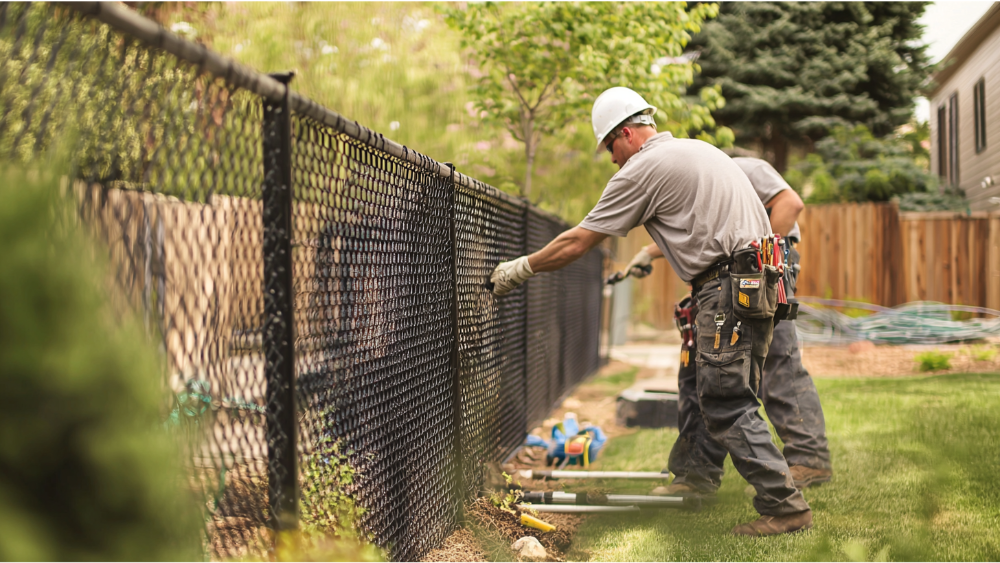
Installing a 200-foot chain link fence typically takes 1 to 3 days, depending on factors like terrain, weather, and the number of gates or custom features. Professional fence installation teams can usually set posts on the first day, allow concrete to cure overnight, and complete the mesh stretching and gate installation the following day. For properties with steep slopes, old fence removal, or complex layouts, the timeline may extend slightly.
🔍 Did You Know?
A professionally installed, galvanized chain link fence can withstand winds up to 75–100 mph—one of the most durable and affordable fencing options for properties in storm or hurricane areas.
Get Free Estimates for a Chain Link Fence Today
Whether you need to fence a home, commercial property or a section of your yard, we can help you save money and build your dream fence.