Complete Price Guide for Homeowners
How much does a new fence cost is one of the most common questions we hear from homeowners planning a fencing project. A new fence is a significant investment, and the price can vary widely depending on materials, layout, and installation details. In 2025, most homeowners want clear, realistic numbers before committing, especially when balancing security, privacy, and curb appeal.
This guide breaks down average fence installation costs, explains what affects the final price, and helps you understand what homeowners pay for different fencing materials. Whether you are replacing an old fence, enclosing property boundaries, or installing a privacy fence for the first time, this article will help you budget with confidence.
Average Fence Installation Cost in 2025
The national average cost for a new fence in 2025 typically falls between $2,000 and $12,000. The average fence installation costs most homeowners see are based on total linear footage, material cost, and labor costs. On a per linear foot basis, the national average ranges from $20 to $40, with an average cost hovering around $23 to $25 per linear foot installed.
Most homeowners spend within this range, but costs ranging higher or lower are common depending on project complexity. Smaller yards with simple layouts may fall below the national average, while larger properties with taller fences or premium materials can exceed it. Fence installation cost is usually calculated by multiplying the cost per linear foot by the total linear footage required.
Fence Costs by Material Type
Choosing from the most popular fencing materials is one of the biggest factors that influences total cost. Below is a breakdown of common materials, average cost, and what homeowners should expect from each option.
Wood Fence Cost
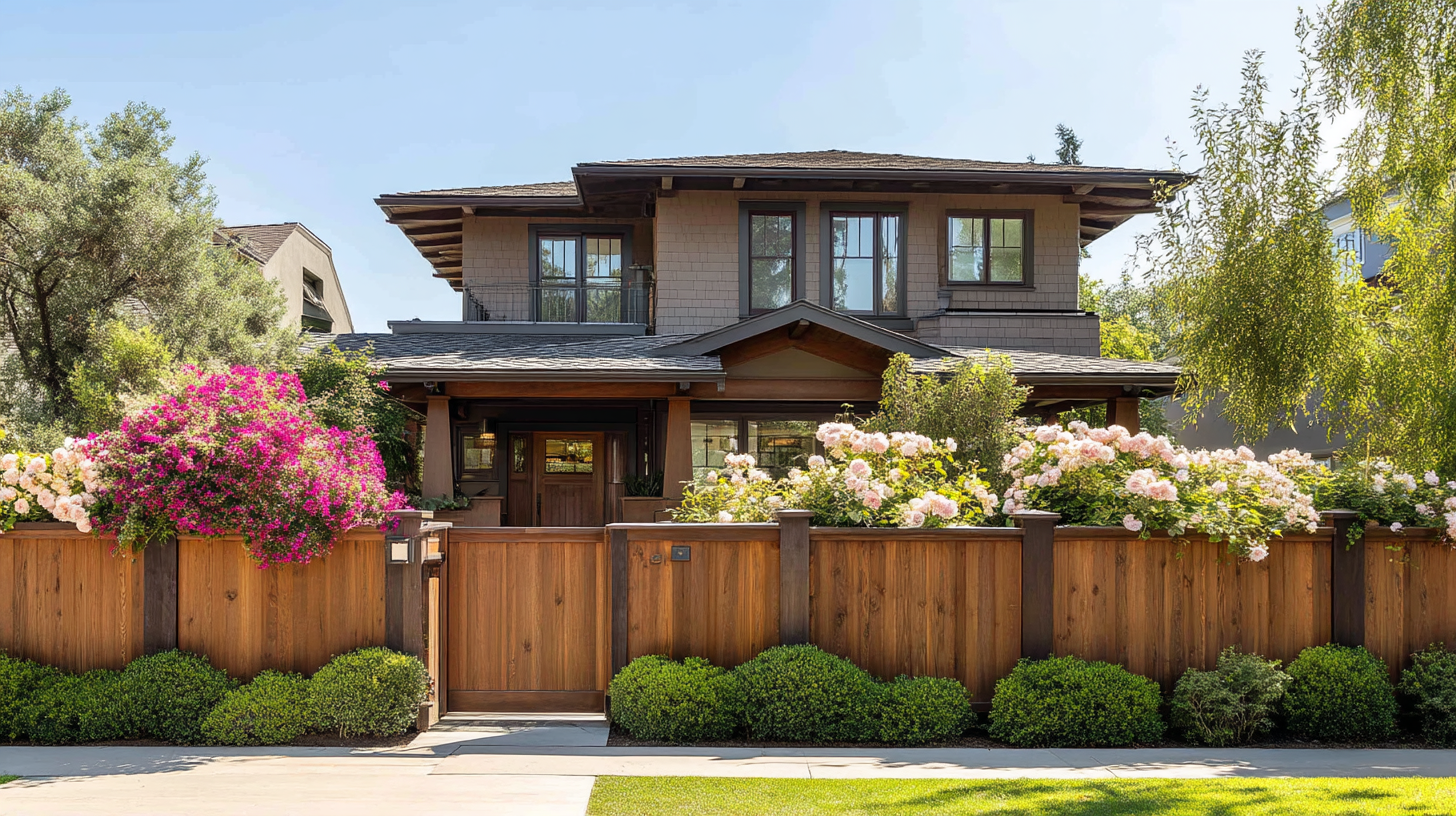
Wood fences remain one of the most popular fencing materials for residential properties. The average cost for wood fences ranges from $25 to $50 per linear foot installed. Premium woods and custom designs can push the fence installation cost higher.
Wood fences are commonly used for privacy fence applications, especially six feet tall designs that block visibility and noise. A classic picket fence is usually shorter, often four feet tall, and costs less due to using less material. Taller fences require more material, deeper posts, and more labor, which increases labor costs and total project cost.
Wood fences offer natural curb appeal and flexibility in design, but they do come with maintenance requirements. Staining, sealing, and occasional repairs should be considered part of the associated costs over time.
Vinyl Fence Cost
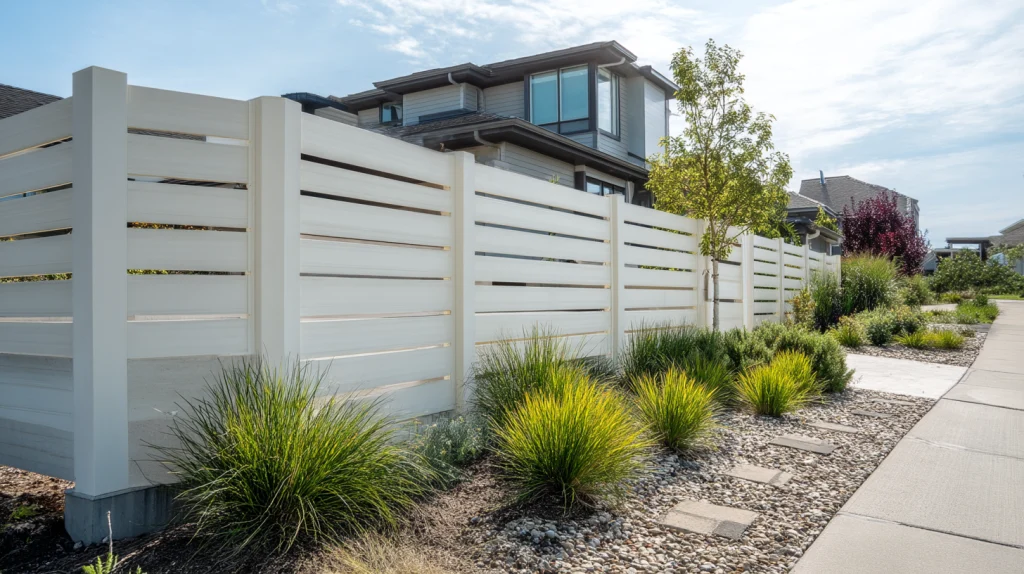
Vinyl fencing is known for its low maintenance and long lifespan. Vinyl fence costs typically range from $15 to $40 per linear foot installed, depending on style and thickness. Linear foot vinyl pricing is higher than basic wood in some cases, but many homeowners prefer vinyl because it resists rot, insects, and moisture.
Vinyl fencing works well for privacy fence designs, decorative enclosures, and pool fencing. Vinyl and aluminum fences are often chosen by homeowners who want durability with minimal upkeep. Vinyl fence costs can be higher upfront, but the total cost over time may be lower due to reduced maintenance requirements.
Chain Link Fence Cost
Chain link fencing is one of the most affordable options available. The average cost for chain link ranges from $8 to $30 per linear foot installed. Chain link fencing is often used for utility purposes, pet containment, and large properties where budget is a key concern.
Chain link is available in different heights and gauges. Taller fences and thicker wire increase material cost and installation cost. Vinyl coated chain link adds durability and appearance but raises the cost per linear foot. While chain link offers less privacy, it remains a practical and secure solution for many homeowners.
Aluminum and Wrought Iron Fence Cost
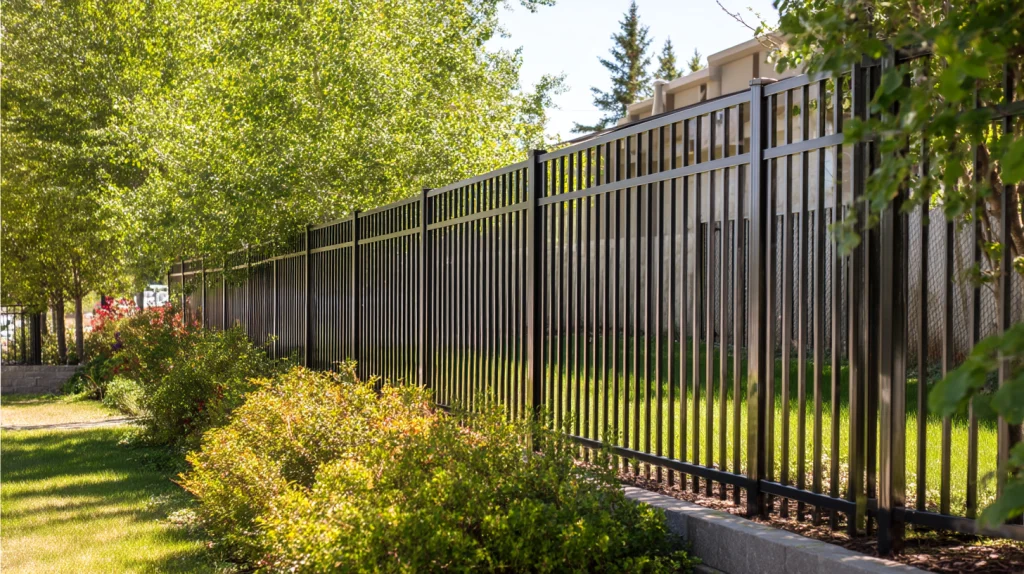
Aluminum and wrought iron fencing are often selected for decorative and security-focused applications. Wrought iron is known for its strength and classic appearance, while aluminum provides a similar look with lower maintenance.
Wrought iron fencing typically costs between $30 and $60 per linear foot installed. Decorative details, custom panels, and heavier materials can increase the final cost. Aluminum fencing is slightly more affordable and resists rust, making it ideal for humid climates.
These options are commonly used around front yards, pools, and high-visibility areas where curb appeal matters. A well designed fence in aluminum or wrought iron can significantly enhance the appearance of a property.
Composite Fence Cost
Composite fencing combines wood fibers and synthetic materials to create a durable, long lasting product. Composite fencing costs are among the highest, often ranging from $45 to $155 per linear foot installed.
Composite fencing is valued for its strength, resistance to weather, and low maintenance requirements. While the estimated cost is higher, many homeowners see composite fencing as a long term investment that reduces maintenance and replacement expenses.
Factors That Influence Fence Cost
Fence installation cost is affected by several factors beyond material selection. Understanding these details helps explain why prices vary based on property and design.
Fence Height and Length
Fence height is a crucial factor in determining cost. Four feet tall fences require less material and labor than six or eight feet tall designs. Taller fences require deeper posts, more material, and additional labor, which can increase labor costs and material cost.
Total linear footage also plays a major role. The more footage required to enclose property boundaries, the higher the total project cost. Even a small increase in length can significantly affect the final price when calculated per linear foot.
Site Preparation and Ground Conditions
Site preparation can add additional costs to a fencing project. Rocky soil, uneven terrain, and sloped yards make installation more challenging and may require specialized equipment. Rocky soil can slow the installation process and increase labor costs.
Utility marking is another important step. Locating underground utilities protects your property and ensures proper installation. This step is often included but can affect timelines and labor needs.
Existing Fence Removal
If there is an existing fence or old fence that needs to be removed, fence removal costs must be factored in. Fence removal typically adds $3 to $10 per linear foot depending on material and disposal requirements. Removing an old fence with concrete footings or damaged posts can increase labor costs.
Gates and Custom Features
Gates are an important part of many fencing projects. Basic walk through gates usually add a few hundred dollars to the total cost. Automatic driveway gates are more complex and can significantly increase the total project cost due to electrical work and additional hardware.
Decorative post caps, custom panels, and specialty hardware also add to the final cost. These features improve aesthetics and function but increase material cost and labor time.
Labor Costs and Local Rates
Labor costs vary by region and are influenced by local labor rates and demand. Professional installation ensures proper installation, compliance with local codes, and long term performance. While DIY may reduce upfront installation cost, professional installation often provides better value through quality fence installation and warranty coverage.
Increase labor costs may occur for complex layouts, tight spaces, or projects requiring additional site preparation. Local labor rates play a role in why fencing companies in different regions may quote different prices for similar projects.
Real World Fence Cost Examples
Understanding average cost scenarios can help homeowners plan realistically.
Small Yard Fence Costs
For a small yard with approximately 50 linear foot installed, homeowners pay between $1,000 and $3,000 depending on fencing materials and fence height. Chain link or a short picket fence are common choices.
Medium Yard Fence Costs
A medium sized yard with around 150 linear feet typically has a fence installation cost between $3,000 and $9,000. Wood fences, vinyl fencing, and privacy fence styles are common in this range.
Large Yard Fence Costs
Large properties with 200 or more linear feet installed often see total cost between $4,000 and $12,000 or more. Taller fences, composite fencing, and aluminum or wrought iron designs increase total project cost.
DIY vs Professional Fence Installation
Many homeowners consider DIY installation to reduce installation cost. While material cost may be lower, DIY projects often underestimate labor, tools, and time. Mistakes can affect fence height, alignment, and long term durability.
Professional installation ensures proper installation, accurate placement along the property line, and compliance with local regulations. A quality fence installed by experienced fencing companies reduces future repair costs and protects your investment.
How to Get an Accurate Fence Estimate
Getting an accurate estimate requires more than measuring square foot or guessing total linear footage. A professional evaluation considers several factors including fencing materials, site preparation, fence height, and project complexity.
Homeowners should be prepared to discuss property boundaries, desired fence height in feet tall measurements, and any concerns about rocky soil or existing fence removal. A detailed estimate helps clarify the final price and avoids unexpected additional costs.
FAQs About Fence Costs in 2025
What is the cheapest type of fence to install?
Chain link fencing is typically the most affordable option, with costs starting well below the national average for other materials.
How much does a privacy fence cost?
Privacy fence pricing depends on material and height. Wood fences and vinyl fencing are common choices, with costs per linear foot varying based on design and material quality.
Do taller fences cost more?
Yes. Taller fences require more material, deeper posts, and additional labor, which increases installation cost and total cost.
Is fencing a good investment?
A new fence can improve security, define property boundaries, and enhance curb appeal. While it is a significant investment, most homeowners see long term value in a quality fence.
Final Thoughts on Fence Installation Costs
Fence installation cost in 2025 varies depending on several factors including material selection, fence height, site conditions, and labor costs. The national average provides a helpful benchmark, but final cost is always project specific.
Most homeowners pay based on linear foot installed pricing, with material cost and labor costs making up the majority of the total project cost. Whether you choose wood fences, vinyl fencing, chain link fencing, or wrought iron, understanding these details helps you make informed decisions.
A well designed fence installed by professionals provides long lasting performance, safety, and visual appeal. Planning carefully and understanding how much does a new fence cost ensures your fencing project meets your expectations and your budget.