Why Hiring the Right Fence Contractor Matters for Your Business
The right commercial fence contractor can make or break your project. In Seattle, where wet weather and tight permitting laws add layers of complexity, choosing a reliable, experienced partner ensures your property is secure, compliant, and built to last. A high-quality fence boosts your property’s curb appeal, protects your assets, and prevents liability issues—especially in high-traffic commercial or industrial areas.
Poor installation, subpar materials, or skipped inspections can lead to premature repairs, safety concerns, or even legal fines. That’s why the decision of who you hire isn’t just about the fence—it’s about the long-term performance and protection of your property investment.
Understand Your Project Scope and Needs First
Before reaching out to contractors, clearly define the scope of your commercial fencing project. What’s the primary purpose—security, privacy, access control, aesthetic enhancement, or a combination? Each goal influences the type of fence, materials, and compliance requirements.
Seattle’s terrain, frequent rain, and zoning regulations add specific challenges. Your contractor should understand how to adapt materials and techniques to these local conditions. Additionally, commercial fencing projects often involve more rigorous standards than residential installs, especially when protecting equipment, controlling access, or meeting industry-specific codes.
Common Commercial Fence Types in Seattle
Different businesses have different needs. Here are the most commonly used fencing solutions for Seattle-area commercial properties:
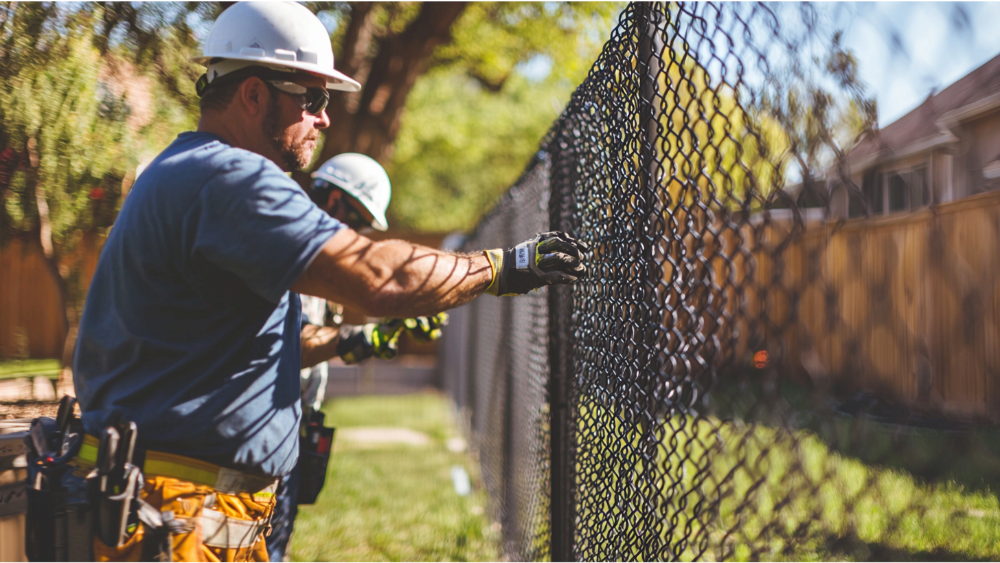
- Chain Link Fencing: Ideal for industrial zones, chain link is budget-friendly and durable. Add barbed or razor wire for enhanced perimeter security.
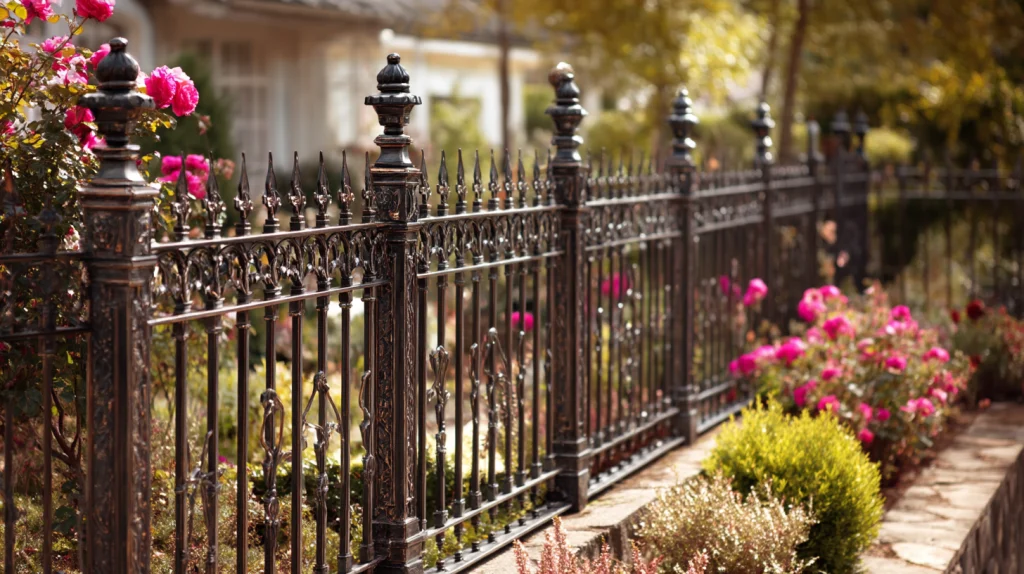
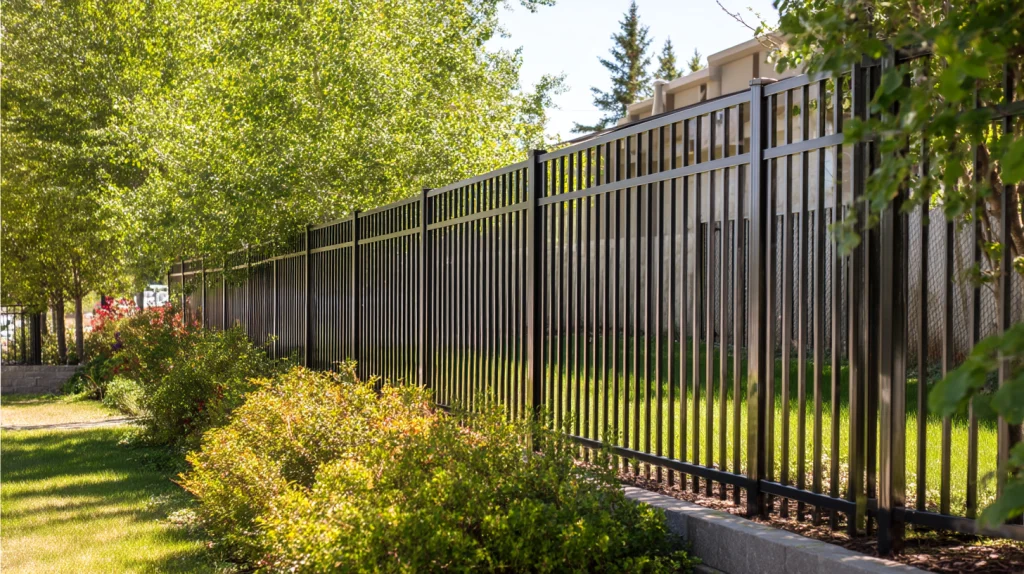
- Steel and Ornamental Iron Fences: Preferred for properties that need a balance of visual appeal and strength—perfect for office parks, schools, and apartment complexes.
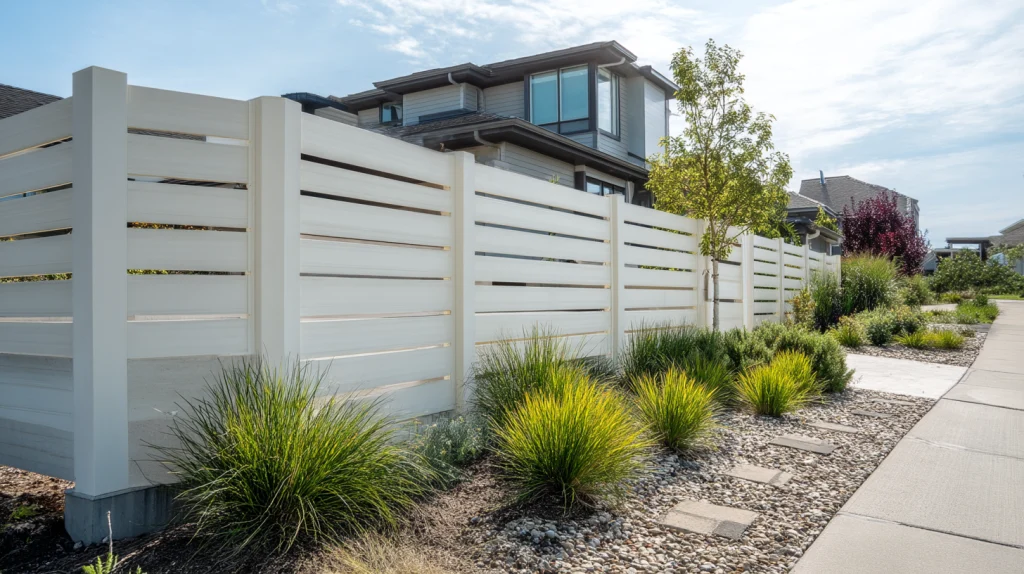
- Vinyl and Composite Fencing: Great for businesses needing low-maintenance, rot-resistant materials that perform well in rainy conditions.
- Wood Fencing: Less common in commercial settings but still a solid choice for visual privacy, especially around dumpsters or service areas.
- Access Control Systems: Integrate gates, card readers, and keypad systems for regulated entry points—essential for commercial and government facilities.
What to Look for in a Commercial Fence Contractor
Seattle’s commercial fencing market includes a wide range of contractors—but not all are created equal. The best contractors go beyond the basics of installation; they bring proven experience, technical knowledge, and a commitment to getting the job done right.
- Licensing and Insurance: Always verify that your contractor is licensed to operate in Washington and carries both liability and worker’s comp insurance. This protects you from potential legal and financial risks.
- Commercial Experience: Commercial fencing is not the same as residential work. Make sure your contractor has a portfolio that includes warehouses, schools, office complexes, and other large-scale projects.
- Code Compliance and Permits: A seasoned contractor should know Seattle’s zoning codes and permitting requirements inside and out.
Questions to Ask Before Hiring
- How long have you been working on commercial fencing projects in Seattle?
- Can you provide recent references from similar local projects?
- Do you offer warranties on materials and workmanship?
- Will you handle the permitting and inspection process?
- Who will be on-site during the installation, and do you use subcontractors?
Evaluating Reputation and Reviews
Don’t skip your homework—check online reviews on Google, Yelp, and the Better Business Bureau. Look for consistent praise around punctuality, quality, communication, and post-installation support. Be wary of reviews that mention hidden costs, no-shows, or lack of accountability. Past performance is often the best indicator of future reliability.
Understanding Seattle’s Fencing Regulations
Seattle has specific rules that govern fence installations, especially for commercial properties. The Seattle Department of Construction & Inspections (SDCI) states:
- No Permit Needed: If your fence is under 8 feet tall and doesn’t include masonry or concrete over 6 feet.
- Permit Required: If your fence exceeds those dimensions, or if it’s located in environmentally critical areas such as near waterways or steep slopes.
Permitting may also vary by zoning type. For example, commercial districts may require additional reviews, especially for fencing near sidewalks or property lines. It’s crucial to work with a contractor who understands these details and can pull the necessary permits without delays.
Comparing Fence Contractors in Seattle: What Sets the Best Apart
With so many options, how do you choose the right fence contractor? Start by comparing key areas that distinguish high-performing companies from the rest.
- Crew Experience: Contractors that use trained, in-house crews offer better consistency and quality control than those who rely on subcontractors.
- Material Quality: Ask about material sources. Premium fencing materials withstand Seattle’s wet climate and reduce long-term maintenance.
- Communication: A reputable contractor will provide clear estimates, defined timelines, and ongoing project updates.
- Customization Options: Look for contractors who can tailor solutions to your business needs—whether that’s anti-climb mesh, crash-rated bollards, or integrated access control.
Why Local Experience Matters
Local knowledge is everything. From navigating Seattle’s permit process to knowing how to build fences that resist moss, rot, and erosion, a local contractor brings valuable expertise. They also tend to be more responsive and available for follow-ups, service requests, or quick fixes down the road.
Mistakes to Avoid When Choosing a Commercial Fence Contractor
Here are common pitfalls that can derail your fencing project:
- Chasing the Lowest Price: Cheap estimates often cut corners on materials, labor, or warranties.
- Skipping License and Insurance Checks: Don’t assume—ask for proof.
- Signing Without a Site Visit: Your contractor should visit the property to understand terrain, access points, and layout before quoting.
- No Written Scope of Work: Insist on a detailed contract with materials, labor, timeline, and payment terms spelled out.
Why Seattle Businesses Trust Inline Security Fence
At Inline Security Fence, we specialize in high-quality commercial fencing tailored for Seattle’s unique environment. With over 20 years of industry experience, we’ve built a reputation for reliability, precision, and long-term value.
- Seattle-Focused Expertise: We know the climate, codes, and construction challenges across the Puget Sound region.
- All Commercial, All the Time: Our team is built around the needs of commercial clients—no distractions, no residential sidelines.
- End-to-End Project Management: From design and permitting to installation and maintenance, we handle it all.
- High-Grade Materials: We use only durable, climate-appropriate fencing materials built for long-term performance.
- Trusted by General Contractors and Developers: Our work can be seen across apartment complexes, office parks, and industrial zones throughout Seattle.
Final Checklist Before Signing a Contract
- ✅ Site inspection has been completed
- ✅ Scope of work, materials, and labor are documented
- ✅ Permit responsibilities are clearly outlined
- ✅ Timeline, milestones, and payment terms are agreed upon
- ✅ References have been verified and reviewed
FAQs About Hiring a Commercial Fence Contractor in Seattle
Do I need a permit for a commercial fence in Seattle?
Yes, if your fence exceeds 8 feet in height or includes concrete elements over 6 feet, or if it’s in an environmentally critical area. A licensed contractor can help determine the requirements for your property.
What type of fence is best for commercial security?
Chain link with security enhancements (like barbed wire or privacy slats) is common, but ornamental steel and custom welded systems offer high security with better aesthetics.
How long does installation typically take for a commercial fence?
Depending on project scope and permitting, most commercial installations in Seattle take 1 to 3 weeks from site prep to completion.
What maintenance is required for commercial fencing in Seattle’s climate?
Choose rust-resistant materials like galvanized steel or composite panels. Regular inspections and occasional pressure washing help extend your fence’s lifespan.
How much should I budget for a commercial fence installation?
Costs vary by material, linear footage, terrain, and access points. Most commercial projects in Seattle start at $40–$70 per linear foot and can go higher depending on complexity.
Ready to Get Started? Schedule a Free Consultation
When it comes to protecting your commercial property, experience matters. At Inline Security Fence, we’re proud to be Seattle’s trusted partner for commercial fencing that meets today’s demands—and tomorrow’s challenges. Contact us today for a no-obligation consultation and customized estimate tailored to your project. Let’s build something that lasts.