Introduction
A commercial fence is more than just a property line—it’s a key component of your business’s security, curb appeal, and liability protection. In a city like Seattle, where rain is constant and the weather shifts dramatically between seasons, routine fence maintenance isn’t optional—it’s essential. Whether you’re protecting a warehouse, office complex, or apartment community, maintaining your commercial fence ensures long-term durability, functionality, and appearance. At Inline Security Fence, we specialize in helping Seattle property owners get the most life out of their investment with proactive, proven maintenance strategies.
Understanding the Impact of Seattle’s Climate on Fencing
Rain, Wind, and Seasonal Shifts
Seattle sees over 150 rainy days per year, and while that moisture keeps our surroundings lush and green, it also takes a toll on fencing materials. Constant exposure to moisture leads to issues like rot in wood fences and corrosion in metal systems. Add in seasonal windstorms and freezing temperatures, and your fence faces year-round pressure. Without a maintenance plan tailored to our Pacific Northwest climate, even the highest-quality fence can fail prematurely.
Why Local Conditions Require Tailored Maintenance
Unlike drier or sunnier regions, Seattle’s fencing maintenance demands revolve around preventing water-related damage and ensuring structural integrity through storms. Simply put: what works in California or Arizona won’t cut it here. That’s why local expertise matters. Inline Security Fence helps property owners apply the right techniques at the right time—because your fence deserves more than a one-size-fits-all approach.
Explore Commercial Fencing Services in Seattle
Wood Fence Maintenance in Seattle
Cleaning Without Causing Damage
Seattle’s wet climate is perfect for mold, mildew, and algae—especially on wood. The trick is to clean your fence without stripping away the protective layers. Use a soft-bristle brush, warm water, and mild detergent to scrub away grime. Avoid power washing, which can gouge the wood and accelerate wear.
Sealing and Staining Best Practices
In Seattle’s climate, wood fences need sealing every 2 to 3 years. A high-quality, oil-based sealant will penetrate deeper into the grain, offering better moisture resistance and UV protection. Re-stain if the color begins to fade—this is often the first sign the wood is losing its defense against the elements.
Spot Repairs and Replacement Boards
After every major storm or winter thaw, inspect the fence for warped or split boards. Replacing a few sections early can save you from costly structural damage down the line. Always use cedar or pressure-treated wood for replacements—both hold up well in wet conditions.
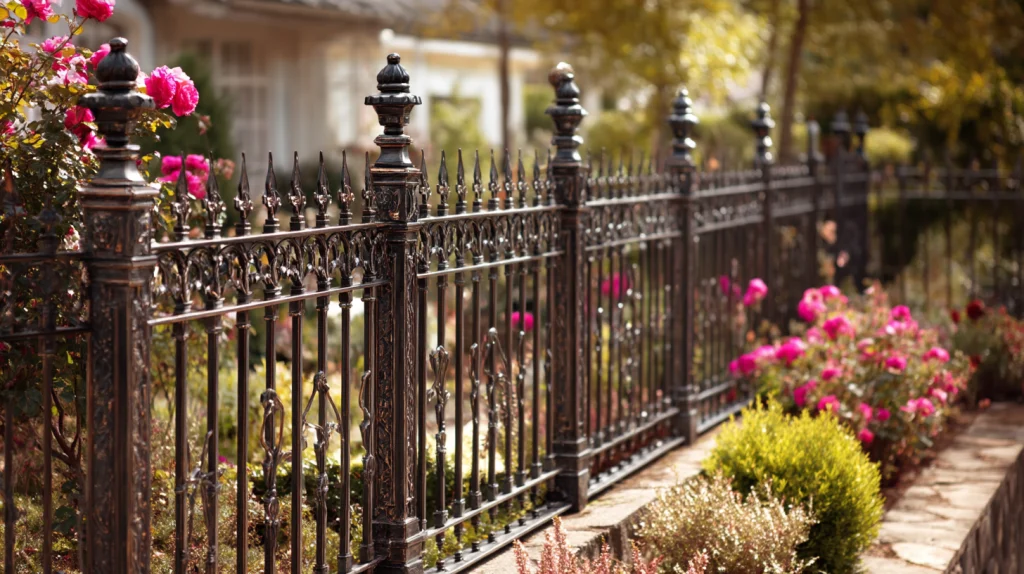
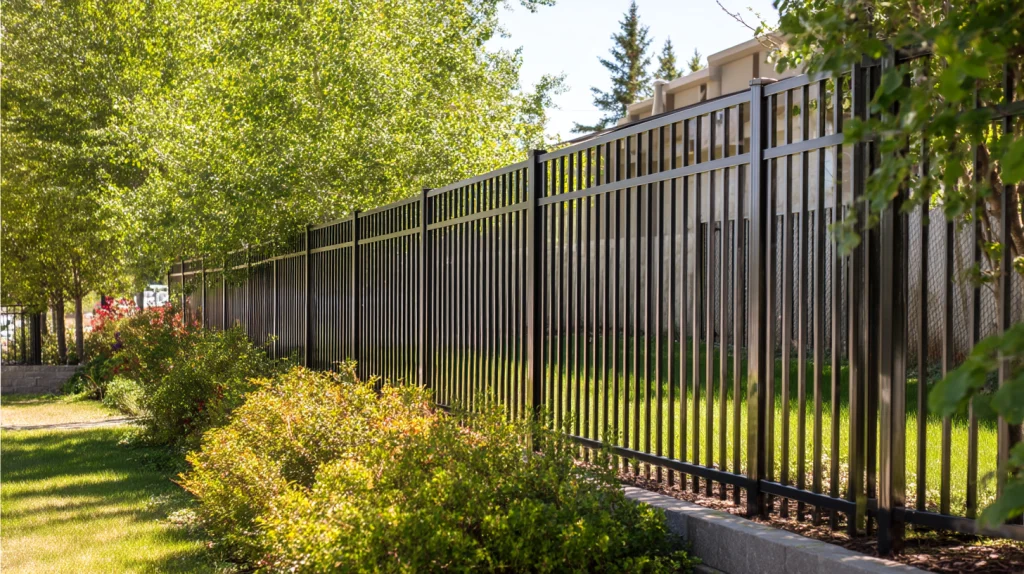
Metal Fence Maintenance: Rust Prevention is Everything
Cleaning and Inspection Schedule
Even galvanized steel and aluminum fences can develop rust spots if not properly maintained. Clean your metal fence twice a year with a damp cloth and mild soap to remove debris and grime. This prevents tiny scratches from becoming rust entry points.
Treating and Preventing Rust
At the first sign of rust, act quickly. Use a wire brush or sandpaper to clean the area, apply a rust-inhibiting primer, and then finish with a durable exterior metal paint. For long-term protection, consider powder-coated finishes that resist both UV rays and moisture penetration.
Hardware Checks
Gate hinges, latches, and fasteners are the weak links in most commercial metal fences. Lubricate moving parts quarterly and tighten any loose components. Replace hardware at the first sign of corrosion—it’s a small cost to prevent gate failure or sagging panels.
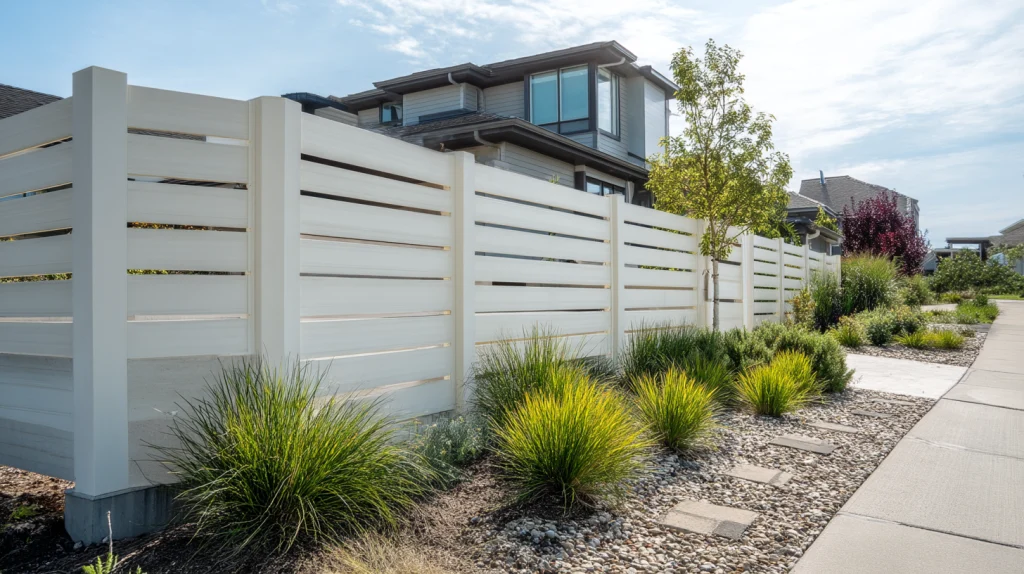
Vinyl Fence Maintenance: Low Effort, But Not No Effort
Cleaning Vinyl in Damp Climates
Vinyl fences are resistant to moisture but not immune to buildup. Rinse with a garden hose monthly, and use a soft sponge and white vinegar solution to tackle tougher mildew spots. Avoid bleach or abrasive chemicals that can degrade the finish over time.
Preventing UV and Weather Damage
UV rays can make vinyl brittle over time, especially during Seattle’s rare sunny streaks. Use a UV-protectant spray annually to maintain flexibility and color. Also check for cracks or weak points after snow or freezing rain, which can stress the plastic.
Vegetation and Drainage: Overlooked But Critical
Keep Landscaping in Check
Shrubs and trees growing too close to your fence can trap moisture and cause warping, rust, or insect infestations. Keep vegetation trimmed back at least 12 inches from the fence line. Also monitor for vines, which can weaken fencing materials and hide damage from sight.
Ensure Proper Drainage
If water pools at the base of your fence, even the best materials will rot or corrode over time. Make sure your site grading channels water away from the posts. In problem areas, consider installing French drains or gravel trenches to disperse runoff effectively.
Need Fence Repairs in Seattle? We’re Just a Call Away
Seasonal Fence Maintenance Checklist for Seattle
Spring
- Clean fence surfaces to remove winter grime
- Inspect for rot, cracks, rust, or shifting posts
- Reapply sealant to wood or repaint metal sections
Summer
- Check for UV damage and fading
- Re-tighten hardware and ensure gates function properly
- Trim back any overgrown vegetation
Fall
- Remove fallen leaves and debris
- Check drainage patterns before heavy rain hits
- Touch up any damaged or exposed sections
Winter
- Clear snow and ice buildup—never use rock salt
- Inspect for storm damage after wind events
- Monitor for leaning or sagging caused by saturated ground
When to Call a Professional
Signs You Can’t Ignore
If your fence is leaning, sagging, or has multiple compromised sections, it’s time for professional attention. Severe rust, wood rot, or broken panels compromise security and can lead to liability issues on commercial properties.
Annual Professional Inspections
A yearly inspection by a qualified fencing expert helps catch small issues before they become expensive problems. At Inline Security Fence, we offer proactive maintenance evaluations tailored to your fence type and location—saving you time, money, and stress.
Upgrading for Durability
Need a more resilient solution? We offer anti-climb fences, reinforced posts, welded mesh upgrades, and advanced access control systems that hold up against both weather and intrusion.
Explore Our Security Fence Options
Frequently Asked Questions
How often should I inspect my commercial fence in Seattle?
Every 3–4 months is ideal, with a professional inspection at least once a year. Pay extra attention after storms or extended wet weather.
What’s the best wood sealant for wet climates?
Look for an oil-based sealant rated for exterior use and specifically formulated for the Pacific Northwest. Products with mold and UV resistance offer added value.
Can I prevent rust without repainting a metal fence every year?
Yes. Use a high-quality rust-inhibiting primer under a powder coat finish, and keep up with regular cleanings and touch-ups.
How do I know if my fence needs replacement or just repairs?
If over 25% of the fence is compromised, or if the posts and supports are failing, replacement may be more cost-effective than repeated repairs.
Does Inline Security Fence offer maintenance services or inspections?
Absolutely. We provide professional inspections, minor repairs, and full maintenance plans tailored to your fence material and business needs.
Conclusion
A well-maintained commercial fence does more than boost curb appeal—it reinforces safety, protects assets, and keeps your property compliant. In Seattle, the key to long-lasting performance is regular, climate-aware care. Whether it’s sealing wood, preventing rust, or ensuring proper drainage, each step adds years to your fence’s lifespan. And when it’s time for an expert eye or a major upgrade, Inline Security Fence is here with the experience, equipment, and local know-how to get the job done right. Contact us today to schedule your commercial fence inspection or maintenance service in Seattle.