Why Choosing the Right Residential Fence Matters
Choosing the right residential fence is one of the most important decisions a homeowner can make to protect their property, enhance curb appeal, and ensure privacy. Residential fences not only mark property lines and define property boundaries, but they also increase the security of your home, keep pets safe, and add a finished look to your landscape. Homeowners across Texas rely on residential fences to meet a variety of needs, from pet containment to enhancing the aesthetic appeal of their yard.
With so many residential fence types to choose from, understanding the pros and cons of each helps homeowners make a long term investment that suits their budget, lifestyle, and maintenance requirements. From wood fences that offer rustic charm to vinyl fencing that provides a low maintenance alternative, there are fencing options that fit every home, especially when you work with a professional residential fence company.
Key Factors to Consider Before Choosing a Fence
Purpose: Privacy, Security, Curb Appeal, or All Three?
The first step in selecting from various fence types is identifying your priorities. Privacy fences offer a solid barrier from street views or neighboring yards. If your goal is to improve security or ensure pet containment, chain link fences and wrought iron fences may be more suitable. Those focused on aesthetics might consider decorative fencing, like aluminum fences or picket fences, to boost curb appeal while still providing a boundary.
Budget: Upfront Cost vs Long-Term Maintenance
Some fence types may be more affordable per linear foot upfront, like chain link, but could have different long-term maintenance needs. Others, such as vinyl fencing or composite fences, may require a higher initial investment but offer minimal upkeep over their long lifespan.. The true cost of a fence goes beyond installation, so understanding the balance between affordability and proper maintenance is crucial.
Local Climate and Material Suitability
Harsh weather conditions like heat, humidity, and heavy storms can affect fence materials differently, and proper installation details such as using concrete around vinyl fence posts can have a big impact on long-term performance.. Wooden fences, for instance, need protection against weather damage and insect damage, while vinyl fencing and aluminum fences are more resistant to moisture and warping. Homeowners in areas prone to severe weather should look for fencing options known for being rust resistant and highly durable.
HOA Restrictions or City Ordinances
Many neighborhoods are governed by a homeowners association, which may have strict rules on fence height, style, and placement. Additionally, local regulations can dictate what materials or fence types are allowed in residential settings. Before installation, always check these requirements to avoid fines or mandated fence removal.
7 Most Popular Residential Fence Types in 2025
1 | Wood Fences
Wood fences are a staple in American backyards. Whether it’s a classic wooden fence in a front yard or a tall privacy fence enclosing a backyard, wood is one of the most versatile materials available. Popular styles include picket fences, board-on-board, shadowbox, and the classic split rail fence.
Pros: Customizable, timeless look, suitable for privacy
Cons: High maintenance, susceptible to insect damage and weather damage
Best For: Homeowners seeking a traditional look, privacy, and flexible design
Wooden fences require proper care, including staining or sealing every couple of years to protect against rot and warping. However, the aesthetic payoff is worth it for many homeowners, especially those who value rustic charm.
2 | Vinyl Fencing
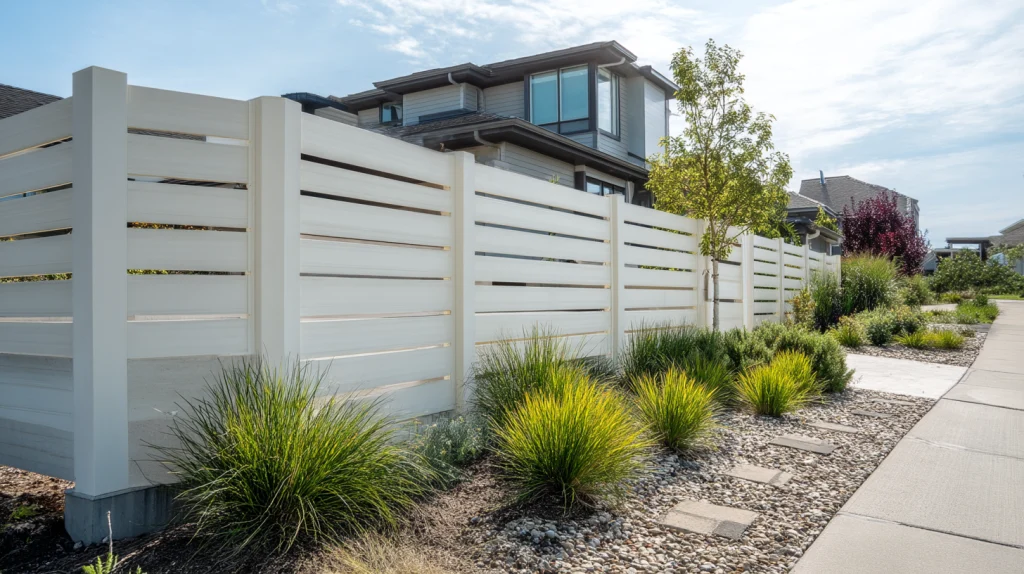
Vinyl fencing has gained massive popularity in recent years, especially among homeowners looking for minimal maintenance. It mimics the look of wood but doesn’t require painting, staining, or sealing. With vinyl, homeowners get the same look as painted wood without the high maintenance.
Pros: Low maintenance, weather-resistant, easy to clean
Cons: Higher upfront cost, limited texture options
Best For: Busy homeowners, families, and those seeking long-term value
Vinyl fencing comes in various styles, including solid privacy fences, decorative picket fences, and even lattice-top designs. The material resists fading, warping, and cracking, making it a long term investment that only needs occasional cleaning with soap and water to remove dirt or mildew.
3 | Chain Link Fences
Chain link fences are the go-to solution for homeowners focused on pet containment, perimeter security, and affordability. While they may not offer much visual privacy, they are effective for marking property lines and enclosing yards.
Pros: Affordable, durable, low maintenance
Cons: Limited curb appeal, lacks privacy unless modified
Best For: Pet containment, large yards, utility areas
Chain link fencing is available with vinyl-coated black chain link panels and privacy slats to improve appearance and add function.. With proper maintenance, including checking for rust and keeping it clean, chain link fences can last for decades.
4 | Aluminum Fences
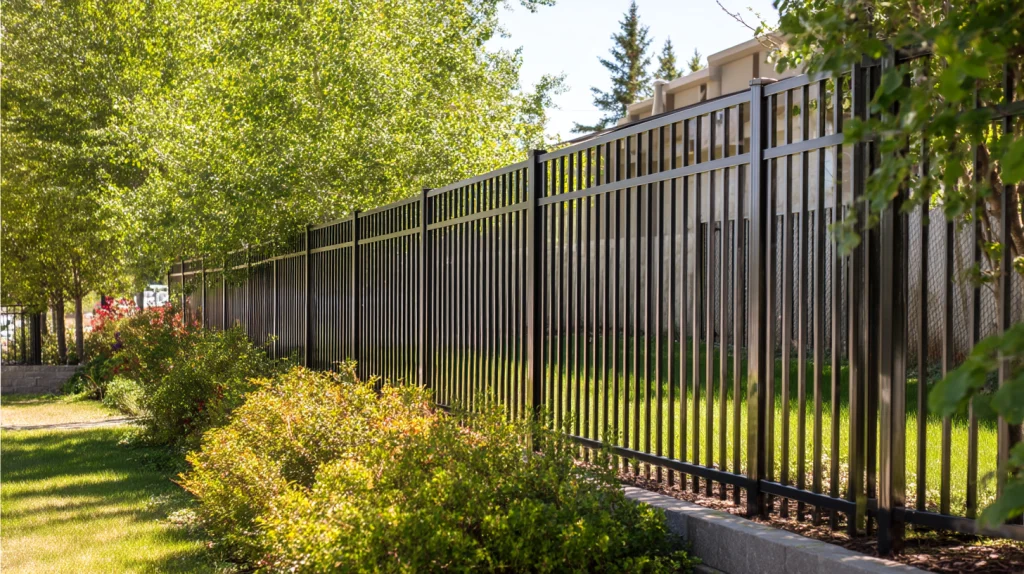
Aluminum fences offer a sophisticated and classic look with the benefits of low maintenance. They resemble wrought iron fences but are far more rust resistant and lighter in weight. This makes them an excellent choice for homeowners who want decorative fencing without the high maintenance.
Pros: Low maintenance, rust resistant, visually appealing
Cons: Doesn’t provide full privacy
Best For: Garden fencing, pool fences, front yards
Aluminum fencing offers a wide range of designs, from spear-top to flat-top rails. These fences work well in areas with local regulations due to their clean appearance and easy installation.
5 | Wrought Iron Fences
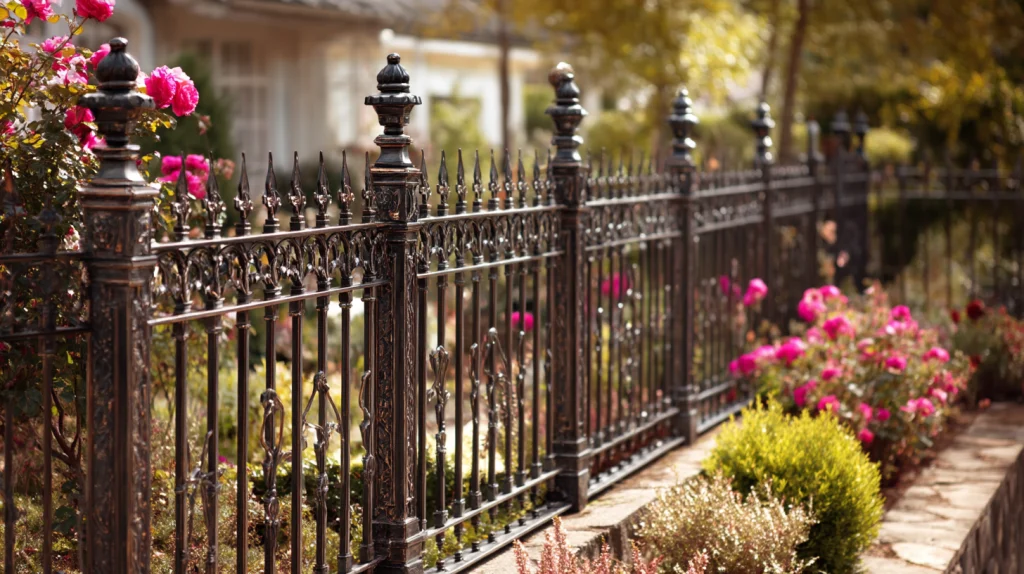
Wrought iron fences are one of the most premium residential fence types available. They’re known for excellent security and long-term strength. Although heavier and more costly than other materials, their ornate designs make them a popular choice in upscale neighborhoods.
Pros: Highly durable, secure, elegant appearance
Cons: High maintenance, expensive
Best For: Driveway gates, decorative fencing, high-end homes
Iron fences require proper maintenance such as repainting and rust-proof treatments. Homeowners should be prepared for some upkeep to preserve their appearance and functionality over time.
6 | Composite Fences
Composite fences are made from a blend of wood fibers and plastic polymers, and many homeowners rely on experienced local fencing companies to design and install them correctly.. They provide the appearance of wooden fences but with the durability of synthetic materials. Homeowners looking for low maintenance fencing options that are eco-conscious often turn to composite.
Pros: Weather-resistant, eco-friendly, long lifespan
Cons: Expensive, limited style options
Best For: Privacy fences, modern yards
Composite fencing is an ideal solution for homeowners who want the look of a wooden fence but don’t have time for constant upkeep.
7 | Natural & Specialty Fence Types
Other materials like bamboo fencing, masonry fences, and living hedges provide unique aesthetics. A stone fence, for example, offers durability and a distinctive look, while bamboo can serve as a decorative privacy solution.
Pros: Unique look, environmentally friendly options
Cons: Higher installation costs, more maintenance
Best For: Custom landscaping, eco-conscious homeowners
Specialty fences require custom design and installation, but they can offer the perfect solution for creative landscape needs.
Side-by-Side Comparison Table: Which Fence Is Right for You?
| Fence Type | Privacy | Maintenance | Cost per Linear Foot | Lifespan | Best For |
|---|---|---|---|---|---|
| Wood Fences | High | High | $20–$35 | 15–20 years | Privacy, traditional look |
| Vinyl Fencing | High | Low | $25–$40 | 30+ years | Minimal upkeep, modern homes |
| Chain Link Fences | Low | Low | $10–$20 | 20–25 years | Security, pet containment |
| Aluminum Fences | Low | Very Low | $30–$45 | 30+ years | Garden fencing, decorative use |
| Wrought Iron | Low | Moderate | $40–$70 | 50+ years | Luxury, driveway gates |
| Composite Fences | High | Low | $45–$65 | 25–30 years | Eco-friendly, privacy fencing |
| Natural/Masonry | Varies | High | $60–$100 | Varies | Custom design, upscale landscaping |
Real-Life Use Cases: Which Fence Works Best For…
Families with Children or Pets
Wood fences and vinyl fencing are top choices for keeping pets safe and kids within the yard. Chain link fences are also a practical solution for pet containment when visibility isn’t an issue.
Homes with Pools
Pool fences must meet strict safety standards. Aluminum fences and vinyl privacy fences are popular choices because they are durable, rust resistant, and comply with local pool codes.
Urban Lots with Close Neighbors
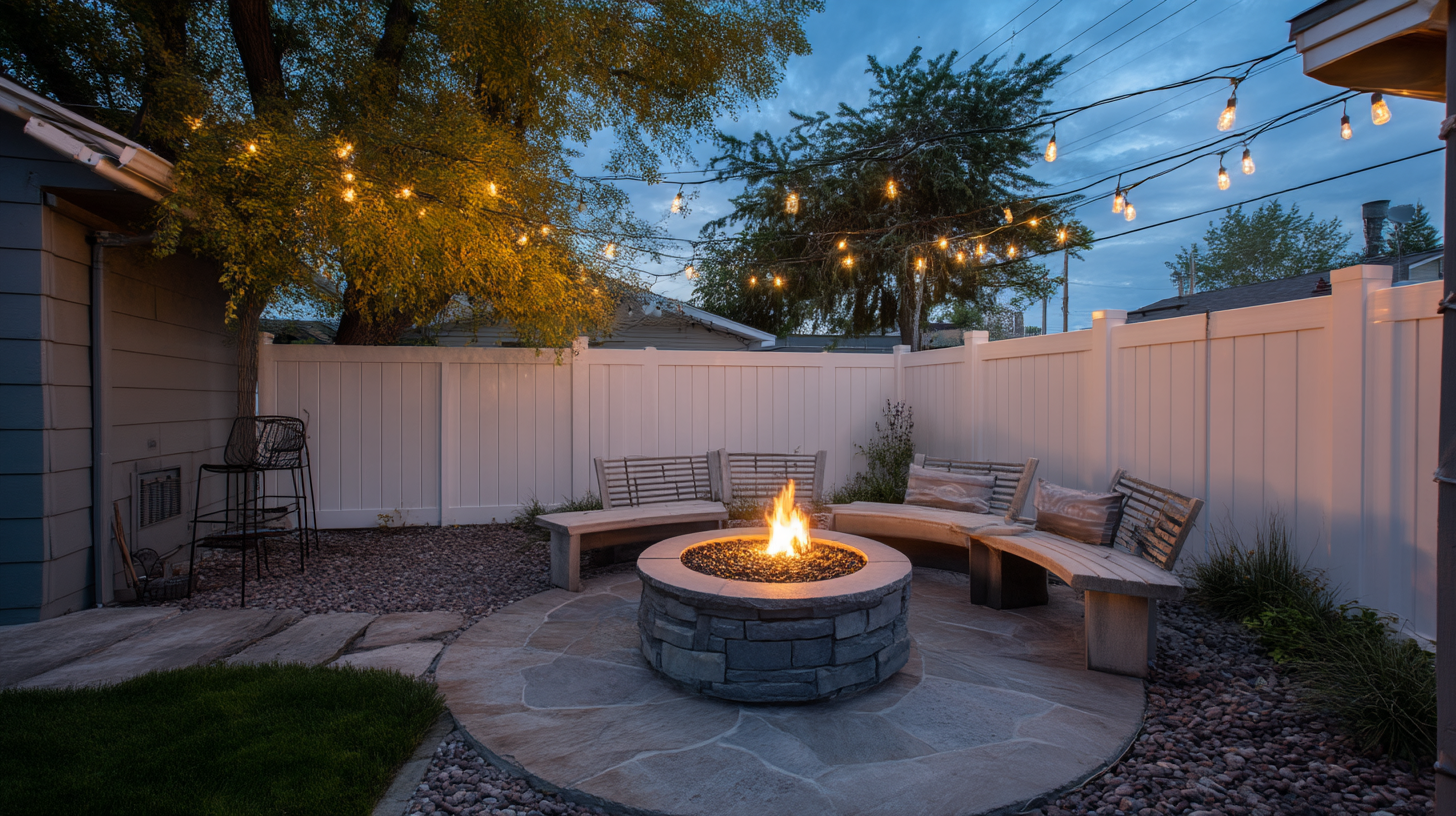
In tight residential settings, privacy fences like vinyl or board-on-board wooden fences provide the solid barrier needed to enjoy your outdoor space in peace.
Rural or Acreage Properties
Split rail fences are ideal for keeping livestock or marking property lines over large areas. Chain link is also used for its affordability and easy installation on big properties.
Maintenance Tips for Each Fence Type
- Wooden Fences: Stain every 2–3 years to prevent insect damage and rot
- Vinyl Fencing: Occasional cleaning with water and mild soap
- Chain Link Fences: Check for rust, remove dirt buildup, tighten loose ties
- Aluminum Fences: Rinse with water occasionally, no sealing needed
- Wrought Iron Fences: Repaint every few years, inspect for rust
- Composite Fences: Requires very little maintenance, just occasional cleaning
How Much Does Residential Fencing Cost in 2025?
The cost of residential fences depends on the fence material, property size, and complexity of installation, and detailed 2025 fence repair cost data can also help you plan for future upkeep.. Here’s a rough estimate of installation prices per linear foot:
- Chain Link: $10–$20 (see detailed chain link fence cost per foot for more specifics)
- Wood Fences: $20–$35
- Vinyl Fencing: $25–$40
- Aluminum Fences: $30–$45
- Wrought Iron Fences: $40–$70
- Composite Fences: $45–$65
- Masonry Fences: $60–$100+
Always factor in costs like permits, removal of old fencing, and land grading.. A proper quote will include all aspects of the job.
FAQs About Residential Fence Types
What is the most low maintenance fence material?
Vinyl and aluminum are the best low maintenance options, requiring only occasional cleaning.
Which fence offers the most privacy?
Vinyl privacy fences and tall wooden fences with no gaps offer the highest level of privacy.
What type of fence is best for pet containment?
Chain link, wood fences, and vinyl fencing are commonly used to secure pets.
Can I mix fence types on my property?
Yes, many homeowners use a decorative fence in front and privacy fences in back.
Do I need a permit to install a fence?
In most cases, yes. Local regulations often require a permit, especially for taller fences.
How long does a typical residential fence last?
Vinyl, aluminum, and wrought iron fences can last over 30 years with minimal maintenance. Wood fences typically last 15–20 years with proper care.
Final Thoughts: Choosing the Right Fence for Your Home
When it comes to choosing residential fences, homeowners have more fencing options than ever before. Whether you want the classic appeal of a wooden fence, the minimal maintenance of vinyl fencing, or the strength and elegance of wrought iron fences, the right fence will add beauty, value, and security to your home. Consider your goals, property layout, and local conditions to determine which fence types offer the best fit. With proper planning and installation, your fence will be a lasting asset to your property.