Why Fencing Matters for Seattle Schools and Playgrounds
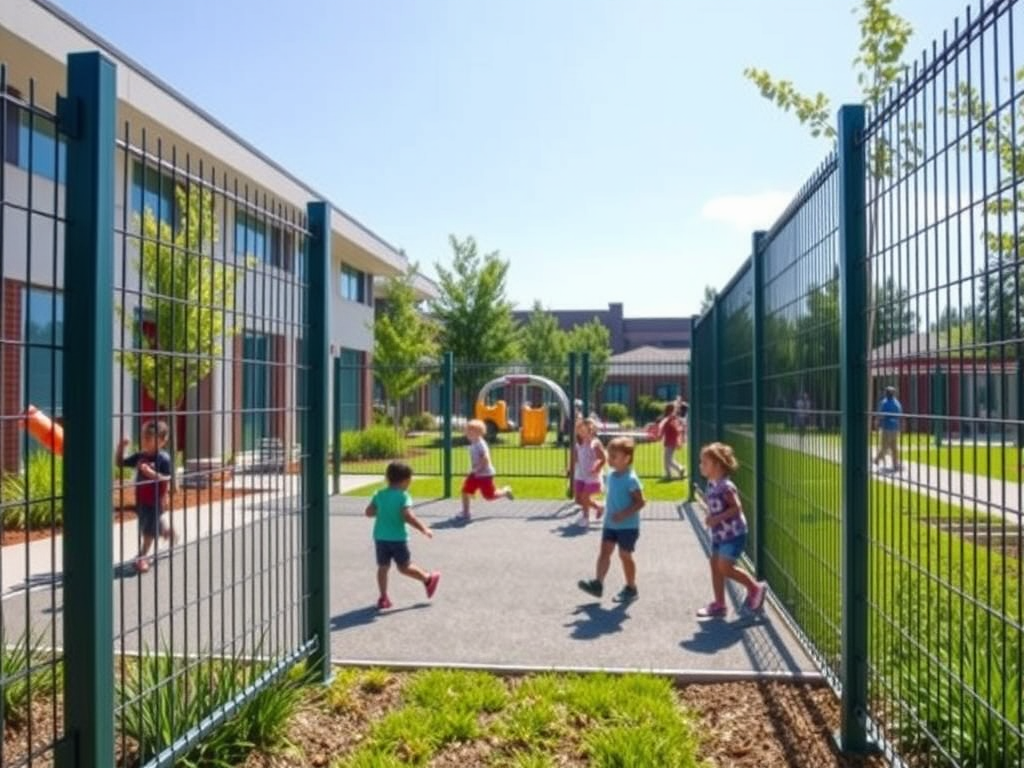
Safety isn’t just a priority in Seattle’s schools and playgrounds—it’s a non-negotiable responsibility. Whether it’s keeping kids within designated play areas or preventing unauthorized access, proper fencing is one of the most effective physical security measures available. For administrators, facilities directors, and community planners, having a compliant, durable fence system in place means fewer liability risks, greater peace of mind, and a safer environment for children to learn and grow.
Fencing also reinforces supervision protocols. With clearly defined perimeters, staff can focus on behavior and engagement rather than boundary enforcement. And in today’s world, where emergency preparedness is top of mind, secure fencing acts as a critical first barrier against external threats. In a city like Seattle—where green spaces, shared-use areas, and neighborhood foot traffic frequently intersect with school grounds—fencing isn’t just protection, it’s proactive planning.
Seattle and Washington State Requirements for School Fencing
Minimum Height, Gap, and Design Standards
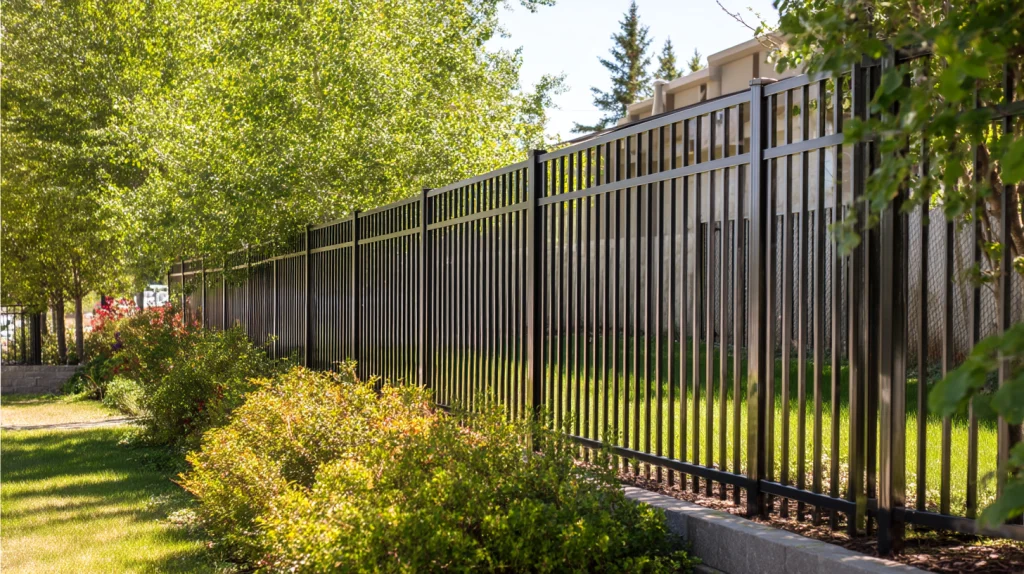
In Washington State, the Department of Children, Youth, and Families (DCYF) outlines specific fencing requirements under WAC 110-300-0145. Any fence enclosing a school or playground area must stand at least 48 inches tall, with gaps no wider than 3.5 inches. These rules are designed to prevent children from squeezing through or becoming entangled, especially in early learning and elementary school settings.
Seattle facilities should also consider where and how gates are installed. Entry points must be lockable, tamper-resistant, and ideally positioned to support surveillance from administrative offices or camera systems. Smooth-top panels and anti-climb designs are also strongly recommended for schools serving students up to middle school level.
Material Restrictions and Safety Mandates
Not all fencing materials are safe—or legal—on playgrounds and school campuses. Washington State prohibits the use of wood treated with chromated copper arsenate (CCA), creosote, or pentachlorophenol due to the toxic chemicals these materials release. If these materials are present on older fences, they must be removed or sealed with a non-toxic, outdoor-rated oil-based sealant each year.
At Inline Security Fence, we help school districts select code-compliant materials that are both safe for children and built to last in Seattle’s wet climate. From powder-coated steel to treated composite options, our fences resist rust, rot, and damage while meeting all state-mandated health and safety requirements.
Surface and Perimeter Considerations
Fencing alone isn’t enough—it must be thoughtfully integrated into the larger playground or campus environment. For example, fences surrounding play areas should not have nearby hard surfaces like concrete or asphalt that could cause injury if a child falls. Softscape buffers or impact-absorbing ground materials are key.
It’s also important to maintain visual clarity around the perimeter. Vegetation or structures that obstruct sightlines can reduce staff effectiveness in supervision. We recommend maintaining clear zones of at least three feet around the base of all fencing, especially in high-traffic or high-use areas.
Local Permit & Zoning Regulations for Fencing in Seattle
When You Need a Permit
Seattle’s municipal code allows fences up to 8 feet tall in most residential and institutional zones without a permit—unless the fence includes concrete or masonry elements above 6 feet in height. If your school is located in a floodplain, steep slope, or environmentally critical area, special conditions may apply, and a construction permit could be required.
These distinctions often catch school planners off guard, especially when replacing or upgrading an existing fence. It’s not just about height—material, placement, and even neighborhood zoning can all trigger additional permitting requirements.
Working With Inline Security Fence to Navigate Permits
We help Seattle schools and public facilities through every step of the permitting process. Our team handles site assessments, liaises with Seattle Department of Construction & Inspections (SDCI), and prepares the documentation required for compliance. We take pride in removing red tape from your project timeline so you can focus on what matters most—student safety.
National Safety Standards That Apply Locally
CPSC and ASTM Guidelines for Playgrounds
Beyond local and state regulations, national organizations like the U.S. Consumer Product Safety Commission (CPSC) and ASTM International offer important safety guidance. For example, fencing should maintain a safe setback from play equipment—usually a minimum of 6 feet—to accommodate kids in motion and prevent accidental collisions.
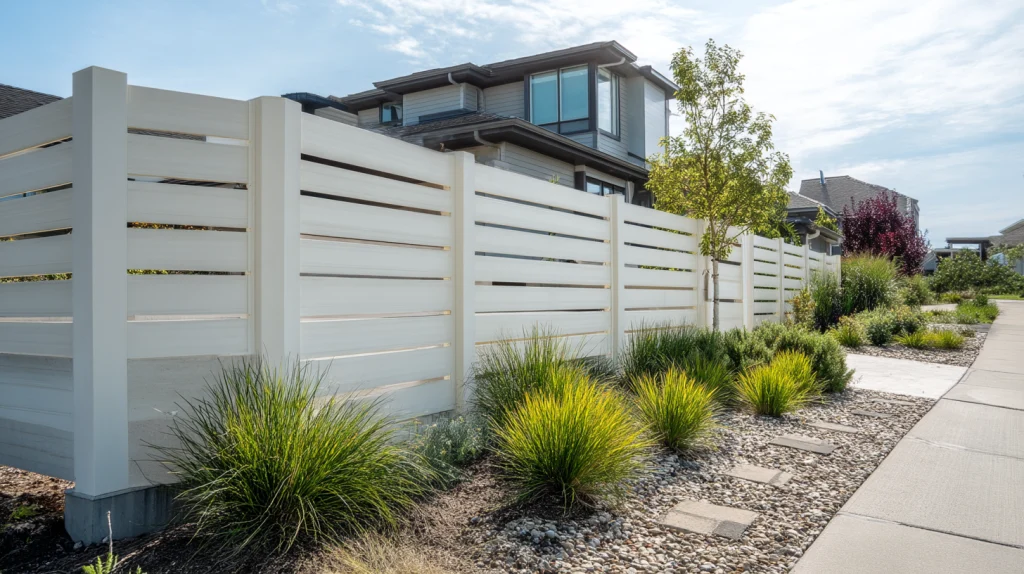
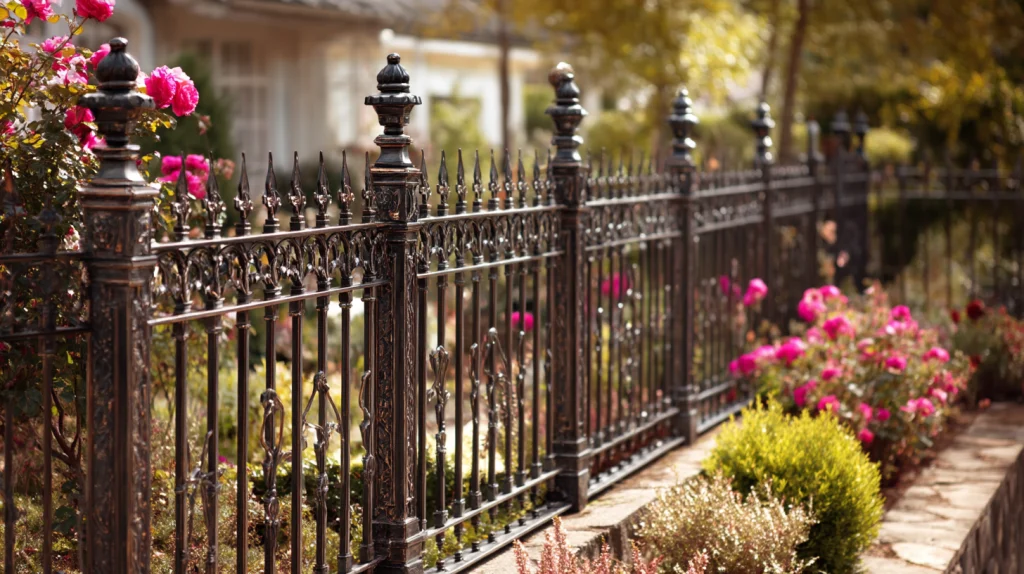
These organizations also stress the importance of visibility. Chain link or ornamental fencing allows caregivers and staff to maintain line-of-sight supervision without obstruction. Solid panel fencing should only be used where privacy is required, and even then, it must be evaluated for ventilation and escape access in case of emergencies.
ADA Compliance Considerations
Every fence project should account for students with disabilities. Gates must meet the Americans with Disabilities Act (ADA) standards for width and handle height, and should operate with minimal force. In addition, visual contrast—such as painted gate frames or tactile signage—can help visually impaired students navigate the environment safely.
At Inline Security Fence, ADA compliance is a built-in part of our design process. We believe inclusivity starts at the gate.
Best Practices for Designing School and Playground Fences
Fencing That Balances Safety and Aesthetics
Let’s be honest—no school wants to feel like a fortress. While security is the goal, the aesthetic of fencing matters too. A well-designed fence can look friendly, colorful, and even playful, while still offering superior protection. Powder-coated finishes in school colors, curved top rails, and decorative panels can all make a big difference in creating a welcoming space.
Our design consultations include color and material mockups so schools can see the visual impact before we ever break ground.
Custom Features for School Campuses
Need panic hardware for fast egress? Require keyed access for staff and maintenance crews? How about anti-climb mesh for added deterrence? These are all standard options in our school fencing solutions. We also integrate fencing with existing security infrastructure—like CCTV, alarm triggers, and automatic gate closers—to give your campus a fully integrated perimeter plan.
Incorporating Playful & Educational Elements
For early learning centers and elementary playgrounds, we offer interactive panel fencing that includes educational shapes, colors, or alphabet-themed cutouts. Branding can also be incorporated with custom logos, mascot silhouettes, or school slogans. It’s just one more way to turn safety into something that inspires school pride.
Grant Funding and New Safety Initiatives in Washington
School Security and Preparedness Infrastructure Grant (2024)
Senate Bill 5003, introduced in 2024, establishes a state-funded grant program for K–12 school security upgrades—including fencing. Schools can apply for funding to cover the cost of perimeter fencing, secure entry systems, and even surveillance equipment tied to campus access points.
If your Seattle facility is considering a fencing upgrade, this grant could offset significant costs. Our team can help you prepare the necessary project scope, cost estimate, and supporting materials to submit a strong application.
Upcoming Rule Changes from State Board of Health
The Washington State Board of Health is currently updating school environmental health and safety rules, with final guidelines expected by June 2025. While full details are pending, early drafts suggest a stronger emphasis on outdoor facility safety—including fencing design and materials.
Staying ahead of these changes means working with a fencing contractor who doesn’t just build to code—but builds with foresight.
How Inline Security Fence Supports Seattle Schools
Our Process for School Fence Installations
From the first phone call to final inspection, our school fencing process is transparent and tailored. We start with an on-site consultation, assess your current layout, and provide detailed options for materials, access control, and long-term durability. Our project managers coordinate closely with school staff to ensure minimal disruption during installation—especially during the school year.
Compliance-Driven, Kid-Safe Installations
We don’t just build fences—we build peace of mind. Every project is reviewed against Washington State law, Seattle permitting codes, ADA standards, and national playground safety guidelines. We also back our work with warranties on both materials and workmanship, so you know you’re protected long after the project is complete.
FAQs About School & Playground Fencing in Seattle
How high does my school fence need to be in Seattle?
State law requires a minimum of 48 inches, but many schools opt for 6-foot or 8-foot fencing to improve security.
What are the safest materials for school fences?
We recommend powder-coated steel, aluminum, or treated composite materials. These are non-toxic, durable, and compliant with Washington’s safety regulations.
Do I need a permit to replace an existing school fence?
In most cases, yes—especially if you’re changing the height, materials, or layout. Seattle’s permitting requirements can be complex, so it’s best to consult a contractor familiar with local codes.
How do I make sure my fence complies with both state and federal regulations?
Work with a professional fencing contractor like Inline Security Fence. We align every project with local, state, and federal safety standards, from ADA access to material safety.
Can we use grant funding for a new fence project?
Yes. Washington’s 2024 grant program includes fencing upgrades. We can assist with the application process to help your school qualify.
Final Thoughts: Building Safer Schools One Fence at a Time
Fencing isn’t just a detail—it’s a frontline defense for student safety and campus security. With the right materials, thoughtful design, and a team who knows Seattle’s rules inside and out, your facility can meet the highest standards while supporting an environment that’s safe, welcoming, and built to last.
Ready to review your school’s fencing plan or start a new project? Contact Inline Security Fence today for a free on-site consultation. Let’s create safer spaces for Seattle’s students—together.