Why Understanding Fence Regulations Matters for Seattle Businesses
If you’re a Seattle business owner planning to install a commercial fence, understanding local regulations isn’t optional—it’s essential. From height restrictions to permitting and zoning, the rules can be complex and vary depending on your property’s location and usage. Skipping steps or misunderstanding the requirements could lead to costly delays, fines, or even having to tear down and rebuild the fence. That’s why working with a local expert like Inline Security Fence ensures your project stays compliant, efficient, and headache-free from start to finish.
Do You Need a Permit to Build a Commercial Fence in Seattle?
In many cases, the answer depends on the height and materials used. Seattle’s Department of Construction and Inspections (SDCI) generally allows you to install a commercial fence up to 8 feet high without a permit—as long as it doesn’t include concrete or masonry components exceeding 6 feet.
When You Need a Permit:
- Fences taller than 8 feet
- Any portion with concrete or masonry over 6 feet
- Fence placement within environmentally critical areas (ECAs) or flood-prone zones
If your commercial property falls under any of these categories, you’ll need to obtain the proper permits before beginning construction. Even if you’re under the height threshold, Seattle’s zoning laws or site-specific issues may still require city review.
Step-by-Step Guide to Obtaining a Fence Permit in Seattle
Permits are managed through the Seattle Services Portal, where applicants can create an account, upload plans, and track approvals in real time.
Required Documents:
- Site plan showing the location of the fence in relation to property lines, streets, and existing structures
- Elevation drawings detailing height, materials, and construction
- Checklist compliance with TIP 312 (Decks, Fences, and Arbors) and TIP 103 (Site Plan Requirements)
Permit Tips:
- Submit all documentation at once to prevent delays
- Double-check if your property is in a shoreline, steep slope, or ECA area
- Most reviews are completed within 2–4 weeks, depending on project complexity
Height, Design & Material Restrictions in Seattle Commercial Zones
Seattle’s zoning code outlines clear rules on fence height and design in commercial and industrial districts.
Height Limits by Zone Type
- Up to 4 feet within required front-yard setbacks
- Up to 6 feet outside of setbacks or when decorative elements are included
- Up to 8 feet on sloped properties, provided the average height between posts doesn’t exceed 6 feet
Fence Design Guidelines
Architectural elements such as lattice tops, post caps, or horizontal slats are generally allowed if they do not exceed total height restrictions. Retaining walls with fences atop them require extra consideration; combined height is regulated differently within required yards.
Material Compliance
Commonly approved materials include:
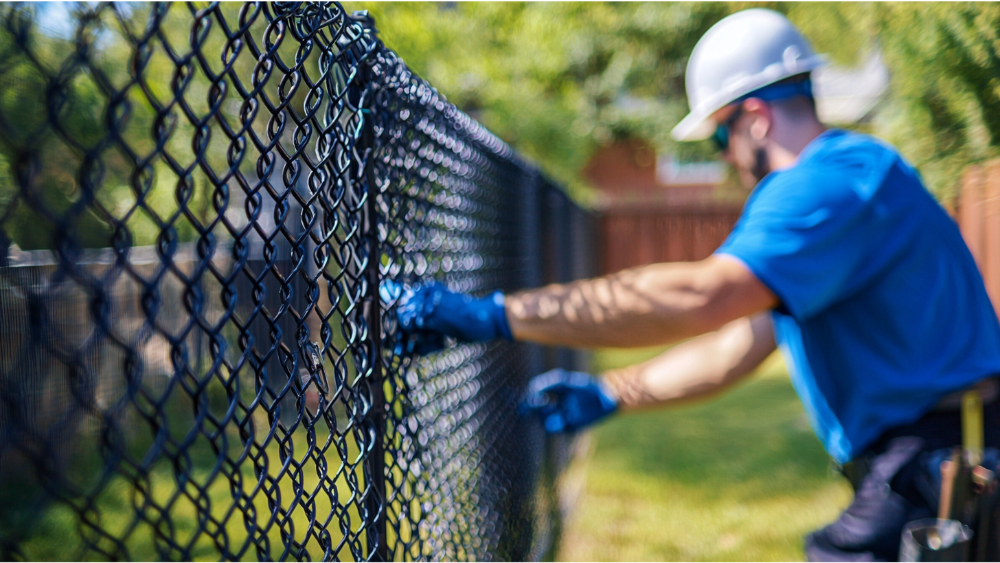
- Chain link (black vinyl-coated preferred for aesthetics and compliance)
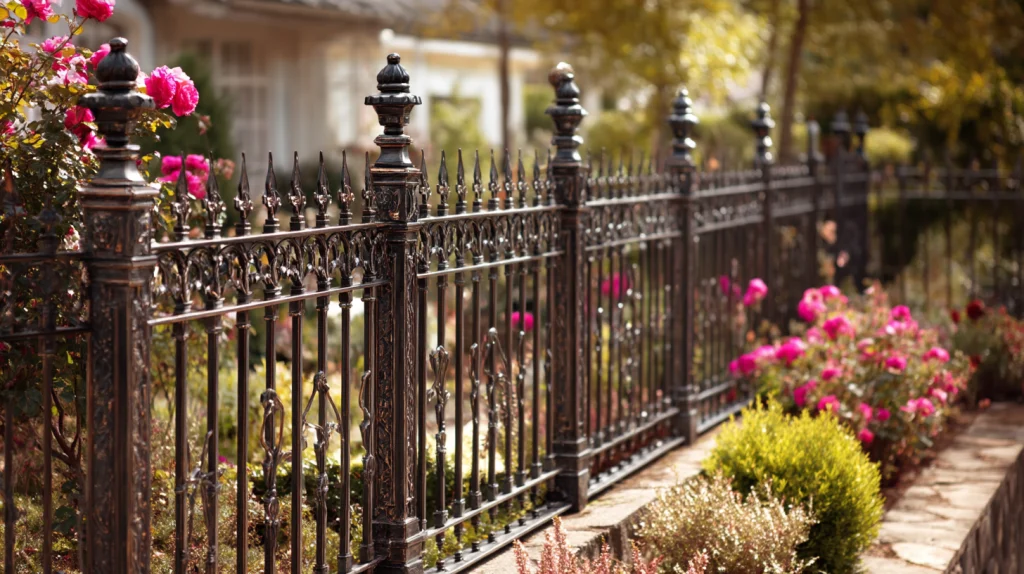
- Wrought iron
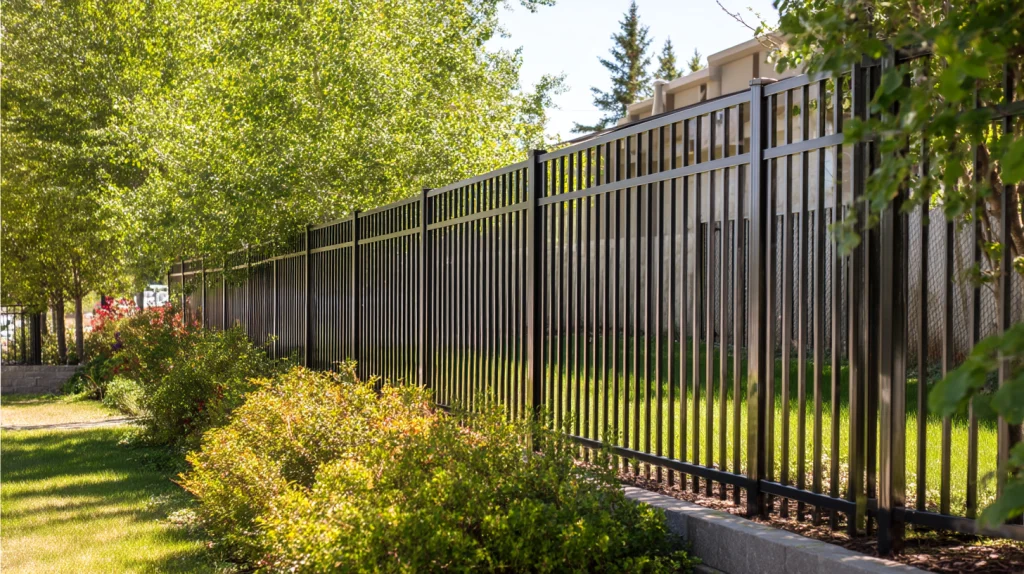
- Steel panels
- Wood fencing (especially with steel posts for durability)
Note: Barbed wire and electric fences are restricted in most zones unless specifically approved for security purposes in industrial areas.
Setbacks, Property Lines, and Right-of-Way Rules
Where Can You Legally Build a Fence?
Fences must be constructed on private property. Building directly on the property line is allowed in many cases but should be confirmed via a site survey to avoid future disputes. You are responsible for verifying boundary lines before installation.
Long-Term Use Permits for Right-of-Way Fencing
If you need to install part of the fence within the public right-of-way, you’ll need a Long-Term Use Permit issued by the Seattle Department of Transportation. These permits are:
- Issued annually
- Require insurance documentation
- Subject to renewal and inspection
Visibility Triangle Requirements at Intersections
Seattle enforces strict visibility standards at corners, intersections, and driveway entrances. Fences in these zones must be:
- Lower than 42 inches in designated sight triangles
- Set back to preserve line-of-sight for vehicles and pedestrians
Special Rules for Environmentally Critical Areas (ECAs)
If your commercial property lies in an ECA—such as a wetland, steep slope, or shoreline—you may need to apply for an ECA exemption or additional review, even for fences under 6 feet. The city evaluates:
- Impact on stormwater flow
- Soil stability
- Wildlife corridors
In these cases, partnering with a knowledgeable contractor ensures your design meets all environmental protections.
What Happens If You Build Without a Permit?
Non-compliance in Seattle isn’t just a minor inconvenience—it can lead to major setbacks.
Common Consequences:
- Fines and penalties
- Stop-work orders
- Forced removal of unpermitted structures
We’ve seen businesses invest tens of thousands in fencing, only to have it torn down due to code violations. Inline Security Fence ensures every installation is reviewed and compliant before any post is set.
How a Local Fence Contractor Helps You Stay Compliant
Navigating Seattle’s fence regulations can be overwhelming, but you don’t have to go it alone.
At Inline Security Fence, we handle everything:
- Site analysis and measurement
- Design consultation tailored to code requirements
- Permit preparation and submission
- Project management through final inspection
We’ve worked with retail centers, industrial parks, multi-family developments, and municipal properties across Seattle. Our team understands the nuances of city code and how to deliver a fence that looks great, lasts long, and passes inspection the first time.
Choosing the Right Fence for Commercial Properties in Seattle
The best fence for your business depends on your goals—security, aesthetics, access control, or privacy.
Here’s a quick guide:
| Industry | Recommended Fence Type |
|---|---|
| Warehouses | Chain Link with Razor Wire |
| Retail | Steel Picket or Decorative Iron |
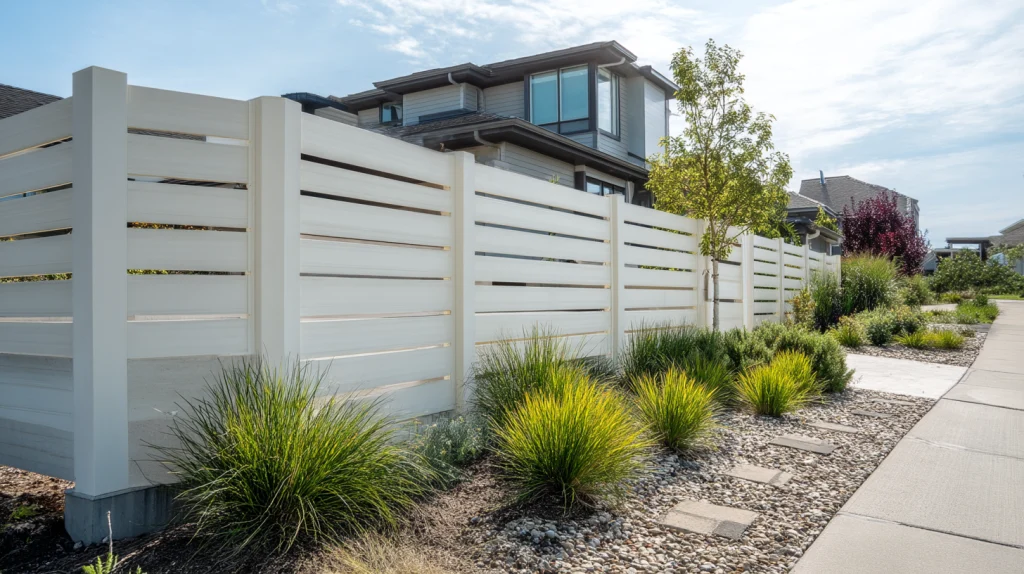
| Multi-Family Housing | Wood or Vinyl Privacy Fence |
| Industrial | Galvanized Steel with Secure Gate Access |
| Office Buildings | Custom Horizontal Slat with Keypad Gate |
Need help choosing? Visit our Commercial Fencing Services page for details.
FAQs About Commercial Fence Permits in Seattle
Do I need a permit for a 7-foot fence?
Not usually—unless it includes masonry over 6 feet or is in an environmentally critical area.
Can I build a fence on the property line?
Yes, but you should confirm the line with a surveyor to avoid encroachment issues.
How close can a fence be to a sidewalk or street?
Fences must be on your property. Anything in the public right-of-way requires a Long-Term Use Permit.
What if my property is on a slope?
You can build up to 8 feet tall as long as the average height between posts remains 6 feet or less.
Can I build a fence near wetlands or protected areas?
Yes, but it may require additional permits and environmental review through SDCI.
Get Help Navigating Seattle’s Fence Regulations
Understanding the details of Seattle’s commercial fence codes is critical, but you don’t need to do it alone. At Inline Security Fence, we simplify the process from design to final inspection—so you can focus on running your business while we handle the permitting, code compliance, and construction.
Need help planning your commercial fence project in Seattle? Contact us today for a free site assessment or quote.