Protecting Your Property in Seattle’s Industrial Landscape
In a city like Seattle—where booming commercial growth meets strict municipal codes—businesses operating warehouses, factories, or distribution centers face unique challenges when it comes to securing their properties. Whether you’re located in the Duwamish industrial area or along the Interbay corridor, choosing the right industrial fencing is critical. From regulatory compliance to long-term durability, this guide covers everything Seattle businesses need to know about warehouse and industrial fencing.
Why Industrial Fencing Matters for Seattle Businesses
Deterrence, Security & Liability Protection
Industrial fencing plays a vital role in securing valuable inventory, protecting staff and customers, and reducing liability from trespassing or accidents. For facilities dealing with high-value goods or hazardous materials, proper perimeter control isn’t optional—it’s essential.
Regulatory Requirements in Seattle
Seattle’s fencing regulations for industrial properties are detailed and strictly enforced. Exceeding height limits or building without proper permits can lead to fines, delays, or forced removal. That’s why understanding local requirements is the first step in a successful fencing project.
Seattle Fence Code: What You Need to Know
Fence Height and Material Limits
According to Seattle’s Department of Construction and Inspections, fences in commercial and industrial zones can be up to 8 feet tall without a permit. Anything higher—or incorporating masonry or concrete over 6 feet—requires a construction permit, often subject to field inspection.
Right-of-Way Restrictions
Seattle law prohibits the installation of fences that encroach on public rights-of-way (such as sidewalks or alleyways) without a Long Term Use permit. These are annually renewable and include additional fees. It’s always more efficient to keep your fencing project within private boundaries.
Environmental Factors: Flood Zones and More
Some areas of Seattle, especially those near Elliott Bay or the Duwamish River, are prone to flooding or have shifting environmental designations. If your warehouse sits in one of these areas, your fencing design must meet additional standards for durability and resilience.
Choosing the Right Fencing for Your Facility
Chain Link Fencing
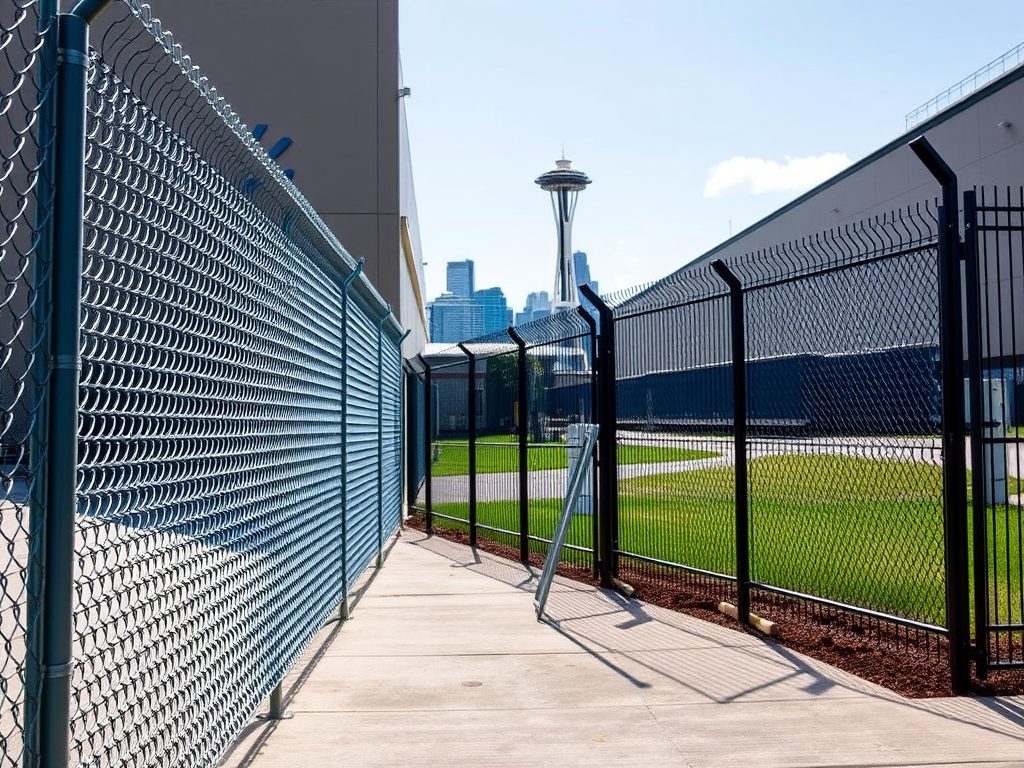
Chain link remains a top choice for Seattle warehouses due to its affordability and versatility. It’s strong, low-maintenance, and can be topped with barbed wire or razor ribbon for added security.
Steel and Wrought Iron
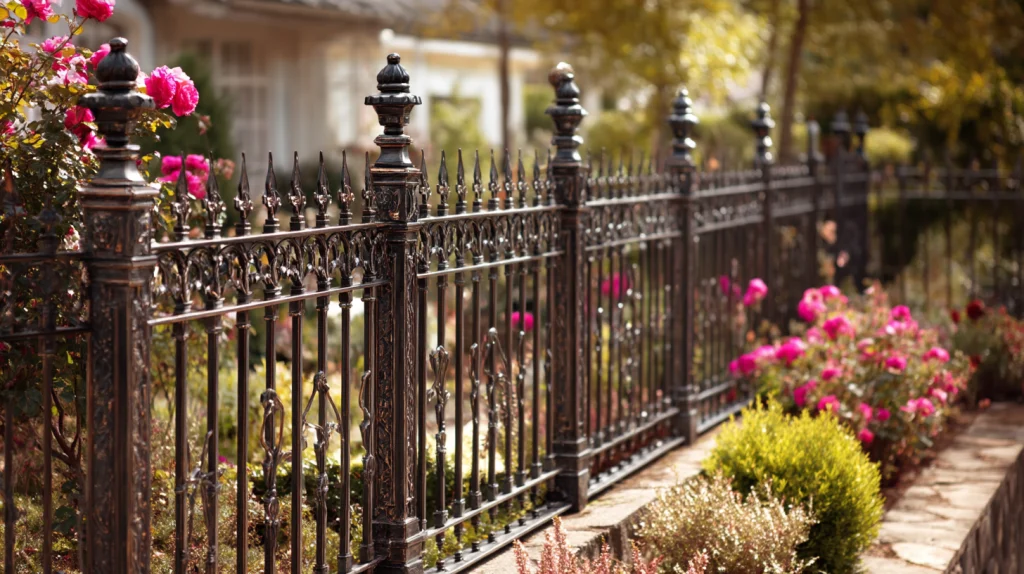
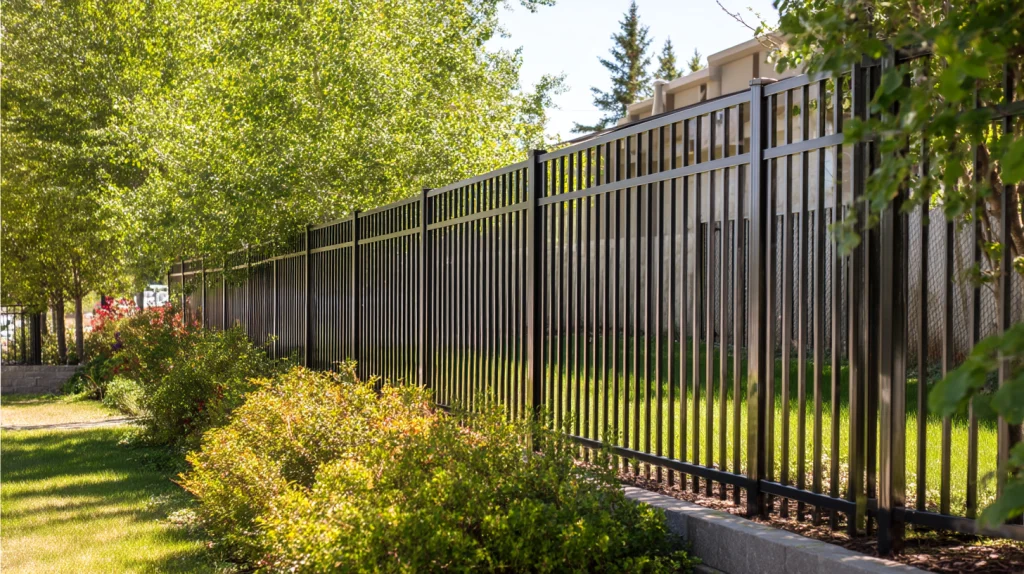
For high-security or high-visibility locations, custom steel or wrought iron fencing offers an attractive, formidable barrier. These options are ideal for facilities that need both protection and curb appeal.
Welded Wire and Anti-Climb Mesh
Used frequently around high-risk infrastructure, anti-climb mesh and welded wire fencing prevent footholds and cut-through attempts. This makes them excellent options for Seattle businesses with valuable assets or sensitive data.
Maintenance and Durability in the Seattle Climate
Weatherproofing Against Rain and Salt
Seattle’s wet climate and proximity to the Puget Sound make corrosion a key concern. Galvanized steel or powder-coated finishes extend the life of your fence by resisting rust and damage from salt air.
Ongoing Maintenance Recommendations
Even the best fence requires regular inspection. We recommend quarterly checks to tighten fasteners, clear vegetation, and assess for corrosion or wear. This proactive maintenance saves money and keeps your facility secure.
Navigating Seattle’s Permit Process
What Kind of Permit Do You Need?
Most industrial fences in Seattle fall under “Subject-to-Field-Inspection” permits. You’ll need to submit scaled drawings, a site plan, and other documents that show the fence’s design, materials, and placement on your property.
Permit Fees and Timelines
Permit fees vary depending on the value of the project. As a rule, plan on paying approximately 40% of the plan review fee upfront, along with tech and inspection fees. Most permits are approved within a few weeks if the documentation is accurate and complete.
Key Industrial Zones: What Businesses Should Plan For
Duwamish Industrial Area
Home to logistics hubs and heavy manufacturing, the Duwamish area presents higher security demands. Flood risk is also higher here, making elevated or flood-resistant fence foundations a smart investment.
Interbay and SODO
Interbay and SODO are transit-heavy areas where aesthetics may play a larger role. Businesses in these areas often opt for commercial-grade steel or architectural fencing that blends security with city-approved style.
Legal Considerations
Washington State Fence Laws
State law requires fences to be substantial and continuous, typically using four or more taut wires securely attached to posts. This definition protects your property—and keeps you in legal compliance.
Avoiding Legal Trouble: Spite Fences
Washington law prohibits fences built with malicious intent. If your industrial fence appears to target a neighboring property unnecessarily, you could be forced to remove it. Always work with professionals who understand the balance between security and community standards.
Frequently Asked Questions
Do I need a permit for an 8-foot fence in Seattle?
No permit is required for fences up to 8 feet in most industrial zones—unless it involves masonry, concrete over 6 feet, or is located in a flood-prone area.
What fence material lasts longest in Seattle weather?
Galvanized steel or powder-coated chain link holds up best against Seattle’s moisture and salt-rich air. These materials offer a balance of durability, cost-efficiency, and low maintenance.
Can I install barbed wire on top of my industrial fence?
Yes, barbed wire is allowed in Seattle industrial zones, provided the fence height and placement comply with city regulations.
What happens if my fence encroaches on public property?
You’ll need to apply for a Long Term Use permit from the Seattle Department of Transportation, and pay associated annual fees. It’s generally best to build entirely within your property line.
Partner with Seattle’s Trusted Industrial Fence Experts
At Inline Security Fence, we specialize in designing and installing warehouse and industrial fencing solutions tailored to Seattle’s unique environment and code requirements. From permit acquisition to durable, high-security materials, we handle it all—on time and on budget.
Explore our recent projects in Seattle’s industrial districts or request a free site consultation today. We’ll help you secure your facility with the right solution—no guesswork, no red tape.
Contact Inline Security Fence now to get started on your Seattle warehouse fencing project.