A Complete Guide for Property Owners
Understanding what is considered a security fence is essential for any property owner planning to build a fence that does more than mark a property line. A security fence is not simply a decorative addition to a yard or a basic boundary between neighbors. It is a purposeful structure designed to restrict access, enhance safety, and protect people, land, and assets. Whether the subject property is in residential areas, commercial zones, or agricultural property, the definition of a security fence depends on intent, materials, fence height, fence location, and compliance with local law and permit requirements.
This guide explains what qualifies as a security fence, how it differs from other residential fences, and how property boundaries, permits, and placement rules affect construction. It is written to help property owners build fences correctly, avoid disputes, and comply with city regulations.
What Is a Security Fence?
A security fence is a fence installed primarily for security and protection rather than decoration. Its main purpose is to restrict access to a property, protect occupants, safeguard storage areas, and reduce safety risks. When evaluating what is considered a security fence, municipalities and development services typically look at function first.
A security fence is commonly located along a property line or around a specific area such as a swimming pool, driveway, front yard, or rear yard. It may also enclose commercial facilities, agricultural property, or sensitive land uses. Unlike partition fences or shared fences intended only to separate neighbors, a security fence is designed to deter entry, control movement, and improve safety.
In many cities, a proposed fence intended for security must meet specific requirements related to height limits, materials, and placement. These rules exist to balance protection with public safety, visibility near sidewalks, and neighborhood character.
Key Features That Define a Security Fence
Height and Structural Design
Fence height is one of the most important factors in defining a security fence. In residential zones, six feet is a common maximum for side and rear yard fences, while eight feet may be allowed in certain commercial or industrial locations. In some cases, fence height may exceed standard limits if the fence is part of a lawful fence for safety or security, subject to a building permit.
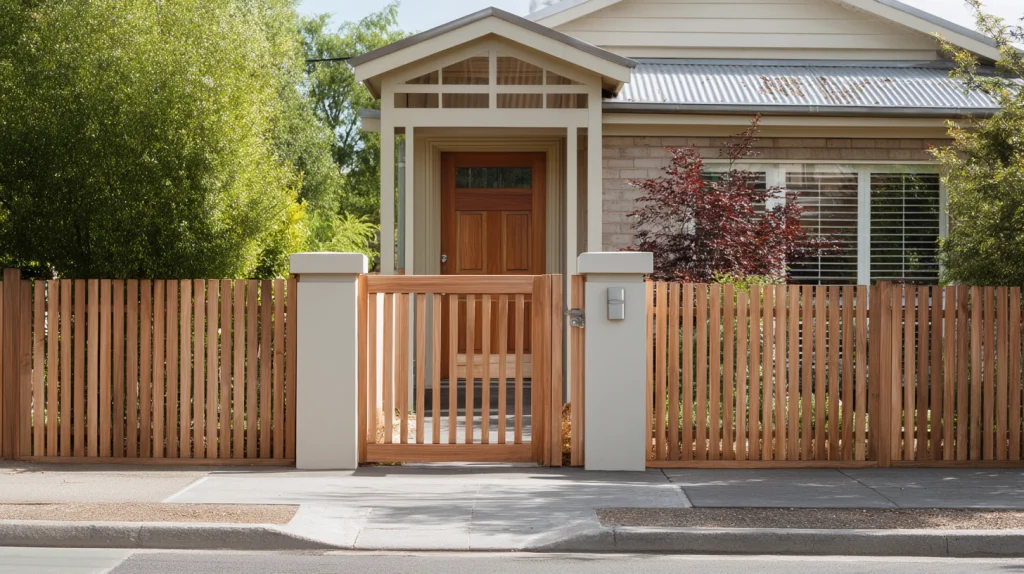
A fence that is six feet or eight feet tall is more effective at restricting access than a low decorative wall. Height also affects whether a fence is allowed in a front yard fence location. Many cities impose front yard setback rules and height limits to prevent visual obstruction or hazardous traffic situations near a driveway or sidewalk.
Security fences are usually solidly constructed, anchored to the ground, and designed to remain in good repair. They are not free standing wall structures placed without regard to stability. On a steep slope or near a retaining wall, additional construction considerations apply to ensure safety and compliance.
Material Strength and Durability
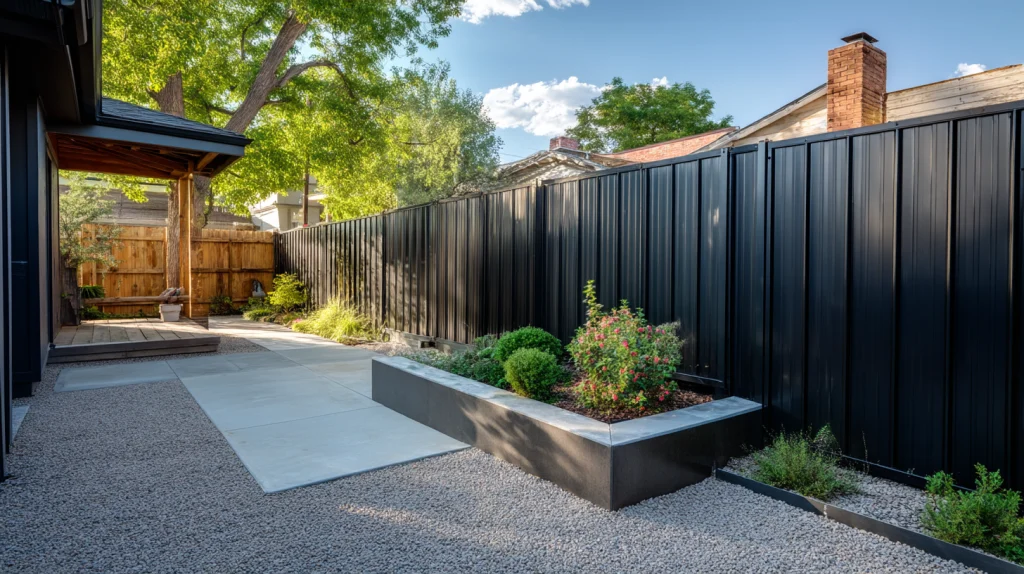
Materials play a major role in determining whether a fence qualifies as a security fence. Common materials include steel, metal panels, woven wire, and reinforced wood systems. Wood may be used in residential fences, but it must be properly installed, maintained, and strong enough to serve a security function.
Barbed wire fences and barbed wire are frequently used in commercial or agricultural property settings where higher security is required. Electric fences are another option in specific environments, although electric fences are usually regulated more strictly and may not be allowed in residential areas.
The materials selected must be durable, resistant to damage, and appropriate for the location. A fence installed near storage areas or commercial facilities must withstand higher use and potential impact. Maintenance is critical, as a poorly maintained fence may fail to provide protection and may violate local law.
Anti Climb and Anti Breach Capabilities
A security fence is designed to make unauthorized access difficult. This may include smooth surfaces, limited footholds, or additional deterrents such as barbed wire fences at the top. Barbed wire is effective in restricting access, but its use is often limited by law, especially in residential zones or near sidewalks and front yard areas.
Electric fences can also serve as a deterrent, but permit requirements and safety standards apply. Electric fences must be installed and maintained properly to protect small children, neighbors, and the public.
The goal of these features is security and safety, not punishment. Any fence that poses a risk must comply with specific requirements set by the city.
Integrated Security Add Ons
While a fence alone can provide protection, many security fences are installed with gates, controlled access points, or other security elements. Gates help manage entry and exit, particularly in commercial and residential properties with a driveway or parking areas.
The placement of gates affects fence location, setback rules, and permit application review. Gates must be located to avoid blocking sidewalks, interfering with front yard setback requirements, or creating hazardous traffic situations.
Where Are Security Fences Used?
Security fences are used across residential, commercial, and agricultural property types. In residential areas, they are commonly installed to protect a yard, a swimming pool, or small children. Pool fences are a clear example of a security fence required by law to improve safety and prevent accidents.
In commercial settings, a security fence may surround buildings, storage areas, or equipment yards. These fences often exceed residential fence height limits and require a building permit and detailed permit application review.
On agricultural property, fences may be installed to restrict access, protect livestock, or secure land. Barbed wire fences and woven wire are common in these locations, as they provide durability and coverage over large distances. .
Regardless of use, the fence must be located correctly on the subject property and comply with local development services regulations.
Security Fence vs Privacy Fence vs Chain Link
Understanding the difference between fence types helps clarify what is considered a security fence. Privacy fences are designed to afford reasonable privacy and noise attenuation, especially in residential yards. While they may provide some security, their primary purpose is visual screening.
Chain link fences are often used for boundary definition and containment. With upgrades such as black chain link fence systems, they can function as a security fence, particularly in commercial or industrial areas. Without upgrades, they are less effective at restricting access. .
A security fence focuses on protection, safety, and controlled access. It is often taller, stronger, and subject to stricter permit requirements than standard residential fences, and overall fencing costs can vary significantly by material and design. .
Types of Security Fencing Systems
Welded or Woven Wire Fence Systems
Woven wire and welded systems are common in both residential and agricultural property applications. They provide strength while maintaining visibility. When installed properly by chain link fence installation and repair specialists, they can serve as an effective security fence. .
Ornamental Metal Fence Systems
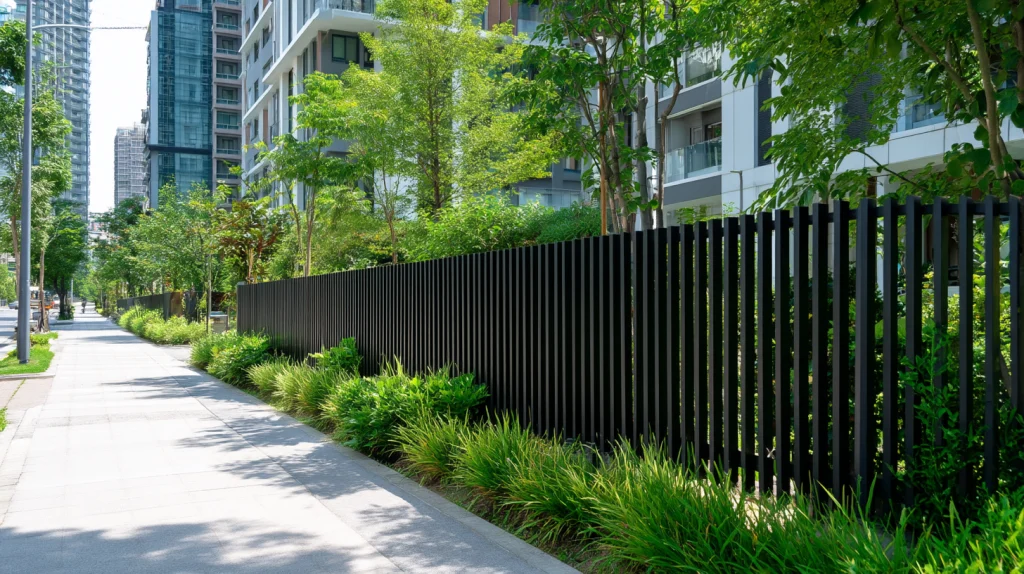
Metal fences combine appearance and security. They are often used in front yard fence applications where cities allow them, provided height limits and front yard setback rules are met.
Barbed Wire and High Security Fences
Barbed wire fences are typically limited to commercial or agricultural settings. Barbed wire adds security but must be installed in compliance with law and safety standards. Inappropriate use in residential zones can result in permit denial or enforcement action.
Electric Fences
Electric fences are specialized security fences. Electric fences are regulated carefully due to safety concerns. Permit requirements are common, and electric fences are rarely allowed in residential areas.
What a Security Fence Is Not
A security fence is not a temporary structure, a decorative wall, or a poorly planned installation. It is not a fence built without regard to property boundaries or neighbor concerns. It is not a fence that ignores permit requirements, height limits, or placement rules.
Building without a permit can lead to violations, fines, or required removal. Property owners should always verify whether a building permit or permit application is required before construction and consider working with a professional security fence company with a legacy of excellence. .
How to Choose the Right Security Fence for Your Property
Choosing the right fence starts with understanding the subject property and its location. Property owners should consider land use, residential or commercial zoning, and whether the fence is in a front yard, side yard, or rear yard.
A professional survey can help establish the exact property line and avoid disputes with neighbors. This is especially important for shared fences or partition fences where cost sharing and agreement may be required, and for understanding how far a fence must be from the property line. When neighbors agree on placement and cost sharing, many conflicts can be avoided. .
Fence location also matters near sidewalks, driveways, and streets. Improper placement can create safety issues or violate setback rules. Development services departments review these factors during permit application review, and understanding current fence repair costs can help owners decide whether to repair or replace existing security fencing. .
Frequently Asked Questions
What qualifies a fence as a security fence?
A fence qualifies as a security fence when its primary purpose is security, protection, and safety, rather than decoration. Height, materials, and location all factor into this determination.
Is a privacy fence considered a security fence?
A privacy fence may afford reasonable privacy and noise attenuation, but it is not automatically considered a security fence unless it is designed and installed for protection and restricted access.
How tall should a security fence be?
Fence height depends on zoning and use. Six feet is common in residential zones, while eight feet or more may be allowed in commercial areas, subject to permit approval and specific fence height laws such as those in Washington State. .
Can I build a fence without a permit?
Many cities require a permit to build a fence, especially when height limits are exceeded or when the fence is located in a front yard. Always check permit requirements before construction.
Do security fences increase safety?
Yes. When properly installed and maintained, a security fence improves safety, protects small children, and reduces unauthorized access.
Why Proper Permits and Compliance Matter
Compliance with law and permit requirements protects the property owner. A fence installed without approval may be considered unlawful, even if it provides security. Permits ensure that fences are built to code, located correctly, and maintained in good repair.
Cities enforce compliance to protect neighbors, ensure visibility near sidewalks and driveways, and prevent hazardous traffic situations. Permit requirements may include site plans, construction details, and material specifications.
Conclusion
Knowing what is considered a security fence helps property owners make informed decisions. A security fence is defined by purpose, not just appearance. It protects property, improves safety, restricts access, and complies with law. By understanding fence height, materials, placement, and permit requirements, property owners can build a fence that meets security needs while avoiding disputes and compliance issues.
Whether securing a residential yard, a swimming pool, commercial land, or agricultural property, the right fence begins with proper planning, lawful construction, and ongoing maintenance.