When you’re planning to invest in a new fence, durability is more than just a bonus, it’s a necessity. From harsh weather conditions to daily wear and tear, your fence must stand strong for years to come. But what kind of fence will last the longest?
In this 2025 homeowner’s guide, we break down the pros and cons of each type of fence, explore how fencing material affects durability, and help you choose a long lasting fence that fits your budget, style, and maintenance needs.
Why Fence Longevity Matters More Than Ever
Fences are more than just a boundary, they provide security, privacy, and curb appeal. In 2025, with rising costs in materials and labor, choosing the right fence material is critical if you want to avoid reinstallation after just a few years. Whether you’re tackling a DIY project or hiring one of your local fencing companies, your choice of fencing material will determine how long your investment lasts, and understanding both professional fencing services for residential and commercial properties and the overall cost of fencing for different materials can help you plan wisely.
A properly installed fence made with high quality materials can withstand weather, pests, and environmental wear. A cheap or poorly installed one? It might not last beyond a decade.
Top 6 Longest-Lasting Fence Types (2025 Ranking)
1 | Steel Fencing – The King of Durability
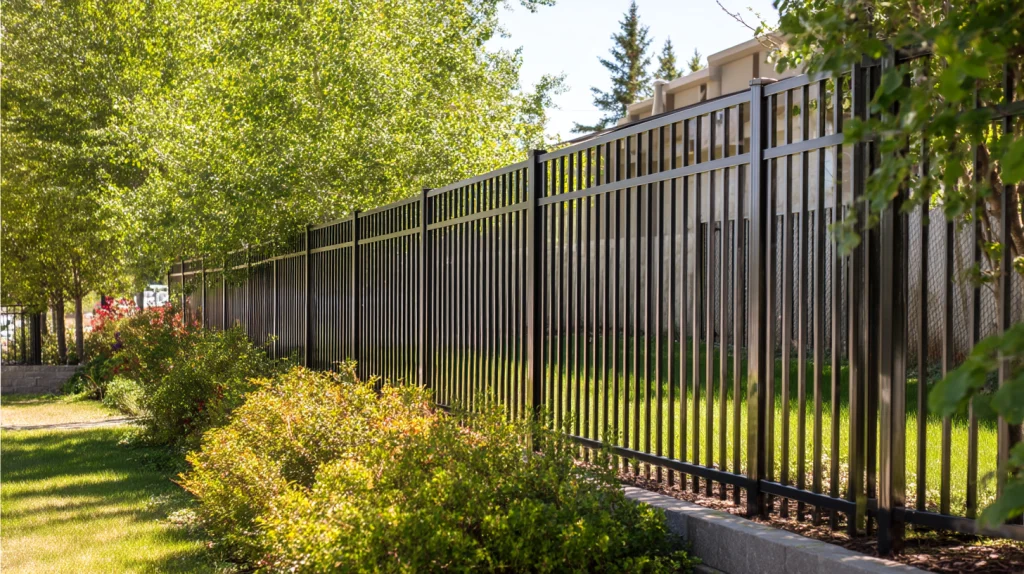
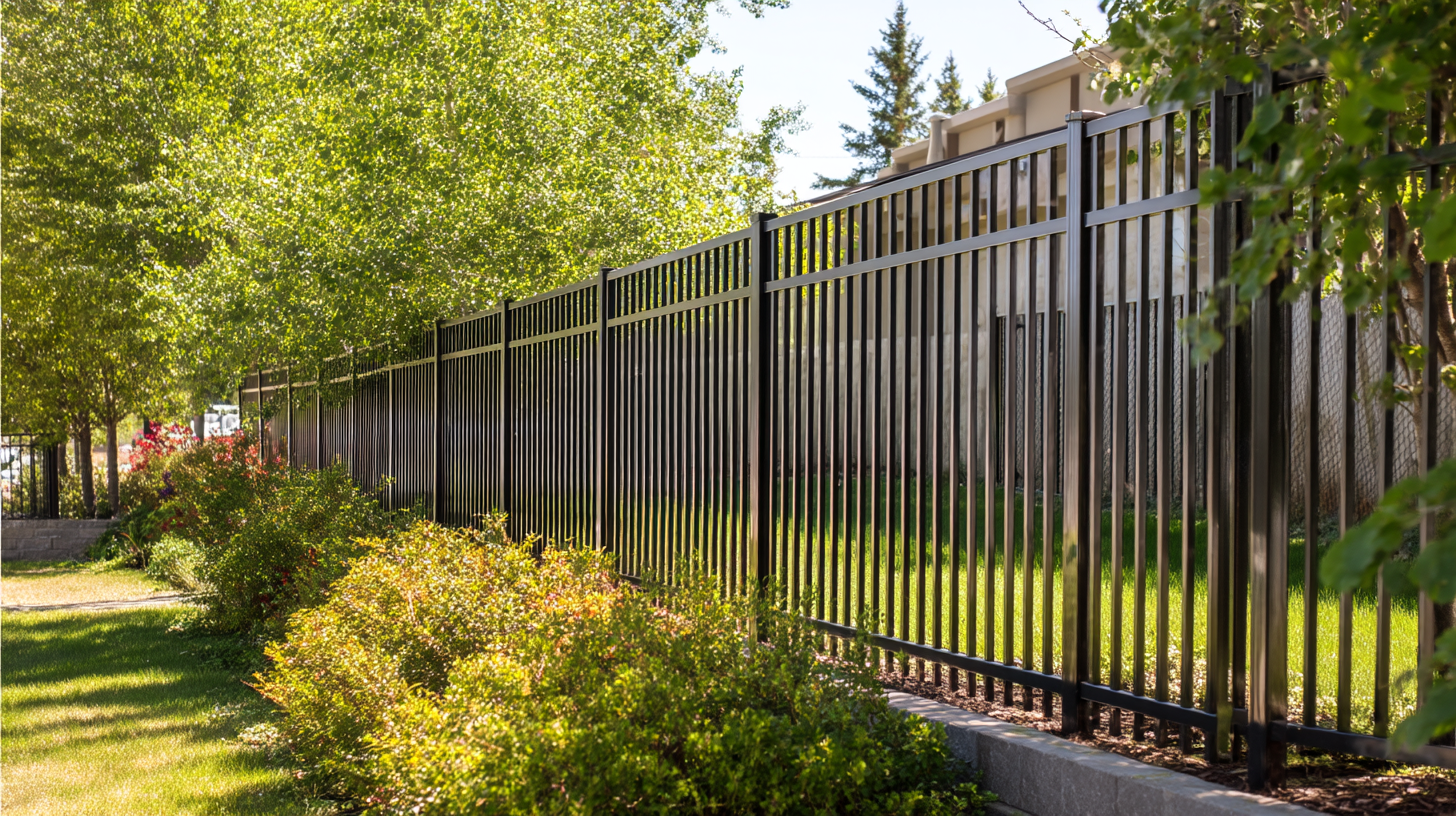
If you’re asking what kind of fence will last the longest, steel fences top the list. Steel fencing is a top choice for both homeowners and businesses seeking strength, security, and long-term value. With a rust resistant finish and proper care, steel fences can last 40 to 50 years or more.
These metal fences are ideal for high-security areas and are strong enough to handle extreme weather conditions. A properly installed steel fence will require little maintenance beyond occasional cleaning or touch-ups to avoid corrosion.
Steel fencing highlights:
- Lifespan: 40–50+ years
- Best for security, durability, and commercial use
- Requires minimal upkeep with rust prevention coatings
2 | Wrought Iron – Classic Strength and Style
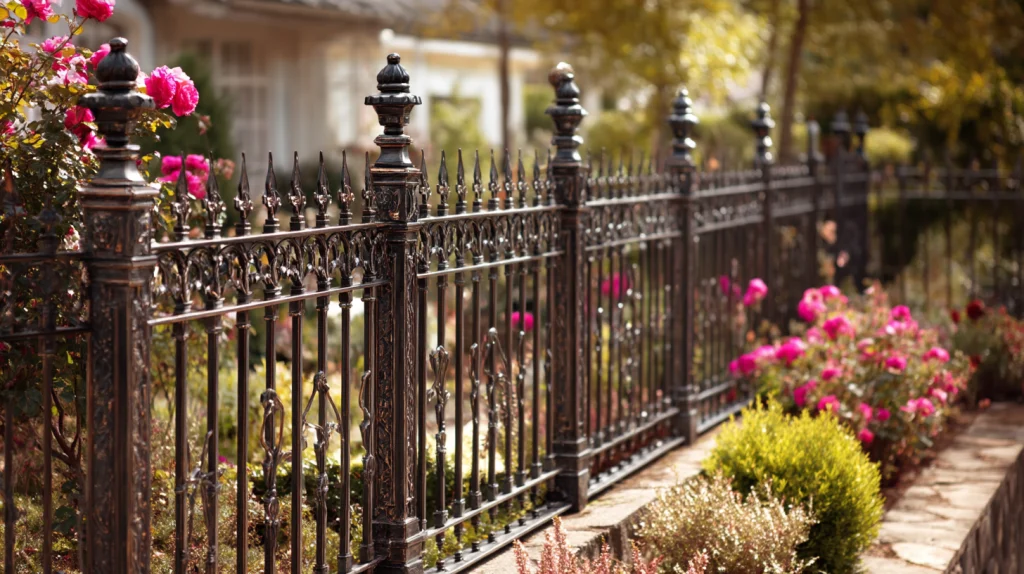
Wrought iron fencing offers timeless beauty paired with rugged performance. With regular painting and inspections to prevent rust, a wrought iron fence can easily last 30 to 50 years. Like steel, wrought iron fences are strong and built to last.
This type of fence often enhances the look of historic or upscale properties while delivering strong perimeter protection.
Wrought iron highlights:
- Long lifespan: 30–50 years
- Great for decorative fencing and upscale homes
- Needs regular maintenance to control rust
3 | Aluminum Fencing – Lightweight and Rust-Free
An aluminum fence is an excellent choice for those wanting a low maintenance fence with strong durability. Unlike steel or iron, aluminum doesn’t rust, making it ideal for humid or coastal environments.
Even with minimal regular maintenance, a properly installed aluminum fence can last 25 to 50 years. It’s a popular option for pool enclosures, residential yards, and fencing companies offering sleek, ornamental looks.
Aluminum fencing highlights:
- Lifespan: 25–50 years
- Resistant to rust and corrosion
- Requires little maintenance to look new
4 | Vinyl (PVC) – Long-Lasting and Low Upkeep
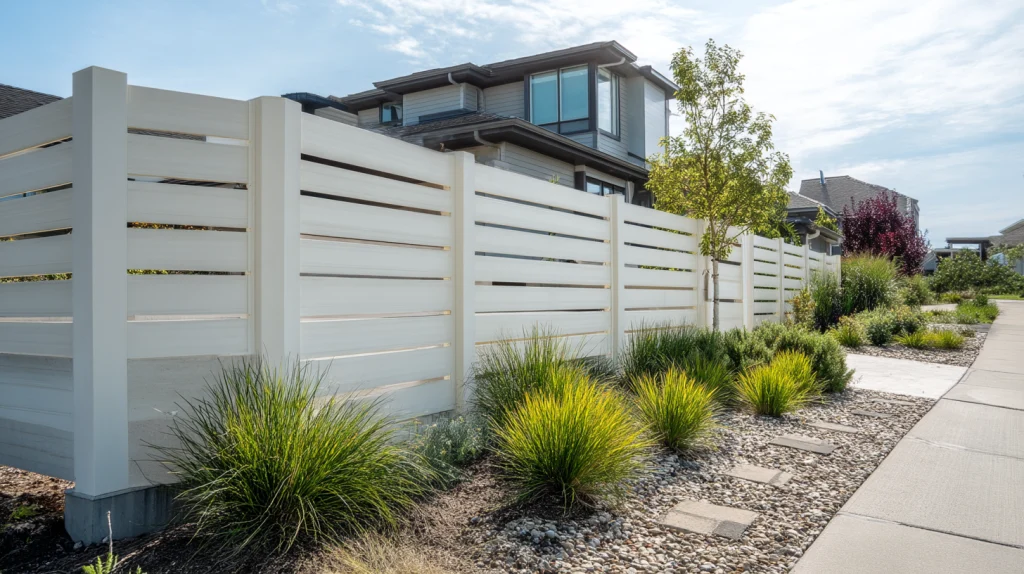
Vinyl fencing, also called PVC fences, offers a combination of beauty and performance with the lowest maintenance needs. This fencing material is rot-proof, insect-resistant, and never needs painting or staining. With quality installation, vinyl fencing can last anywhere from 20 to 40 years.
Unlike a wood fence, a vinyl fence won’t warp, crack, or decay. Many homeowners choose vinyl fencing for its clean lines, picket or privacy options, and resilience against the elements.
Vinyl fencing highlights:
- Lifespan: 20–40 years
- No painting, sealing, or re-staining required
- Popular for privacy and picket fences
5 | Composite Fencing – The Eco-Friendly Solution
Made from recycled wood and plastic, composite fencing delivers the appearance of a wooden fence without the maintenance headaches. It resists moisture, rot, insects, and UV rays, making it a reliable, eco friendly solution for modern yards.
Composite fencing lasts 25 to 30 years and requires only light cleaning. Although it has a higher upfront cost, it pays off with low upkeep and strong durability, so it’s worth comparing composite fencing versus vinyl fencing costs and benefits before you decide.
Composite fencing highlights:
- Lifespan: 25–30 years
- Great wood-like aesthetics with lower maintenance
- Mold and rot resistant
6 | Chain Link Fences – Reliable and Cost-Effective
While not always the most beautiful, chain link fences are extremely functional and durable. With vinyl or galvanized coatings, a chain link fence can last 20 to 35 years with very little maintenance, and choosing options like a black chain link fence with vinyl coating while understanding the chain link fence cost per foot in 2025 can make it an even smarter long-term investment.
This type of fence is often used for pet enclosures, backyards, commercial lots, and sports fields. Chain link is a cheaper option upfront but offers real longevity when cared for properly.
Chain link highlights:
- Lifespan: 20–35 years
- Low-cost, practical solution
- Best for functionality over aesthetics
Bonus: Wood Fencing – Traditional but Shorter Lifespan
A classic wood fence provides warmth and privacy, but it comes with the shortest average lifespan. Even with treated wood, a wooden fence usually lasts 10 to 20 years. Without regular maintenance, wood fences are prone to rot, pests, and warping.
Choosing the right type of wood helps. A cedar fence or redwood installation resists decay better than pine or spruce, but no matter the species, a wood fence needs frequent staining or sealing.
Wood fencing highlights:
- Lifespan: 10–20 years (longer with proper care)
- Beautiful and natural look
- High maintenance requirements
Factors That Affect Fence Lifespan
1 | Material Quality
The quality of your fencing material makes all the difference. Choose high quality materials like powder-coated steel, UV-resistant vinyl, or premium treated wood to ensure your fence lasts.
2 | Professional Installation
Even the best materials won’t hold up if not properly installed. Leveling, digging accurate post holes, and securing fence posts in concrete are essential for long-term stability.
3 | Local Climate
Weather plays a big role in how long a fence will last. Areas with high humidity, salty air, or harsh winters need metal fences, vinyl fencing, or composite fencing designed to withstand these conditions.
4 | Maintenance Habits
Proper care like cleaning, sealing, and small repairs can add years to any type of fence. Neglecting regular maintenance leads to faster decay and higher replacement costs.
5 | Soil Conditions
Your fence is only as strong as the ground it’s built on. Soft, shifting, or wet soil can loosen fence posts, causing sagging or leaning. A professional installer will evaluate and prep your yard to support a lasting fence.
How to Choose the Right Long-Lasting Fence
Consider Your Goals
Need privacy? Go with vinyl fencing or composite fencing and explore high privacy fence ideas for 2025. Need strength? Choose metal fences like steel or wrought iron.
Budget vs Longevity
While a wood fence or chain link option may save money upfront, the lifespan is shorter. A vinyl or aluminum fence may cost more at first but offers better ROI over 30+ years, and knowing 2025 fence repair costs by material can clarify the long-term value of each choice.
Style and Appearance
Some homeowners prefer the charm of a wooden fence, while others want the modern, clean lines of vinyl fencing or an aluminum fence.
Maintenance Commitment
If you’re not up for re-staining every couple of years, avoid wood fences. Stick with low maintenance choices like vinyl, aluminum, or composite fencing.
HOA and Local Code Compliance
Certain neighborhoods and cities restrict fence height or the fencing materials you can use. Check first to avoid fines or replacements by reviewing how far a fence must be from the property line and the Washington State laws on fence height for 2025.
Maintenance Tips to Extend Fence Life
Metal Fences
- Touch up paint to prevent rust
- Lubricate gate hinges
- Inspect for damage after storms
Vinyl Fencing
- Wash with mild soap
- Check for cracks after winter
- Avoid heavy objects leaning on fence panels
Wood Fence
- Apply sealant or stain every 2–3 years
- Trim nearby vegetation
- Replace cracked or rotting boards quickly
Chain Link
- Tighten sagging mesh
- Clean off debris to protect coating
- Apply rust-resistant spray to exposed areas
When to Repair or Replace a Fence
If your fence is leaning, has widespread rot, or the fence posts are unstable, replacement may be more cost-effective, especially when you follow expert guidance on wood fence replacement, costs, and how-to steps. A well-maintained vinyl fence, aluminum fence, or steel fence can avoid these issues altogether.
Look for:
- Widespread rust or rot
- Warped or broken boards
- Shifting or unstable post holes
FAQs – Fence Longevity Questions Answered
What is the longest lasting fence material?
Steel fencing and wrought iron are the most durable fence materials, often lasting 40 to 50+ years.
Does vinyl fencing last longer than wood?
Yes. Vinyl fencing lasts 2 to 3 times longer than the average wood fence with virtually no upkeep.
Can a wood fence last thirty years?
It’s possible with cedar, constant maintenance, and proper care, but it’s rare. Most wood fences last 10 to 20 years.
What’s the best fence for a coastal yard?
An aluminum fence is ideal due to its resistance to rust and salt air exposure.
Does professional installation matter?
Absolutely. A properly installed fence using high quality materials will last much longer than one set up incorrectly.
Final Thoughts – Choose the Perfect Fence for Decades of Durability
So, what kind of fence will last the longest? For longevity, steel fencing, wrought iron, and vinyl fencing lead the way. For low maintenance, go with aluminum, vinyl, or composite fencing. If you love the look of wood, be ready for regular upkeep.
Whichever type of fence you choose, make sure it’s the right fence material for your climate, lifestyle, and budget. And most importantly, have it properly installed to make sure your fence lasts for decades.
A perfect fence isn’t just about looks, it’s built to protect, perform, and provide peace of mind.