Why Fence Mistakes Are Expensive and Avoidable
When it comes to building a new fence, even small fence installation mistakes can lead to major problems. A poorly planned fence installation may result in structural issues, disputes with neighbors, fines from your city, or an early replacement, costing you more in the long run. Whether you’re installing a fence yourself or hiring contractors, knowing what not to do when building a fence is just as important as knowing the correct steps to take.
This article breaks down the most common mistakes homeowners make during fence installation and how to avoid them. At Inline Security Fence, we help homeowners across Utah avoid these costly errors by offering professional, code-compliant fence installations. If you’re looking to install a durable, long-lasting fence with minimal maintenance and maximum value, read on to make sure your project starts and ends the right way.
1 | Not Checking Your Property Lines First
Before you start digging post holes, you must identify your exact property boundaries. Installing your new fence even a few inches into your neighbor’s yard can create legal issues, damage relationships, and potentially force you to tear down your entire project.
Relying on old assumptions or visible markers like a neighbor’s existing fence or landscaping can lead to errors. Instead, file for a property plat or hire a professional surveyor to mark the corners of your land. Double check this before digging. Failing to do so is one of the most common fence installation mistakes we see.
Homeowners should be aware that even small fencing errors related to a property line could result in thousands in legal costs. Understanding how far a fence should be from the property line helps you plan accurately and assess your property boundaries before installing.
2 | Skipping the Permits and Zoning Rules
Every city has its own rules regarding fence installation. Local regulations may dictate fence height, style, and how far it must sit from sidewalks or roads. Some cities require necessary permits for any structure over a certain height, while others restrict specific materials in front yards.
If you build without proper permits, you risk receiving fines or being forced to take down the structure. Permits are essential for ensuring safety, accessibility, and community standards. Contractors like Inline Security Fence take care of permits for you, ensuring your job is done legally and properly from day one.
Always check with your local city office before you begin any installation. If you’re not sure whether you need a permit, it’s better to obtain it than to risk fines.
3 | Using the Wrong Fence Material for Your Needs
Not all fencing materials are a good match for your yard, climate, or goals. Choosing the wrong materials can lead to high maintenance needs, reduced durability, or even structural failure.
For example, untreated wood in a humid climate will rot quickly. Installing lightweight panels in areas with high winds can result in damage or collapse. Chain link fences may be a budget-friendly option but may not offer the style or privacy you need. It’s important to think about how the fencing materials fit your needs, climate, and desired fence style.
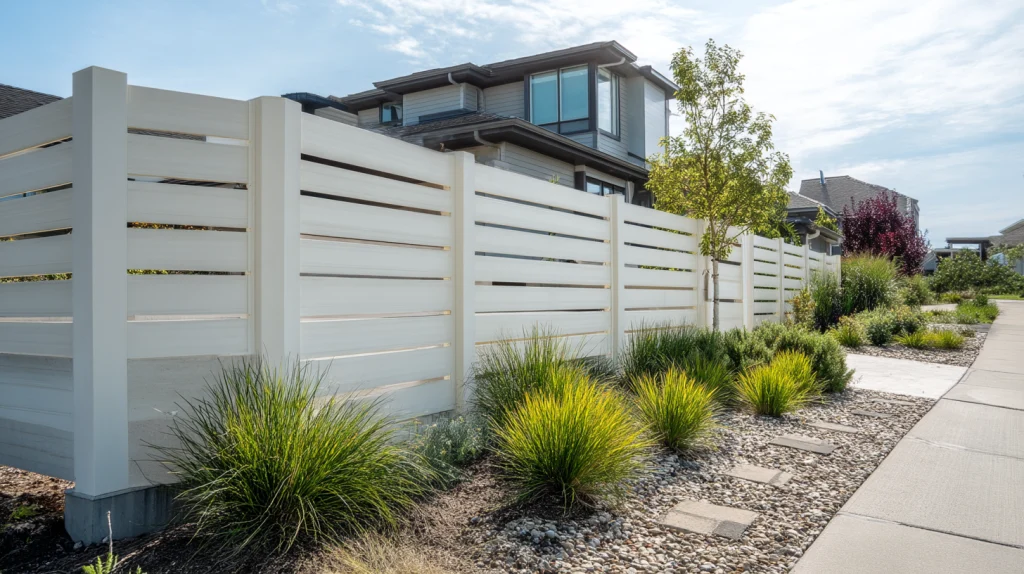
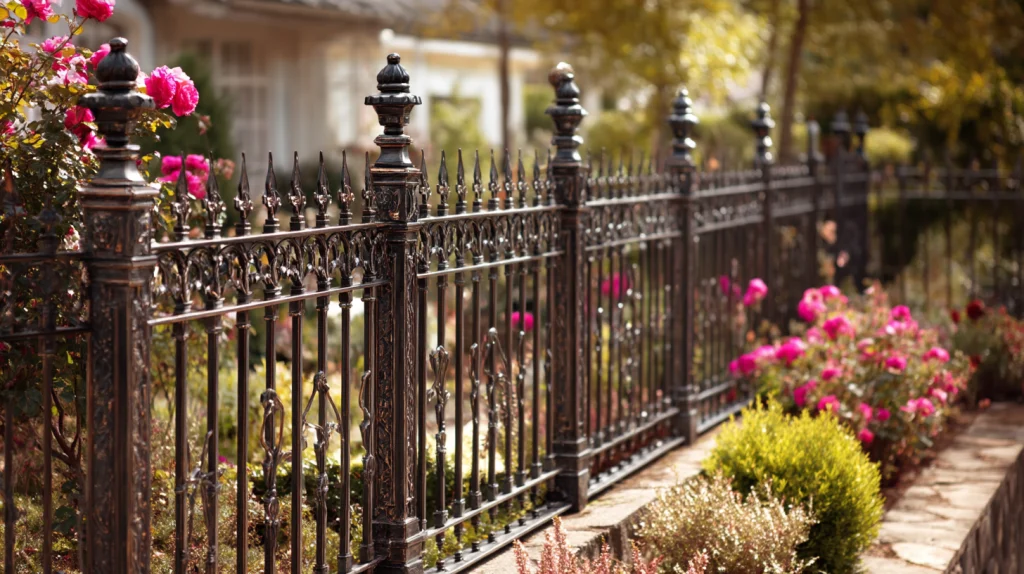
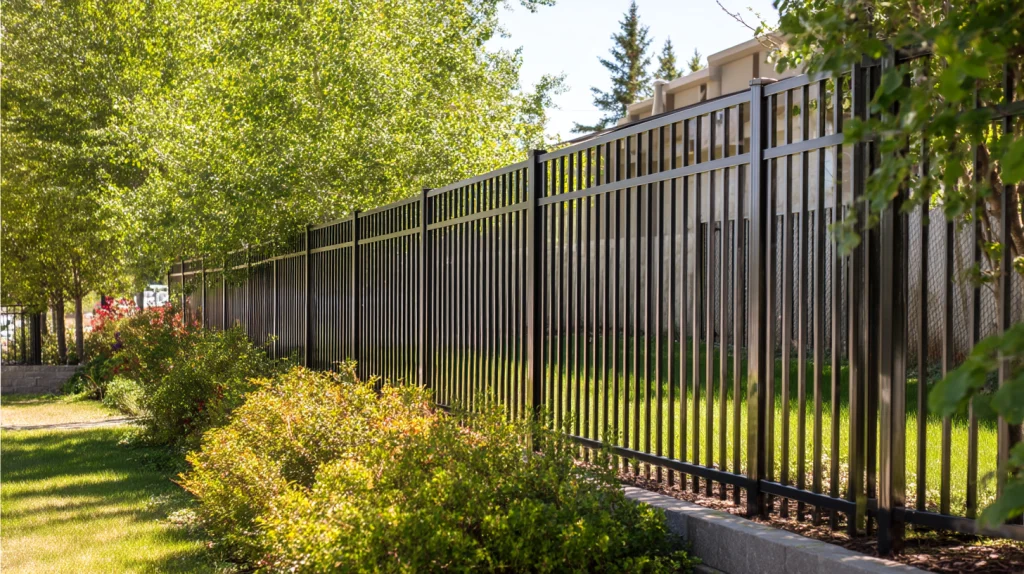
Vinyl fencing offers very little maintenance but may not be ideal in areas exposed to intense sunlight unless it’s UV-treated. Wood fences look beautiful but require staining or sealing to maintain their appearance. Aluminum fences resist rust and are excellent for durability but may not be suitable for privacy.
Assess your yard’s conditions and choose the right materials accordingly. At Inline Security Fence, we help clients choose materials that suit their budget, desired fence style, and long-term durability goals by walking them through the full cost of fencing before they commit to a specific design.
4 | Poor Post Installation (Shallow, Misaligned, or Unanchored)
Fence posts are the foundation of your fence. Poorly installed posts lead to leaning panels, sagging gates, and complete structural failure. If your posts are too shallow, they won’t support the weight and wind load of the fence. If they’re not set in concrete or correctly spaced, the rails and panels won’t align properly.
Common mistakes include:
- Digging shallow post holes that don’t account for frost lines
- Failing to use concrete to stabilize the posts
- Spacing posts unevenly, making it difficult to attach rails or panels
All post holes should be dug to at least one-third the height of the fence and properly filled with gravel and concrete to ensure a strong anchor. Skipping this step leads to instability, especially in areas prone to high winds or shifting soil. When you’re planning a fence installation, make sure post installation is not rushed or skipped.
5 | Ignoring Ground Conditions Like Slope or Drainage
Fences must follow the natural contours of your land. Ignoring the slope of your yard or existing drainage patterns can lead to uneven fence lines, water pooling at the posts, and even soil erosion.
There are different ways to install a fence on sloped land, including stepped or racked designs. You need to assess which layout best fits your fence style and landscape. Installing panels as if the land were flat often creates large gaps beneath them, which can let animals in or compromise privacy.
If your fence posts aren’t adjusted to account for sloped terrain or if water drains toward the base of the posts, the structure is at risk of rotting or sinking. Drainage should always be considered during the planning phase of your fence installation project.
6 | Installing Too Close to Utilities or Easements
Before you dig any post holes, you must call 811 to have your utility lines marked. This includes cable lines, gas lines, electrical, and water. Installing a fence without locating utility lines first can result in serious hazards or service disruptions.
Installing too close to these lines can result in expensive repairs or even dangerous accidents. Hitting a gas line could require emergency services, while damaging cable lines may cut off service to your home or neighbors, and on commercial sites our role as a leading fence contractor in Kent means we take extra care around utilities.
Additionally, most properties include easements for city or utility access. Building a fence that blocks access to these zones can result in the city forcing you to remove sections of your fence. Always plan ahead to ensure that you don’t build over or too close to utility lines or easements, especially for businesses working with a commercial fence contractor in Marysville.
7 | Underestimating Maintenance (or Overestimating “Low Maintenance”)
Some fencing materials require a lot more work than homeowners expect. Wood, for instance, must be stained or sealed every few years. If you’re not willing to keep up with that, the wood can warp, rot, or split, leaving your investment vulnerable.
Vinyl and aluminum options offer very little maintenance in comparison, but they still need occasional cleaning to keep mold, dirt, and stains away. No fence is truly maintenance-free, but some materials offer better long-term performance with less effort, which is why many of our commercial fencing clients in Medina choose these materials.
Homeowners should consider the long-term maintenance requirements when choosing fencing materials. You may save money initially by installing a lower-cost material, but you’ll pay more over time in upkeep, especially if you eventually need a full wood fence replacement.
At Inline Security Fence, we help customers select fences that align with both their lifestyle and their willingness to maintain the structure.
8 | Rushing the Installation Timeline
Fence installation is a project that requires proper planning, time, and care. Trying to complete everything in a single weekend or rushing through the steps often leads to errors like misaligned posts, weak panels, or incorrectly set concrete.
Concrete footings need time to cure properly. Rails and panels must be aligned before they’re secured. Rushing can cause sections to lean, sag, or fail entirely, which is why our commercial fence projects in Tukwila follow a strict, proven installation timeline.
Hiring professional contractors with experience in fence installation helps avoid these problems. Our team at Inline Security Fence follows a proven process that ensures each post, rail, and panel is installed to last, without rushing or cutting corners.
9 | Not Communicating With Neighbors
Even if you’re building the fence entirely on your side of the property line, it’s a good idea to talk to your neighbors first. If you’re sharing a boundary, it might be possible to split the cost or agree on a mutually acceptable fence style.
Fences affect visibility, privacy, and access. Failing to inform neighbors in advance can lead to tension or even legal disputes.
You don’t have to get permission unless the fence crosses a shared line, but taking the time to communicate shows respect. Our team can help facilitate shared agreements and ensure all parties are clear on where the fence will be placed.
Bonus Tip: DIY Isn’t Always Cheaper
DIY installations might seem like a great way to save money, but they often result in hidden costs. Tool rentals, buying the wrong materials, making measurement errors, and lacking proper equipment all lead to delays or rework.
We’ve seen countless homeowners pay more to fix DIY jobs than they would have spent on professional installation. For something as important as a fence, it pays to do it right the first time with contractors who continue a legacy of fencing excellence.
Hiring experienced contractors like Inline Security Fence brings real benefits: correct materials, durable posts, level rails, and secure gates. Our installations are built to last, support your property’s needs, and comply with all local regulations, whether you need a commercial fence contractor in Bothell or a residential solution.
FAQs About Fence Building Mistakes
What are the most common DIY fence installation mistakes?
Improper post holes, ignoring property lines, failing to obtain permits, and rushing concrete setting are among the top mistakes homeowners make.
Do I need a permit to build a fence in my city?
Yes, most cities require a permit for fences over 6 feet tall or when building in front yards. Check your local rules or hire a company that handles permits.
How deep should fence posts be?
Generally, posts should be set at least 2 feet deep or one-third the height of the fence. In areas with frost, deeper holes may be necessary.
What is the most durable fence with low maintenance?
Vinyl and aluminum fences are both durable and require very little maintenance, making them ideal for homeowners who want longevity without frequent upkeep.
Can I build a fence directly on the property line?
Yes, but you should confirm the property boundaries first. If you’re unsure, get a survey and speak with neighbors to avoid conflict.
Conclusion – Build It Right or Call the Pros
Fence installation is more than just placing posts and panels. It’s a project that requires planning, knowledge of local regulations, understanding of materials, and attention to detail. Making even one mistake can lead to higher costs, stress, and potential legal trouble.
If you want a fence that protects your property, adds beauty, and stands the test of time, avoid these common mistakes. Let the professionals at Inline Security Fence help you get it done right. Our family-owned fencing company handles every part of the process, from permits and materials to post holes and final installation.
Contact us today to schedule your free consultation and experience the difference a professional fence company makes.