Choosing the right fence for your property is a decision that impacts everything from privacy and curb appeal to your property’s security. But knowing what questions to ask when buying a fence can be the difference between a smooth project and years of frustration. Whether you’re installing a new fence or replacing an old one, this guide walks you through the essential questions to ask before, during, and after your fence installation.
1 | What Are My Goals for Installing a Fence?
Every fencing project starts with a goal. Are you looking to increase your property’s security, add privacy, contain pets or children, or simply improve curb appeal? Defining the purpose helps you choose the right fence style and materials that meet those needs.
If privacy is the goal, a tall wood fence or vinyl privacy fence is ideal. For security without blocking views, aluminum fences work well. Some homeowners want to protect a backyard pool, meet HOA requirements, or mark property lines with a clean, decorative solution.
Being clear about what you want from your new fence helps the contractor recommend the most effective and attractive solution. It also ensures your budget and timeline align with the project’s goals.
2 | What Type of Fence Material Is Best for My Needs?
Selecting the right fence material is a crucial decision in the fence installation process. Each material offers different benefits, and the choice should be based on your budget, style preferences, climate, and level of maintenance you’re willing to commit to.
Wood Fences – Classic Look, Natural Charm
A wood fence offers timeless appeal and is a favorite for homeowners who want a natural look. Cedar and redwood are especially popular for their resistance to rot and insects. However, wood requires proper maintenance to prevent deterioration. Staining and sealing should be part of your long-term fence care plan. While initial installation may be affordable, upkeep costs can add up over time.
Vinyl Fences – Durable, Low Maintenance
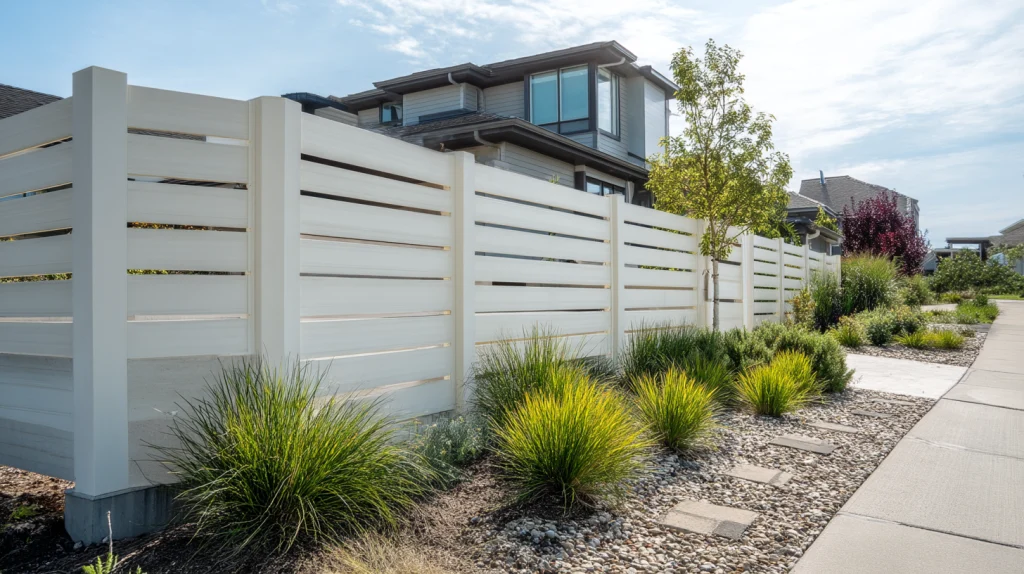
Vinyl fencing is known for its durability and minimal maintenance. Unlike wood, a vinyl fence won’t warp, rot, or require painting. It’s easy to clean and lasts for years in the Texas heat. Vinyl is a great choice for homeowners who want a sleek, modern look without ongoing upkeep. It’s also available in privacy fence styles and decorative options to complement your home’s architecture.
Aluminum Fences – Strong, Stylish, and Secure
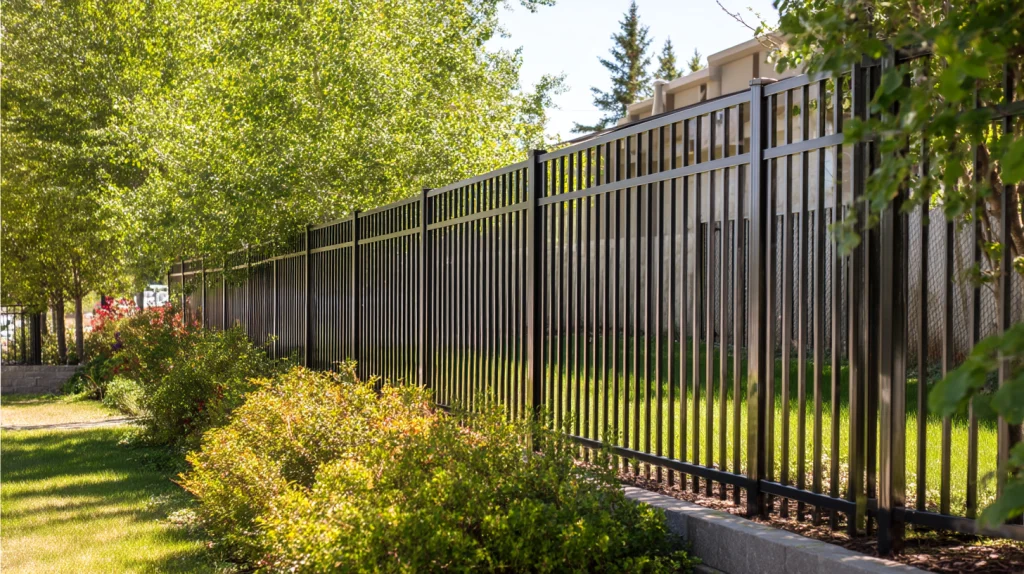
Aluminum fences offer the perfect blend of security and style. They’re rust-resistant, require almost no maintenance, and provide a secure perimeter without obstructing visibility. Ideal for pools, gardens, and front yards, aluminum fences add elegance while protecting your property. Many homeowners choose aluminum for its strength, long-term value, and clean look that complements landscaping and home exteriors.
Chain Link and Other Materials
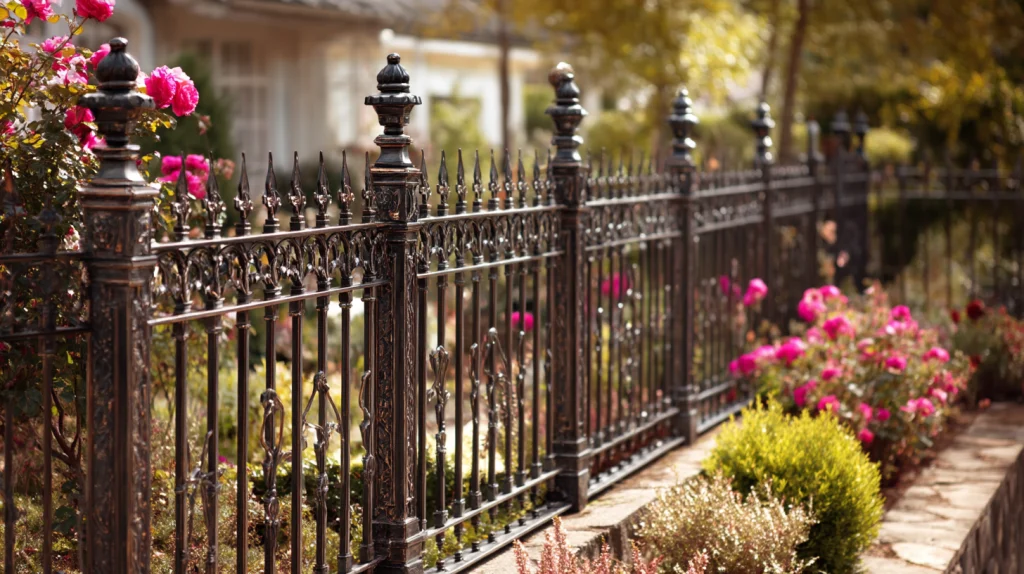
Chain link fences are a cost-effective solution for pet containment or commercial properties, and black chain link fences can offer a more attractive, durable option. While not as visually appealing, they serve their purpose well. Other materials like composite or wrought iron can also be considered based on your property’s specific needs and aesthetic preferences.
Your fence contractor should help you compare these materials based on durability, appearance, proper maintenance needs, and long-term benefits.
3 | What Are the Local Regulations I Need to Know?
Before any fence can be installed, you need to understand local zoning laws and building codes. These rules can vary based on your city, neighborhood, or HOA, and they often govern the height, material, and placement of fences.
You may need a permit for your fence installation depending on the location and type of fence. Understanding how far a fence has to be from the property line is also critical to avoid encroaching on easements or neighboring lots. Ignoring regulations could lead to fines or even the removal of the fence after it’s built.
A reliable fence company will guide you through this process. At Inline Security Fence, we handle permitting and ensure your fence complies with all local codes, whether you’re in Austin, San Antonio, or the surrounding areas.
4 | What Should I Budget for My Fence Project?
Understanding your budget is essential for a successful fencing project. Fence costs vary based on material, linear footage, terrain, and additional features like gates or decorative components.
Factors That Affect Fence Cost
- Materials: Aluminum, vinyl, and wood prices vary based on quality and style.
- Length and Height: Larger perimeters require more materials and labor.
- Ground Conditions: Sloped yards, rocky soil, or tree roots can increase installation effort and cost, and these factors play a big role in the overall cost of fencing and in calculating the chain link fence cost per foot.
- Gates and Add-ons: Custom gates, post caps, and staining add to the price.
- Permits: Some areas require paid permits for installation.
Cheaper isn’t always better. Choosing high quality materials and an experienced contractor ensures your fence is built to last. A poorly installed fence or low-end materials may lead to higher long-term costs in repairs and replacements.
Get a written estimate that outlines all costs, including digging, materials, labor, and cleanup, so you can make an informed decision.
5 | What Should I Ask Fence Contractors Before Hiring Them?
Hiring the right fence company is one of the most important steps in the fence installation process. A professional contractor ensures quality workmanship, proper installation, and long-term durability. Here are the most important questions to ask:
Are You Licensed and Insured?
Always work with a licensed and insured fence contractor. This protects you from liability if accidents happen during the project and ensures the contractor meets local industry standards.
Do You Have Experience With My Type of Fence?
If you’re installing a vinyl fence, aluminum fence, or a custom wood privacy fence, make sure your contractor has experience with those materials. For example, they should understand whether vinyl fences should have concrete around the posts and best practices for wood fence replacement. Ask about similar past work and if they can show examples.
Can You Provide References and Past Work?
A trustworthy contractor should provide references and photos of completed projects. This helps you evaluate the quality of their workmanship and customer satisfaction. Be cautious if a company cannot provide references.
What’s the Estimated Timeline for Installation?
Ask how long the fence installation will take, from initial digging to setting fence posts to final cleanup. Weather conditions, materials availability, and property size can all affect the schedule.
Do You Offer Written Estimates and Warranties?
Make sure you get a detailed written estimate that includes all labor, materials, and services. Ask if the company provides a workmanship warranty and if material warranties are included. This ensures you’re protected if something goes wrong after the fence is built.
Working with a transparent, experienced fence company is the key to a smooth, stress-free project.
6 | What Maintenance Will My Fence Require Over Time?
Every fence requires some level of care. Knowing what to expect in terms of maintenance will help you preserve your investment and keep your fence looking great.
- Wood Fences: Require staining, sealing, and inspections for rot or insect damage. Without proper maintenance, wood can warp or crack.
- Vinyl Fences: Low-maintenance option that only needs occasional cleaning with soap and water. No painting or sealing required.
- Aluminum Fences: Rust-resistant and durable. A quick rinse and an annual check for loose fasteners is usually enough.
- Chain Link: Minimal care, but it can show wear over time. Galvanized options resist rust better.
Discuss the maintenance schedule with your contractor to avoid surprises. They should also explain how to protect your investment with the right care.
7 | How Do I Choose the Right Fence Company?
When it comes to getting a fence installed, the company you choose is just as important as the material. Inline Security Fence proudly continues Best Built Fence’s legacy of excellence and is also carrying forward Jimmy’s Fence Company’s tradition of quality. The right fence contractor offers expertise, high quality materials, strong warranties, and excellent customer service.
Here’s what to look for in a reputable company:
- Fully licensed and insured
- Proven experience with your preferred materials
- Strong online reviews and local references
- Clear, written estimates and contracts
- Transparent communication
- Responsive to questions and concerns
Don’t hesitate to ask for examples of past work, check their license status, and talk to former customers. Choosing a contractor with a strong reputation ensures your fencing project is completed with professionalism and care.
FAQs About Buying a Fence
How do I know which fence material is best for my property?
It depends on your priorities. A wood fence provides a natural look, a vinyl fence is low maintenance, and an aluminum fence is strong and secure. Talk to a fence contractor to weigh the pros and cons of each.
Can a fence increase my home value?
Yes, a well-installed fence enhances curb appeal and boosts your property’s security, which can increase market value—especially if it complements the style of the home and neighborhood.
Should I talk to my neighbors before installing a fence?
If your fence is on or near a shared property line, it’s courteous and sometimes necessary to speak with neighbors. Some may even offer to split the cost.
How long does it take to install a fence?
The average fence installation takes one to three days depending on property size, material, and weather conditions. Custom features or large-scale projects may take longer.
Do I need to be home during installation?
You don’t need to be present for the entire process, but it helps to be available for walkthroughs, especially at the beginning and end of the installation.
Conclusion: Make an Informed Decision
The best fencing projects start with the right questions. From understanding materials to budgeting, maintenance, and contractor selection, each step plays a crucial role in getting a durable, attractive fence that adds value to your property.
Asking the right questions helps you protect your investment, avoid unnecessary stress, and ensure your fence is installed correctly and efficiently. The fence installation process should be straightforward, handled by a professional fence company that puts your needs first.
When you’re ready to install a new fence or upgrade your current one, choose a contractor with experience, high quality materials, and a track record of excellent service. Your property’s security and your peace of mind are worth it.