Protecting commercial property requires more than a standard fence. High-risk sites, industrial locations, and critical infrastructure often need stronger security fencing designed specifically to stop climbing attempts and reduce the possibility of a perimeter breach. One of the most reliable solutions used today is the anti climb security fence system.
Many property managers ask a simple question before planning a project: how are anti climb security fence systems installed? Understanding how the installation works helps explain why these systems are so effective at stopping intruders and preventing climbing across the entire boundary of a facility.
An anti climb security fence is designed to remove grip points, resist cutting, and create a strong barrier that discourages climbing. These systems are widely used at correctional facilities, logistics yards, warehouses, energy sites, and other high-risk facilities where the threat level demands dependable anti climb protection. In many modern projects, the fence system is combined with a roller barrier run along the top of the fence to add another layer of anti climb protection.
This guide explains how anti climb fence systems are installed, what makes them secure, and why they are trusted by facilities with serious security needs, especially when installed by experienced commercial fencing specialists.
What Is an Anti Climb Security Fence System?
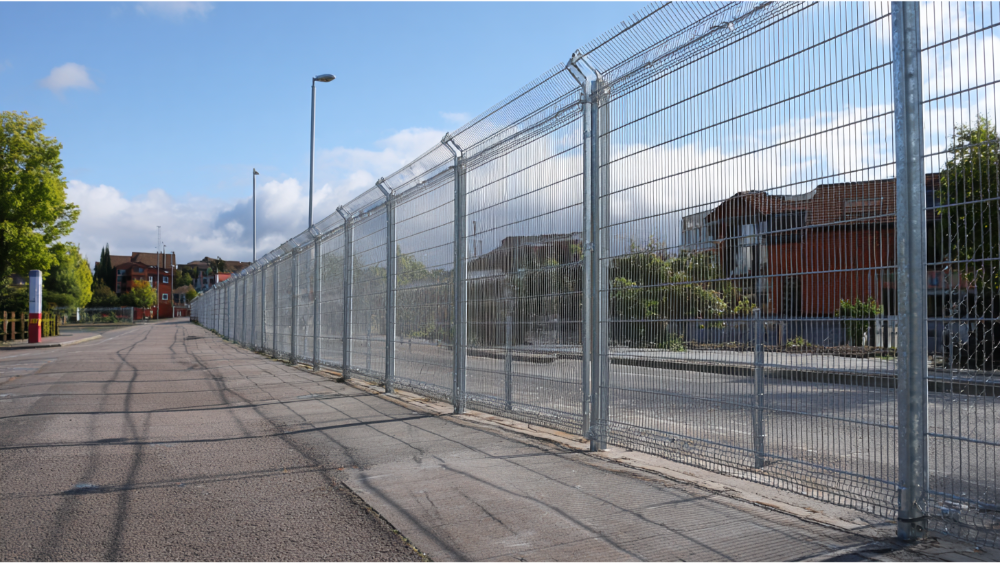
An anti climb security fence system is a specialized form of security fencing designed to prevent climbing and reduce the risk of unauthorized access. Unlike a standard fence type that focuses only on marking a property line, this system is built specifically to stop intruders from gaining a grip or foothold.
The most common design uses welded mesh fencing manufactured with extremely small openings. This mesh pattern removes the ability for a person to place fingers or feet into the fence. Without a secure grip point, climbing becomes extremely difficult.
The mesh used in an anti climb fence is also developed with anti cut wire and heavy welded intersections. This design helps resist cutting attempts and prevents intruders from forcing gaps into the fence surface.
In many facilities, the fence also includes a roller barrier run at the top. A roller barrier rotates when touched, preventing intruders from gaining stability during climbing attempts. Because the barrier spins freely, scaling the fence becomes almost impossible.
These systems have been widely adopted by correctional facilities because they provide effective anti climb protection without blocking visibility. The open mesh design allows video monitoring systems to maintain clear views across the perimeter while still preventing climbing.
Understanding Anti Climb Mesh Design
The mesh fencing used in an anti climb security fence system plays a major role in preventing climbing. Each mesh panel is manufactured with tight spacing between wires, usually only a few millimeters apart. This small mesh pattern prevents a person from gaining a solid grip.
Without a place for fingers or toes to hold, climbing becomes significantly harder. The mesh also creates a smooth surface that removes footholds and eliminates the typical ladder effect found on many other fence designs.
This mesh structure also provides another advantage: visibility. The open mesh allows security cameras and video systems to see clearly through the fence. Maintaining visibility is essential for facilities that rely on surveillance to monitor their perimeter.
Because of these features, mesh fencing has become a widely trusted solution for anti climb protection across industrial sites and high-security facilities, often used alongside cost-effective chain link fence installations in lower-risk zones of a property.
Why Businesses Choose Anti Climb Security Fencing
Companies and organizations install anti climb fence systems because they create strong physical protection against unauthorized access. These systems act as both a physical barrier and a psychological barrier. When intruders see a tall anti climb fence with a roller barrier run along the top, the message is clear that climbing attempts will be extremely difficult.
Facilities choose this type of security fencing for several reasons:
- Improved perimeter protection
- Reduced risk of perimeter breach
- Stronger resistance to cutting tools
- Clear visibility for video monitoring
- Long-term durability in demanding environments
For properties with a high threat profile, an anti climb fence provides an essential layer of defense against intruders, and in some cases can be combined with barbed wire security fencing where regulations allow.
Common Facilities That Use Anti Climb Fencing
Anti climb security fence systems are used in many types of facilities where protection is critical. Correctional facilities rely heavily on anti climb protection to prevent escape attempts and maintain safety within the perimeter.
Other facilities that commonly use anti climb fencing include:
- Industrial plants
- Distribution centers
- Utility infrastructure sites
- Transportation hubs
- Military or government locations
- Large commercial facilities
Because these environments face different threats and risk conditions, the fence system must be designed to match the threat level, operational needs of the site, and the available fencing budget and installation cost.
The Anti Climb Security Fence Installation Process
Installing an anti climb security fence requires careful planning and precise construction. Each step in the installation process contributes to the overall stability and effectiveness of the system. When properly installed, the fence works as a unified structure that prevents climbing and protects the perimeter.
Step 1 | Site Assessment and Security Planning
The first stage of installation involves evaluating the property and understanding the threat profile of the facility. Security specialists examine the entire boundary to identify potential vulnerability points and determine the most effective anti climb protection strategy.
During this stage, installers analyze the perimeter length, vehicle entry points, pedestrian access areas, and terrain conditions. The goal is to design a fence system that covers the entire boundary without leaving gaps that could allow a breach.
Facilities with higher threat levels, such as correctional facilities or infrastructure sites, often require additional features like anti climb fence spikes or an extended roller barrier run along the top of the fence.
Insight security planning is often part of this process. Insight security teams review how cameras, lighting, and patrol routes will interact with the fence system, and how the fence layout will relate to property line and setback requirements.
Step 2 | Fence Layout and Perimeter Marking
After planning is complete, the installation crew begins marking the fence line. Accurate layout ensures that the fence panels will align correctly across the entire perimeter.
During this stage, the team measures the perimeter length and marks each point where posts will be installed. Corners, gate openings, and grade changes are identified so the fence structure remains straight and stable.
The goal of the layout stage is to eliminate gaps or weak points that could increase the risk of a perimeter breach.
Step 3 | Post Installation and Concrete Footings
Posts form the main support structure for the fence system. Each post is installed into the ground using concrete footings that provide stability and long-term strength, similar to best practices for setting vinyl fence posts in concrete.
The depth of the footing depends on soil conditions and fence height, but posts are typically installed deep enough to resist wind loads and physical pressure. Heavy-duty steel posts are commonly used because they provide strong support for mesh panels and roller barrier runs.
Once the posts are set and aligned, the structure of the fence begins to take shape. Strong post installation is essential for preventing damage during climbing attempts or cutting attacks.
Step 4 | Installing Horizontal Rails and Structural Components
After the posts have been installed, the next step is attaching the structural rails and support brackets. These components connect each post and help distribute weight across the entire fence structure.
Brackets are used to secure the rails and mesh panels firmly in place. These brackets are designed to prevent movement and maintain panel alignment even when pressure is applied during climbing attempts.
The addition of rails and brackets creates a rigid structure that improves stability and prevents the fence from bending or forming gaps.
Step 5 | Installing Anti Climb Mesh Panels
Once the frame is complete, the welded mesh panels are installed. Each mesh panel is mounted between posts and secured using heavy-duty brackets and specialized hardware.
Installers carefully align each mesh section so there are no openings large enough for a person to gain a grip. The goal is to maintain a consistent mesh pattern across the entire perimeter.
Because the mesh design prevents fingers and toes from locking into the fence surface, climbing becomes extremely difficult. Combined with anti cut wire, the mesh also resists cutting attempts using common tools.
Step 6 | Security Hardware and Tamper Resistant Fasteners
An anti climb fence system must remain secure even if someone attempts to dismantle it. For this reason, installers use tamper resistant fasteners and specialized brackets that prevent unauthorized removal.
These components keep the mesh panels tightly attached to the posts and rails. Even if someone attempts cutting or tampering, the hardware helps maintain the structural integrity of the fence.
This hardware also helps prevent gaps from forming over time, which could otherwise increase vulnerability along the perimeter.
Step 7 | Gate Integration and Access Points
Most facilities require controlled entry points for vehicles and personnel. Security gates are integrated into the fence system during installation so they match the strength and design of the surrounding fence.
Gate openings must be reinforced to prevent a breach at these critical locations. Many installations include sliding gates or cantilever gates that allow vehicles to pass while maintaining strong security protection.
These gates can also be integrated with access control systems, cameras, and video monitoring equipment.
Step 8 | Security Add Ons and Perimeter Enhancements
For higher threat environments, additional anti climb protection may be added to the fence. One of the most common enhancements is a roller barrier run along the top of the fence.
A roller barrier consists of rotating cylinders mounted above the fence line. When a person attempts climbing and grabs the barrier, it spins freely and prevents the person from gaining stability.
The roller barrier run works as a strong psychological barrier because intruders quickly realize that climbing will be extremely difficult.
Other enhancements may include anti climb fence spikes which add sharp points along the top of the fence. These spikes discourage climbing attempts and provide additional protection.
Step 9 | Final Inspection and Compliance Checks
After installation is complete, the entire fence system is inspected to ensure it meets performance and safety requirements. Inspectors check for gaps, weak brackets, and alignment issues that could affect the fence structure.
They also verify that the roller barrier run rotates freely and that anti climb fence spikes are properly secured. Video monitoring systems may also be tested to confirm clear visibility along the entire perimeter.
This final review ensures the system is ready to provide reliable protection against climbing attempts and perimeter threats, much like a thorough inspection during wood fence replacement and installation.
Factors That Affect Anti Climb Fence Installation
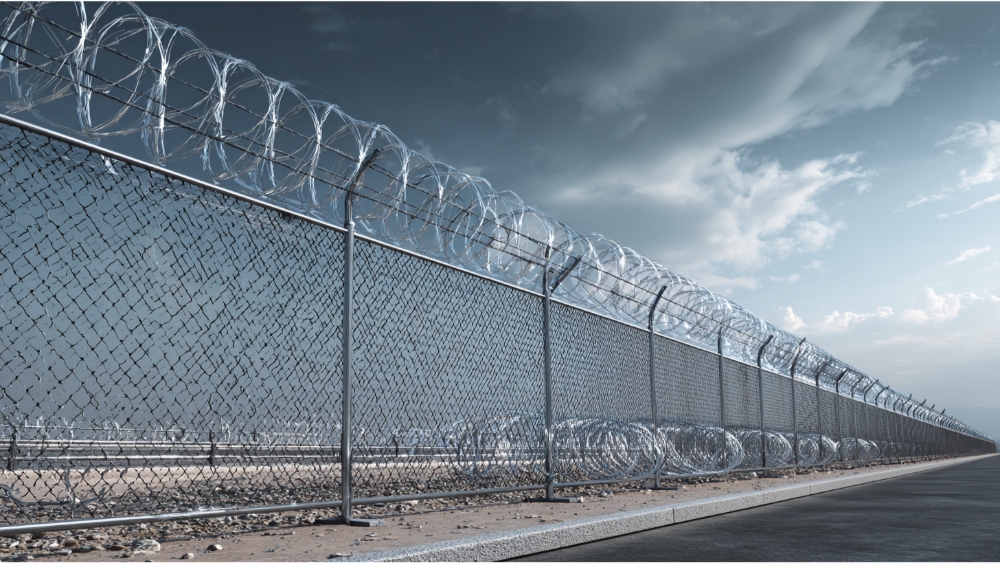
Several conditions influence how an anti climb fence system is designed and installed.
Fence Height and Security Level
Facilities with higher threat levels often require taller fences. Increasing the height makes climbing more difficult and improves the effectiveness of a roller barrier run.
Wind Load and Structural Engineering
Large fence structures must be engineered to withstand wind pressure and environmental stress. Proper post spacing and support brackets help maintain structural stability.
Terrain and Soil Conditions
Uneven terrain or rocky soil can affect how posts are installed in the ground. Installers may adjust post depth or spacing to maintain a straight fence line.
Security Integration Requirements
Some facilities integrate additional technology into the fence system, including cameras and video monitoring equipment. These systems help security teams detect climbing attempts or suspicious activity.
Why Professional Installation Matters for Security Fencing
Installing a high-security fence requires experience and proper planning. Poor installation can lead to weak brackets, unstable posts, or gaps that increase the risk of a breach.
Professional installers understand how to build fence structures that resist climbing, cutting, and other intrusion attempts. This expertise is especially important for facilities with a high threat profile and aligns with providers who carry forward a legacy of quality fencing craftsmanship.
A properly installed anti climb fence creates a reliable barrier that protects people, equipment, and sensitive operations, especially when handled by trusted local fencing experts.
How Long Does Anti Climb Fence Installation Take?
The installation timeline depends on the length of the perimeter and the complexity of the system. Smaller facilities may complete installation within several days, while larger correctional facilities or industrial sites may require several weeks.
Projects that include extended roller barrier runs or specialized gates may take longer due to additional structural components.
Cost Considerations for Anti Climb Security Fence Installation
Several factors affect the cost of installing an anti climb fence system. These include the total perimeter length, fence height, materials used, and additional features such as anti climb fence spikes or roller barrier systems.
Facilities with higher threat levels may require stronger mesh panels and reinforced posts, which can increase the overall cost of the project.
Despite the investment, anti climb fence systems remain one of the most effective solutions for preventing climbing and protecting high-risk facilities, and total project budgeting should also account for any future fence removal costs per foot.
Frequently Asked Questions About Anti Climb Fence Installation
What makes an anti climb fence different from a standard fence?
An anti climb fence uses tight mesh spacing and anti cut wire to prevent climbing. The design removes grip points and makes scaling the fence extremely difficult.
Why are roller barrier systems used on top of fences?
A roller barrier spins when touched, preventing intruders from gaining stability during climbing attempts. This makes it much harder to scale the fence.
Are anti climb fences used at correctional facilities?
Yes, correctional facilities widely use anti climb security fencing because it prevents climbing and reduces escape attempts.
Can anti climb fences be integrated with surveillance systems?
Yes, the open mesh design allows cameras and video monitoring systems to maintain clear visibility across the perimeter.
Do anti climb fence spikes improve protection?
Anti climb fence spikes add sharp points that discourage climbing attempts and enhance overall anti climb protection.
Protect Your Property With Professionally Installed Anti Climb Security Fencing
A properly designed anti climb fence system does more than define a property line. It provides strong physical protection, reduces security risks, and prevents intruders from gaining access to sensitive areas.
By combining welded mesh panels, strong steel posts, secure brackets, and a rotating roller barrier run, these systems create a reliable barrier that makes climbing extremely difficult.
For facilities facing serious threats, investing in professional anti climb security fencing is one of the most effective ways to secure the perimeter and protect valuable assets.