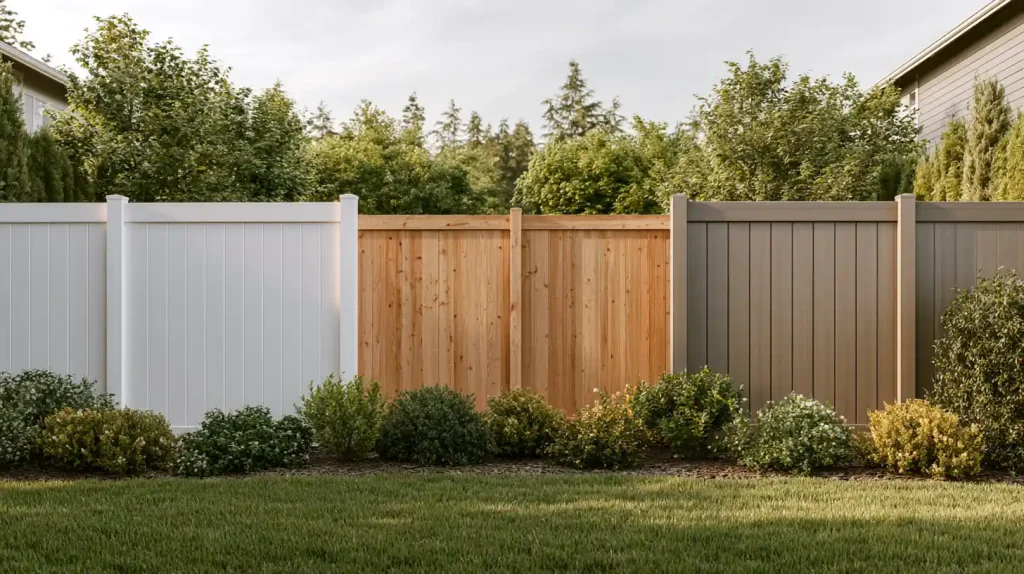
Many property owners ask the same question when planning a new fence project: how are chain link fence posts anchored in concrete? The answer involves a structured installation process designed to keep the fence strong, straight, and secure for many years. Chain link fencing relies heavily on properly installed posts. When the posts are anchored correctly with concrete, the entire fence system maintains its stability and strength over time. Without this foundation, even high-quality fencing materials like wood fence panels or vinyl fencing can fail.
A chain link fence is one of the most durable and practical fencing solutions available. It is commonly used for residential yards, commercial properties, and security perimeters, with options like black chain link fence systems offering both security and enhanced curb appeal. The reason it lasts so long is because the posts are firmly anchored into concrete footings. These concrete footings keep the posts secure in the soil, resist movement, and provide the support required for tension wire and chain link mesh.
Understanding how posts are installed helps property owners decide the best way to complete their fence installation, whether they are installing chain link, wood, or vinyl fences, and to budget accurately using resources that explain chain link fence cost per foot. In this article, we explain the process used by professionals when installing chain link fence posts in concrete, along with the tools, materials, and techniques that ensure long-term performance.
Why Chain Link Fence Posts Need Concrete Footings
Every chain link fence relies on a strong base. Chain link fence posts support the rails, tension wire, and chain link mesh that form the entire fence structure. Similarly, wood fence posts or vinyl fence posts also require solid anchoring to maintain fence integrity, and many homeowners wonder specifically whether vinyl fences should have concrete around the posts.
If these posts shift or lean, the fence will lose its alignment and security.
Concrete footings create a strong foundation that holds the posts firmly in the ground. When concrete is poured around the posts inside a properly sized hole, it forms a rigid anchor that prevents movement in the surrounding soil. This anchoring system is especially important for chain link fencing because the tension wire and wire mesh create constant pressure on the posts.
Concrete also protects the posts from shifting during seasonal soil movement. Over the years, soil expands and contracts as moisture levels change. Without concrete footings, posts may slowly move in the dirt and cause the fence to lean.
Another reason concrete is used is durability. Concrete anchors help chain link fence posts remain secure for many years. When installed correctly, a chain link fence can last decades with minimal maintenance, just like well-installed wood or vinyl fences.
Step by Step: How Chain Link Fence Posts Are Anchored in Concrete
Installing chain link fence posts requires careful planning and proper equipment. Professionals follow a proven method that ensures every post is aligned, level, and securely anchored in concrete, as seen in expert chain link fence installation and repair in Bellevue.
Step 1: Marking the Fence Layout
The first step when installing a chain link fence is planning the fence line. Installers measure the property and mark where the fence posts will be placed. Terminal posts are positioned at corners, ends, and gate locations. After those posts are marked, line posts are spaced evenly between them.
Spacing for chain link posts typically ranges from six to ten feet depending on fence height and design. Accurate layout ensures the fence panels and chain link mesh will fit correctly once installation begins. These spacing principles also apply when installing wood fence or vinyl fence posts.
Step 2: Digging the Post Holes
Once the layout is complete, the next step is digging holes for the posts. Digging is usually done with an auger, but a shovel can also be used for smaller jobs. Each hole must be deep enough to support the post and allow room for concrete.
The typical hole depth for chain link fence posts is about one third of the fence height. For example, a six-foot fence usually requires holes around twenty-four to thirty inches deep. The hole diameter should be about three times the width of the post.
Proper digging ensures the posts have enough concrete around them to remain stable for years.
Step 3: Adding Gravel for Drainage
Before pouring concrete, installers often place a small layer of gravel at the bottom of each hole. This gravel helps improve drainage and reduces moisture buildup around the base of the posts.
Moisture trapped around metal posts can cause corrosion over time. Gravel allows water to move away from the concrete footing, helping the installation last longer.
Step 4: Positioning the Posts
After the hole is prepared, the chain link fence posts are placed inside. Each post must be carefully aligned and held in position before concrete is added. Installers use a level to ensure the posts stand straight.
Temporary supports may be used to keep the posts from shifting during the installation process. Keeping the posts level at this stage is critical because once concrete hardens, adjustments become difficult.
Step 5: Pouring the Concrete
Concrete is then poured into the hole around the posts. This step anchors the posts firmly in place. The concrete should completely fill the hole and surround the post evenly.
Some installers use wet concrete that is mixed before pouring. Others use a dry mix method where dry concrete is poured first and water is added afterward. Both approaches can produce strong results when done correctly.
Once the concrete is in place, the installer shapes the top surface so water flows away from the posts.
Step 6: Allowing the Concrete to Cure
Concrete requires time to harden and develop full strength. Most installers allow at least twenty-four hours before continuing with the rest of the fence installation. During this time the posts remain stable and the concrete footing becomes strong enough to support the fence structure.
How Deep Should Chain Link Fence Posts Be Set in Concrete?
Depth plays a major role in the stability of chain link fence posts. Posts that are too shallow may shift in the soil over time.
Standard Depth Guidelines
For most residential chain link fence installations, posts are set between twenty-four and thirty inches deep. Taller fences or security fences may require deeper holes.
Commercial chain link fence projects sometimes require holes up to thirty-six inches deep to provide additional support. The exact depth depends on fence height, post size, and soil conditions.
Why Depth Matters
Deeper concrete footings provide more stability and strength. The deeper the posts are anchored, the more resistance they have against wind and tension wire pulling on the fence.
Soil Conditions and Post Depth
Soil type can influence how deep posts should be installed. Loose dirt or sandy soil may require deeper holes to ensure the posts remain secure. Dense soil may allow slightly shallower installation while still maintaining strength.
Understanding Line Posts and Terminal Posts
Chain link fences use two main types of posts: line posts and terminal posts. Each type plays a different role in the fence structure.
Line Posts
Line posts run between terminal posts and support the top rail and chain link mesh. These posts mainly keep the fence aligned along its length.
Terminal Posts
Terminal posts are located at corners, ends, and gate openings. These posts carry the highest load because tension wire and chain link mesh are pulled tight between them.
Why Terminal Posts Use Larger Concrete Footings
Terminal posts often require larger holes and more concrete than line posts. Because tension wire and chain link mesh pull tightly against these posts, they must be strongly anchored to prevent movement.
How Climate and Frost Lines Affect Installation
Climate conditions can affect how chain link fence posts should be installed.
Frost Line Considerations
In colder areas, the soil can freeze during winter months. Frozen soil expands and can push fence posts upward if they are not deep enough.
Installing Below the Frost Line
To prevent this issue, installers dig holes deep enough to place the concrete footing below the frost line. This helps keep posts stable even when temperatures drop.
Regional Installation Differences
Depending on the region, fence installation depths may vary. Areas with mild winters may require less depth, while colder regions require deeper concrete footings.
Common Mistakes When Anchoring Fence Posts in Concrete
Improper installation can lead to fence problems later.
Posts Installed Too Shallow
Shallow posts can lean or shift after several years of use.
Skipping Gravel
Skipping the gravel layer can cause moisture buildup around the posts.
Improper Concrete Finishing
If the concrete surface is not shaped correctly, water may collect around the post base.
Incorrect Post Spacing
Posts placed too far apart may cause chain link mesh to sag.
Rushing the Installation
If installers skip proper curing time, the posts may move when tension wire is installed.
Alternative Ways to Anchor Chain Link Posts

Although concrete is the most common method, there are other options depending on the installation surface, and professional crews offering chain link fence installation and repair in Black Diamond can recommend the best anchoring approach for local soil and site conditions.
Driving Posts Into the Ground
Some installers drive chain link posts directly into the ground using specialized equipment. This method is faster but may not provide the same long-term stability as concrete.
Mounting Posts on a Concrete Slab or Concrete Pad
When a fence must be installed on an existing concrete slab or concrete pad, installers may mount the posts using steel base plates. A core drill may be used to drill holes in the concrete surface.
Bolts and fasteners are then used to secure the base plate to the concrete slab. Brackets and anchor bolts help keep the posts firmly mounted to the concrete pad.
This method is often used on patios, sidewalks, and commercial areas where digging is not feasible, and installers who handle chain link fence installation and repair in Tukwila frequently use these mounting techniques on concrete surfaces.
Why Professional Fence Installation Matters

Installing chain link fencing requires experience and the right tools. Professionals understand how to dig holes, set posts, and pour concrete correctly, which is why many property owners rely on local experts for chain link fence installation and repair in Seattle.
They also know how to attach tension wire, stretch chain link mesh, and secure the entire fence system properly. Hiring professionals ensures the installation process is completed correctly and safely, especially when working with services that specialize in chain link fence installation and repair in Sammamish.
A professional job helps ensure the fence remains secure and aligned for many years.
How Long Concrete Anchored Fence Posts Last
When chain link fence posts are properly anchored in concrete, they can last twenty to thirty years or longer. Galvanized steel posts resist corrosion, and concrete footings provide strong support.
Environmental factors such as soil conditions and moisture levels may influence longevity, but proper installation significantly increases lifespan.
A well-built chain link fence provides reliable security for many years while requiring minimal maintenance, especially when installed by specialists in chain link fence installation and repair in Seattle.
Frequently Asked Questions About Chain Link Fence Posts
Do all chain link fence posts require concrete?
Most chain link fences use concrete to anchor the posts. Concrete provides the most secure and durable installation.
How long does concrete take to cure?
Concrete begins to harden within several hours but typically requires twenty-four to forty-eight hours before the fence can be fully installed.
How far apart should chain link posts be placed?
Most installations space posts six to ten feet apart depending on the fence design.
Can chain link fence posts be installed without concrete?
Yes, posts can be driven directly into the soil or mounted to a concrete slab, but concrete footings provide the strongest support.
What tools are used during installation?
Common tools include a shovel, pliers, level, auger, and concrete mixing equipment. These tools help installers complete the job efficiently.
Final Thoughts on Anchoring Fence Posts in Concrete
Understanding how chain link fence posts are anchored in concrete helps property owners appreciate the importance of proper installation and plan details like how far a fence must be from the property line. Concrete footings create a secure foundation that keeps posts stable and supports the entire fence structure.
Whether the fence is used for residential property, commercial security, or perimeter protection, strong concrete anchors ensure the fence remains durable and reliable for many years. When posts are properly installed, aligned, and anchored, the entire fence system performs exactly as designed.