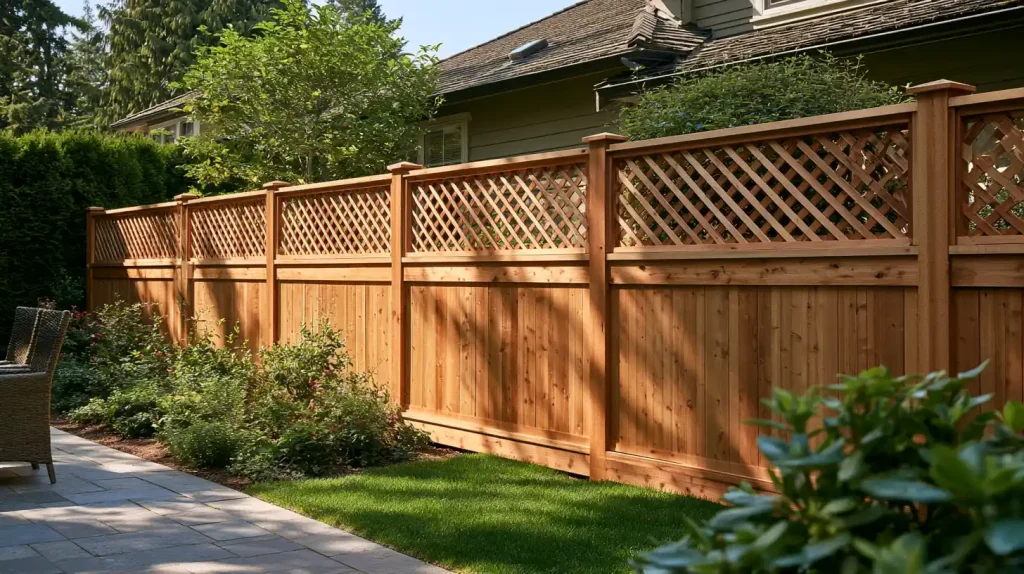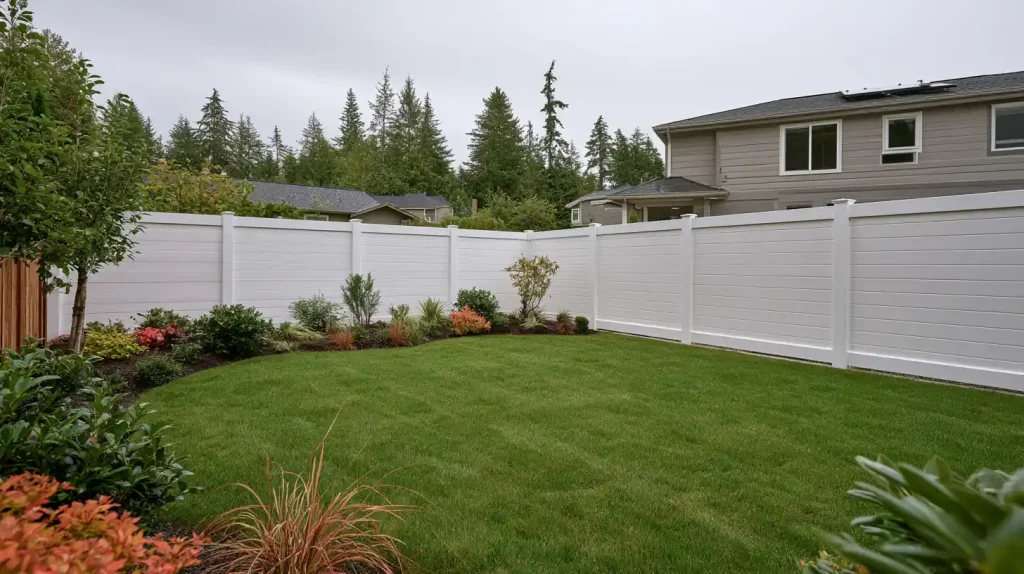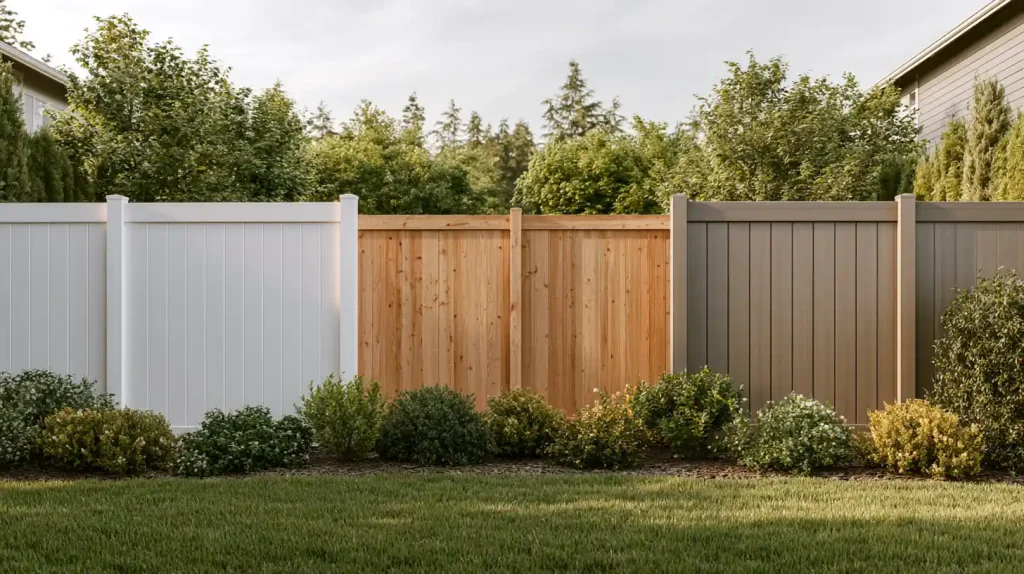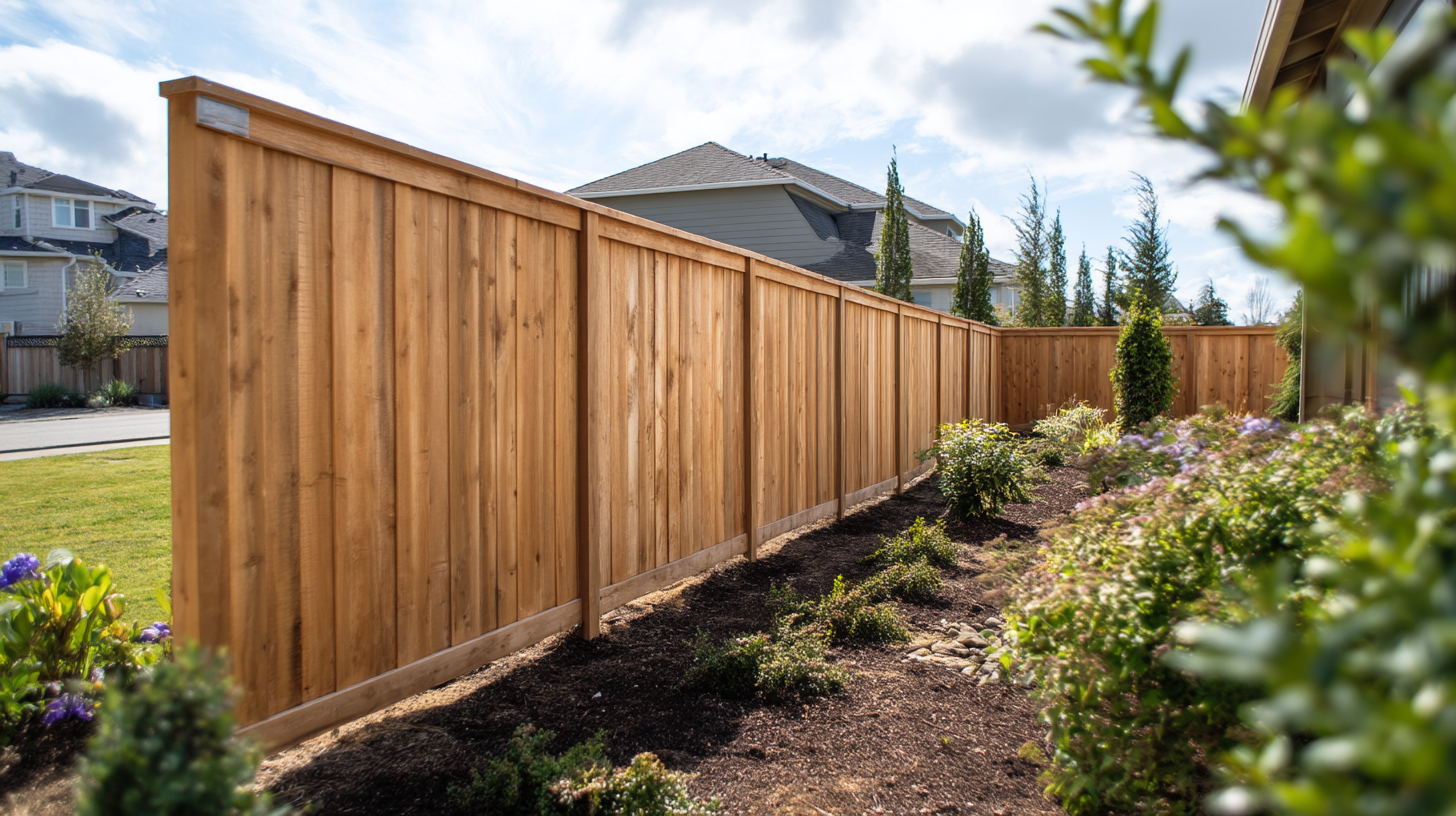
When planning a wood fence, one of the most important questions homeowners ask is how deep should posts be set for wood fence installation. The answer determines whether your fence stands strong for decades or starts leaning within a few seasons. At Inline Security Fence, we approach every fencing project with a focus on long-term durability, and that starts with proper post depth. Installing a fence is not just about placing panels in your yard; it is about creating a stable structure from the ground up. Several factors influence the depth, including fence height, soil type, wind load, and frost conditions. If you set shallow posts, the entire fence system becomes vulnerable. This guide walks through everything you need to know about setting posts correctly so your wood fence performs the way it should.
The General Rule for Fence Post Depth
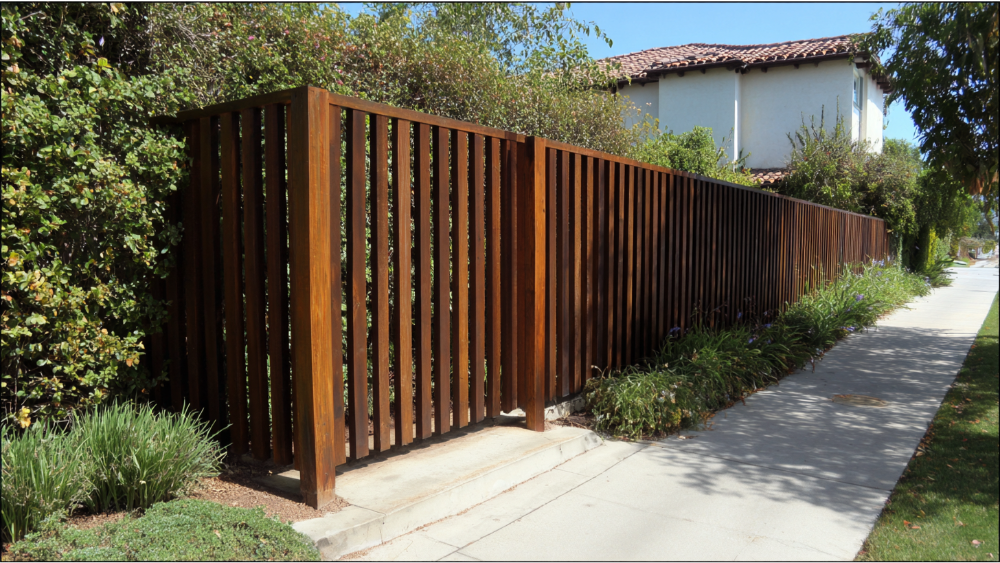
There is a general rule in the fencing industry that serves as the foundation for proper installation: fence posts should be buried at least one third of their total post height. In many cases, especially for a tall fence or a privacy fence, professionals recommend going deeper than one third to increase support. This proper depth helps prevent shifting and provides the strength needed to handle environmental stress.
For example, assuming you are installing a 6-foot fence, the post hole should be at least 2 feet deep, but going closer to 30 to 36 inches is often the better option. For an 8-foot fence, the hole depth may need to reach 3 feet or more. This difference in depth directly impacts how well the fence performs over time.
Fence Height vs Post Depth Chart
- A 4-foot fence typically requires a hole depth of 18 to 24 inches
- A 6-foot fence requires 24 to 36 inches
- An 8-foot tall fence often needs 30 to 48 inches depending on conditions
- Taller applications require increased post length and deeper installation
These measurements ensure that each post is set deep enough to support the structure above ground.
Why Proper Fence Post Depth Matters More Than You Think
Proper post depth is crucial for maintaining the structural integrity of your fence. Fence posts act as the backbone of the system, supporting the weight of panels and resisting pressure from wind and soil movement. When installing a wood fence, failing to dig a deep hole can lead to major issues. Shallow posts often result in leaning sections, loose panels, and costly repairs. Over time, even small shifts in the ground can cause posts to move if they are not set deep enough.
What Happens When Posts Are Too Shallow
Shallow posts create immediate and long-term problems. As wind pushes against the fence, the posts begin to loosen. Soil movement caused by moisture changes or temperature shifts makes the situation worse. In areas where the ground freezes, frost heave can push posts upward, causing uneven sections. This is why installing fence posts at the proper depth is not optional; it is crucial for long-term performance.
Frost Line Depth: The Factor Most Homeowners Overlook
The frost line is one of the most important considerations when setting posts. The frost line refers to the depth at which the ground freezes during winter. If your fence posts are not set below this frost depth, the freezing and thawing cycle will cause movement. This movement, known as frost heave, can push posts upward and create instability throughout the fence. To prevent shifting, posts must extend below the frost line.
Frost Line Depth in Kentucky and Surrounding Areas
In Kentucky, the frost line typically ranges from 30 to 36 inches. This means that the hole depth for most fence posts should meet or exceed this range. In colder climates, frost depth can be even greater, requiring deeper installation. Ignoring frost depth leads to long-term problems, including leaning fences and structural failure.
Soil Conditions and How They Impact Post Depth
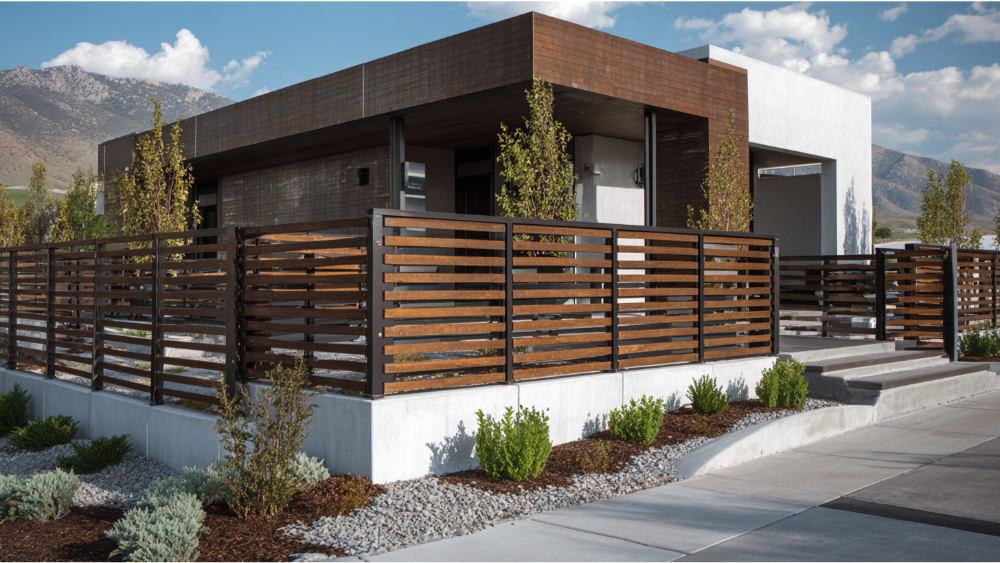
Soil conditions play a major role in determining how deep to dig post holes. Different types of dirt provide different levels of support, and this affects how posts should be set.
Sandy Soil
Sandy soil offers little resistance, which means posts need to be set deep to remain stable. In these conditions, digging a deep hole closer to half the post length helps improve support.
Clay Soil
Clay soil is dense and can hold posts firmly, but it expands and contracts with moisture. This soil movement requires careful installation and proper drainage to avoid shifting.
Rocky or Dense Soil
Rocky soil can provide strong support, but it makes it more difficult to dig post holes. In these cases, installers may need to adjust the hole size and use additional materials to secure the post.
Wind Load and Fence Style Considerations
Fence design impacts how deep posts should be set. Wind load is a critical factor, especially for a privacy fence. Solid panels catch wind and place pressure on posts, which means they must be set deep and secured with concrete.
Privacy Fence
A privacy fence requires deeper posts because it blocks airflow. The wind pushes directly against the panels, increasing the risk of movement. Setting posts deeper and using concrete helps maintain stability.
Picket and Semi-Private Fence
A picket fence allows air to pass through, reducing wind pressure. While these fences still require proper depth, they may not need to be set as deep as a solid privacy fence. The difference between picket and solid designs affects how deep you need to dig post holes.
Concrete vs Gravel: What’s the Best Way to Set Fence Posts?
The materials used when setting posts are just as important as depth. Concrete is the most common choice for securing fence posts because it provides strong, long-lasting support.
Concrete Footings
Using concrete to set fence posts helps prevent shifting and increases durability. A proper concrete mix fills the hole and locks the post in place. This method is recommended for most residential fencing projects, and many of the same principles apply when deciding whether vinyl fences should have concrete around the post.
Gravel Base for Drainage
Adding gravel at the bottom of the post hole improves proper drainage. A layer of 4 inches to 6 inches of gravel helps water flow away from the post, reducing the risk of rot.
Hybrid Approach
The best method combines a gravel base with concrete. This approach creates a stable foundation while allowing water to drain properly. Using both materials helps extend the life of wood posts and prevents damage over time.
Proper Post Hole Size Not Just Depth
When installing fence posts, the size of the hole is just as important as the depth. The general rule is that the post hole should be three times wider than the post itself.
- A 4×4 post requires a hole about 12 inches wide
- A 6×6 post requires a hole closer to 18 inches
- Wider holes improve support and stability
This ensures proper concrete coverage and reduces the risk of movement.
Step by Step How Professionals Set Fence Posts for Maximum Stability
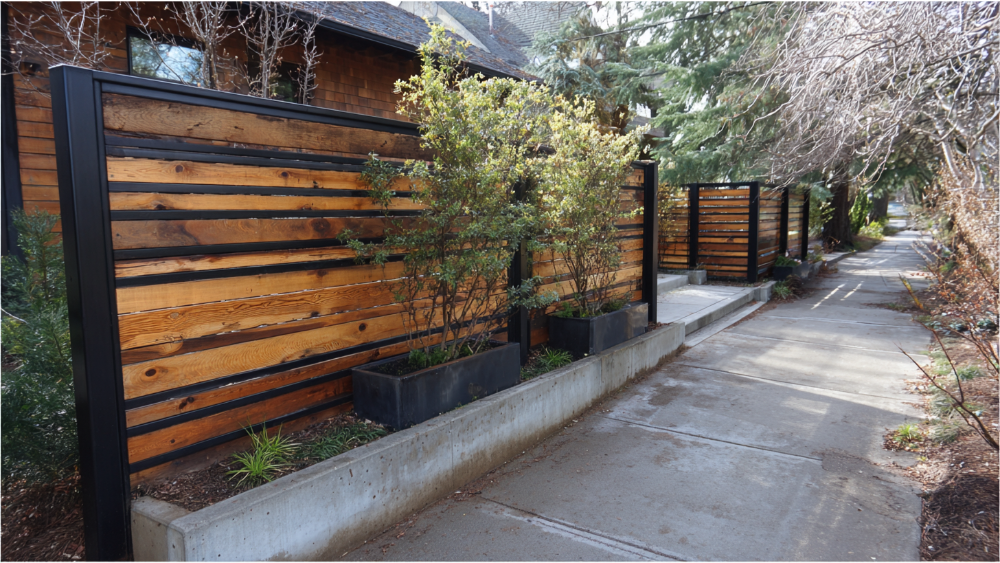
Professional fence installation follows a detailed process to ensure every post is secure and plumb:
- Mark the layout, including corners and spacing
- Dig post holes to the correct depth and frost line
- Add 6 inches of gravel for proper drainage
- Set the post in the hole and ensure it is plumb
- Use scrap lumber to brace the post in the middle
- Fill the hole with concrete or dry mix
- Slope the top of the concrete to direct water away
- Allow proper curing before installing panels or picket sections
This process ensures every post is set deep, aligned correctly, and built to last.
Local Building Codes and Permit Requirements
Local code requirements often specify minimum depth for fence posts. In many areas, posts must be set at least 24 inches deep, but this can increase based on frost depth and fence height. Failing to meet local code can result in failed inspections and additional costs.
Common Fence Post Installation Mistakes to Avoid
- Not digging a deep hole
- Using shallow posts that cannot support the fence
- Skipping concrete or using the wrong concrete mix
- Ignoring frost line depth and frost heave risks
- Poor drainage leading to rot
- Posts not set plumb
- Not accounting for slope in the yard
Avoiding these mistakes is crucial for building a strong fence and for accurately planning the overall cost of fencing.
How Deep Should Fence Posts Be in Kentucky
In Kentucky, frost line depth plays a major role in determining post depth. Most fence posts should be set at least 30 to 36 inches deep to stay below the frost line. For taller fences or areas with higher wind load, it may be necessary to dig deeper, especially if you are tackling a larger wood fence replacement project. This ensures stability even when the ground freezes and thaws.
Should You DIY or Hire a Professional Fence Contractor
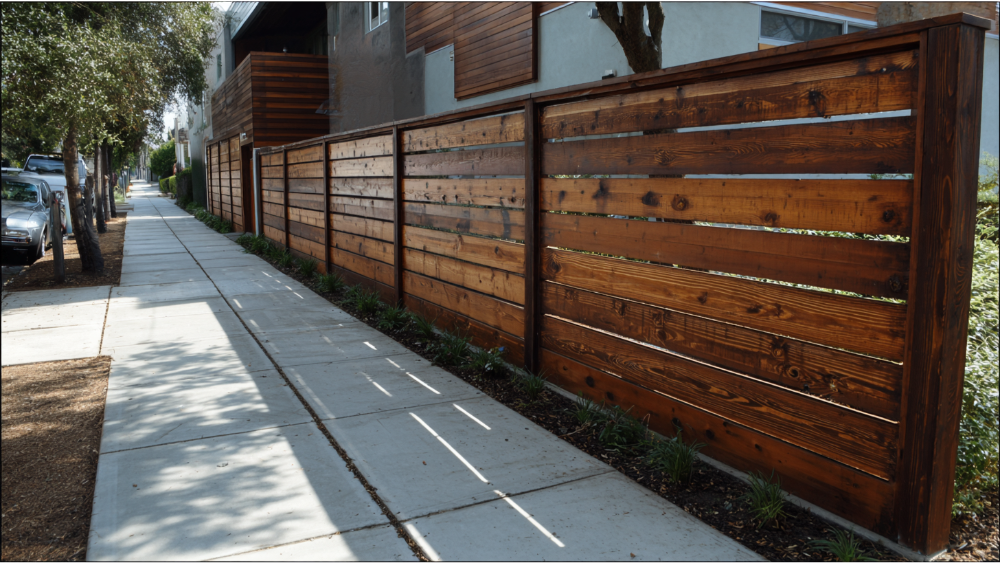
Installing a fence on your own can be challenging, especially when it comes to setting posts correctly. Achieving the proper depth, ensuring posts are plumb, and using the right materials all require experience. While DIY installation may seem cost effective, mistakes can lead to expensive repairs.
Why Professional Installation Pays Off
Professional installers understand how to work with different soil types, manage frost conditions, and create a stable foundation, especially when you choose a contractor like Inline Security Fence in the Seattle-Tacoma area. They use treated wood, quality lumber, and proper concrete techniques to protect your fence and extend its lifespan, which is especially important for businesses working with a dedicated commercial fence contractor in Auburn, WA.
Final Thoughts: Getting Fence Post Depth Right the First Time
Setting fence posts at the proper depth is the foundation of a strong and reliable fence. By considering several factors such as frost line, soil conditions, and fence height, you can ensure long-term stability. Digging a deep hole, using concrete, and maintaining proper drainage all help prevent shifting and protect your investment. Taking the time to install your fence correctly will save money and avoid repairs in the future, a principle that also guides our work as a commercial fence contractor in Bothell, WA.
Frequently Asked Questions
As a commercial fence contractor in Marysville, WA, we’re often asked questions like:
How deep should a 6 foot wood fence post be?
A 6 foot fence post should be set at least 24 inches deep, but going closer to 30 to 36 inches provides better stability.
Do fence posts need concrete?
Businesses working with our team as a commercial fence contractor in Medina, WA often face the same concern about using concrete for long-term stability.
Yes, concrete is recommended because it helps secure the post and prevent movement.
What happens if fence posts are not deep enough?
Shallow posts can lead to leaning, instability, and early failure of the fence.
How far apart should fence posts be?
Most fence posts are spaced 6 to 8 feet apart depending on the design.
Can I set fence posts without concrete?
It is possible, but not recommended for long-term durability, especially in areas with wind and frost conditions.
How long should concrete cure before installing panels?
Concrete should cure for at least 24 to 48 hours before installing panels.
Get a Fence Built to Last
If you want a wood fence that stands strong for years, proper installation is crucial. At Inline Security Fence, we focus on installing fence systems that are built to last from the ground up, continuing Best Built Fence’s legacy of excellence. Contact our team today to start your fencing project and get expert results you can trust from a company carrying forward Jimmy’s Fence Company’s tradition of quality.