Many homeowners ask the same question before investing in a new wood fence: how do contractors prevent wood fence posts from rotting and keep the entire fence in good shape for years? The answer comes down to using the right materials, understanding how wood rot develops, and applying proper installation from the start. At Inline Security Fence, we build every wood fence with durability in mind because fence posts are the foundation of the entire structure. When fence posts are protected correctly from rotting, the entire fence lasts longer and avoids costly repairs caused by fence rot and structural failure. If you are wondering how contractors prevent wood fence posts from rotting, it starts with proper planning and proven installation methods.
Why Wood Fence Posts Rot in the First Place
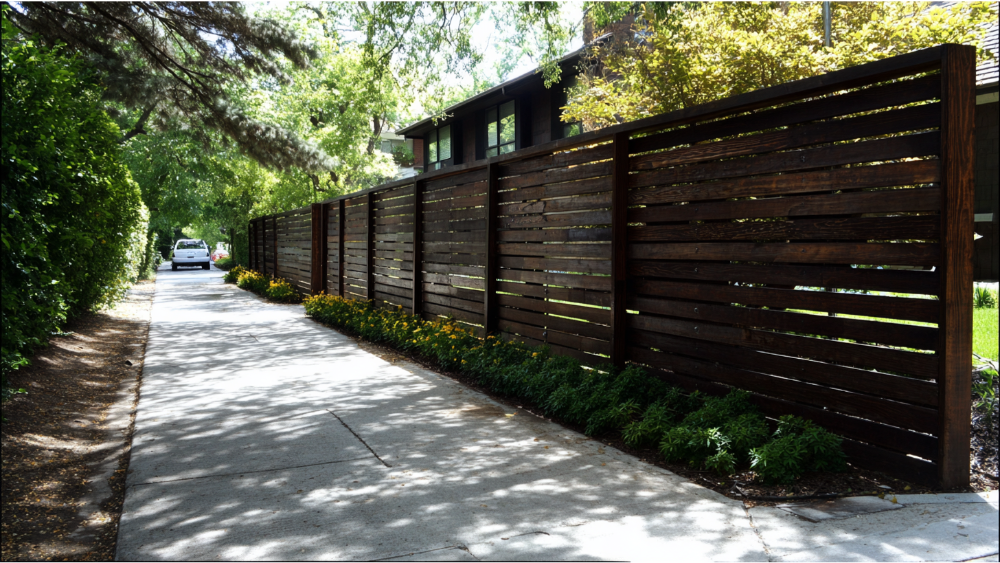
The Ground-Line Problem Where Most Rot Happens
The most vulnerable part of all wood fence posts is the ground line, where the post meets moist soil and ground moisture. This area is constantly exposed to moisture buildup, oxygen, and bacteria, which leads to fungal growth and eventual wood rot. When wood absorbs water at the ground level, the wood fibers begin breaking down. This is where fence post rot typically starts, and once rot begins, it spreads quickly through the entire post.
Common Causes of Premature Fence Failure
Most fence rot issues come from poor drainage, untreated wood, or improper installation, which often leads homeowners to consider full wood fence replacement when damage becomes extensive. When fence posts are set without adequate drainage, water begins to trap moisture around the base. This constant moisture leads to moisture penetration and prolonged exposure, which weakens the wood surface. Many homeowners do not realize that even pressure-treated wood can fail if posts soak in water due to poor drainage or improper installation techniques.
What Professional Fence Contractors Do Differently
Professional contractors focus on preventing fence posts from rotting by combining the right materials with proven fence post treatment methods. Instead of cutting corners, they use pressure-treated lumber, proper installation, and additional protective measures to prevent rot and insect infestation. Contractors understand how moisture absorption affects wood fibers and take steps to reduce direct contact with moist soil. This approach ensures a long-lasting fence that maintains structural integrity over time.
8 Proven Ways Contractors Prevent Wood Fence Posts from Rotting
1 | Using Ground-Contact Pressure-Treated Lumber
Contractors always start with pressure-treated lumber that is rated for ground contact. Pressure-treated wood is infused with chemical treatment that helps resist rot, insect infestation, and moisture penetration. Pressure-treated fence posts are designed to withstand ground moisture and prolonged exposure. Using pressure-treated materials ensures the wood fibers are protected deep within the entire post, not just on the surface. This is one of the most important steps to prevent fence post rot.
2 | Sealing and Treating Cut Ends
Whenever a wood post is cut, it exposes untreated wood and vulnerable wood fibers. Contractors apply a wood preservative or fence post treatment to seal exposed areas and prevent moisture penetration. This chemical treatment helps resist rot and protects against insect damage. Without this step, exposed wood becomes a weak point where rot begins.
3 | Installing Proper Gravel Drainage at the Base
A gravel base at the bottom of the post hole provides proper drainage and reduces moisture buildup. This layer prevents fence posts from rotting by allowing water to flow away instead of collecting around the entire post. Gravel also helps limit direct contact between the wood post and moist soil, reducing moisture absorption and preventing prolonged exposure.
4 | Using Concrete the Right Way, Not the Wrong Way
Concrete footings are often used for stability, but they must be installed correctly, just as with using concrete around vinyl fence posts. When concrete is flat or improperly shaped, it can trap moisture around the wood post. Contractors shape the concrete so water runs away from the post, preventing excess moisture from sitting at the ground line. Proper installation ensures concrete supports the post without increasing the risk of fence rot.
5 | Wrapping Posts with Protective Barriers
A protective barrier such as a sleeve or coating is sometimes applied to the portion of the post that sits below ground level. This barrier reduces direct contact with soil and limits moisture penetration. Adding a protective barrier is an advanced fence post treatment method that helps prevent fence posts from rotting in areas with constant moisture or poor drainage.
6 | Setting Posts at the Correct Depth
Depth is critical for both durability and preventing rot. Contractors follow the one-third rule and consider the frost line when digging each post hole. Setting the wood post below the frost line helps stabilize the fence and reduces movement that can lead to cracks and moisture buildup. Proper installation at the correct depth helps prevent rot and keeps fence posts in good shape longer.
7 | Improving Yard Drainage Around the Fence Line
Even properly installed fence posts can fail if the surrounding yard has poor drainage. Contractors evaluate grading and water flow to ensure there is adequate drainage along the fence line. This reduces ground moisture and prevents water from pooling around fence posts. Many homeowners overlook how sprinkler systems and landscaping can contribute to constant moisture around fence posts.
8 | Using Steel Posts or Post Anchors as an Upgrade
For maximum durability, some projects use metal posts or steel fencing systems instead of traditional wood posts. Metal posts eliminate direct contact with soil, which removes the risk of wood rot entirely. Many homeowners choose this option when they want a long-lasting fence with minimal maintenance.
Gravel vs. Concrete for Fence Posts: What’s Better?
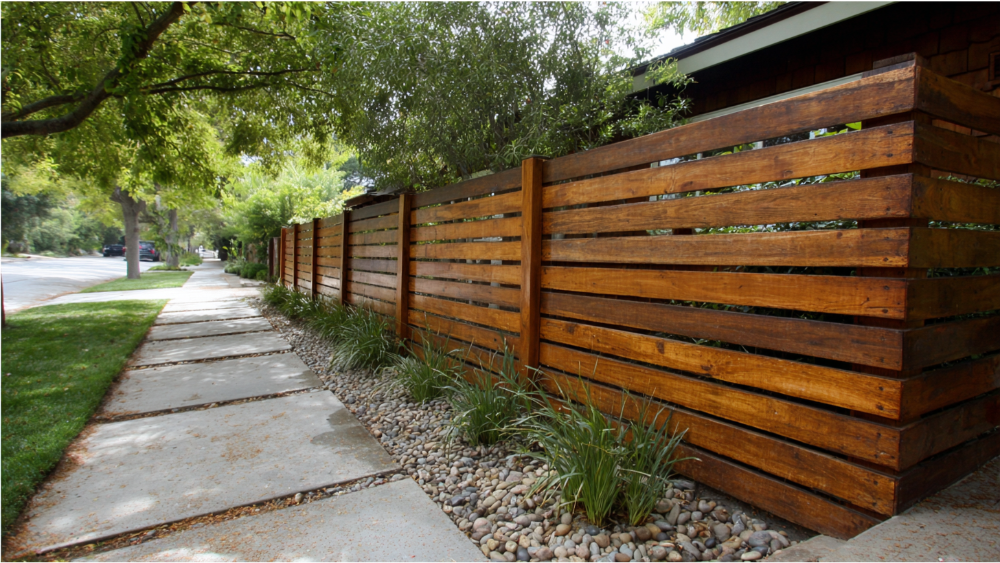
Pros and Cons of Gravel
Gravel provides excellent drainage and prevents moisture buildup. It reduces the chance that fence posts soak in water and helps prevent fence rot over time. Gravel also makes it easier to replace posts without damaging the surrounding area.
Pros and Cons of Concrete
Concrete footings offer strong support and stability, especially for heavy fences. However, if installed incorrectly, concrete can trap moisture and increase moisture penetration into the wood post. This can lead to further deterioration and early fence post rot.
What Professional Contractors Recommend
Most contractors today use a combination of gravel base and properly installed concrete or compacted backfill. The focus is always on proper drainage and preventing excess moisture from staying near the ground line. This balanced approach helps prevent fence posts from rotting and ensures long-term performance.
How Long Should a Wood Fence Post Last?
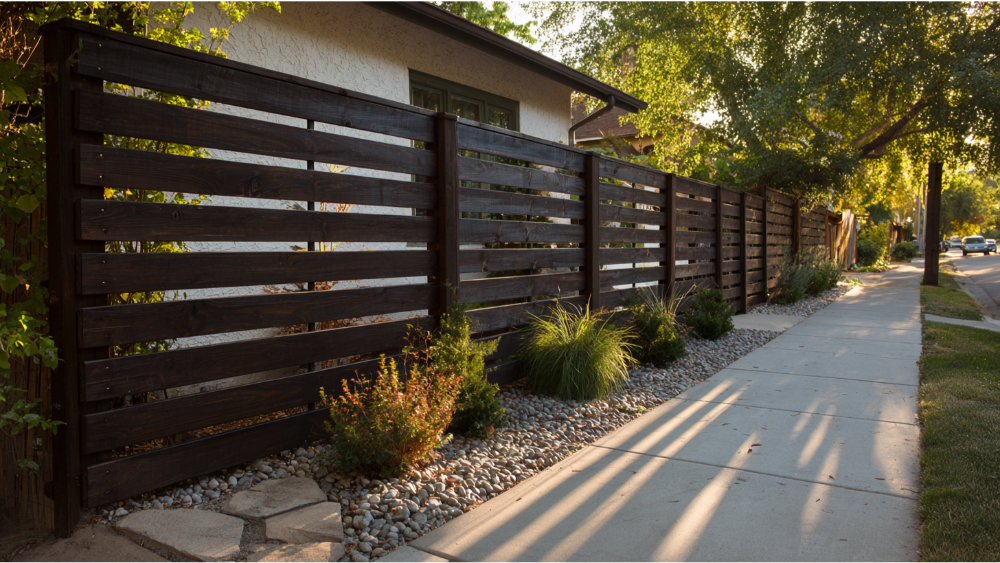
When using pressure-treated posts and proper installation, wood fence posts can last 15 to 25 years or more, especially when paired with thoughtfully designed high privacy fence layouts that match your property’s needs. The lifespan depends on soil conditions, moisture levels, and maintenance. Without proper fence post treatment, posts can fail much sooner due to moisture buildup and fungal growth. Using the right materials and installation methods ensures a long-lasting fence that stays in good shape.
Signs Your Fence Posts Are Starting to Rot
Early signs of fence post rot include leaning fence posts, soft spots near the base, discoloration, and cracks in the wood surface. Soft spots are a clear indicator that wood fibers are breaking down due to moisture absorption. You may also notice insect damage or insect infestation, which often follows rot conditions. Catching these early signs can help prevent further deterioration.
DIY vs. Professional Fence Installation: What’s the Risk?
Common DIY Mistakes That Lead to Rot
Many homeowners attempt to install fence posts without understanding how moisture buildup and ground moisture affect wood. Common mistakes include using untreated wood, skipping a gravel base, ignoring the frost line, and failing to seal exposed areas. These errors lead to fence rot, moisture penetration, and reduced structural integrity, issues that experienced commercial fence contractors in Bothell know how to avoid through proper planning and installation.
Why Professional Installation Saves Money Long Term
Professional contractors use proper installation techniques and the right wood to prevent fence posts from rotting, helping homeowners protect their investment and better understand the overall cost of fencing projects. This reduces the need for costly repairs and ensures the entire fence remains stable, similar to how dedicated commercial fence contractors in Mill Creek prioritize long-term performance for their clients. A properly installed fence will resist rot, insect damage, and prolonged exposure to moisture, saving money over time.
How Inline Security Fence Builds Longer Lasting Fences
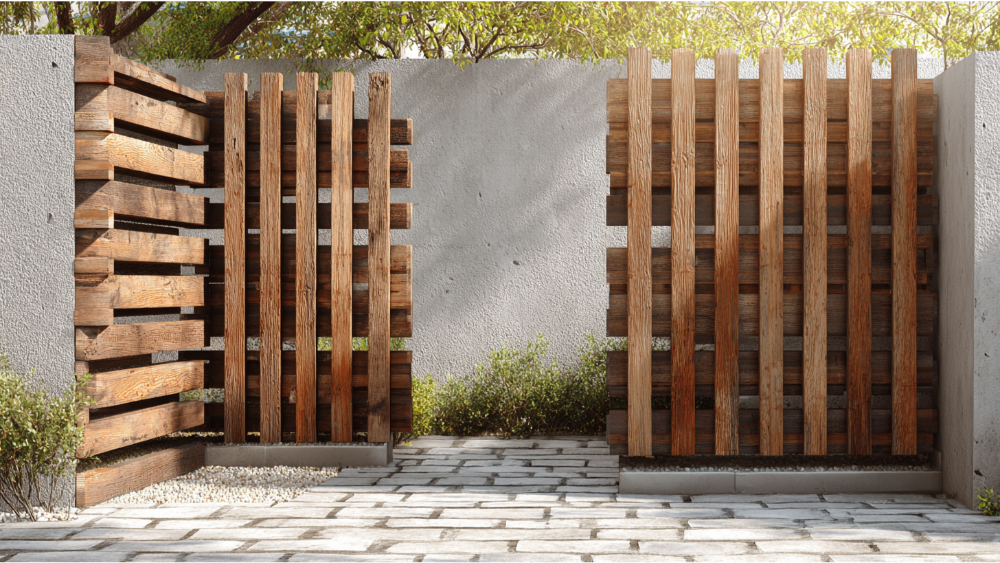
At Inline Security Fence, we focus on building a long-lasting fence by using pressure-treated wood, treated lumber, and advanced fence post treatment methods as part of our commercial and residential fencing services in Seattle. Our team selects the right materials for each project and ensures every wood post is properly installed with attention to drainage and moisture control, continuing Best Built Fence’s legacy of high-quality craftsmanship. We take steps to prevent fence posts from rotting by reducing moisture buildup, sealing exposed wood, and using proven techniques that protect the entire fence from fence rot, while also carrying forward Jimmy’s Fence Company tradition of quality.
FAQs About Preventing Fence Post Rot
Do fence posts rot faster in concrete or soil?
Fence posts can rot in both conditions if moisture buildup is not controlled. Concrete can trap moisture if installed incorrectly, while soil can hold constant moisture if drainage is poor.
Is gravel better than concrete for fence posts?
Gravel often provides better drainage and helps prevent fence post rot. However, both materials can be effective when proper installation is used.
Can you waterproof a wood fence post?
Yes, applying a wood preservative or chemical treatment can reduce moisture penetration and help resist rot and insect infestation.
How deep should fence posts be to prevent rot?
Fence posts should extend below the frost line and follow the one-third depth rule to ensure stability and reduce moisture exposure.
What is the best wood for fence posts?
Pressure-treated wood and naturally rot-resistant wood are the best options because they offer natural resistance to moisture and insect damage.
Are steel fence posts worth it?
Yes, steel fencing systems and metal posts eliminate the risk of wood rot and provide long-term durability.
Final Thoughts: Building a Fence That Lasts
Preventing fence posts from rotting requires the right materials, proper installation, and attention to drainage. When fence posts are properly installed using pressure-treated lumber, protective barrier methods, and adequate drainage, they resist rot and maintain structural integrity for years. Many homeowners underestimate how quickly wood rot can spread when posts are constantly exposed to moisture. By choosing experienced professionals and investing in quality fence post treatment, you can ensure your wood fence stays strong, stable, and in good shape for the long term.