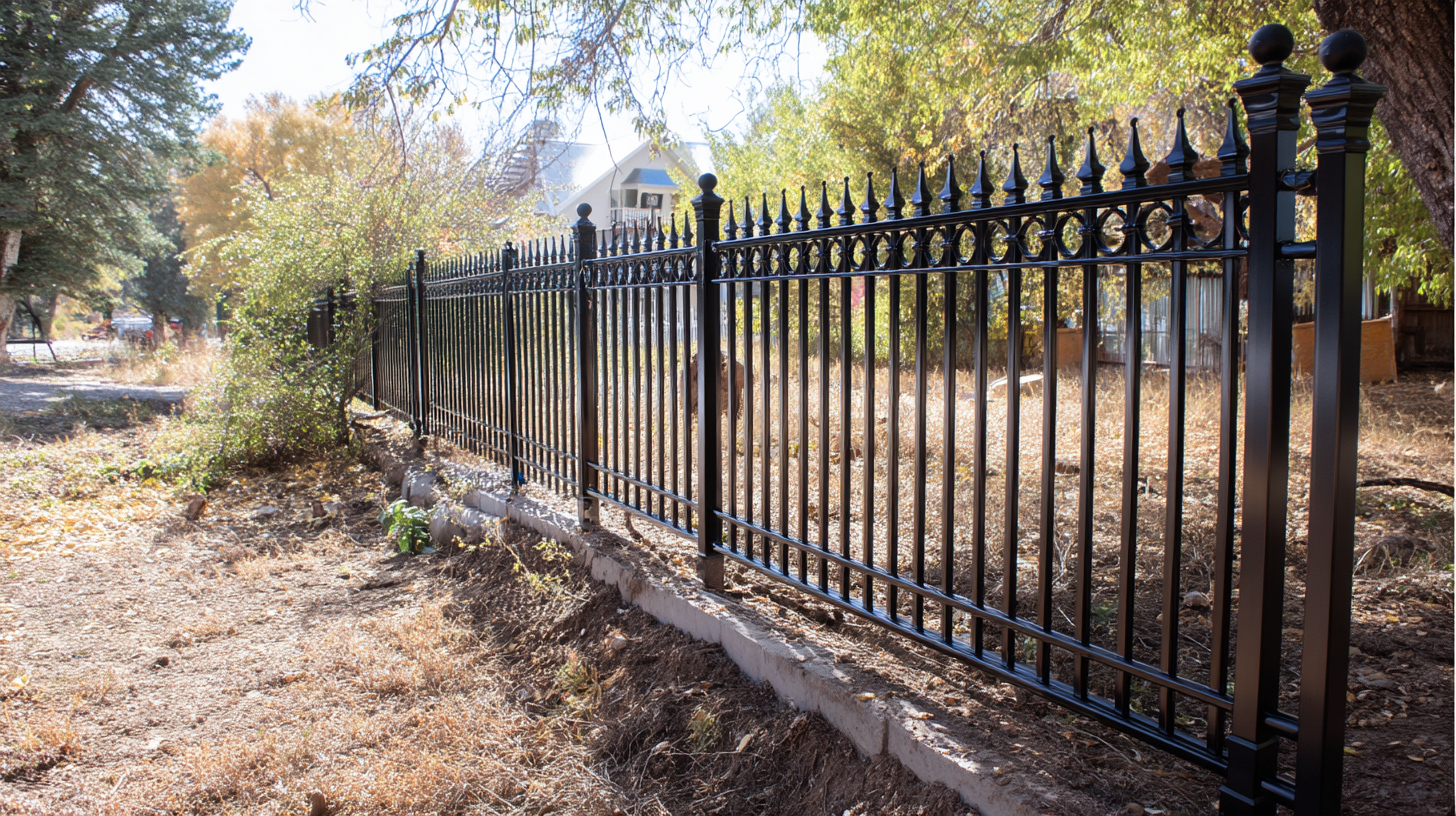
If you are asking how do installers anchor wrought iron fences to concrete, you are already focusing on the most important part of any wrought iron fence installation. The way each fence post is secured into a concrete surface directly affects the stability, durability, and long-term performance of the entire fence.
At Inline Security Fence, we approach every iron fence project with a clear focus on proper installation because even the highest quality wrought iron and aluminum fence systems depend on how well they are anchored. Whether you are enclosing a yard, protecting a house, or defining property lines, the anchoring process is what ensures your fence holds up against weather conditions, moisture, and time, just as using concrete around vinyl fence posts for added stability can be critical in challenging environments.
In this guide, we will discuss the exact process installers use, the tools required, and the methods that create a secure and durable result.
Why Proper Anchoring Matters for Wrought Iron Fences

Every wrought iron fence relies on a secure connection between the post and the concrete slab. Without the right anchors, the fence can shift, loosen, or fail, especially when exposed to changing weather conditions or heavy use.
Installing into a concrete surface requires attention to spacing, depth, and materials. When done correctly, the anchors distribute weight evenly, reducing cracking and improving overall rigidity.
A properly installed iron fence also protects your property and enhances security. Whether installed along grass edges or hardscape areas like driveways and patios, a stable fence provides peace of mind and long-term value.
The Two Main Ways Installers Anchor Wrought Iron Fences to Concrete
Surface Mounting with Base Plates
Surface mounting is the most widely used method to install wrought iron fence systems on an existing concrete slab. Each post is welded to a steel base plate and mounted directly onto the surface of the concrete.
Installers carefully mark each point where the post will sit, ensuring correct spacing and alignment. Using a hammer drill and a masonry bit, they drill holes into the concrete slab. These holes are sized precisely for anchor bolts or concrete anchors.
Once drilling is complete, anchors are inserted into each hole, and bolts are tightened to secure the post firmly in place. This method is ideal for sidewalks, pool decks, patios, and driveways where the surface is already finished.
Surface mounting is efficient, reliable, and allows installers to accommodate a wide range of layouts and property conditions.
Core Drilling or Direct Embedment into Concrete
Core drilling is used when additional strength or a cleaner look is required. Instead of mounting brackets on the surface, installers drill a deep hole into the concrete slab and set the post directly inside.
Core drilling requires specialized tools and precise drilling depth. Once the hole is prepared, it is cleaned thoroughly and filled with epoxy or hydraulic cement before inserting the post.
This method creates a seamless appearance with no visible hardware. It is often used for high-security applications or custom wrought iron designs where aesthetics matter as much as strength.
Types of Anchors Used in Concrete Fence Installation

Wedge Anchors
Wedge anchors are mechanical anchors that expand inside the concrete when bolts are tightened. They create a strong hold and are commonly used when installing wrought iron fence posts on a concrete surface.
Concrete Screw Anchors
Concrete screws are fasteners that cut into the drilled hole. These anchors are often used for lighter aluminum or iron fence installations and provide a faster installation process.
Epoxy Anchors
Epoxy anchors use a bonding material to secure threaded rods or anchor bolts into the hole. This method provides high strength and is often used in core drilling applications or demanding environments.
Why Anchor Selection Matters
Choosing the right anchors depends on several factors including fence height, post size, and the condition of the concrete slab. The right materials improve stability, reduce cracking, and extend the life of the fence.
Step by Step How Professionals Anchor Fence Posts to Concrete
To install wrought iron fence systems correctly, professionals follow a detailed process that ensures accuracy and long-term performance.
- Mark each post location across the concrete surface, ensuring proper spacing along property lines and within the yard.
- Use a hammer drill and masonry bit to drill holes into the concrete slab at each marked point.
- Clean each hole to remove dust and debris, especially when using epoxy anchors.
- Insert concrete anchors or anchor bolts into each hole depending on the method being used.
- Position and level each post before tightening bolts or allowing epoxy to cure.
- Inspect the installation to ensure every post is secure and aligned.
This process ensures the fence is mounted correctly and ready to handle real-world conditions.
Key Factors That Determine the Right Anchoring Method
Concrete Thickness and Condition
The thickness of the concrete slab determines how deep anchors can be installed. Thin slabs may not accommodate certain anchors, while damaged concrete may require repair before installation.
Edge Distance and Spacing
Proper spacing between posts and distance from slab edges is critical. Anchors placed too close to the edge increase the risk of cracking and reduce long-term performance.
Fence Height and Load Requirements
A tall wrought iron fence or security fence requires stronger anchors and deeper embedment compared to a standard yard fence, particularly for businesses that rely on a commercial fence contractor in Auburn for high-security installations.
Outdoor Exposure and Corrosion Resistance
Outdoor installations require materials that resist rust and moisture. Proper sealing and hardware selection help protect the fence and reduce maintenance over time.
Common Mistakes to Avoid When Anchoring to Concrete

Mistakes during installation can reduce the life of your fence and damage the concrete surface.
- Installing into weak or deteriorating concrete that cannot support the load.
- Drilling incorrect hole size or depth, reducing anchor strength.
- Skipping proper hole cleaning when using epoxy anchors.
- Improper spacing or alignment of posts across the slab.
- Ignoring manufacturer instructions for anchors and fasteners.
Avoiding these mistakes ensures a durable and stable iron fence installation, much like following best practices in wood fence replacement, from planning to installation helps your fence last longer.
Surface Mount vs Core Drill: Which Is Better?
Surface mounting is typically faster and more cost-effective for most residential projects. It works well on existing concrete surfaces like patios, sidewalks, and pool decks.
Core drilling provides a cleaner look and increased strength but requires more time, tools, and precision. The right method depends on your property, the slab condition, and your overall project goals.
Can You Install a Wrought Iron Fence on Any Concrete Surface?
Not every concrete surface is suitable for installing a wrought iron fence. Driveways, patios, sidewalks, and pool decks can support a fence if the slab is thick enough and free of major cracking.
If the concrete is too thin or damaged, additional work may be required to fill, seal, or reinforce the area before installation, a consideration that also applies when a commercial fence contractor in Medina designs secure installations.
Do You Need a Professional for Concrete Fence Installation?

Installing a wrought iron fence on concrete requires precision, experience, and the right tools. A professional understands how to drill holes correctly, select the right anchors, and ensure proper installation from start to finish, which is especially important for a commercial fence contractor in Kent handling complex projects.
DIY installation often leads to uneven posts, weak anchoring, and costly repairs. Hiring a professional ensures your fence is secure and built to last, especially when you work with a company continuing Best Built Fence’s legacy of excellence in installation quality.
Why Choose Inline Security Fence for Concrete Fence Installation
Inline Security Fence focuses on delivering durable and secure fencing solutions, backed by a family-owned team with over 15 years of fencing experience. Every wrought iron fence we install is built with high-quality materials and installed using proven anchoring methods.
We work with both wrought iron and aluminum systems, ensuring each post is mounted correctly on the concrete surface to maximize stability and performance, while also carrying forward Jimmy’s Fence Company tradition of quality service.
Whether you are installing around a house, yard, or commercial property, we ensure your fence protects and enhances your space, similar to how our team supports businesses as a leading commercial fence contractor serving Bothell properties.
FAQs About Anchoring Wrought Iron Fences to Concrete
How deep do anchors need to go into concrete?
Anchor depth depends on the type of anchors and the load requirements. Proper depth improves stability and reduces movement.
Can you install a fence on an old or cracked slab?
It depends on the condition of the concrete slab. Minor cracking can sometimes be managed, but severe damage may require repair.
What is the strongest way to anchor a metal fence post?
Epoxy anchors installed with proper depth and clean holes often provide the highest strength.
How long do concrete anchors last outdoors?
With proper materials and installation, anchors can last for decades even with exposure to moisture and changing weather conditions.
Can wrought iron fences be installed on retaining walls?
Yes, but the structure must be strong enough to support the fence and anchors.
Do anchored fences damage concrete over time?
When installed correctly, anchors should not damage the concrete surface.
Is epoxy stronger than mechanical anchors?
Epoxy can provide greater strength, but only when the hole is properly cleaned and prepared.
Final Thoughts: Getting a Fence That Lasts Decades
Anchoring a wrought iron fence to concrete is the foundation of a successful installation. From drilling holes to selecting anchors, every step plays a role in long-term durability.
A properly installed iron fence offers stability, security, and a clean appearance that enhances your property, and understanding the overall cost of fencing, from materials to labor can help you plan a project that fits your budget.
Get a Quote for Wrought Iron Fence Installation
If you are planning to install wrought iron fence systems on a concrete slab, Inline Security Fence is ready to help. Our team handles the full process, from layout to final installation, ensuring every post is secure and properly mounted.
Contact us today to start your project and build a fence designed to last for years.