Understanding how installers secure metal fence panels to posts is essential when evaluating any modern fencing system built for durability, security, and long-term performance. In most professional installations, fence panels are not simply screwed into place. Instead, installers use engineered connection methods that transfer load from fence panels into fence posts and then into the ground through concrete or compacted soil. The strength of the entire fence depends on this connection point, along with correct post spacing, precise measurement, and proper installation techniques that account for wind, soil movement, and environmental conditions. So, when considering how do installers secure metal fence panels to posts, it’s clear they rely on a combination of bracket systems, fasteners, and secure post foundations to ensure lasting stability.
Why Proper Fence Panel Attachment Matters
Structural Integrity and Wind Resistance
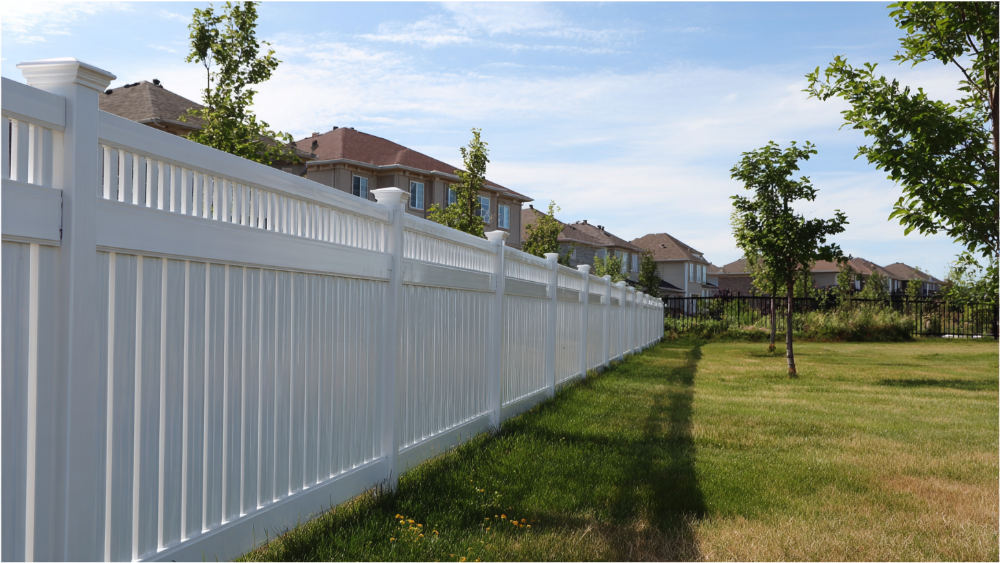
Every fence relies on properly set posts and securely attached fence panels to maintain structural integrity. When installers attach fence panels, they must ensure fence posts are embedded deep enough into the ground, typically at least one third of the total post length, to provide added stability. Wind pressure creates force across fence panels, which transfers through brackets, screws, rails, and connectors into metal posts or wood posts depending on the system. Without proper installation, fence panels can loosen over time and cause costly damage to the entire fence system.
Security and Anti-Tampering Performance
Fence systems designed for security require more than basic fastening. Whether using aluminum, steel, or wrought iron materials, the attachment between fence panels and fence posts must resist tampering and forced entry. Gate posts are especially important because they carry additional movement and stress. These posts are typically reinforced with deeper post holes and additional concrete for long-term durability and stability.
Long-Term Durability and Maintenance Reduction
Durability depends heavily on correct installation practices and quality materials. Galvanized steel components are commonly used because they resist rust and corrosion over time. In colder climates, soil expansion and contraction can shift posts, making proper depth and concrete anchoring essential. A properly installed fence reduces maintenance, prevents premature failure, and extends the lifespan of the entire fence system.
Main Methods Installers Use to Secure Fence Panels to Posts
Bracket-Based Installation Systems
Bracket systems are one of the most efficient ways installers attach fence panels to fence posts. These systems use engineered brackets that connect panels using screws or bolts, creating a strong and adjustable connection.
Installers begin by measuring post locations carefully using a measuring tape and marking the fence line with a string line before digging post holes. Once fence posts are set, brackets are attached and fence panels are inserted and secured. This system is widely used for aluminum fencing, steel fencing, and wrought iron fence designs because it balances strength, appearance, and flexibility.
Bracket systems also allow precise spacing between panels, which improves alignment and ensures consistent layout across the entire fence line. This is especially important for residential fences where appearance and curb appeal matter.
Self-Tapping Screws and Direct Fastening
Direct fastening systems use screws to attach fence panels directly to fence posts. This method is often used for lightweight aluminum fencing or simpler residential installations where speed is a priority.
Installers use self-tapping screws to secure panels directly into metal posts without requiring complex bracket systems. While this method is efficient, it requires precise spacing and accurate alignment during installation. Any miscalculation in layout can create gaps or uneven fence panels that reduce both appearance and security.
Welding and Heavy-Duty Commercial Installation
Welding is used in high-security and industrial fence systems where permanent strength is required. In these applications, fence panels are permanently welded to steel posts or reinforced mounting plates.
This method is common in commercial gates, perimeter security fencing, and industrial facilities where tampering resistance is critical. Welded systems are typically combined with concrete-set posts to ensure maximum stability. Once installed, these systems are extremely strong but less flexible for future modifications.
Clip and Tension Systems for Mesh Fencing
Mesh and wire fence systems use clips or tension ties to secure panels to posts. These systems are commonly used in agricultural fencing, lightweight security fencing, and temporary enclosures.
Fence panels are stretched along the fence line and secured at intervals to maintain consistent tension. Over time, these systems may require adjustment to maintain stability and prevent sagging.
Step-by-Step Installation Process
Planning and Layout
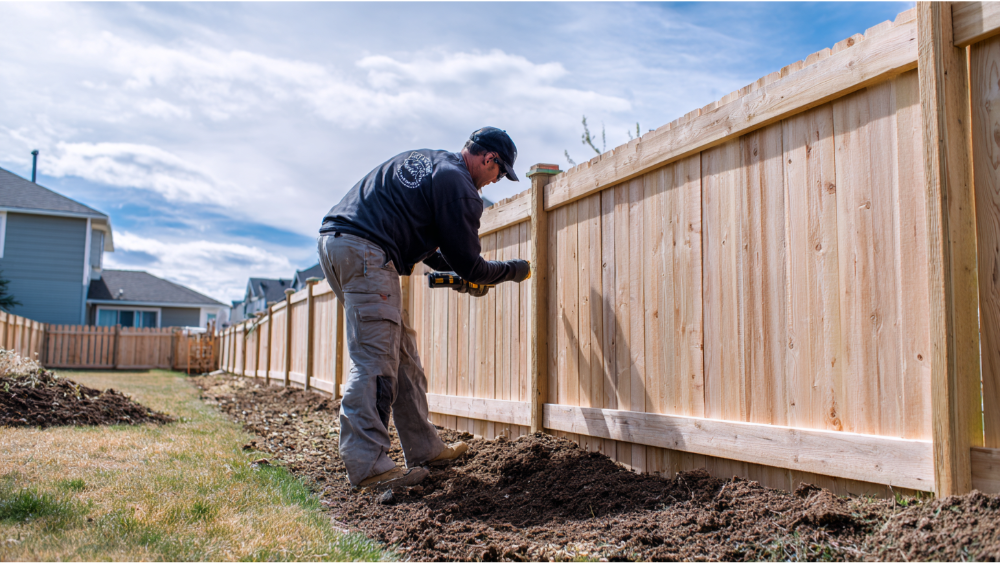
Every fence project begins with careful planning. Installers evaluate post locations, gate positions, soil conditions, and any underground utility lines before beginning installation. A string line is used to mark a straight fence line, ensuring consistent layout and alignment before digging begins.
Accurate planning ensures proper spacing between fence posts and prevents issues later in the installation process. This step is essential for both residential and commercial fence systems.
Digging Post Holes and Setting Fence Posts
Installers dig post holes using a post hole digger or mechanical equipment for larger projects. Hole depth is critical for stability and must typically reach at least one third of the post length.
Fence posts are then placed into the holes and aligned using a post level. Concrete is mixed using a concrete mix and poured into each hole to secure the posts in place. Proper mixing ensures strength and long-term durability.
Gate posts require additional reinforcement because they support moving gates and experience repeated stress. These posts are often set deeper and secured with additional concrete for added stability.
Installing Fence Panels
Once fence posts are set and concrete has cured, installers begin attaching fence panels. Panels are carefully positioned along the fence line and secured using brackets or fasteners depending on the system.
Aluminum fence systems are commonly used in residential installations because they are lightweight, rust resistant, and improve a home’s curb appeal. Steel and wrought iron systems are more commonly used in security-focused installations where strength is the priority.
Securing Fence Panels to Posts
Installers attach fence panels using brackets, screws, or welded connections depending on the system design. Each panel is checked for alignment and spacing before final tightening.
Proper installation ensures there are no gaps between fence panels and fence posts. This step is critical for both appearance and structural performance.
Final Inspection and Reinforcement
After installation, the entire fence system is inspected for alignment, stability, and security. Installers check for loose screws, rust exposure, or uneven spacing. Adjustments are made where needed to ensure a stable fence system that performs under pressure.
Materials and Tools Used in Fence Installation
Fence installation relies on a combination of durable materials and specialized tools. Galvanized steel and aluminum are commonly used because they resist rust and provide long-term strength. Wrought iron is used in decorative and security-focused fence systems where durability and style are both important.
Concrete is used to anchor fence posts into the ground, providing stability against wind and soil movement. Proper concrete application ensures fence posts remain secure even under heavy load conditions.
Installers use tools such as measuring tape, post hole diggers, post drivers, string line, and post levels to ensure accurate installation. These tools help maintain proper alignment, spacing, and depth throughout the installation process.
Common Installation Mistakes to Avoid
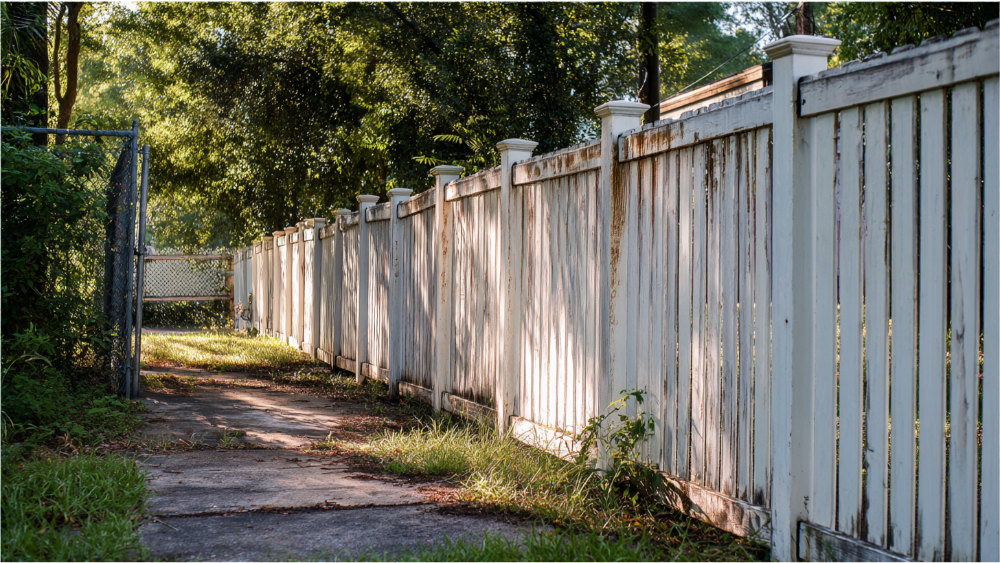
Incorrect spacing between fence posts is one of the most common issues in fence installation. Poor spacing can cause fence panels to sag or fail to fit properly.
Using low-quality materials increases the risk of rust and structural failure over time. Improper concrete mixing can weaken post foundations and reduce long-term stability. Failure to account for wind load or soil movement can also compromise the entire fence system.
Residential vs. Commercial Fence Systems
Residential fence systems typically focus on appearance and property definition. Aluminum fencing is commonly used because it improves curb appeal while remaining low maintenance. Privacy fences are also popular in residential applications.
Commercial fence systems prioritize security and structural integrity. These systems often use steel posts, reinforced brackets, and welded fence panels for maximum strength. Gate systems in commercial environments are heavily reinforced due to frequent use and higher security demands.
Environmental Factors Affecting Fence Performance

Wind, moisture, and soil movement all affect fence performance. In colder climates, freeze-thaw cycles can shift fence posts and affect alignment. Proper installation techniques help reduce these risks by ensuring deeper post holes and reinforced concrete foundations.
Rust is another major concern, especially for untreated steel components. Using galvanized steel and protective coatings helps extend the lifespan of the fence system and reduce maintenance requirements.
How to Tell if Fence Panels Are Properly Secured
A properly installed fence will have evenly spaced posts, tightly secured fence panels, and no visible movement when pressure is applied. Installers inspect the entire fence line to ensure consistency and stability.
Why Professional Installation Matters
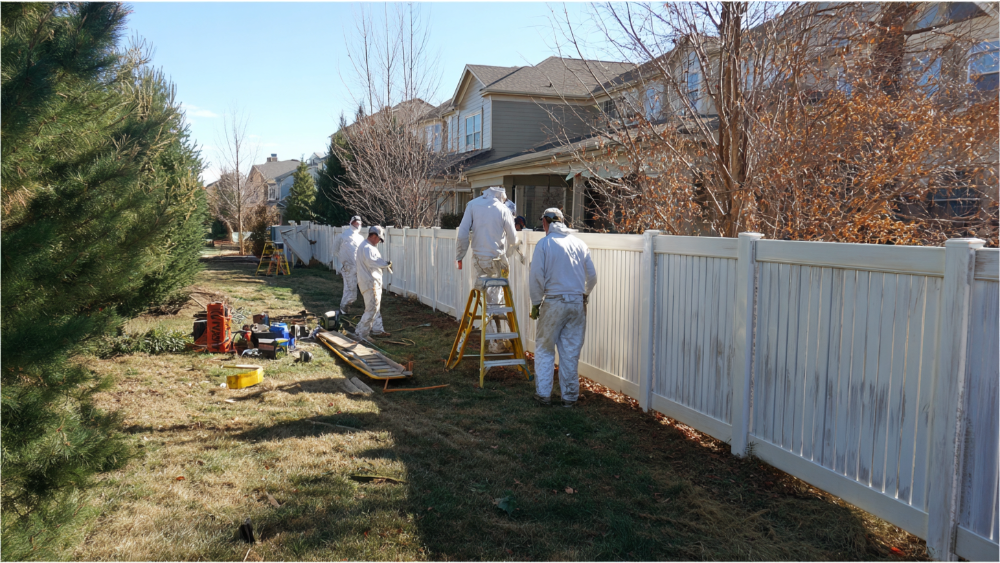
Professional fence installation ensures that every component is installed according to proper engineering standards. Installers understand how soil conditions, materials, and environmental elements affect fence performance.
Proper installation improves security, extends lifespan, and reduces long-term repair costs. A well-built fence is not only a boundary but also a long-term investment in safety and property value.
Inline Security Fence delivers professional fence installation solutions built for strength, precision, and long-term performance across residential, commercial, and industrial applications.
Frequently Asked Questions
What is the recommended spacing between fence posts for metal panels?
For most residential metal fence panels, installers typically space posts about 72.5 inches center-to-center. However, this can vary based on panel size, local regulations, and environmental factors such as wind or soil type.
How deep should post holes be when securing metal fence posts?
Post holes should generally be at least one third the total length of the post to ensure stability. For example, an 8-foot post requires a hole about 30 inches deep. Deeper holes may be necessary in areas with steeper slopes or unstable soil.
Should concrete be used to secure metal fence posts?
Yes, pouring concrete into post holes is a common and effective method to secure metal fence posts. Proper mixing of concrete following the manufacturer’s instructions ensures a strong footing that withstands soil movement and weather conditions.
Can pre-assembled fence panels be used with metal posts?
Absolutely. Pre-assembled sections simplify installation and ensure consistent quality. They are commonly attached to metal posts using brackets or self-tapping screws, depending on the post type and fence design.
What materials are needed to secure metal fence panels to posts?
Typical materials include galvanized or stainless steel self-tapping screws, metal brackets designed for the specific post type, concrete mix for setting posts, and sometimes repair brackets for reinforcing weak posts.
How do installers handle uneven terrain when securing fence panels?
On steeper slopes, installers often use stepped or racked panel installation methods. Stepped panels are installed level with gaps filled as needed, while racked panels are angled to follow the slope, maintaining a consistent fence height and appearance.
Conclusion
Properly securing metal fence panels to posts is a critical step in ensuring a durable, secure, and visually appealing fence. Installers rely on careful planning, precise post spacing, and the correct use of materials such as brackets, self-tapping screws, and concrete to anchor posts firmly. Whether using pre-assembled sections or custom panels, adherence to manufacturer’s instructions and local regulations ensures a long-lasting installation that withstands environmental challenges like wind, moisture, and soil movement. By understanding these methods and materials needed, property owners can appreciate the expertise involved in professional fence installation and the importance of quality workmanship for lasting performance.