Why Fence Height Matters for Residential Security
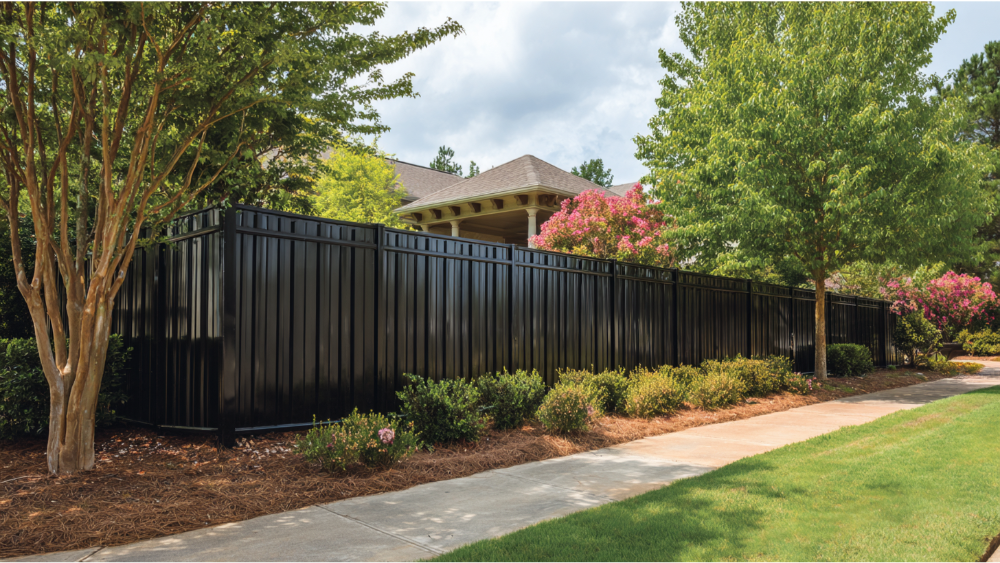
Understanding how tall security fencing should be for residential properties is one of the most important decisions homeowners make when planning a new fence. Fence height affects security, privacy, curb appeal, compliance with local rules, and long-term property value. While many homeowners assume a taller fence automatically provides better protection, the reality is that fence performance depends on a combination of fence height, design, material, and local regulations.
A fence defines property boundaries, helps restrict access, and creates a safe space for families, pets, and outdoor living areas. In both commercial and residential settings, the correct fence height must balance safety, aesthetics, and compliance with zoning requirements. Most homeowners will install a fence around six feet tall in backyard areas, but the right height depends on many important factors including property layout, neighborhood residential zones, and intended security level. When considering how tall should security fencing be for residential properties, it is crucial to evaluate these aspects carefully to ensure the fence meets all functional and regulatory needs.
Standard Residential Fence Height Guidelines
Fence height standards vary depending on whether the fence is placed in the front yard, backyard, or side yard. Most local building department codes and local rules regulate fence height to ensure safety, visibility, and neighborhood consistency.
Front Yard Fence Height Standards
A front yard fence is typically limited to three to four feet tall because it must protect sightlines and maintain curb appeal. Front yard fences are designed to define property boundaries without blocking views of sidewalks, driveways, or streets. Local regulations often restrict maximum fence height in the front yard, and many homeowners need a permit if they attempt to exceed these limits. Front yard fences are usually decorative and used for delineating property lines rather than full privacy or security.
Backyard Fence Height Standards
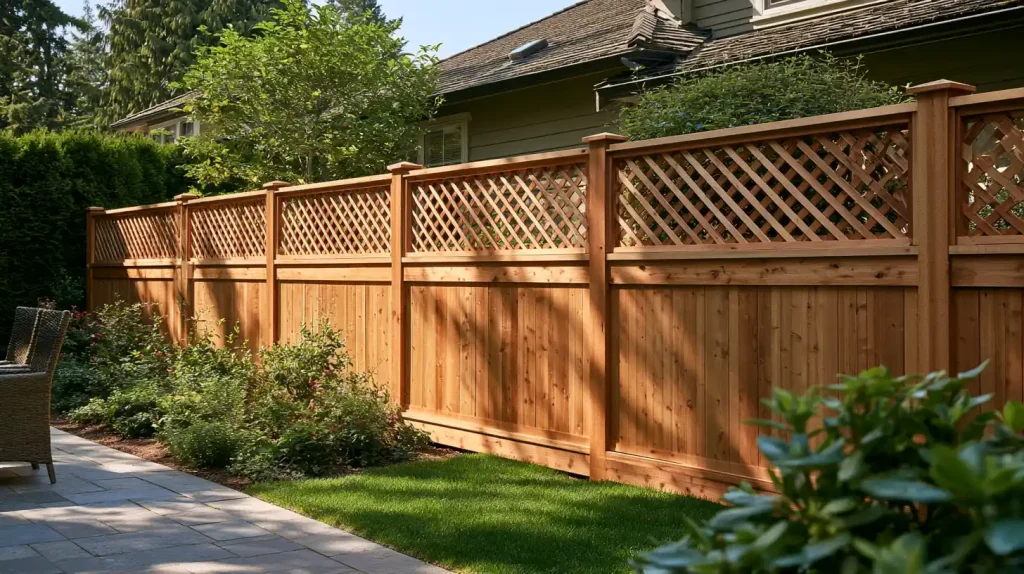
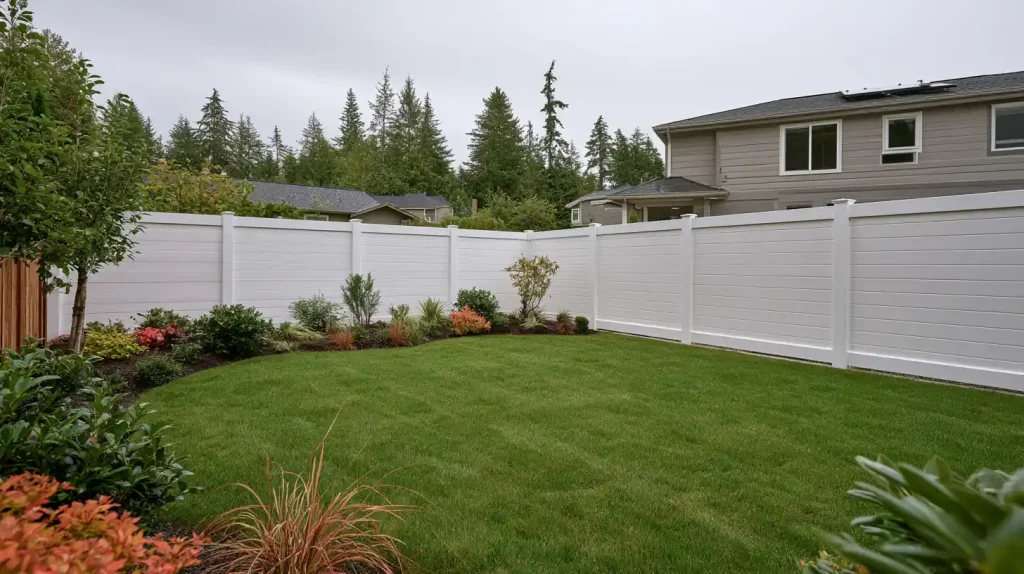
Backyard fences are the most common location for privacy and security improvements. In most residential properties, backyard fences are typically around six feet tall. This height provides a strong visual barrier, helps increase privacy, and supports safe outdoor use for pets and children. Backyard privacy fences are also commonly installed along property boundaries to separate homes and create defined outdoor spaces.
Side Yard Fence Height Consistency
Side yard fences usually match backyard fence height at around six feet tall. This creates a consistent perimeter around the property and improves both appearance and function. Side yard fences are especially important for homes with corner lots, where additional rules may apply to protect sightlines and ensure safe access near streets and intersections.
Recommended Fence Heights for Security Purposes

When evaluating how tall security fencing should be for residential properties, it is important to understand that fence height alone does not determine security. Instead, security effectiveness depends on fence height combined with design, material, and installation quality.
Minimum Effective Security Height – Six Feet
A six-foot fence is widely considered the standard for residential security fence installations. At this height, a fence provides a strong visual barrier and discourages casual intrusion. Many homeowners choose this option because it balances privacy, cost, and compliance with local rules and regulations. A six-foot fence is also commonly accepted in most residential settings without requiring complex permits, depending on local rules.
Enhanced Security – Seven to Eight Feet
A taller fence in the seven to eight feet range provides added security and increased privacy. This fence height is often chosen for larger properties or homes with higher security needs. A fence height of eight feet or slightly below can significantly reduce visibility into the property and create a stronger deterrent effect.
However, a taller fence often requires a construction permit and must comply with height limits established by local regulations and zoning codes. Many homeowners in neighborhood residential zones use this option when they need extra protection or want increased privacy around their yards.
High Security Residential Applications – Above Eight Feet
Fence height above eight feet is typically used in high security situations. These installations require careful engineering, reinforced posts, and durable materials such as steel or chain link systems. A taller fence at this level must meet strict regulations and may require approval from the local building department before installation.
In some cases, properties in flood-prone areas or larger estate properties may require specialized fence designs that consider wind load, spacing, and structural reinforcement. At this height, proper installation is essential to ensure long-term durability and stability.
What Actually Determines the Right Fence Height
Choosing the correct fence height depends on multiple important factors that influence both design and compliance.
Local Rules and Building Codes
Local rules are one of the most important factors in determining fence height. Most municipalities enforce maximum fence height limits, especially in the front yard. Local guidelines ensure that fences do not block views, interfere with traffic safety, or violate neighborhood residential zones.
HOA Rules and Community Restrictions
Many homeowners must also comply with HOA rules that regulate fence height, style, and material. These rules often reinforce or tighten local regulations and may require approval before a new fence is installed.
Property Layout and Sightline Protection
Property layout plays a major role in determining fence height. Corner lots and properties near intersections must follow strict visibility rules to protect sightlines for drivers and pedestrians. Front yard fences near driveways or street corners often have lower height limits to ensure safe access.
Security Needs and Property Usage
Security requirements vary by property type and homeowner preference. Some properties require basic privacy, while others need stronger protection for pets, dogs, or outdoor equipment. The right fence height depends on how much privacy and security the homeowner wants to achieve.
Why Taller Isn’t Always Better in Residential Security Fencing
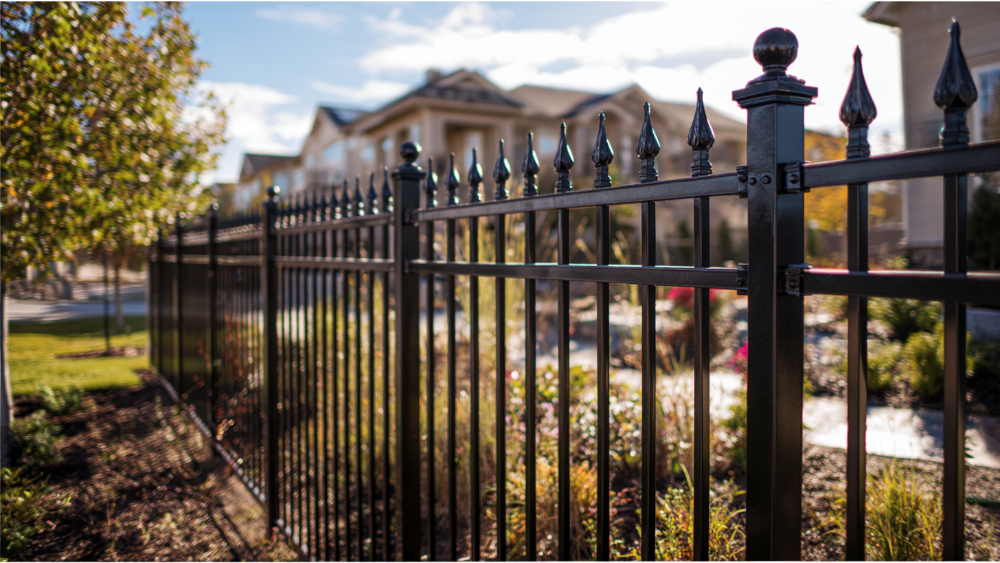
A common misconception is that a taller fence automatically provides better security. In reality, fence effectiveness depends more on design and material quality than height alone.
The Myth of a Taller Fence Equals Better Security
A taller fence can increase privacy, but it does not always improve security. In some cases, poorly designed tall fences create weak points or reduce visibility for homeowners. A well-designed six-foot fence can provide better overall protection than a taller fence with weak structural integrity.
Anti-Climb Design vs Fence Height
Anti-climb design features such as vertical picket alignment, smooth surfaces, and tight spacing can significantly improve security without increasing fence height. These design features make it more difficult to climb and enhance overall protection for residential properties.
Structural Integrity and Wind Load Considerations
As fence height increases, structural demands also increase. A taller fence requires stronger posts, deeper installation, and more spacing between supports. Without proper engineering, taller fences may become unstable in strong wind conditions and reduce long-term durability.
Best Materials for Residential Security Fencing
Material selection is essential for both security performance and durability.
Steel Fence Systems
Steel fencing provides maximum strength and durability. It is commonly used in both residential properties and commercial applications where high security is required. Steel is resistant to impact and provides long-lasting protection.
Aluminum Fence Systems
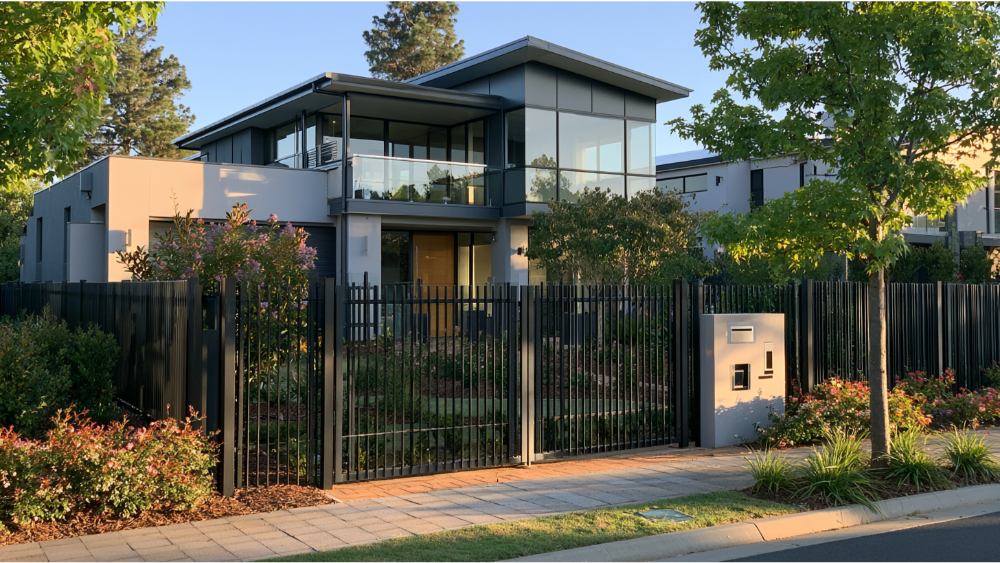
Aluminum fencing offers a balance of strength, style, and corrosion resistance. It is commonly used in residential settings where appearance and curb appeal are important while still maintaining a strong perimeter.
Chain Link Fence Systems
Chain link fencing is a cost-effective and durable option for residential properties. It is often used for yard fences, pet containment, and general perimeter security. Chain link can also be upgraded with privacy slats or reinforced coatings for additional security.
Wood Fence Options
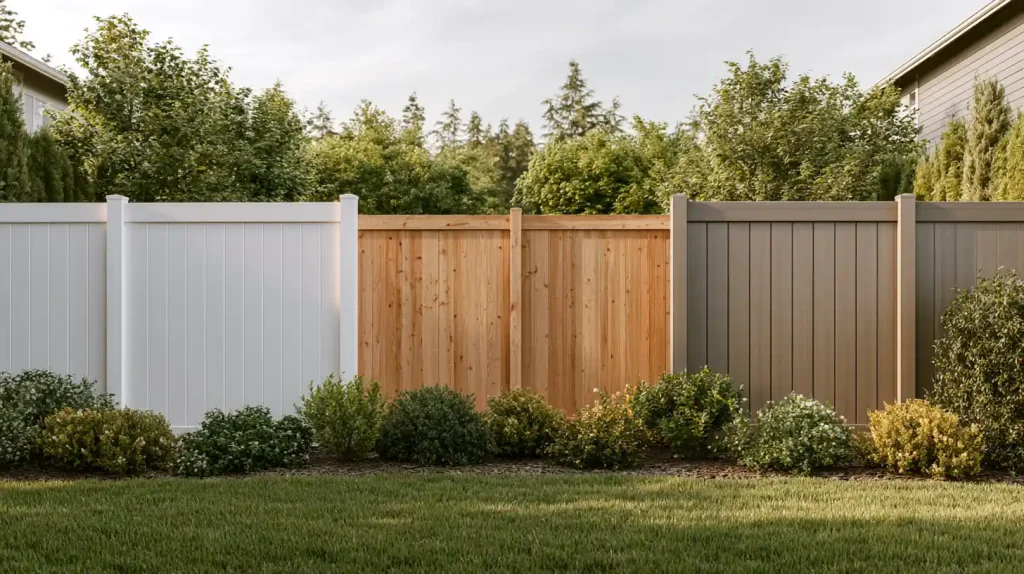
Wood fencing is widely used for privacy and aesthetic appeal. It is popular for backyard privacy fences and helps increase privacy in residential yards. However, wood may require more maintenance compared to metal options.
Design Features That Improve Security Beyond Height
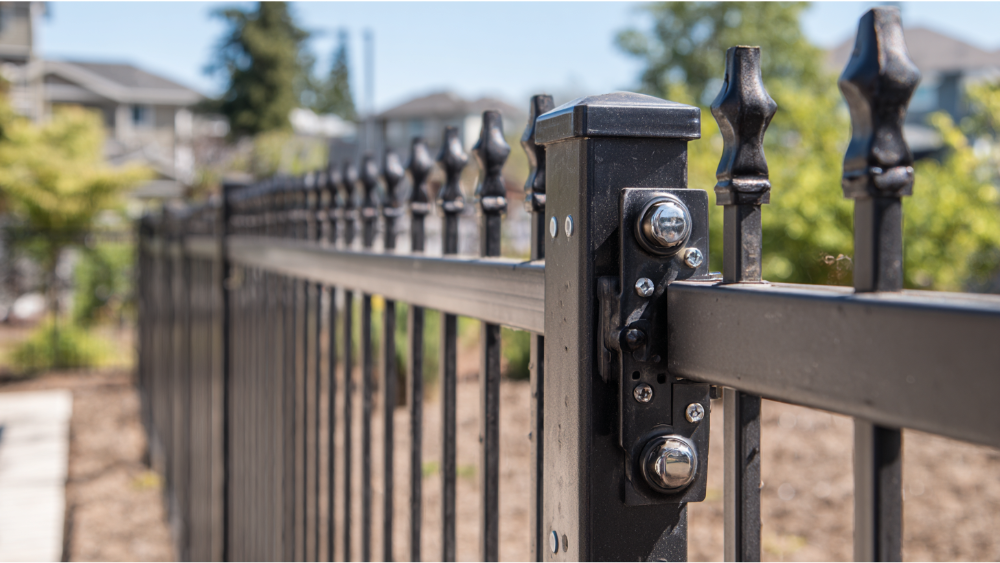
Fence height is only one part of a complete security system. Additional design features can significantly improve performance.
Anti-Climb Design Features
Anti-climb designs reduce the ability to scale a fence and provide additional protection for residential properties. These features are especially useful in homes with pets and children.
Gates and Entry Points
Gates are one of the most important access points in any fence system. Strong gates with secure locking mechanisms are essential for controlling access and maintaining perimeter security.
Fence Toppers and Deterrents
Fence toppers can provide additional deterrence in some areas, depending on local rules. These features help discourage climbing and improve overall security performance.
Lighting and Visibility Improvements
Proper lighting improves visibility and enhances security around front and back yards. Lighting also increases safety and reduces dark areas around the property.
Residential Fence Height Compliance Overview
Fence height compliance varies by municipality, but most residential properties follow similar rules. Six feet is commonly the standard maximum height for backyard fences without a permit, while taller fences require approval from the local building department.
Local regulations may also affect fences near property boundaries, raised deck structures, or retaining wall systems. Homeowners should always confirm requirements before installing a new fence to ensure compliance.
How to Choose the Right Fence Height for Your Home
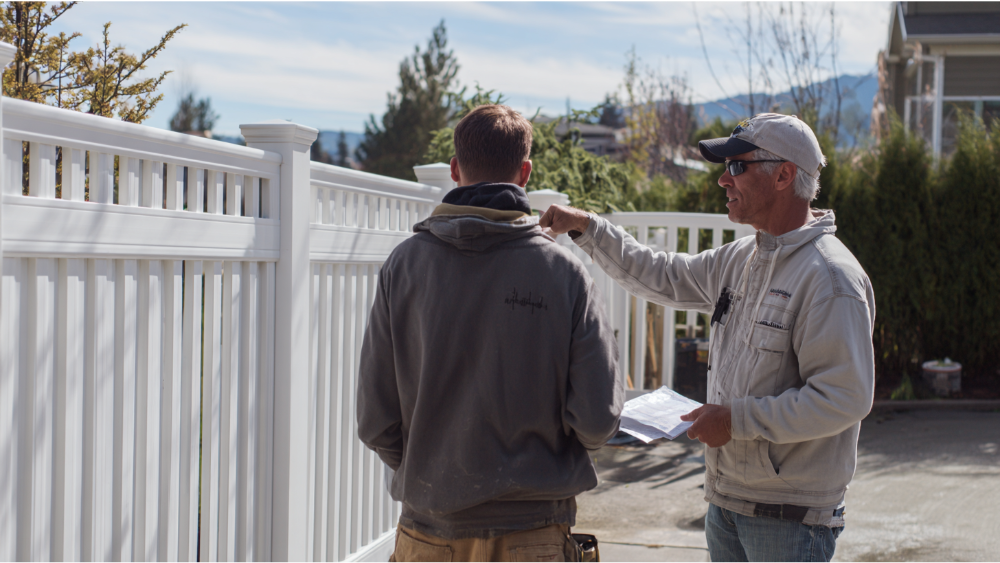
Choosing the right fence height requires careful planning. Homeowners should first evaluate security needs, including pets, dogs, and privacy requirements. Next, they should review local rules and zoning regulations. After that, selecting the right material and style is important for both durability and appearance. Finally, working with experienced installers ensures compliance and proper installation.
Common Mistakes Homeowners Make
Many homeowners make avoidable mistakes when selecting fence height. These include failing to check local rules, ignoring permit requirements, focusing only on height instead of design, and choosing weak gate systems. These mistakes can reduce security and lead to unnecessary costs.
Frequently Asked Questions
What is the average height for residential security fencing?
The average height for residential security fencing is typically six feet. This height balances privacy, security, and compliance with most local regulations, making it the standard choice for backyard and side yard fences.
Are there different fence height requirements for pool fences?
Yes, pool fences usually have specific height requirements that differ from general residential fences. Many areas require pool fences to be at least four feet tall with self-closing gates to ensure safety and prevent accidental access, especially for children.
Can fence height regulations vary between front and back yards?
Absolutely. Front yard fences are commonly limited to three to four feet to maintain visibility and safety, while backyard fences can be taller, often six feet or more, to provide privacy and security. It’s important to check local zoning and HOA rules for exact limits.
Is extra height always better for security fencing?
Not necessarily. While taller fences can enhance privacy and deter intrusion, design features like anti-climb elements and strong materials often have a bigger impact on security. Additionally, taller fences may require permits and can be more expensive to install and maintain.
How do local rules affect fence height choices?
Local building codes, zoning laws, and HOA regulations significantly influence fence height limits. These rules ensure safety, sightline preservation, and neighborhood consistency. Always verify local requirements before installing a fence to avoid fines or having to remove or alter your fence.
Can fence height be averaged on sloped lots?
In some municipalities, including Seattle, fence height can be averaged along the slope, allowing parts of the fence to be taller while keeping the overall average within permitted limits. This provides more flexibility in design on uneven terrain.
Conclusion
Determining how tall security fencing should be for residential properties involves balancing privacy, security, local regulations, and aesthetic preferences. While six feet is the standard height offering effective protection and compliance, factors such as property layout, neighborhood rules, and specific needs may call for adjustments. Understanding local codes, considering the purpose of your fence, and selecting appropriate materials and designs will help you achieve the best height for your home. Consulting with professionals and reviewing community guidelines ensures your fence not only enhances security but also complements your property and complies with all regulations.