Every property is different, and that is exactly why the question how do contractors design custom fences for unique properties is so important for any property owner planning a fence project. A fence is not just a boundary; it is a critical part of your outdoor space that provides security, defines property lines, and enhances curb appeal. At Inline Security Fence, every custom fence involves a strategic approach that balances durability, function, and design. From material selection to layout, contractors create a fence that aligns with your needs and preferences while improving property value and long-term performance, backed by an experienced, family-owned fencing team.
Why Custom Fence Design Matters for Unique Properties
The Limitations of Standard Fence Installations
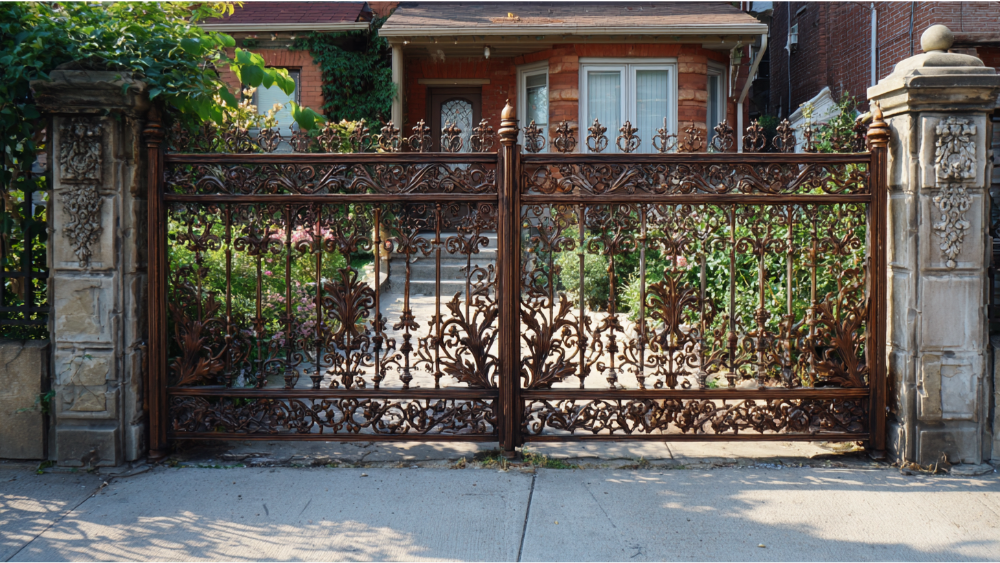
Standard fence solutions often fail on properties that are not perfectly flat or symmetrical. These systems are not designed to adapt to terrain, which can lead to gaps, instability, and poor visual appeal. A well-designed fence follows the natural layout of the land and ensures consistency across the entire fence line, incorporating modern lines that complement the home’s style.
How Property Layout Impacts Performance
Every outdoor area has unique characteristics that significantly influence how a fence performs. Slopes, soil conditions, and drainage patterns all affect installation techniques. Contractors use this information during the design process to ensure the fence complements the property’s aesthetics while remaining structurally sound. They also consider how climbing vines or other landscaping features might interact with the fence design.
When a Custom Fence Is Necessary
Custom fence designs are necessary when dealing with elevation changes, irregular property lines, or specific security requirements. Whether the goal is to create a fence for maximum privacy and protection, customization options allow contractors to build a solution that meets both functional needs and aesthetic appeal, while adhering to local zoning laws that regulate fence height and placement.
Step-by-Step: How Contractors Approach Custom Fence Design
1 | On-Site Evaluation and Property Assessment
The process starts with a detailed inspection of the property. Contractors evaluate terrain, identify obstacles, and confirm property lines. This step helps prevent issues during installation and ensures the fence is built to last.
2 | Understanding Your Goals
Contractors work closely with each property owner to understand their needs and preferences. Some prioritize security, while others focus on visual appeal or decorative purposes. This collaboration helps create a fence style that reflects the property owner’s personal style and functional needs, incorporating custom designs that enhance the overall look.
3 | Navigating Codes and Local Regulations
Local regulations and zoning laws must be followed during any fence installation. Contractors ensure compliance with height restrictions and placement requirements while maintaining a visually appealing design.
4 | Designing Access and Flow
Access points are a critical part of the layout. Custom gates are designed to support daily use while maintaining security. Proper placement ensures the fence works efficiently within the outdoor space.
Key Factors That Shape Custom Fence Design
Terrain and Topography
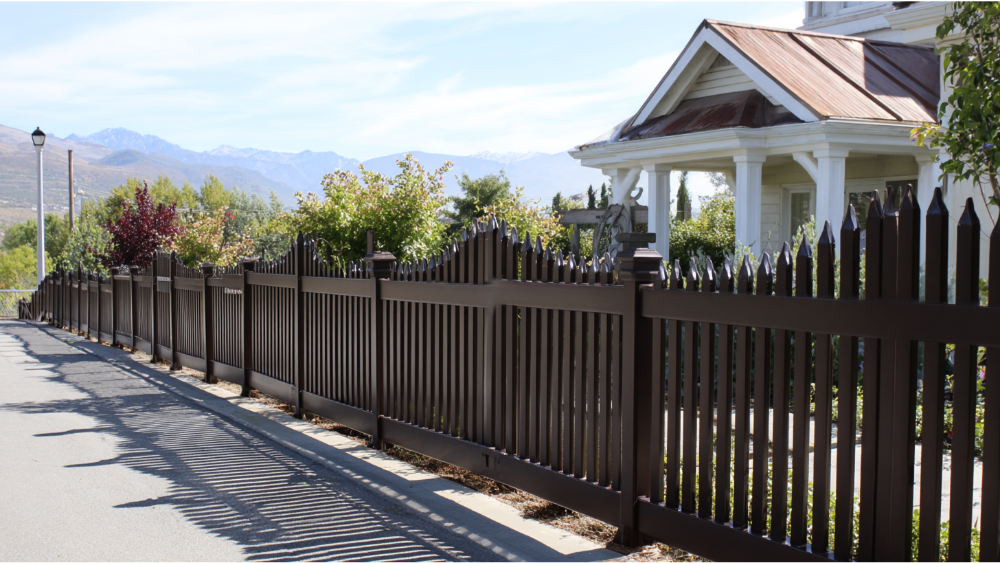
Uneven ground requires careful planning. Contractors adjust installation techniques to maintain clean lines and structural integrity across the entire fence line.
Drainage and Environmental Conditions
Water management is essential. Contractors design around drainage patterns to prevent erosion and maintain durability over time.
Security Requirements
Security needs influence material selection and design features. Metal fences, including wrought iron and aluminum fences, are often used for higher security applications due to their strength, especially when installed by contractors continuing Best Built Fence’s legacy of quality.
Property Type: Residential vs. Commercial
Fences play different roles depending on the property type. Residential fences often focus on curb appeal and privacy, while commercial fencing in Auburn and nearby areas prioritizes durability and access control.
Choosing the Right Materials for Custom Fencing
Wood Fences
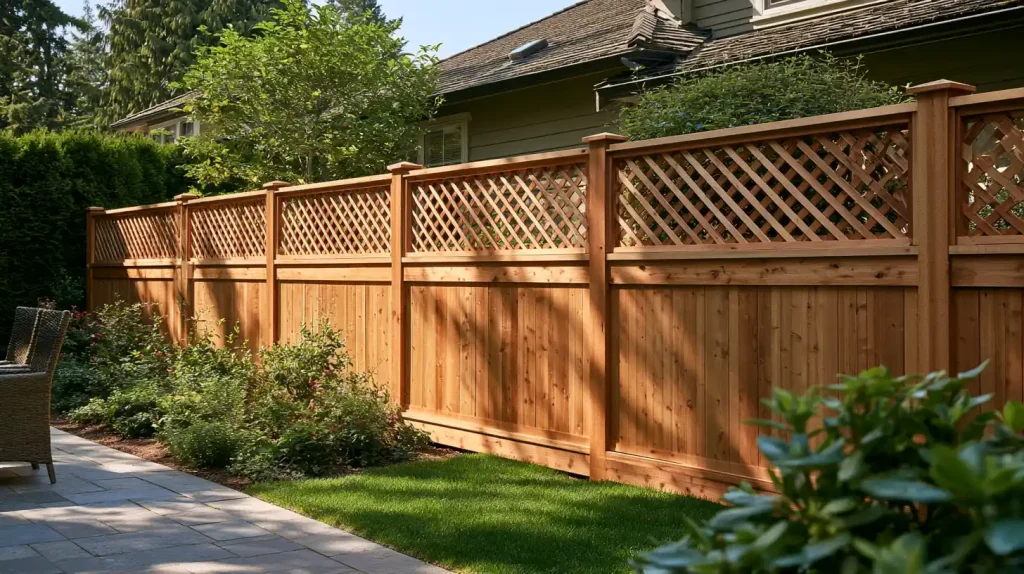
Wood fences are a popular option for homeowners who want a natural aesthetic. A wooden fence made from natural wood can enhance the home’s architecture and create a warm, inviting outdoor area. Many property owners choose wood for its flexibility in custom fence designs and ability to match various styles, and eventually explore wood fence replacement and upgrade options as their needs change.
Chain Link and Metal Fences
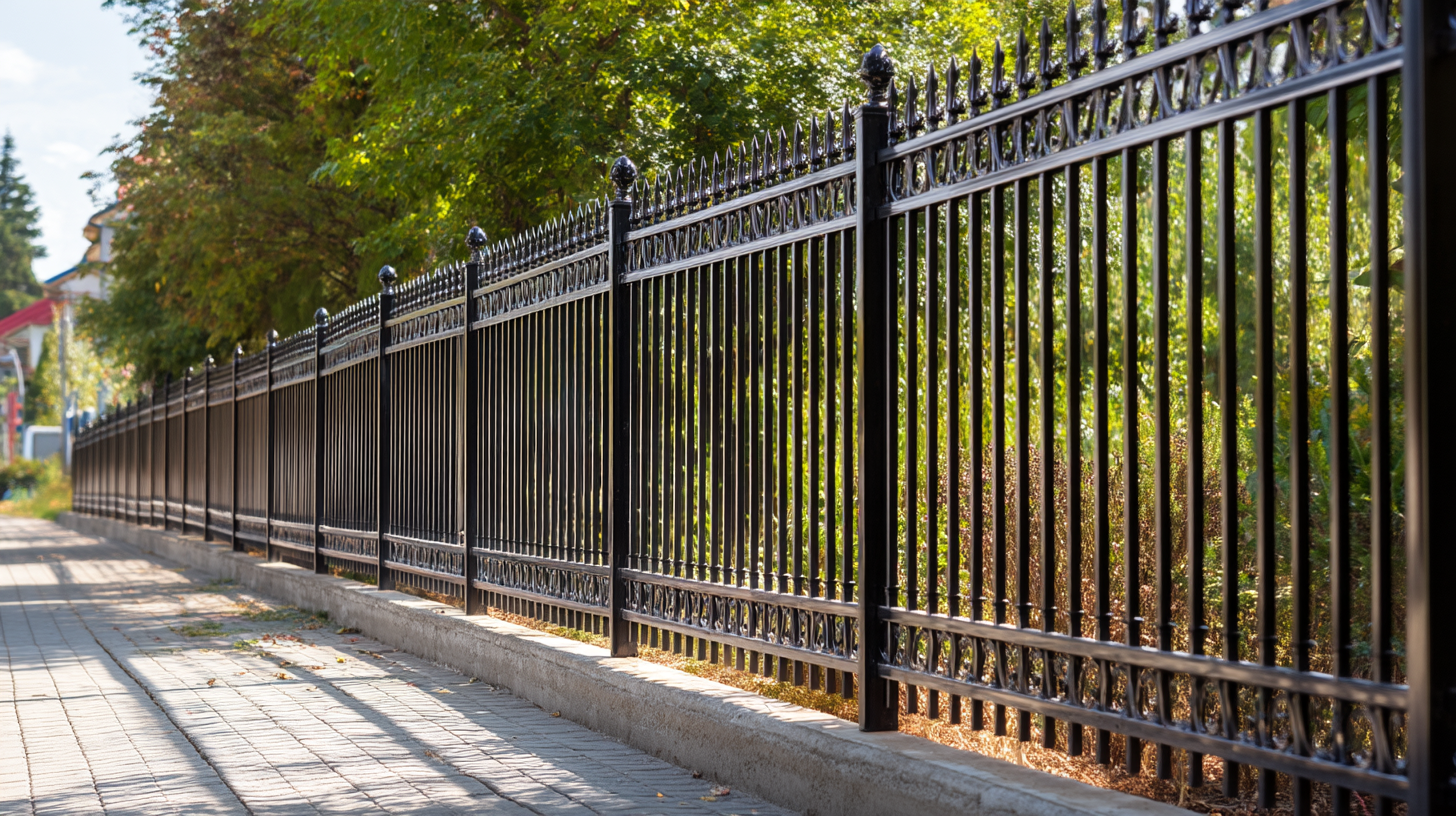
Metal fences provide long-lasting durability and security. Options such as wrought iron offer intricate patterns and decorative elements, while aluminum fences provide a lighter, corrosion-resistant solution for commercial properties in Bothell and beyond. Wood-metal combinations are also used to balance strength and visual appeal.
Vinyl Fences
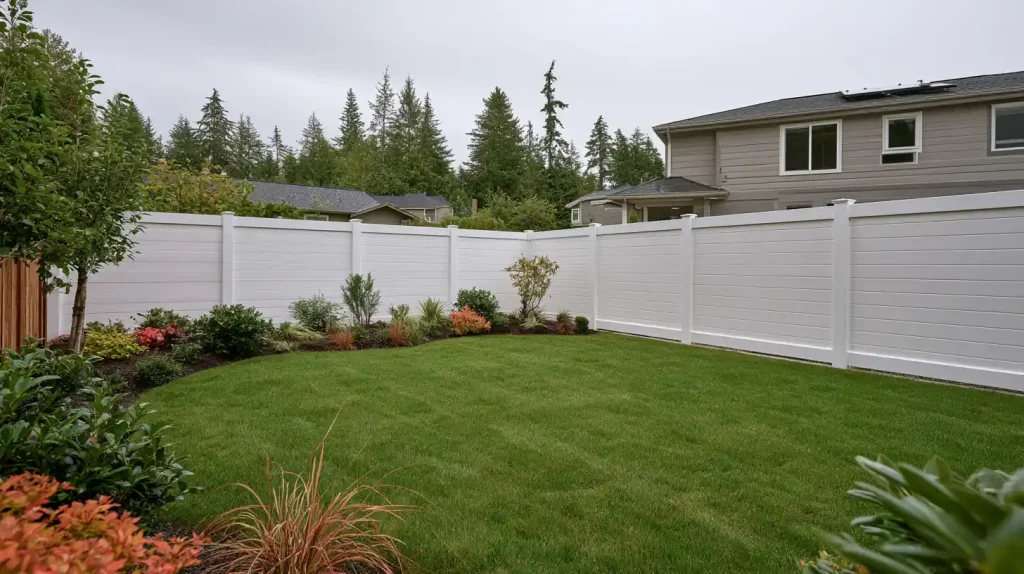
Vinyl fences are known for being low maintenance and offering clean lines. They are a practical choice for property owners who want durability without frequent upkeep, especially for commercial fence projects in Kent.
Material Selection and Performance
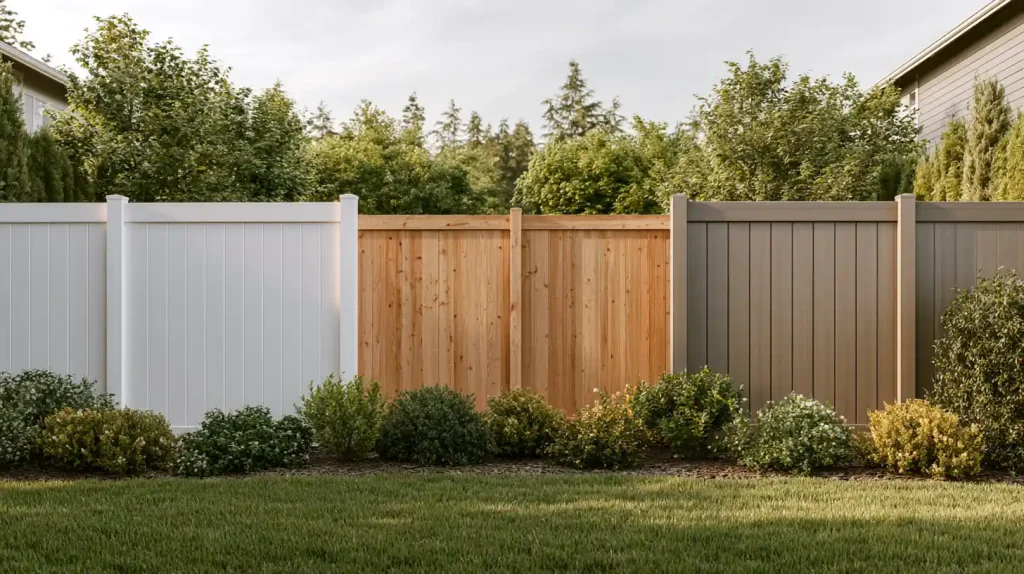
Choosing the right materials is one of the most important steps. Contractors evaluate different materials based on environmental exposure, maintenance requirements, and desired aesthetic appeal. Popular fencing materials include wood fences, vinyl fences, and metal fences, each offering unique benefits.
Custom Gate Design: The Most Critical Piece of the System
Why Gates Matter Most
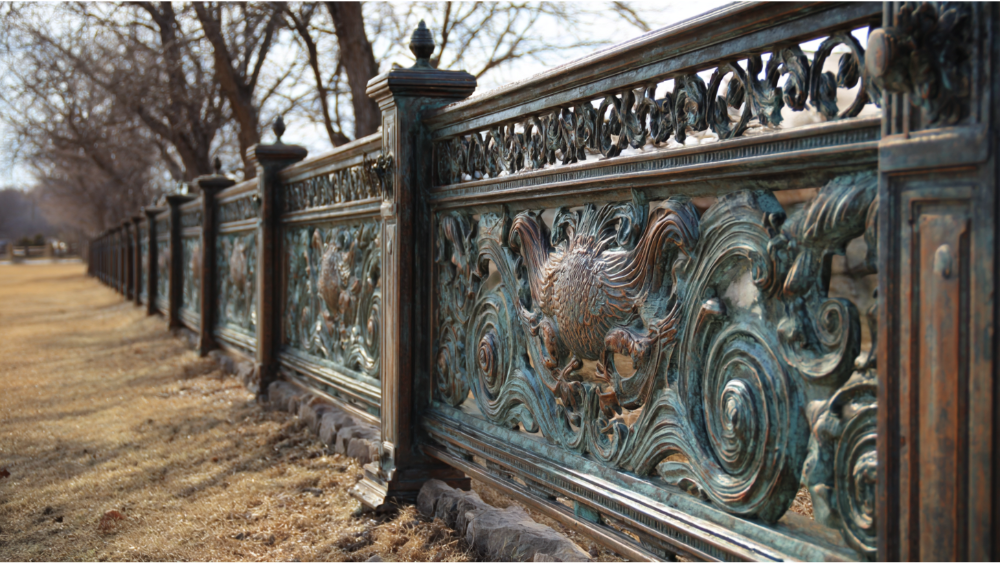
The gate is often the most used part of the fence, making it a critical component. A poorly designed gate can reduce the effectiveness of the entire system.
Manual vs. Automatic Gates
Contractors design gates based on usage. Automated systems provide convenience, while manual gates work well for simpler applications.
Built for Daily Use
Durability is key. Reinforced frames and proper hardware ensure the gate performs reliably over time.
Integrated Security Features
Modern systems can include additional features such as access control and surveillance. These enhancements improve overall security and functionality.
Common Challenges Contractors Solve on Unique Properties
Sloped or Uneven Land
Sloped terrain requires customized installation techniques to maintain stability and visual appeal.
Irregular Property Lines
Contractors design around unique shapes to ensure the fence follows boundaries without gaps.
Obstacles and Existing Structures
Trees and structures require careful planning to maintain structural integrity.
Harsh Weather Conditions
Material selection must account for environmental exposure to ensure long-term durability.
High Security Needs
Reinforced materials and design features are used for properties requiring enhanced protection.
Custom Fabrication vs. Pre-Made Panels: What Is the Difference?
Limitations of Pre-Fabricated Options
Pre-made panels often lack flexibility and may not fit properly on unique properties. This can lead to reduced durability and performance.
Benefits of Custom Fabrication
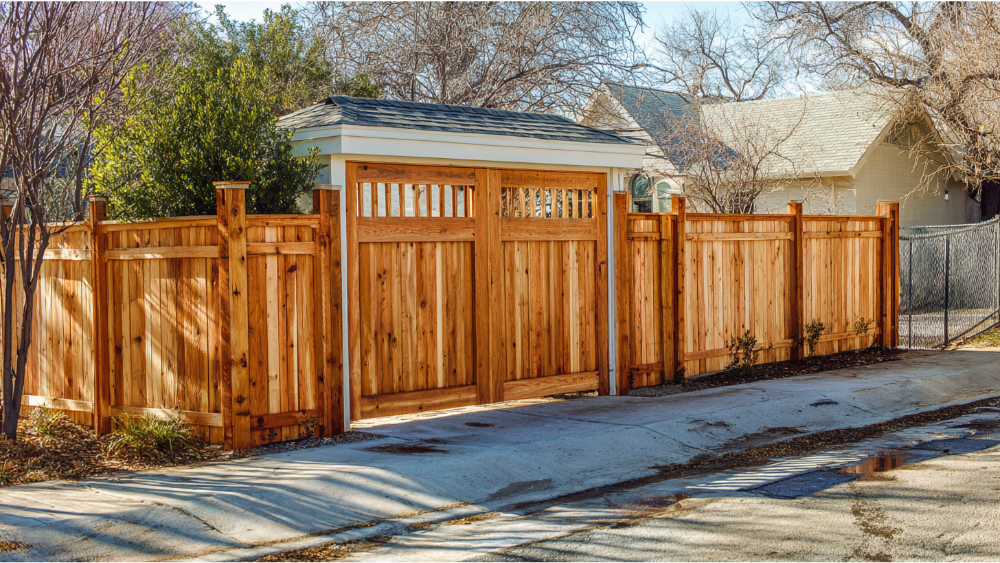
Custom fabrication allows contractors to create a fence tailored to the property. This approach supports intricate details, intricate patterns, and better overall performance. Customization options also allow for decorative post caps and unique design features that enhance visual appeal.
Cost Factors for Custom Fence Projects
Several factors influence the cost of a custom fence. Property size, terrain complexity, and material selection all play a role. Labor costs increase with more complex installation techniques. For many property owners, understanding how fencing costs break down makes it easier to balance budget and goals. While upfront costs may be higher, a custom fence offers increased property value and long-term savings through reduced maintenance needs.
How to Choose the Right Fence Contractor
Selecting the right contractor ensures a successful project. Look for experience with commercial and residential fence installation and the ability to handle complex properties. A professional contractor will provide valuable insights, recommend the right materials, and guide you through the entire process.
FAQs About Custom Fence Design
How long does it take to install a custom fence?
The timeline depends on the complexity of the project and the materials used.
Can contractors install a fence on uneven terrain?
Yes, specialized installation techniques allow contractors to adapt to challenging landscapes.
What are the most durable fencing materials?
Metal fences, including wrought iron, are among the most durable options available.
Do I need permits for a custom fence?
Most projects require permits and must follow local regulations.
Are custom fences worth the investment?
Yes, they provide increased property value, improved curb appeal, and long-term durability.
Can a fence improve property value?
Yes, a well-designed fence can attract prospective buyers and increase overall property value.
Final Thoughts: Why Custom Fence Design Is Worth It
A custom fence is more than just a boundary; it is a long-term investment. It enhances curb appeal, improves security, and adds value to your property. With the right materials, proper planning, and expert installation, contractors can create a fence that meets both functional requirements and aesthetic goals.
Get a Fence Built for Your Property
If your property has unique challenges, a standard solution will not work. Inline Security Fence specializes in custom fence design, fabrication, and installation while carrying forward Jimmy’s Fence Company’s tradition of quality. Our team focuses on creating solutions that match your outdoor space, your needs and preferences, and your long-term goals. Contact us today to start building the perfect fence for your property.