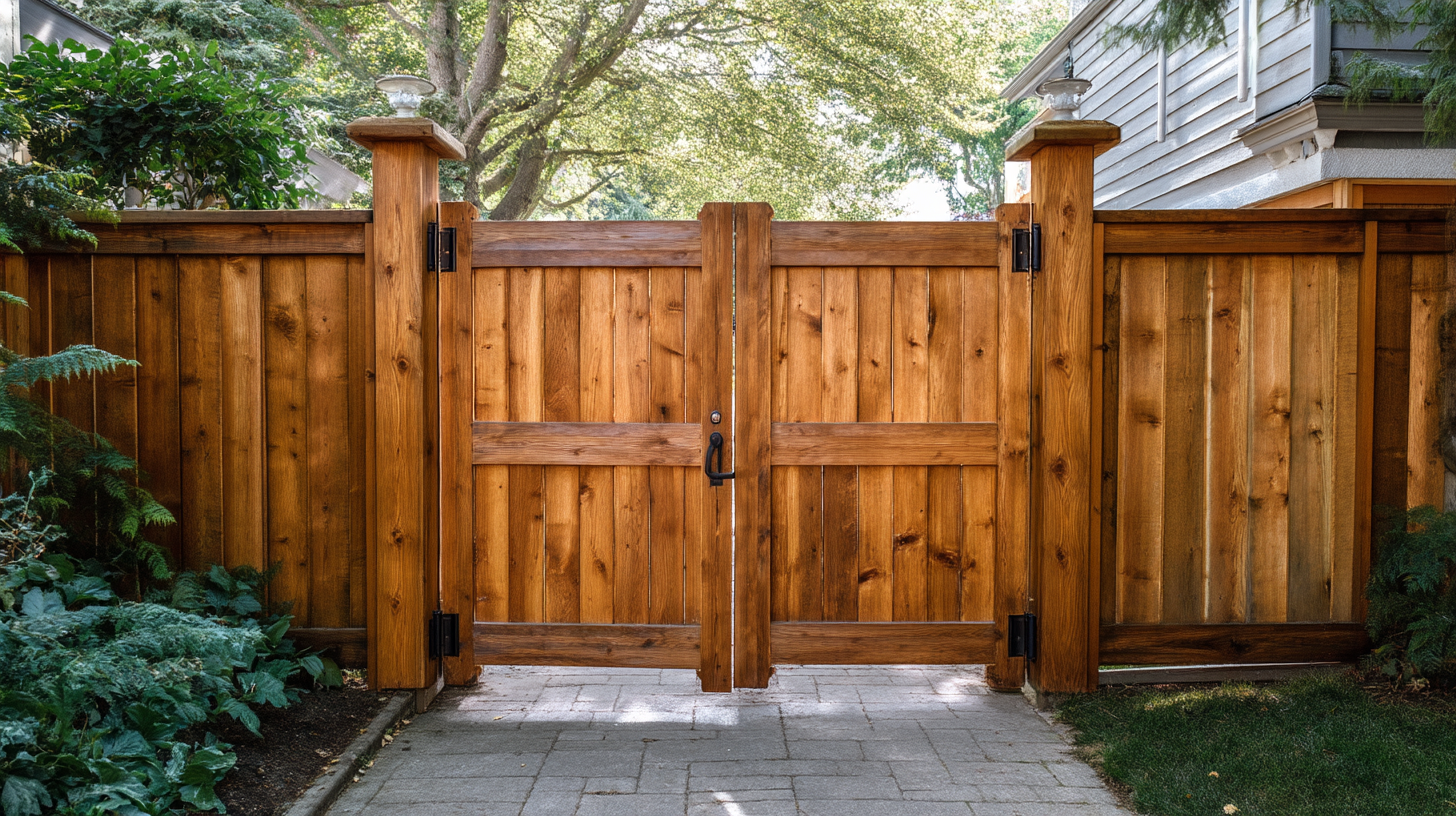
If you are asking how do installers ensure fence gates swing properly, the answer starts long before the gate is ever attached to a post. A properly installed gate should open and close with smooth operation, maintain alignment, and stay secure through years of use. When that does not happen, the issue usually comes down to mistakes during the installation process.
At Inline Security Fence, every gate installation is treated as a complete system built for durability, security, and long-run performance. This guide explains how professionals install each gate so it swings correctly, functions as intended, and avoids premature wear.
Why Proper Gate Swing Matters More Than You Think
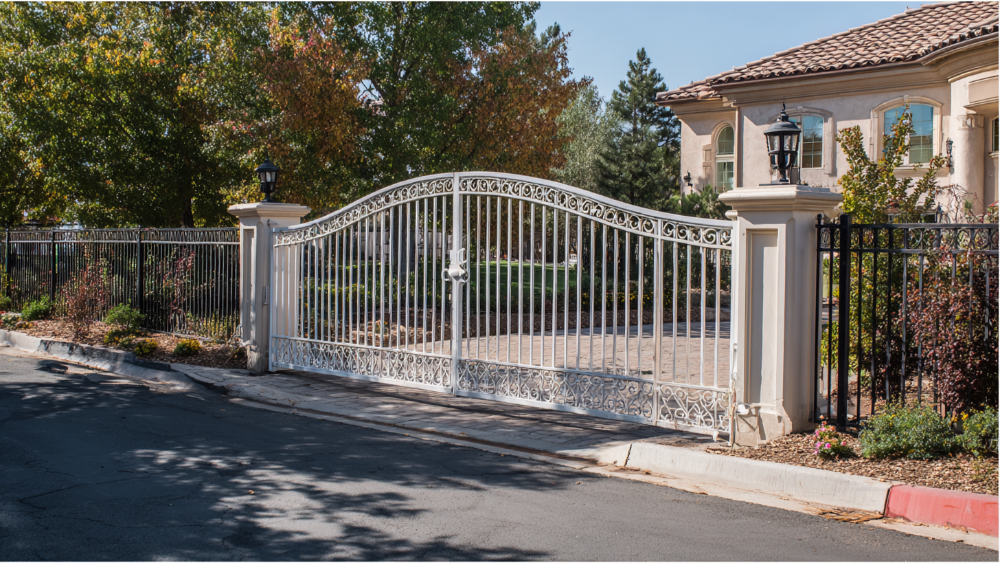
A gate that does not swing correctly affects more than convenience; it impacts security, safety, and access to your property. A poorly aligned gate can leave gaps in a fence line, prevent a latch from engaging, or create strain on hinges and screws. Over time, this leads to loose screws, bent hinges, and structural issues that compromise the entire system.
A well-maintained gate ensures smooth operation, protects your entrance, and maintains the integrity of your fence. Whether it is a garden gate, wood gate, or heavy gate securing a commercial property, proper swing is essential for long-term performance.
It Starts Before Installation: Planning the Gate System
Measuring the Opening the Right Way
The first step in any successful gate installation is accurate measurement. Installers calculate the exact space needed for the gate, including hinges, latch hardware, and swing clearance. The opening is never just the size of the gate frame. Precise alignment depends on leaving enough space for movement without creating gaps that affect security. This part of the installation process sets the foundation for everything that follows.
Choosing the Right Gate for the Job
Every gate project requires the right materials and gate design. Wooden gates, metal panels, and composite materials all behave differently under weight and weather conditions. Property owners planning major updates or replacing an aging wood fence also need to think about how gate weight and design will affect long-term performance. Installers consider the location, soil type, and how the gate will function daily. A heavy gate used for frequent access requires stronger hinges and a reinforced frame. Choosing the right materials ensures durability and reduces the risk of premature wear.
Matching Hardware to the Gate
Using the correct hardware is critical. Hinges, screws, and bolts must be rated for the weight and function of the gate. Specialized hardware allows for adjustments and helps maintain alignment over time. Without the right components, even a well-built gate will fail during the installation process or shortly after.
The Foundation: Setting the Gate Posts Correctly
Why the Hinge Post Does Most of the Work
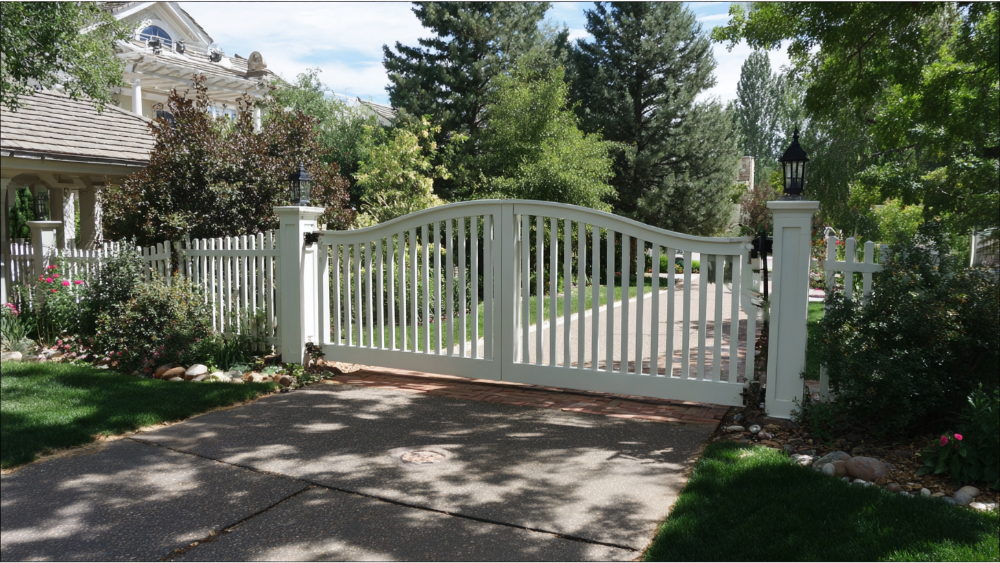
The gate post is the backbone of the entire system. It supports the full weight of the gate and controls how the gate swings. If the post shifts, the gate will not align properly. This is why professional installation focuses heavily on setting posts correctly.
Proper Depth, Footing, and Soil Considerations
Posts must be set deep into the ground and secured with concrete. The depth depends on soil type and weather conditions, especially in areas with freezing temperatures. Concrete provides stability and prevents movement over time. Without a solid footing, the gate will sag and lose alignment.
Ensuring Posts Are Perfectly Plumb
Installers use levels and measuring equipment to ensure each post is perfectly vertical. Even a slight lean will affect how the gate swings. Proper alignment at this stage is critical to ensure smooth operation later in the process.
Hanging the Gate: Where Precision Matters Most
Setting the Correct Ground Clearance
Before attaching hinges, installers position the gate using blocks to create the correct clearance from the ground. This prevents dragging and allows for movement over uneven ground or shifting soil. Proper spacing ensures the gate swings freely without obstruction.
Using Temporary Supports and Shims
Blocks and temporary supports hold the gate in place during installation. This allows installers to attach hinges while the gate is perfectly aligned. Skipping this step often leads to loose screws and uneven swing.
Hinge Placement and Alignment
Hinges must be placed carefully to distribute weight evenly across the gate frame. The top hinge helps maintain alignment while the bottom hinge carries most of the load. Proper hinge placement ensures the gate swings smoothly and reduces stress on the structure.
Preventing Sagging Before It Starts
Understanding Why Gates Sag
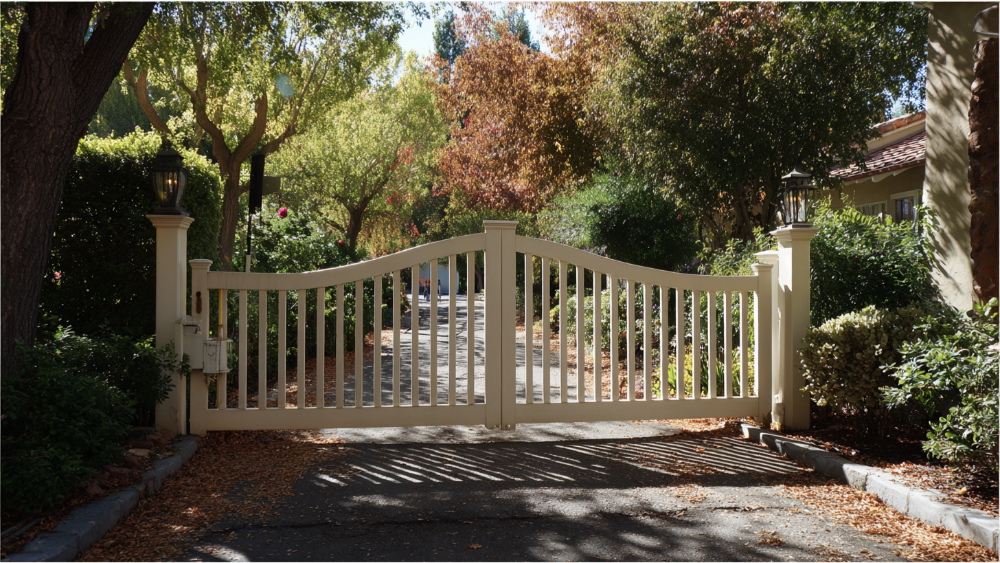
Gravity naturally pulls on the gate over time. Without proper support, the gate will begin to sag and lose alignment. This is especially common with wooden gates and larger panels.
Bracing Techniques Professionals Use
Installers use a brace within the frame to support the structure. This helps distribute weight evenly and prevents sagging. Reinforcement is essential for maintaining durability in the long run.
Adjustable Hinges and Long-Term Maintenance
Adjustable hinges allow for fine tuning after installation. This helps correct minor alignment issues caused by weather conditions or ground movement. Regular maintenance ensures the gate remains secure and functional.
Getting the Swing Just Right
Testing the Full Range of Motion
After installation, installers test how the gate swings through its full range. The goal is smooth operation without resistance. Any issues are corrected immediately to ensure the gate functions properly.
Ensuring Proper Swing Direction
The direction a gate swings depends on the property layout and available space. Installers evaluate the best option to maintain security and convenience while ensuring the gate operates safely.
Accounting for Slope and Terrain
Uneven ground requires adjustments during installation. Installers may raise the gate, adjust hinge placement, or modify the design to ensure proper clearance throughout the swing path.
Latch Installation: The Final Step Done Last for a Reason
Why Latches Are Installed After Hanging the Gate
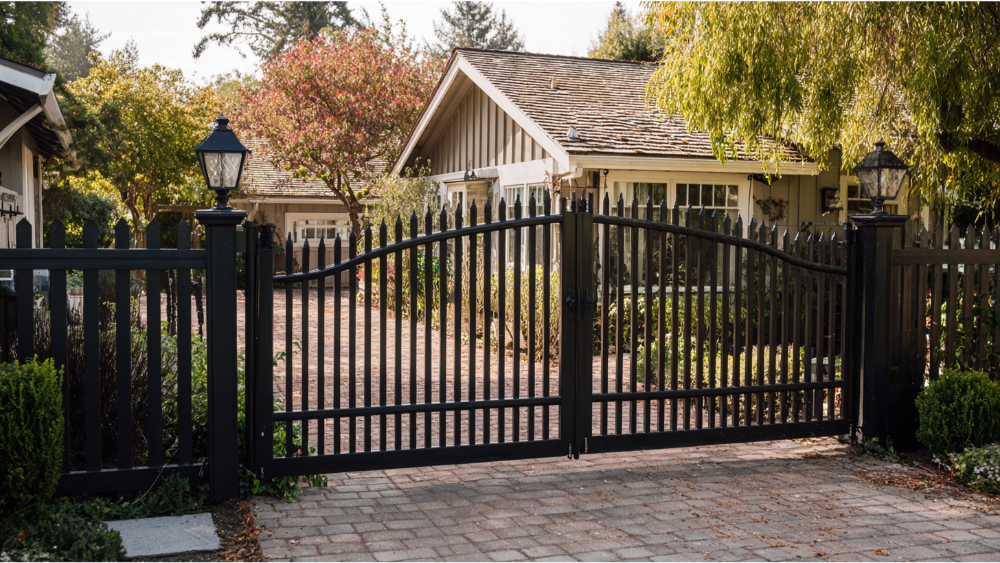
The latch is installed only after the gate is fully aligned. This ensures the latch connects properly without forcing the gate out of alignment.
Aligning the Latch with Real-World Movement
Installers position the latch based on how the gate naturally rests after installation. This accounts for slight movement and helps maintain security over time.
Choosing the Right Latch Type

Different gates require different latch systems. Security gates often use stronger hardware, while residential gates focus on ease of access and convenience.
Automatic Gates: Additional Factors That Affect Swing
Why Operators Do Not Fix Bad Gate Installation
Automatic gates rely on proper alignment to function correctly. If the gate does not swing properly before automation, the system will not perform as expected.
Safety Standards Installers Must Follow
Automatic gates must meet industry standards for safety. This includes proper spacing, secure hardware, and systems that prevent accidents during operation.
Clearance, Sensors, and Entrapment Zones
Installers ensure there is enough space for the gate to swing without creating hazards. Sensors and equipment are used to maintain safe operation and protect people and property.
Common Mistakes That Lead to Gate Swing Problems
- Using undersized posts that cannot support the weight of the gate
- Choosing the wrong hinges for the gate design and materials
- Making poor measurements during the installation process
- Ignoring soil type, weather conditions, and ground movement
- Installing the latch too early before alignment is finalized
- Leaving loose screws or improperly secured bolts
How Professional Fence Installers Ensure Long-Term Performance
Professional installation focuses on creating a complete system that performs well over time. Inline Security Fence’s experienced team uses quality materials, follows industry standards, and pays attention to every detail. From the first step to the finishing touches, each part of the process is designed to ensure smooth operation, durability, and security.
A properly installed gate will function reliably, require minimal maintenance, and provide consistent access to your property, continuing the kind of legacy of quality fence craftsmanship that homeowners and businesses depend on.
Signs Your Gate Was Installed Incorrectly
A gate that drags on the ground, does not latch properly, or shows visible sagging is a sign of poor installation. Loose screws, rust on hinges, and shifting posts all indicate problems that need to be addressed, often best handled by a trusted local fence company with experience correcting past installation issues.
If you notice rust forming early, it is important to lubricate hinges and prevent rust before it spreads and weakens the hardware.
When to Repair vs Replace a Gate
Some issues can be fixed with adjustments and maintenance. However, if the structure is compromised or the post has shifted significantly, replacement may be the best option.
A professional evaluation helps determine the right solution for your property and ensures long-term durability, especially for businesses that rely on commercial fence contractors in Bothell to keep their gates operating safely.
FAQs About Fence Gate Swing
Why does my gate sag after a few months?
Sagging is caused by poor support, improper installation, or weak materials. Over time, gravity affects the gate and leads to alignment issues.
How much clearance should a fence gate have?
The amount of space depends on the ground and environment, but enough clearance is needed to allow smooth swing without obstruction.
Can hinges fix a poorly installed gate?
Hinges can help with minor adjustments, but they cannot correct major structural problems.
Should a gate swing inward or outward?
This depends on the layout of the property, available space, and security needs.
How do I stop my gate from dragging on the ground?
Adjusting hinges, reinforcing the structure, or resetting the post may be required to fix the issue.
Do automatic gates require special installation?
Commercial properties in areas like Kent that depend on secure gate systems often have additional automation and safety requirements to keep people and assets protected.
Yes, automatic gates require precise alignment, proper equipment, and adherence to safety standards, which is why many businesses in Marysville look to dedicated commercial fence contractors for design and installation.
Work With Professionals Who Get It Right the First Time
A properly installed gate should open smoothly, stay aligned, and remain secure through years of use. Achieving this requires careful planning, precise alignment, and ongoing maintenance.
At Inline Security Fence, every project is built with durability, security, and performance in mind. From wooden gates to metal systems, our team ensures each gate is installed correctly so it performs reliably for the long run, whether we are helping safeguard commercial properties in Medina or installing secure perimeter gates for businesses throughout Tukwila.