Getting a new fence is one of the most common home improvements, but it is also one of the most misunderstood. The biggest issue is that many homeowners assume they already know where their property lines are, when in reality, only a verified survey can confirm exact property lines. That is why professional fence installation always begins with understanding property boundaries before any fence work begins. So, how do installers measure property lines for custom fences? A properly planned fence depends on accurate measurement, legal documentation, and careful verification so the fence is placed exactly where it should be.
Why Property Line Accuracy Matters in Fence Installation
A fence is not just a visual upgrade; it is a physical marker of property ownership. When fence installation is done without verifying property lines, the result can lead to disputes, financial loss, and even forced removal. Many homeowners assume a fence or landscaping edge shows where their property ends, but only official property boundaries define legal ownership.
Incorrect fence placement can quickly lead to boundary disputes with neighbors, especially when the fence crosses into shared or adjacent land. In severe cases, this can result in legal action or forced removal of the fence. It can also reduce property value because future buyers may question whether the fence was installed correctly. Local regulations and setback requirements must also be followed, and these vary across municipalities.
This is why professional fence contractors always verify boundaries before starting any fence project. The goal is not only to build a straight fence but to ensure legal compliance and long-term protection for the homeowner.
Who Is Responsible for Finding Property Lines?
Before any fence installation begins, responsibility for understanding property boundaries is shared between the homeowner and the fence company. Many homeowners assume property lines are obvious, but in reality, only a combination of documentation and surveying confirms the truth.
Homeowners are expected to provide any available property deed, historical records, or previous survey documents. These records often contain legal descriptions that define property boundaries in written form. In some cases, older plat map documents or historical records may still be useful, even if they are outdated.
The fence company or fence contractor is responsible for interpreting property records, reviewing plat map data, and identifying visible physical markers on site. However, reputable installers will not rely on assumptions. They will recommend a licensed land surveyor when exact property lines are unclear or when a new fence is being installed near boundary lines.
A property survey becomes necessary when boundaries are unclear, missing, or disputed. This is especially common in new developments, irregular shaped lots, or properties with missing markers. In these cases, only a licensed surveyor can provide legally recognized exact measurements.
The Professional Standard: How Installers Determine Property Lines
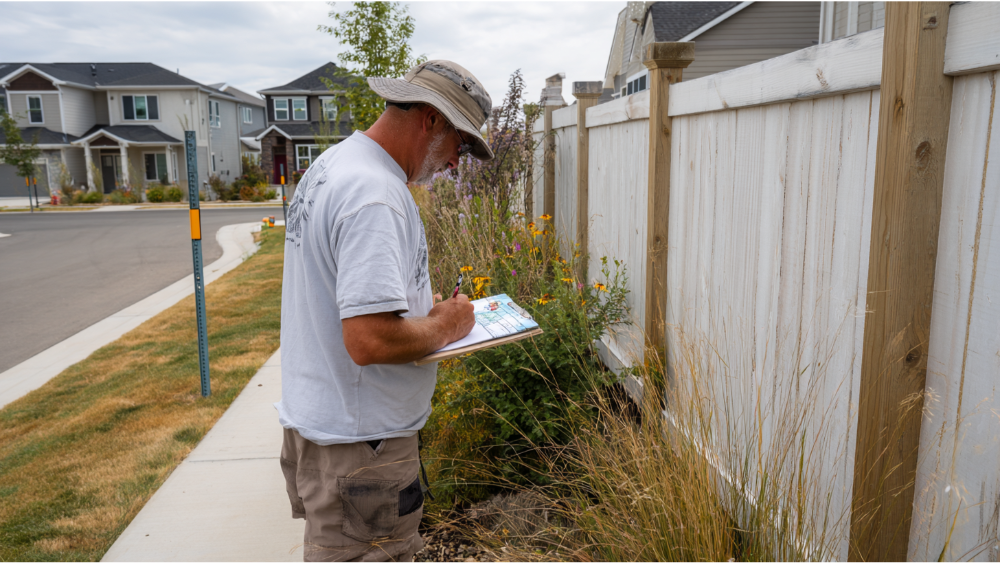
Professional fence installation follows a structured process designed to ensure accuracy and legal protection before construction begins.
The process begins with property records, including the property deed, historical records, and plat map documents. A plat map shows how land is divided within a subdivision and provides the legal layout of each property. Fence companies use this information to understand approximate boundaries before going into the field.
However, plat map information alone is not enough to guarantee exact property lines. It is used as a guide, not a final measurement tool.
Many properties contain physical markers such as iron pins or rebar stakes placed by a surveyor during a previous property survey. A metal detector is often used to locate these markers. These markers help confirm where property boundaries were originally established, but they may be missing or disturbed due to landscaping or previous fence installation.
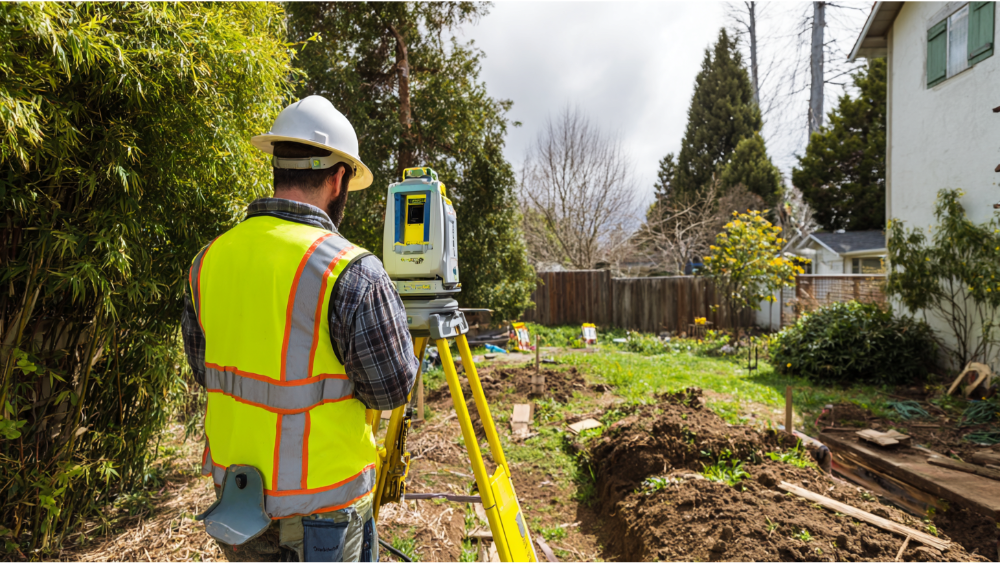
When accuracy is critical, a licensed land surveyor is the only reliable authority. A professional property survey uses precise equipment such as GPS-based systems and total stations to determine exact property lines. A licensed surveyor then produces a certified survey map that legally defines boundaries.
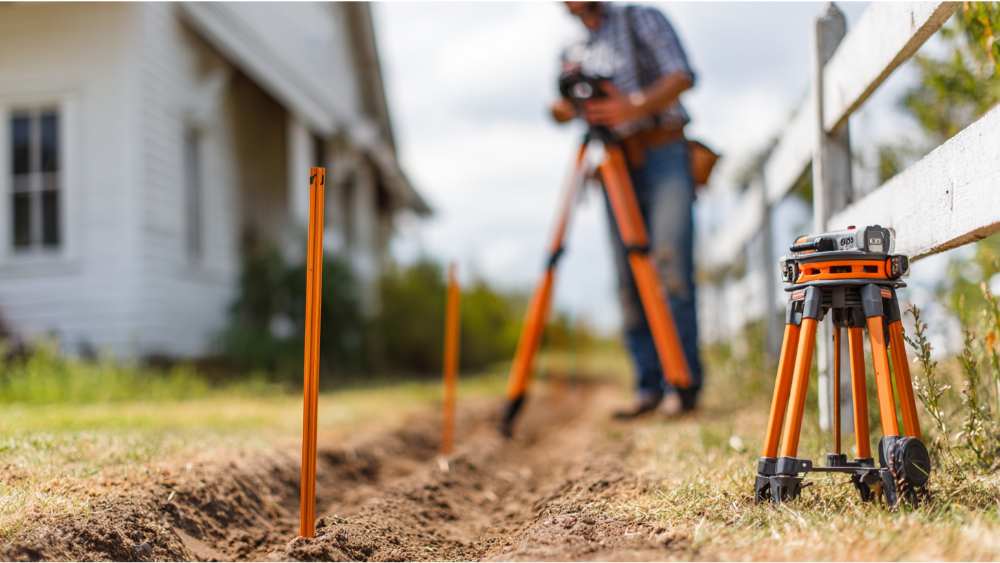
Once a survey is complete, the fence contractor translates the survey map into a physical fence layout. Corners are marked with stakes, and string lines are used to define where the fence will be installed. This step ensures fence placement matches exact boundaries and avoids future disputes.
Tools Installers Use During Fence Installation and Property Survey Work
Fence installation relies on both traditional tools and modern survey technology. A surveyor uses advanced equipment to measure land with precision, including GPS-based systems and electronic total stations. These tools ensure precise measurements that define legal property boundaries.
Installers also use string lines, tape measures, and laser tools during fence layout work. A tape measure remains essential for verifying spacing and post placement during fence installation, especially when adjusting for slopes or irregular terrain.
Digital plat map software and GIS systems are also commonly used by fence companies. These tools help visualize property boundaries and improve planning accuracy before construction begins. In modern fence installation, combining digital mapping with field verification has become standard practice.
Step-by-Step Fence Layout Process Used by Professionals
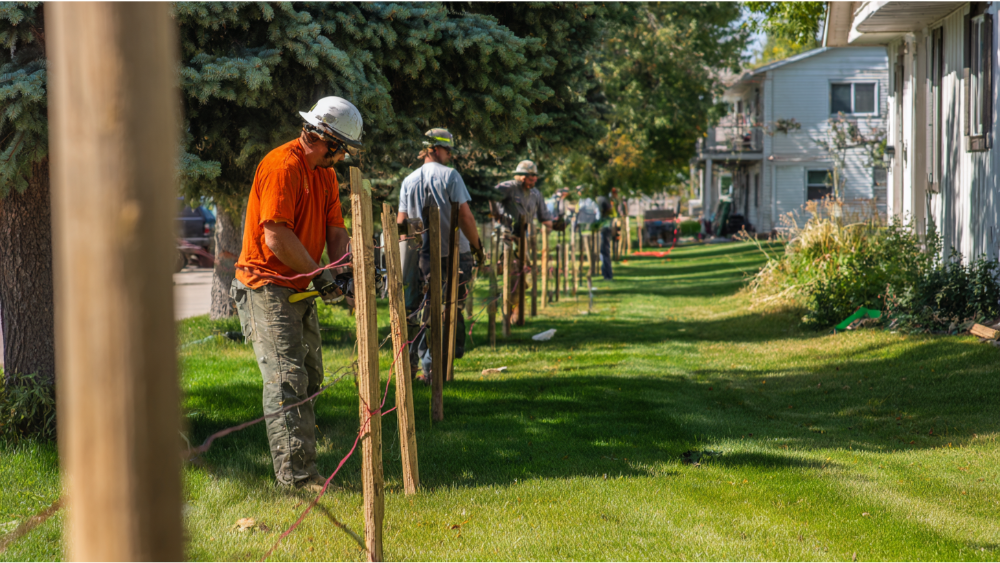
Fence installation follows a structured sequence to ensure accuracy before construction begins:
- Site Inspection: The fence contractor evaluates terrain conditions, landscaping, slope, and obstacles that may affect installation.
- Boundary Verification: Property records, plat map documents, and survey data are compared to confirm property boundaries. This ensures the fence is aligned with legal requirements and physical conditions.
- Corner Marking: Corners of the property boundary are identified and marked with stakes. These points define the structure of the fence and ensure alignment across the entire fence line.
- String Line Setup: String lines are used to establish the fence layout visually. This allows adjustments before any digging begins. At this stage, fence placement is finalized and reviewed to ensure it matches property boundaries and homeowner expectations.
- Regulation Review: Local regulations and setback requirements are reviewed. These rules determine how close a fence can be placed to property lines, roads, and utility easements. This step is critical for legal compliance and preventing future issues with municipalities.
- Homeowner Review: The homeowner reviews the layout before installation begins. This ensures agreement on placement and prevents misunderstandings once construction starts.
Common Homeowner Mistakes in Property Line Measurement
Many homeowners make costly mistakes during fence installation planning. Common errors include:
- Assuming existing fences mark exact property lines. Older fences were often installed without precise surveying and may not reflect true property boundaries.
- Relying on visual estimates or online maps, which do not provide precise measurements needed for fence installation.
- Overlooking utility easements, which can restrict where a fence can legally be built. Underground utilities, power lines, and drainage paths must always be considered before installation begins.
- Skipping a property survey to save money, which often leads to expensive problems later, including forced removal or legal disputes. A proper survey provides legal protection and ensures clear boundaries are respected.
When You Need a Professional Property Survey for Fence Installation
A property survey is essential in several situations, including:
- New construction properties where boundaries may not yet be clearly marked.
- Properties with missing or unclear markers needing verification from a surveyor.
- Irregular shaped lots, corner lots, and shared boundary properties that increase the risk of uncertainty.
Any situation involving uncertainty about where property ends should be resolved through a licensed surveyor to avoid future disputes.
How Inline Security Fence Handles Property Line Verification
At Inline Security Fence, every fence installation begins with careful verification of property boundaries. The process starts by reviewing property deeds, plat map documents, and historical records to understand the layout of the land. When needed, coordination with a licensed land surveyor ensures exact property lines are confirmed before installation.
Once boundaries are verified, the fence layout is marked using precise measurement tools. Stakes and string lines are used to outline the fence so homeowners can clearly see placement before construction begins. This process ensures fence installation is accurate, compliant, and aligned with property boundaries from the start.
Cost of Property Surveys vs Risk of Not Getting One
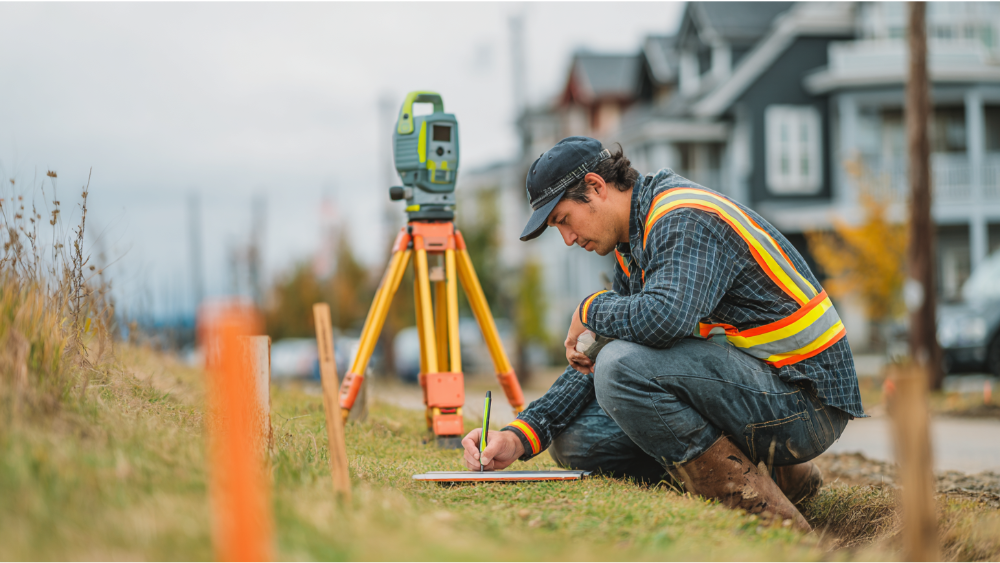
A property survey is one of the most valuable steps in any fence installation project. While it involves a small upfront cost, it provides long-term protection against far more expensive issues. Without a survey, a fence may be installed incorrectly, leading to removal, reconstruction, or legal disputes.
Boundary disputes can also create ongoing stress between neighbors and may require legal resolution. Compared to these risks, a survey is a simple investment that provides clarity, legal protection, and peace of mind for any fence project.
Frequently Asked Questions About Measuring Property Lines for Custom Fences
Why is a professional land survey important before installing a fence?
A professional land survey is the only reliable way to determine true boundary lines. It provides legally recognized property lines, helps avoid disputes with neighbors, and ensures compliance with local zoning and setback regulations.
Can fence installers measure property lines without a survey?
Most fence installers are not licensed surveyors and cannot legally determine property lines. They rely on existing surveys, property deeds, plat maps, and physical markers. When boundaries are unclear, a professional surveyor should be hired.
What should I do if my existing fence is not on the property line?
If an existing fence is incorrectly placed, a recent survey can identify the true boundary. You may need to adjust or relocate the fence to avoid encroachment and potential legal disputes.
How do utility lines affect fence placement?
Utility companies must be contacted before digging to mark underground utility lines. Fences cannot be installed over utility easements, and proper clearance is required to avoid service disruptions and fines.
Are there local regulations that affect where I can place my fence?
Yes, many municipalities have zoning rules, easements, and setback requirements that dictate fence placement. A professional survey helps ensure your fence complies with these legal boundaries.
How much does a professional property survey typically cost?
The cost varies depending on property size and site conditions but generally ranges from a small fee of a few hundred dollars to higher amounts for larger or complex properties. Investing in a survey reduces the risk of costly mistakes later.
Final Thoughts on How Installers Measure Property Lines for Custom Fences
Accurate property line verification is the foundation of every successful fence installation. Without it, even a well-built fence can create disputes, legal issues, and unnecessary costs. Professional fence installation relies on property deeds, plat map records, physical markers, and licensed surveyors when needed to ensure accuracy.
When homeowners understand how installers measure property lines for custom fences, they are better prepared to make informed decisions that protect their investment, maintain compliance with local regulations, and prevent future boundary disputes.